
Interviews
Une discussion avec Almost Monday
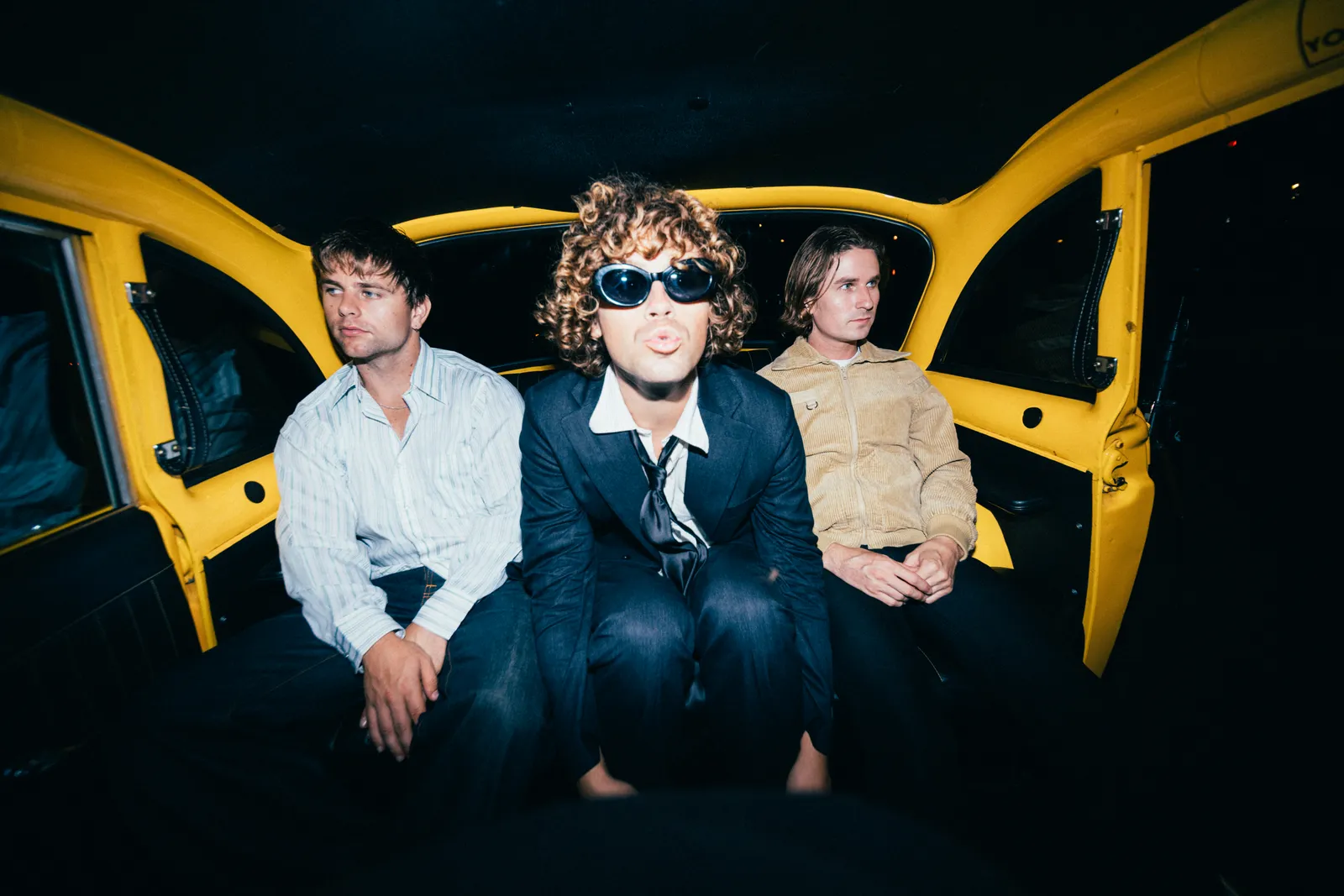
A l'occasion de la sortie de leur deuxième album THANK GOD IT'S ALMOST MONDAY, nous avons rencontré Almost Monday.
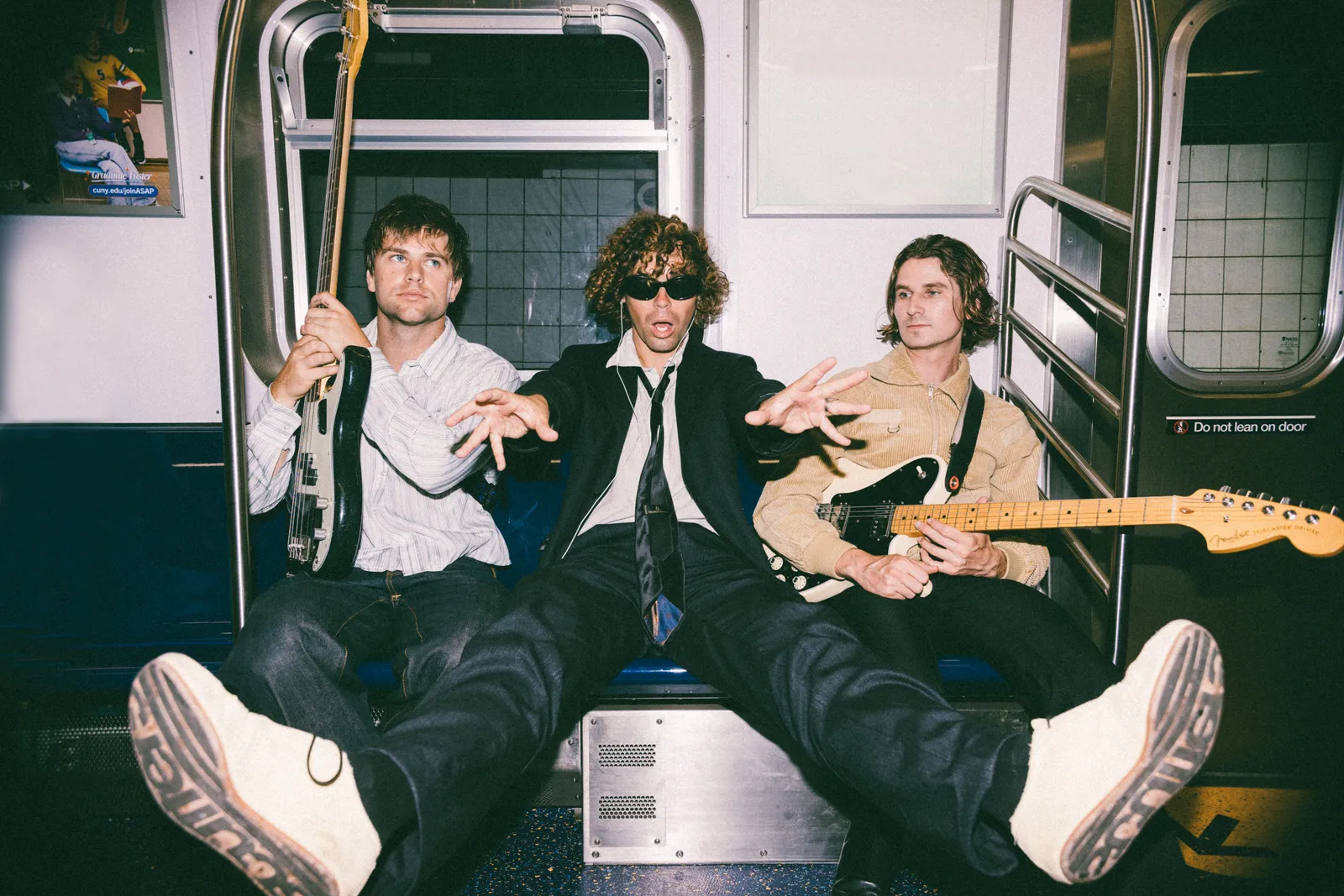
Crédit photo : John Mark Crenshaw
ENGLISH VERSION BELOW
LFB : Deux ans après Dive, comment vous sentez-vous maintenant que ce deuxième album est sorti ?
Luke : C'est vraiment excitant. Il y a toujours cette nervosité à écrire un deuxième album, à espérer qu'il soit bon et bien reçu, mais celui-ci semble un peu plus grand que le premier, ce qui est la bonne direction. On est tous vraiment fiers de lui, on a mis beaucoup de travail pour qu'il soit à la hauteur, et on a hâte que le monde puisse l'écouter.
LFB : Le titre joue sur "Thank God It's Friday", mais remplacé par le nom du groupe. Quand avez-vous su que c'était le bon titre pour ce projet ?
Dawson : On était au fond de la maison des parents de Cole quand on a décidé de le garder. En fait, on avait ce titre depuis longtemps, on s'en était même servi pour du merch à l'époque, et ça nous a semblé être un super titre d'album. C'est un jeu de mots, mais pour nous c'est aussi une façon d'exprimer notre gratitude de pouvoir faire ce qu'on fait : être un groupe ensemble, voyager à travers le monde, jouer de la musique pour les gens.
LFB : En l'écoutant, j'ai l'impression que l'album se divise en deux parties, une première plus solaire et une seconde plus nostalgique, presque mélancolique, à partir de Fade. Est-ce une structure que vous aviez prévue dès le départ, ou est-ce que c'est venu une fois les morceaux assemblés ?
Luke : C'est quelque chose qui s'est fait tout seul. L'année dernière a été, à bien des égards, la meilleure année, et à bien des égards la plus dure, sur le plan personnel, avec le groupe qui grandit, avec la vie qui suit son cours. Je pense que la musique reflète ça : les hauts vraiment positifs, mais aussi les bas, le côté nostalgique ou mélancolique. C'est juste une vie honnête, vécue telle quelle, et ça ressort dans la musique. Ce n'est pas quelque chose qu'on a cherché explicitement, c'est juste ce qui s'est passé parce qu'on a vécu nos vies en écrivant pendant cette période.
LFB : Qu'est-ce qui a changé dans votre façon d'écrire ou d'enregistrer cet album par rapport à Dive ?
Cole : Pas grand-chose n'a changé dans le processus d'enregistrement en lui-même, à part le fait qu'on a vécu plus de choses, qu'on a plus d'expérience et d'inspirations différentes à puiser. Mais on a enregistré certains morceaux dans des endroits différents. On est allés à Nashville pour Losing Streak et Leaving Is Easy, et on a aussi enregistré à San Diego. Ensuite, comme pour la majeure partie de Dive, on était à Los Angeles avec notre producteur Simon Oscroft.
LFB : J'étais aussi curieux de la dynamique du groupe côté écriture, est-ce que vous avez chacun des rôles définis ?
Luke : Tout tourne, et je pense que c'est ce qui garde les choses intéressantes et l'écriture fraîche. Ce n'est jamais le même processus, que ce soit sur le plan instrumental, sur le plan des paroles, ou dans la façon dont un morceau démarre, que ce soit à partir d'un titre, d'un riff, ou juste d'un sentiment. On garde ça fluide et on se laisse la liberté d'endosser des rôles différents. Cette flexibilité nous permet d'écrire une large palette de morceaux et de garder les choses nouvelles.
LFB : L'album s'ouvre sur une intro instrumentale d'une minute trente avant que Delicate ne prenne le relais. Pourquoi prendre ce temps avant d'entrer vraiment dans l'album ?
Dawson : On avait déjà fait un morceau d'intro pour Dive. Ce qu'il y a avec les intros, c'est que c'est vraiment amusant à faire, un peu comme au cinéma, avec ces génériques d'ouverture, THX ou l'ancien de la 21st Century Fox. J'ai toujours aimé ça, donc c'est marrant d'imaginer ce que ça peut être pour son propre album, presque comme le chargement d'un jeu vidéo la première fois. Un de nos amis, à notre événement pop-up à New York, a dit que celle-ci sonnait comme une chanson d'entrée de combattant en UFC, ce que j'ai trouvé vraiment drôle.
LFB : Quelques morceaux, No More Regrets, Superprism, ont une influence seventies assez nette. D'où vient cette influence ?
Cole : Clairement des Beach Boys. On puise une partie de notre inspiration dans leur essence en tant que groupe, et ils sont vraiment de cette époque et de cette ère. Les Beatles aussi, parmi nos premières influences.
LFB : French Kids est peut-être l'un des morceaux les plus forts du disque, et le titre s'adresse directement à un public français. D'où vient-il, est-ce un clin d'œil à un souvenir précis ?
Dawson : C'est un morceau qu'on a écrit après notre première tournée en France. On est allés à Paris, évidemment, mais aussi à Toulouse et à Lyon. On a joué dans une salle à Toulouse qui s'appelle Le Bikini, et c'était un concert vraiment magique, honnêtement probablement l'un de mes concerts préférés de tous les temps. Le public était tellement investi dans la musique, et dans le fait d'être simplement présent, ce qui est difficile aujourd'hui avec tout ce qui peut nous en détourner. On est repartis de ce concert tellement inspirés, on est allés en studio, et on a parlé de cette expérience. D'une certaine façon, la chanson part d'une sorte de crise existentielle, à quoi sert la vie ? Et on en a fait quelque chose sur le fait d'être présent, de danser avec ses amis, de profiter d'un concert. Toutes les expériences qu'on a eues à jouer devant un public français ont été géniales, ils sont vraiment à fond dans la musique, très expressifs. J'espère que les Français vont l'aimer.
LFB : L'album se termine sur Better Late Than Never, avec une production beaucoup plus grande que le reste du disque. Pourquoi terminer sur ce morceau, et sur ce genre d'énergie ?
Luke : Celui-là, on l'a écrit à la toute fin du processus d'écriture, une fois qu'on avait déjà la majeure partie de l'album, juste en essayant de s'amuser sans se mettre de pression. Il est venu très vite, et on l'a aimé très vite aussi, donc ça nous a semblé juste de le mettre en clôture de l'album. Il donne un sentiment nostalgique, mais plutôt porteur d'espoir, ce qui colle avec tous les hauts et les bas de l'année. Il y a toujours de l'espoir à la fin, et c'est quelque chose qu'on veut laisser aux gens.
LFB : Pour Delicate, vous avez construit tout un clip narratif, presque comme une histoire à part entière. À quel point le visuel influence-t-il la façon dont vous sortez un morceau, est-ce que ça nourrit l'écriture, ou est-ce que ça vient après ?
Cole : On adore faire des clips pour un maximum de morceaux, parfois peut-être un peu trop. On est tous passionnés de cinéma, donc c'est cool de pouvoir associer cette dimension artistique au fait d'être musiciens, et de mettre vraiment du soin à donner vie à un morceau en images. On a tourné le clip de Delicate pendant la tournée, comme plusieurs autres clips de cet album. On a tourné celui de Better Late Than Never un jour de repos.
Dawson (à propos de "trop de clips") : C'est plus une blague, mais faire des clips demande vraiment beaucoup d'efforts. Quand tu es en tournée et que tu essaies de tourner sur ta seule heure de temps libre, tu te dis parfois : "J'aimerais bien qu'on n'ait pas à tourner ça maintenant." On était en tournée avec Young the Giant et Cold War Kids, et ils n'arrêtaient pas de plaisanter : "Almost Monday, encore un clip."
LFB : Comment avez-vous construit le show live pour ce projet ? Y a-t-il des morceaux du premier album dans la setlist ? Avez-vous pensé la setlist d'une manière particulière ?
Luke : On sort tout juste des répétitions, il y a quelques jours. On a vraiment réfléchi à tout : quels morceaux les gens connaissent, le tempo, comment on veut que les gens se sentent tout au long du show, en gardant une certaine amplitude. C'est difficile, parce que chaque morceau est le préféré de quelqu'un, donc on va forcément en laisser de côté pour certains, mais on a essayé de proposer le meilleur show possible en combinant les deux albums. Tout ça reste théorique tant qu'on n'a pas joué le premier concert, on verra bien.
LFB : Y a-t-il quelque chose que vous avez eu envie d'essayer mais que vous n'avez pas encore osé faire, musicalement, sur scène, ou autrement ?
Cole : On essaie beaucoup de styles différents en studio, parfois juste pour voir si ça peut marcher, ou pour changer de ce qu'on fait tout le temps. Mais je suis sûr que quand on se lancera dans le prochain disque, on tentera probablement de nouvelles pistes sonores pour voir ce qui prend.
Dawson : J'ai toujours voulu faire du crowd surfing en sautant depuis un deuxième balcon. Assez risqué, et je ne voudrais pas que quelqu'un se blesse, mais ce serait cool à faire. Il y a des balcons sur cette tournée, donc peut-être que je vais juste grimper là-haut sans sauter. Vous le verrez sur Instagram de toute façon.
LFB : Que voulez-vous que les gens retiennent de cet album, dans six mois, une fois que le buzz de la sortie sera retombé ?
Dawson : La meilleure chose qu'on puisse souhaiter, c'est que les gens vivent leur propre expérience avec cet album, quelque chose de personnel pour eux. On a fait cet album parce qu'on l'aime vraiment, et il y a beaucoup de nous dedans. Je ne veux pas que quelqu'un ressente autre chose que ce qu'il ressent réellement en l'écoutant. Une des choses les plus cool dans tout ça, c'est d'entendre des histoires de fans, en ligne ou en personne, sur ce qu'un morceau représente pour eux, même quand c'est quelque chose de complètement différent de ce qu'il représente pour nous. J'espère qu'il représentera tout ce dont les gens ont besoin.
ENGLISH VERSION
LFB: Two years after Dive, how are you feeling now that this second album is out?
Luke: It's really exciting. There's always that nervousness about writing your second album, hoping it's good and well received, but this one feels a little bigger than the first, which is the right direction. We're all really proud of it, we put a lot of work into getting it right, and we're excited for the world to have it.
LFB: The title plays on "Thank God It's Friday," but swaps in the band's name. When did you know that was the right title for this project?
Dawson: We were at the back of Cole's parents' house when we figured we were going to go with it. We'd actually had the title for a long time, we used it as merch back in the day, and it just felt like it would be a great album title. It's a play on words, but for us it's also about being grateful to get to do what we get to do: being a band together, traveling the world, playing music for people.
LFB: Listening through it, I get the feeling the album splits into two halves, a sunnier first part and a more nostalgic, almost melancholic second part starting around Fade. Was that structure something you planned from the start, or did it emerge once the songs came together?
Luke: That's something that just happened. Last year was, in a lot of ways, the best year, and in a lot of ways the hardest, for personal things, for the band growing, for life happening. I think the music reflects that: the really positive highs, and also the low lows, the nostalgic and melancholic side. It's just an honest life lived, and that comes out in the music. It's not something we explicitly aimed for, it's just what happened because we lived our lives and wrote during it.
LFB: What changed in the way you wrote or recorded this album compared to Dive?
Cole: Not a ton changed in the recording process itself, other than us having lived more life, with more experience and different inspirations to draw from. But we did record some of the songs in different places. We went out to Nashville for Losing Streak and Leaving Is Easy, and we also recorded some in San Diego. Then, like with most of Dive, we were up in Los Angeles working with our producer Simon Oscroft.
LFB: I was also curious about the band's dynamic when it comes to writing songs, do you each have defined roles?
Luke: It all moves around, and I think that's what keeps it interesting and keeps the songwriting fresh. It's never the same process, instrumentally, lyrically, whether a song starts from a title, a riff, or just a feeling. We keep it fluid and let each other step into different roles. That flexibility lets us write a wide range of songs and keeps things new.
LFB: The album opens with a minute-and-a-half instrumental intro before Delicate takes over. Why take that time before actually stepping into the album?
Dawson: We did an intro track for Dive too. Something about intro tracks is that they're just really fun to make, like in movies, with those intro idents, THX or the old 21st Century Fox one. I've always liked that, so it's fun to imagine what that is for your album, almost like loading up a game for the first time. One of our friends, at our pop-up event in New York, said this one sounded like a UFC walkout song, which I thought was really funny.
LFB: A few tracks, No More Regrets, Superprism, have a pretty clear nod to seventies sounds. Where does that influence come from?
Cole: Definitely the Beach Boys. We draw some inspiration from their essence as a group, and they're really of that time and era. The Beatles too, from our early influences.
LFB: French Kids might be one of the strongest tracks on the record, and the title speaks directly to a French audience. Where did it come from, is it a nod to a specific memory?
Dawson: It's a song we wrote after touring in France for the first time. We went to Paris, obviously, but also Toulouse and Lyon. We played a venue in Toulouse called Le Bikini, and it was such a magical show, honestly probably one of my favorite shows ever. People in the audience were so engaged with the music, and with just being present, which is hard to do today with so many things pulling you away from it. We left that show so inspired, went to the studio, and talked about that experience. In a lot of ways the song comes out of an existential-crisis kind of question, what is life for? And we turned it into something about being present, dancing with your friends, enjoying a concert. Every experience we've had playing for French fans has been great, they're really into the music, really expressive. I hope the French people like it.
LFB: The album closes with Better Late Than Never, with a much bigger production than the rest of the record. Why end on that song, and on that kind of energy?
Luke: We actually wrote that one at the end of the writing process, once we already had most of the album, just trying to have fun without putting pressure on ourselves. It came together really quickly, and we loved it quickly too, so it felt right to close the album with it. It gives a nostalgic feel, but a hopeful one, which fits with all the highs and lows of the year. There's always hope at the end, and that's something we want to leave people with.
LFB: For Delicate, you built out a whole narrative video, almost like its own short story. How much does the visual side shape the way you put out a song, does it feed into the writing, or does it come after?
Cole: We love making visuals for as many tracks as we can, sometimes maybe too many. We're all into film, so it's cool to bring that side of art together with being musicians, and to put real care into bringing a song to life visually. We actually shot the Delicate video while on tour, along with a couple of others for this album. We shot the Better Late Than Never video on an off day.
Dawson (on "too many videos"): It's more of a joke, but making videos does take a lot of effort. When you're touring and trying to shoot on your one hour of time off, you're sometimes like, "I wish we didn't have to shoot this right now." We were touring with Young the Giant and Cold War Kids, and they kept joking: "Almost Monday, shooting another music video again."
LFB: How did you put together the live show for this project? Are there songs from the first album in the set? Did you think about the setlist in a particular way?
Luke: We just came out of rehearsals a couple of days ago. We really thought it through: what songs people know, the BPM, how we want people to feel across the show, giving it some range. It's hard, because every song is someone's favorite, so you're always leaving something out for somebody, but we tried to put together the best show combining both albums. It's all theoretical until you play the first show, so we'll see how it lands.
LFB: Is there something you've wanted to try but haven't dared to yet, musically, on stage, or otherwise?
Cole: We try a lot of different styles in the studio, sometimes just to see if something works, or to switch it up from doing the same thing over and over. When we dive into the next record, we'll probably take a stab at some new sonic lanes and see what sticks.
Dawson: I've always wanted to crowd surf and jump off a second balcony. Pretty sketchy, and I wouldn't want anyone to get hurt, but it'd be cool to do. There are some balconies on this tour, so maybe I'll just climb up there without jumping off. You'll see it on Instagram either way.
LFB: What do you want people to take away from this album, six months from now, once the buzz of the release has faded?
Dawson: The best thing you can want is for people to have their own experience with it, something personal to them. We made this album because we really like it, and there's a lot of us in it. I don't want anyone to feel anything other than what they're actually feeling from it. One of the coolest parts of this whole thing is hearing stories from fans, online or in person, about what a song means to them, even when it's something completely different from what it means to us. I hope it means whatever it needs to mean for people.