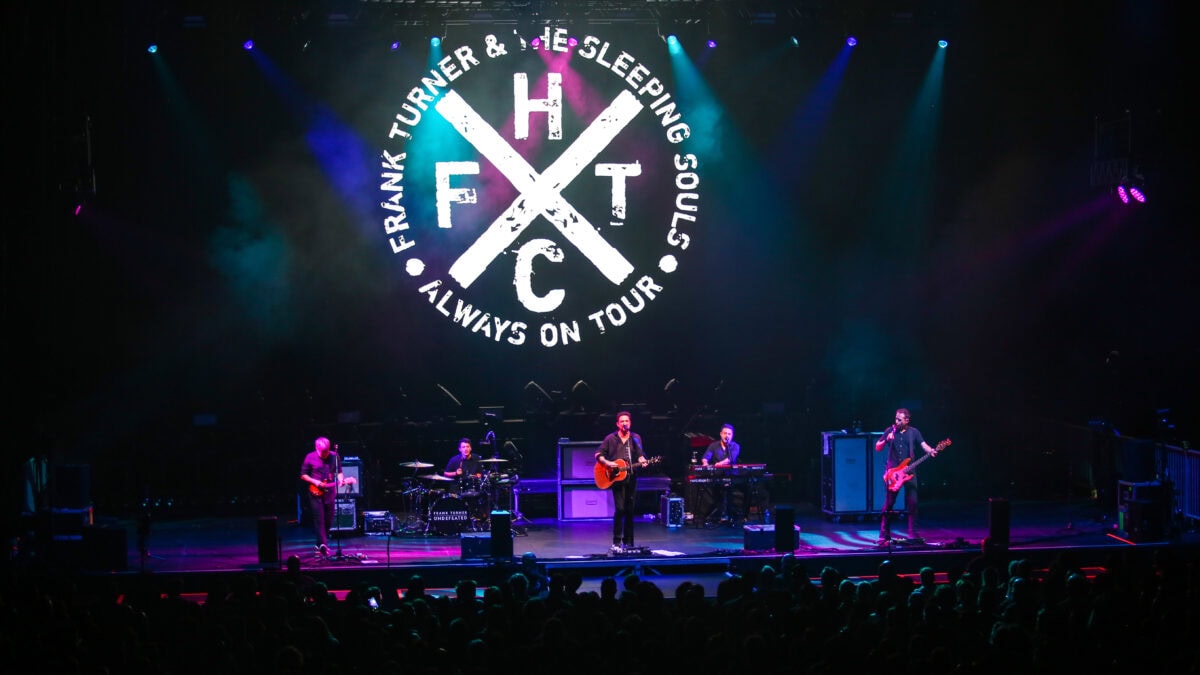
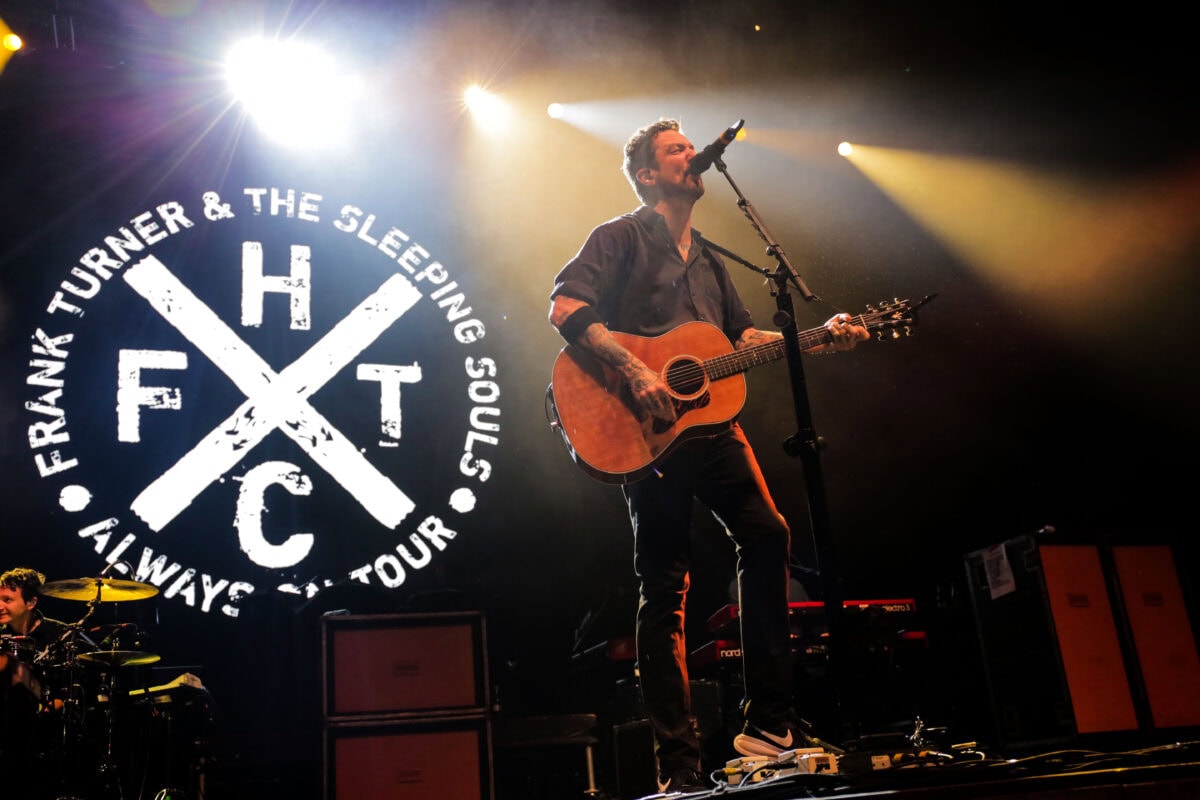
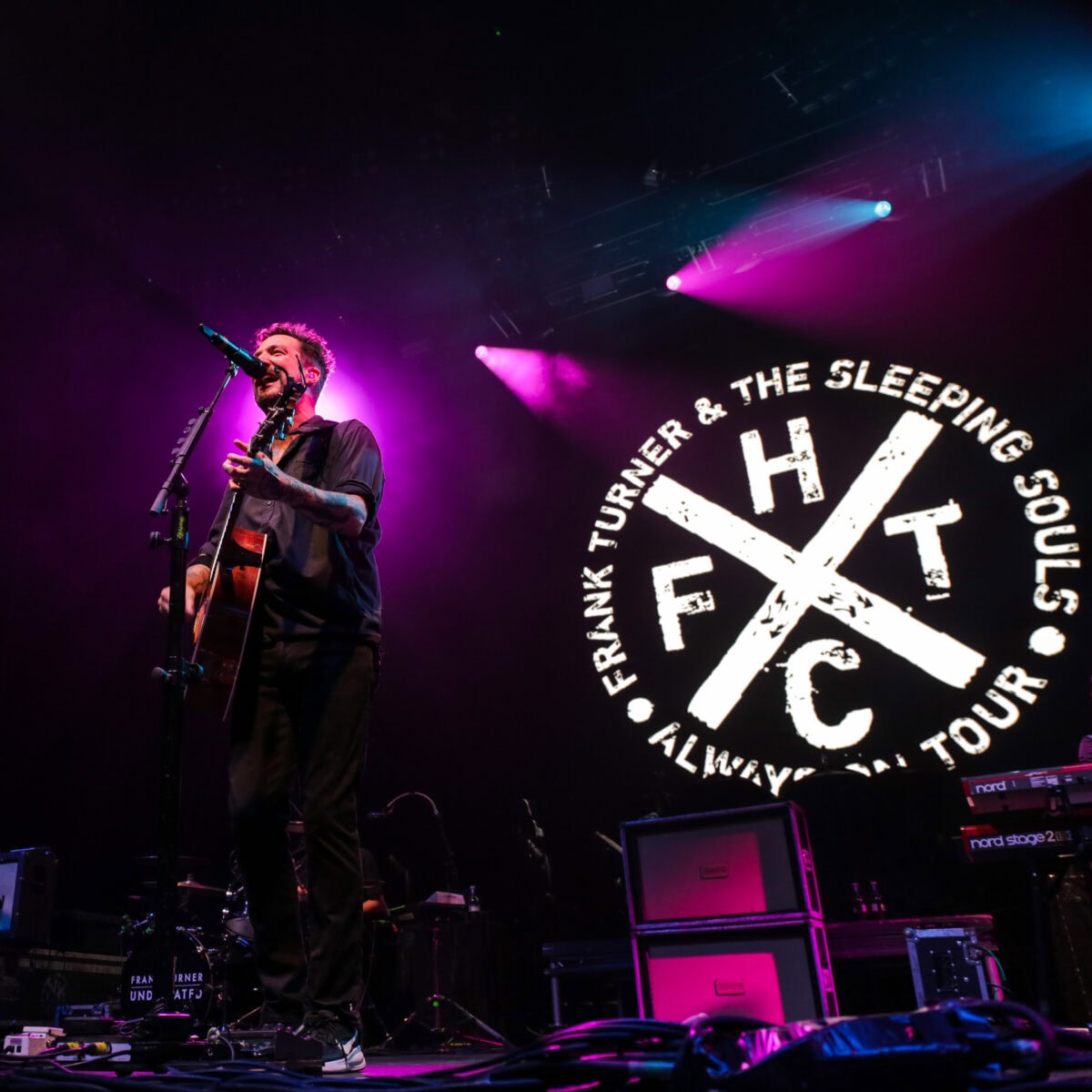
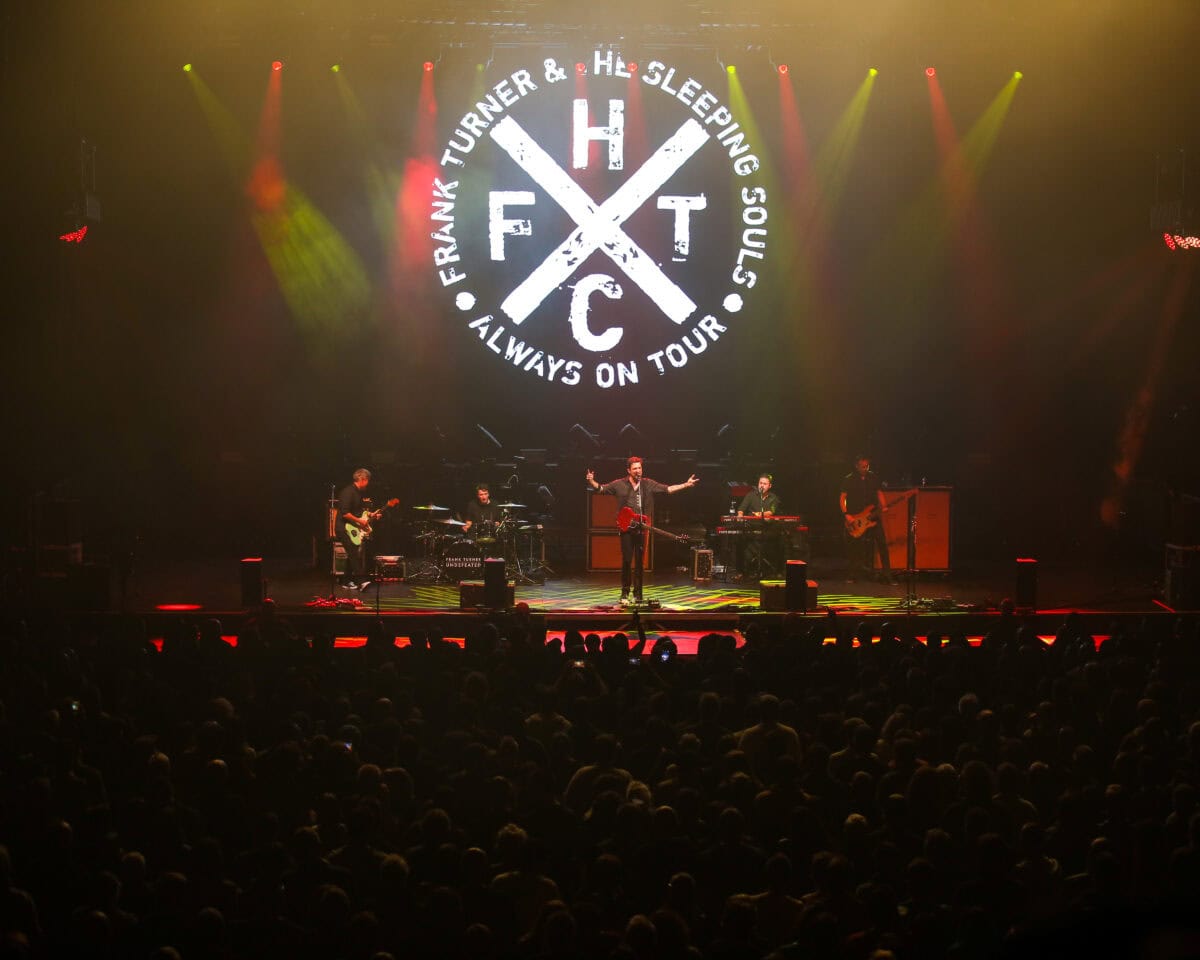
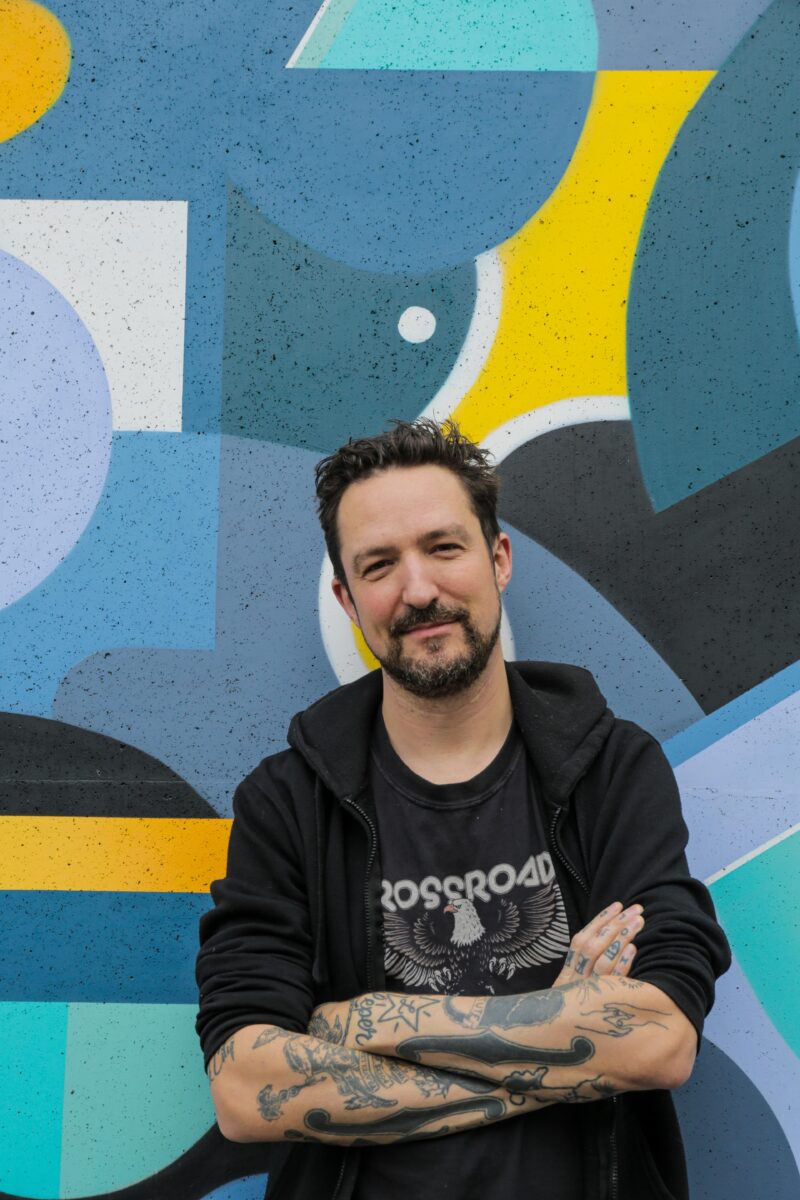
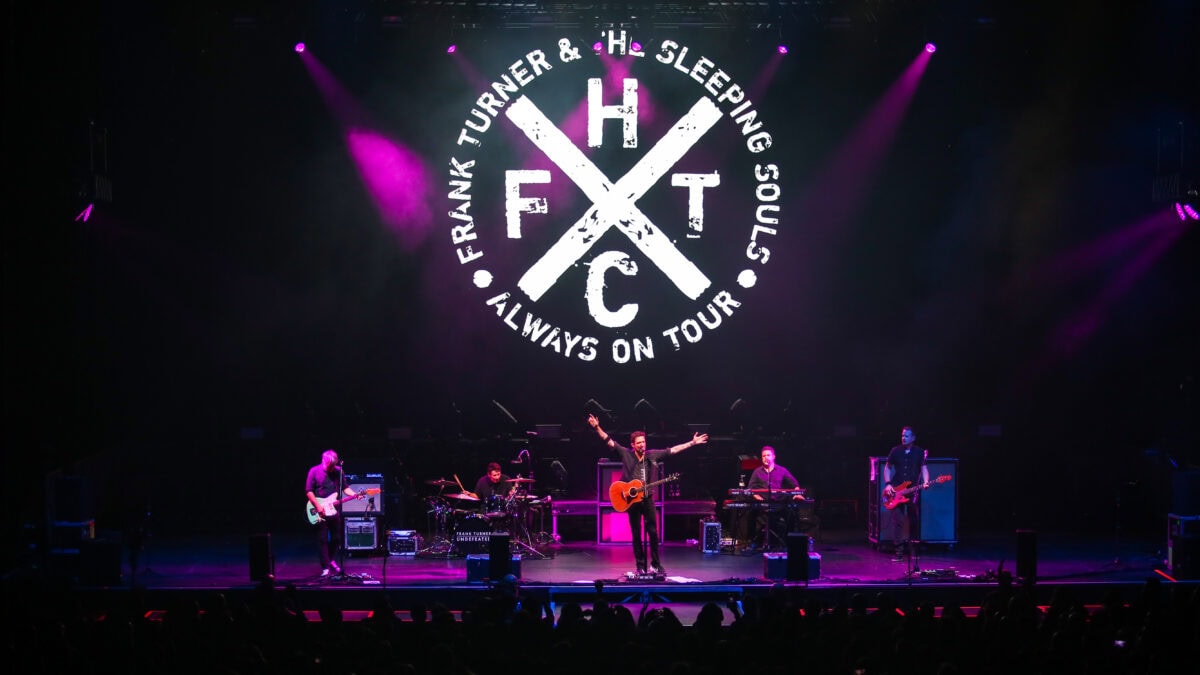
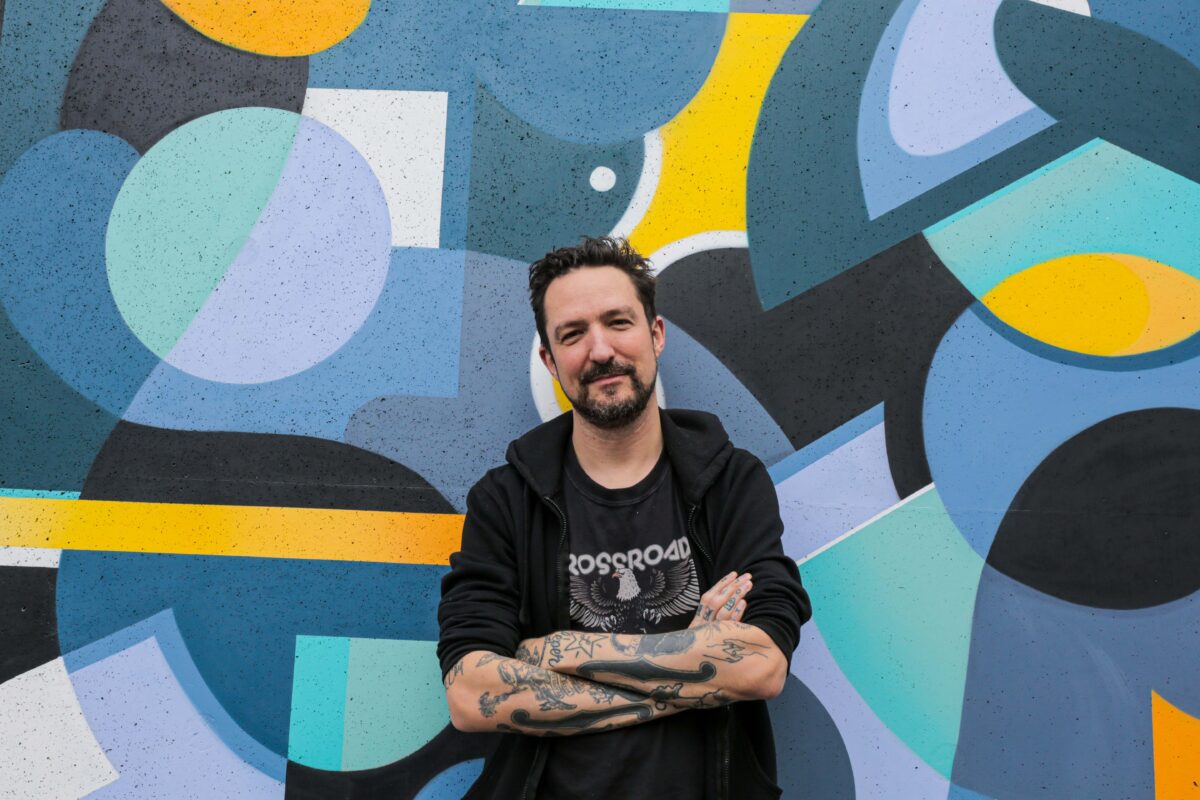
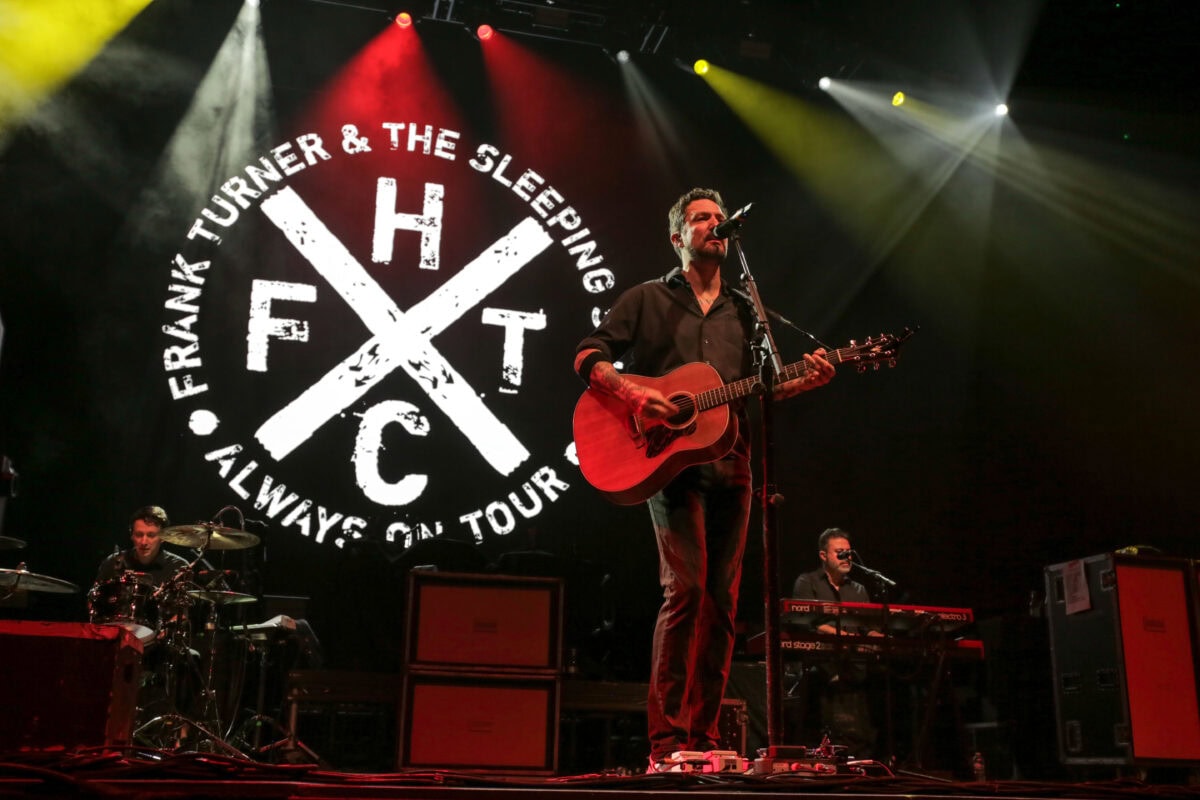
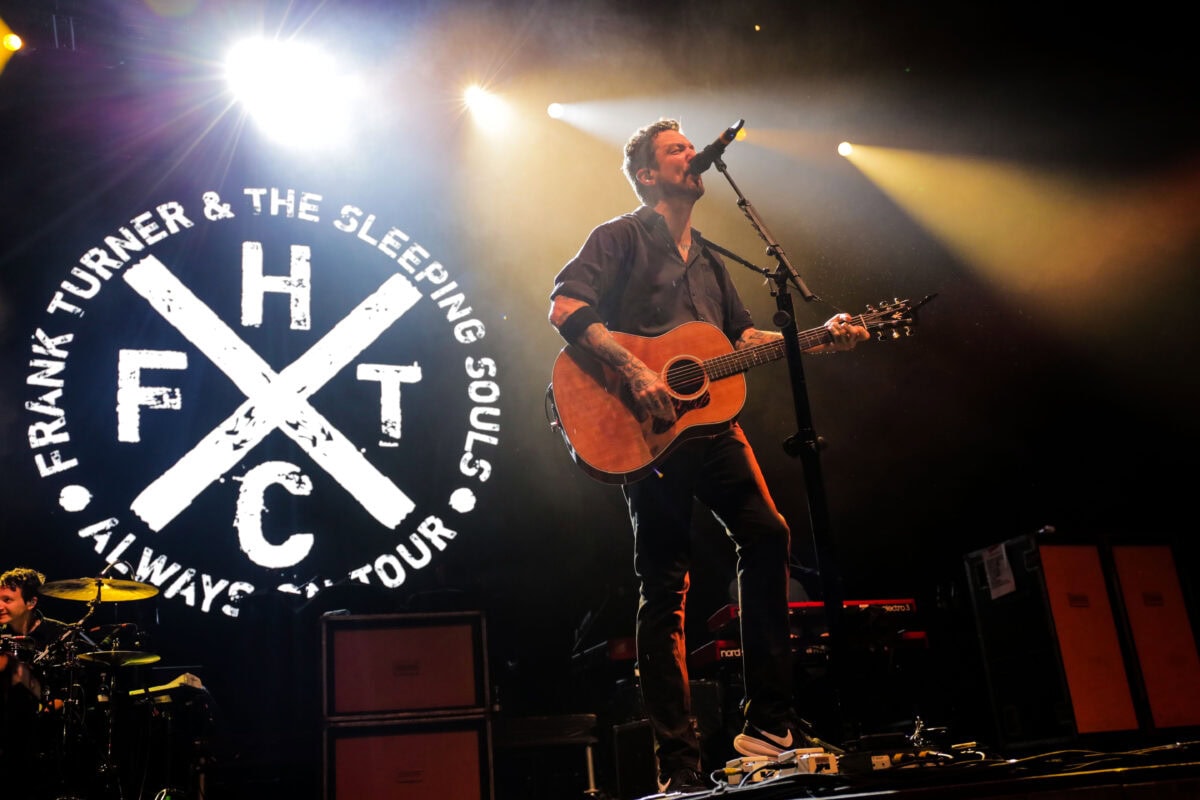
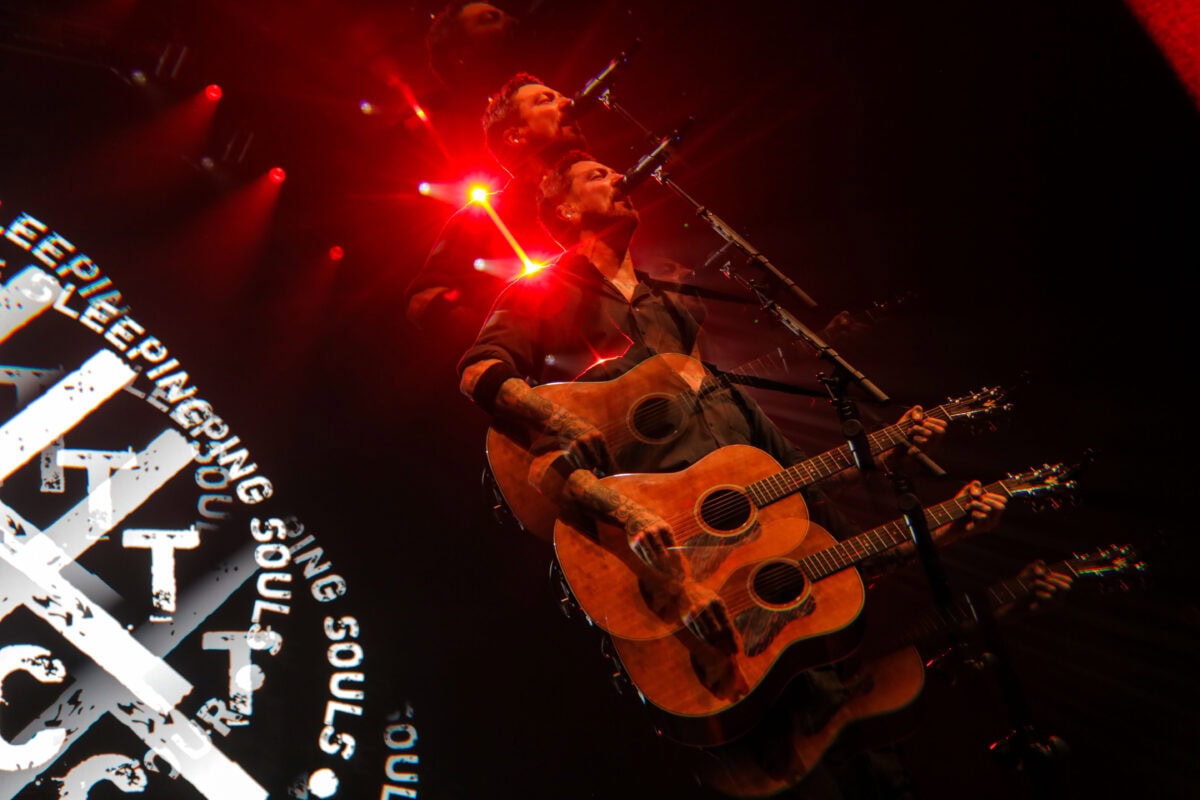
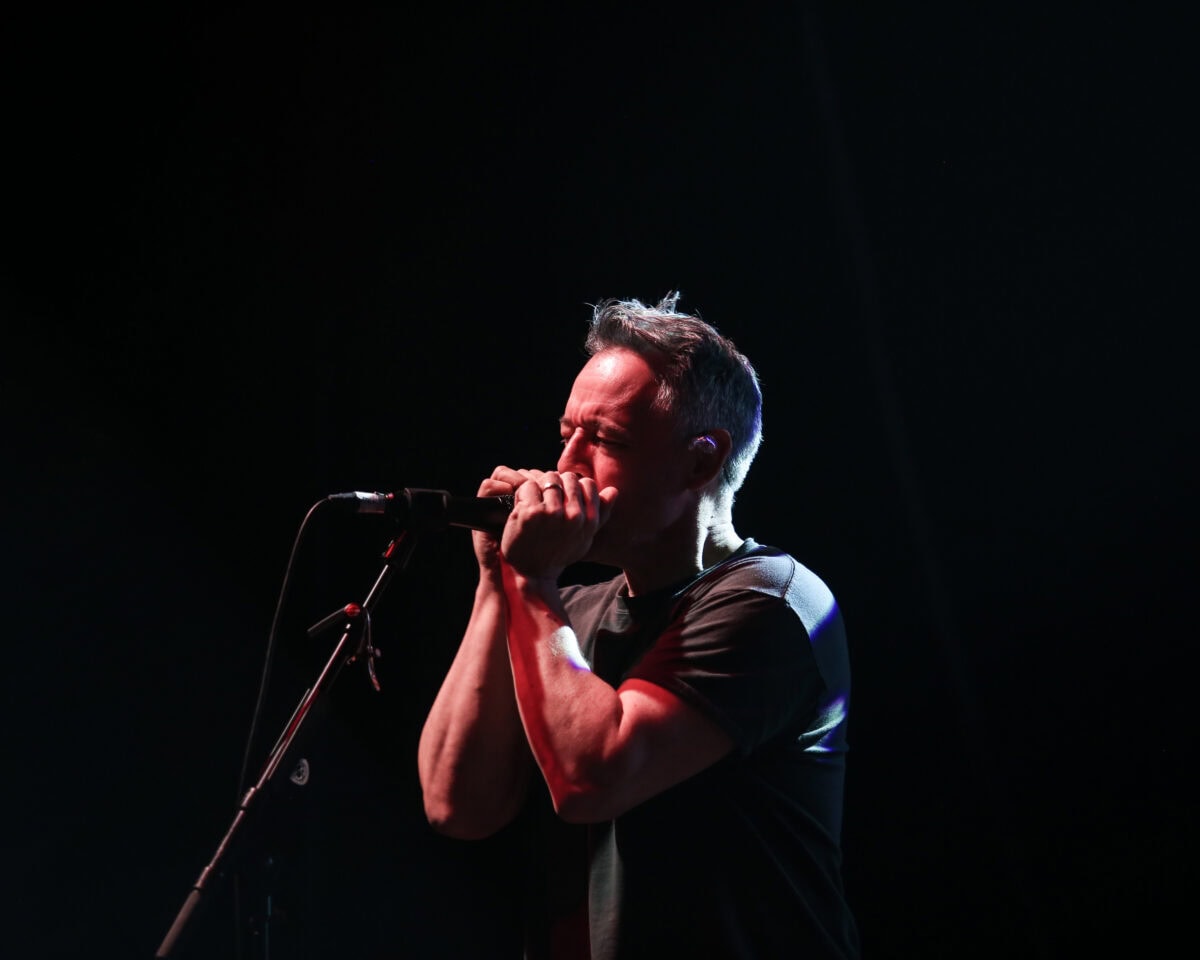
La Face B a retrouvé Frank Turner lors de son passage en France pour parler d’Undefeated, de ses vingt ans de carrière et de ce que ça fait d’avoir dix albums au compteur avec toujours la même flamme. Une discussion à son image : drôle, cash, et sans aucune tricherie. Avec l’énergie d’un éternel punk et la sagesse d’un gars qui a vu passer toutes les tempêtes, Frank revient sur son rapport à la scène, à l’écriture, au doute, et au plaisir simple de faire ce métier depuis deux décennies. Entre éclats de rire, confidences et coups de vérité, on vous propose un moment vrai, touchant et franchement jubilatoire avec un artiste qui ne se cache pas et qui n’a jamais cherché à être quelqu’un d’autre que lui-même.
Retrouvez également le travail d‘Alexia Arrizabalaga-Burns (sous le pseudo Troubleshooteur) sur son site et sur Instagram
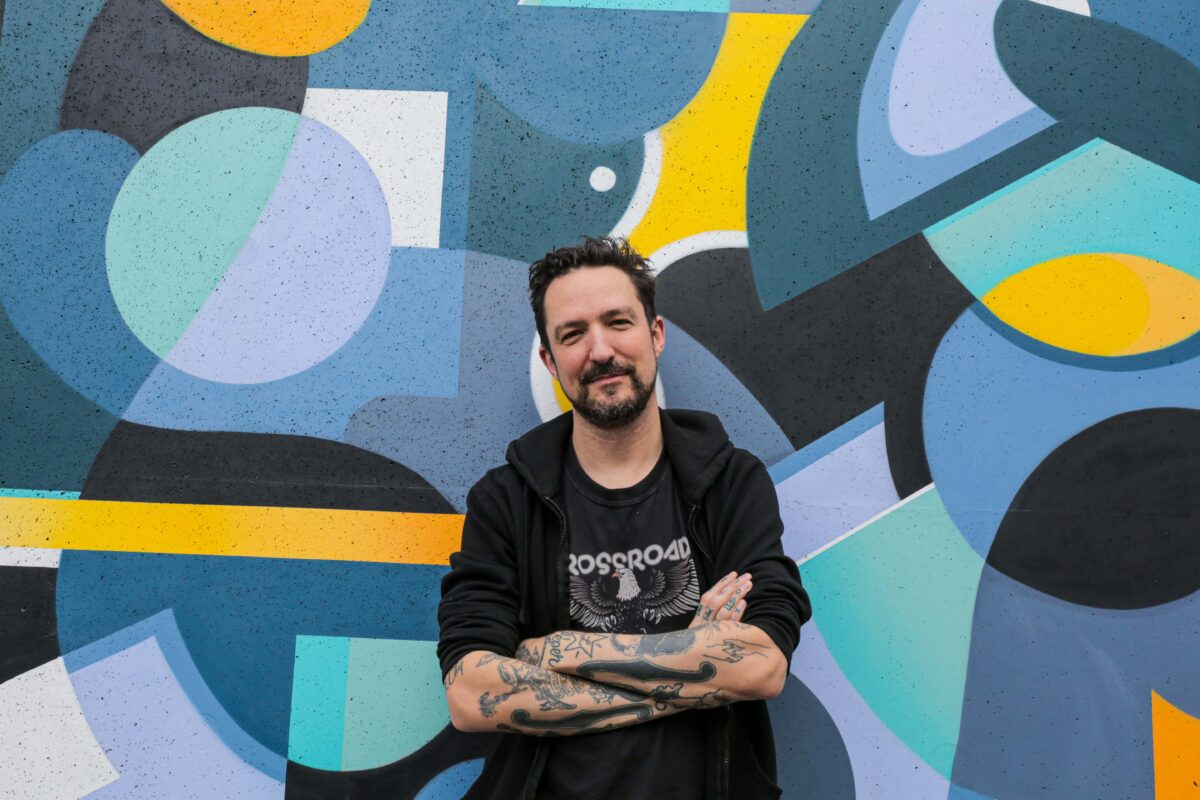
« Les gens me demandent souvent quel est le moment fort de ma carrière. Ma réponse ressemble à une esquive mais ce n’en est pas une : juste le fait que je sois encore là. Million Dead s’est séparé et je pensais que la musique, pour moi, c’était fini. J’aurais été heureux de faire deux albums — j’en ai fait dix. » Frank Turner
La Face B : Salut Frank ! Trop contente de te revoir. Tu repars en tournée avec les Dropkick Murphys — un partenariat devenu presque légendaire depuis 2012. Qu’est-ce que ça te fait de repartir sur la route avec eux après toutes ces années ?
Frank Turner : Ouais, 2012 c’était la première fois. Oh, c’est génial. Le premier jour de cette tournée, c’est comme une réunion de famille — le groupe, mais aussi toute l’équipe technique. Je crois que c’est notre quatrième tournée avec les Dropkicks. Et c’est marrant la façon dont celle-ci s’est organisée. J’ai juste envoyé un texto à Ken en mode : « Allez motherfucker, ça va être fun. » Il m’a répondu direct : « Oh merde, tu veux refaire ça ? T’es chaud ? » J’ai dit que oui, totalement. Il a dit : « Ok, faisons-le. » Pas du tout “industrie”, si tu vois ce que je veux dire.
La Face B : Quand tu tournes avec les mêmes groupes plusieurs fois, tu deviens vraiment une famille.
Frank Turner : Carrément. Et quand on a tourné avec les Dropkicks en 2012, ça a été un grand moment d’apprentissage pour moi. N’importe quel groupe qui débute et qui ne prend pas des notes en observant des groupes plus gros manque quelque chose. Tu devrais apprendre de ceux qui sont meilleurs et plus avancés. J’ai beaucoup plus d’expérience aujourd’hui, à des niveaux plus grands que ce que je faisais en 2012, mais je regarde encore leur show en me disant : « C’est stylé la façon dont ils font ça. » Ce n’est pas de la compétition, c’est de l’apprentissage. C’est de l’éducation.
La Face B : Beaucoup de groupes que j’ai interviewés disent avoir énormément appris en faisant les premières parties d’artistes plus établis, surtout lors de leurs premières tournées pros.
Frank Turner : Ouais, complètement. En 2003, mon ancien groupe ouvrait pour Pitchshifter — un super groupe. Avant ça, on jouait surtout dans des squats. On a tous regardé leur show le premier soir, et les mecs du groupe se sont tournés vers moi — j’étais juste chanteur — et m’ont dit : « Faut que tu regardes le public, mec. » Dans les squats, tu chantes vers la batterie ou tes pieds. Mais J.S. de Pitchshifter était un frontman incroyable — il arrivait sur scène et captait direct le public. Ils m’ont dit : « Tu dois faire comme lui parce qu’il est bien meilleur que toi pour ça. » Gros moment d’apprentissage.
La Face B : C’est drôle parce que toi aussi t’as été mentor. J’ai interviewé Justin Hayward Young de The Vaccines, il y a quelques mois, et il m’a dit que tu l’avais vraiment pris sous ton aile à ses débuts — que t’avais eu une grande influence sur son parcours.
Frank Turner : Eh bien… je veux dire, il n’a plus besoin de moi aujourd’hui. Il cartonne, et je l’adore ce mec. C’est vraiment adorable à entendre.
La Face B : Il l’a évoqué quand j’ai mentionné qu’on avait une connaissance en commun.
Frank Turner : J’ai écrit un vers sur lui dans une de mes premières chansons : « Justin, that’s the only one who’s ever going to make it. » Et j’avais putain de raison. Je suis content d’avoir vu juste.
La Face B : Voila les six degrés de séparation. Les gens que tu rencontres, qui sont gentils, qui t’aident et te motivent — ils t’aident à prendre ton envol.
Frank Turner : C’est cool. Content d’entendre ça. Ça me fait ma journée.




La Face B : J’aimerais parler de Undefeated. C’est ton premier album depuis un moment qui n’est pas sur une major.
Frank Turner : Mes quatre premiers étaient indépendants, ensuite j’ai fait cinq albums sous licence avec un major. C’est une distinction subtile mais importante — il y avait une couche de protection en plus entre moi et les gens en costard. Et j’ai fait quelque chose de très rare : j’ai terminé un deal avec une major.
Apparemment, seulement 5 % des groupes qui signent sur un major vont au bout, parce que tu signes pour un nombre d’années, et 95 % sont virés ou se séparent avant la fin. Moi, j’ai terminé.
Le service juridique était surpris. Ils m’ont envoyé des documents : « Voilà une extension, signe et on en refait cinq. » J’ai dit non. Ils m’ont d’abord envoyé un mail, puis appelé : « C’est quoi ce délire ? » J’ai dit que c’était cool, mais que ce n’était plus la bonne voie pour moi. J’ai rien de négatif à dire sur cette période — ça a servi son but à ce moment-là dans ma carrière. Mais là où j’en suis aujourd’hui, je veux faire différemment. Ils étaient choqués. « Personne ne fait ça. » J’ai dit : « Y’a un début à tout. »
La Face B : C’était un besoin de liberté créative ?
Frank Turner : Je n’ai jamais eu l’impression qu’on limitait beaucoup ma créativité. Parfois j’ai dû me battre pour avoir gain de cause — et j’ai gagné. Par exemple la production — j’ai produit Undefeated moi-même, et je ne suis pas sûr que j’aurais obtenu ça sans bataille dans un major. C’était agréable d’envoyer les infos et, par habitude, de m’attendre au combat et au pushback. Le label indépendant m’a juste dit : « Ouais, cool, c’est génial. » J’étais là : « Ah ouais ? Sérieux ? » C’était un album super joyeux à faire.
La Face B : Comment tu décrirais Undefeated musicalement ou émotionnellement ?
Frank Turner : C’est un disque un peu nostalgique. Je n’écris pas de concept albums, mais globalement, ça parle d’évaluer où j’en suis aujourd’hui comparé à où je pensais être quand j’étais gosse. Je suis tombé sur un fanzine que j’avais écrit à 16 ans — la pire chose de l’univers, et personne ne le lira jamais. Mais j’étais furieux contre le monde, persuadé d’avoir raison sur tout. J’étais dans une vibe Against Me! genre « les groupes ne devraient jamais jouer dans des salles avec une scène », super critique, idéologue, idéaliste. C’est adolescent, mais y’avait une pureté d’intention.
J’ai réalisé que quand j’ai de l’anxiété, j’ai des débats silencieux dans ma tête, très développés — et je les perds parfois. Ma thérapeute m’a demandé : « Mais avec qui tu débats ? » Et j’ai compris que je débattais avec mon moi de 16 ans. J’étais straight edge, aujourd’hui j’ai fait une cure. Beaucoup de choses ont changé. La chanson « Ceasefire » vient de là. Mais en même temps, c’est mon 10ᵉ album. J’ai survécu au monde des majors, je tourne toujours, j’ai fait 3 000 concerts — tout ça semblait hautement improbable. Et j’en suis fier.
La Face B : C’est une étape importante.
Frank Turner : Les gens me demandent souvent quel est le moment fort de ma carrière. Ma réponse ressemble à une esquive mais ce n’en est pas une : juste le fait que je sois encore là. Million Dead s’est séparé et je pensais que la musique, pour moi, c’était fini. Quand mon premier album solo n’a pas explosé, j’ai cru que c’était aussi la fin. J’aurais été heureux de faire deux albums — j’en ai fait dix. C’est un privilège. Il y a beaucoup de chance, mais j’ai aussi travaillé très dur.
La Face B : Parfois il faut célébrer ce qu’on a accompli — s’arrêter et apprécier.
Frank Turner : Oui, faut savoir regarder en arrière.



La Face B : Parlons de quelques morceaux. « Nevermind the Back Problems » est tellement fun — super punchy, moins d’une minute trente, avec presque une vibe ska. Comment est née cette chanson ?
Frank Turner : Pour être honnête, j’ai écrit la musique quand j’avais 14 ans — la suite d’accords et la mélodie. Mon tout premier groupe avait une démo, que je ne partagerai jamais parce qu’elle s’appelait « Hippies Deserve to Die ». Y’a une ligne qui dit « nevermind the back problems » — dans la version originale c’était « Bob Dylan’s almost dead ». Y’a un côté grinçant, ce qui me fait marrer. Je suis retombé dessus en fouillant de vieilles affaires et j’ai trouvé que la vibe était cool — il fallait juste réécrire les paroles.
La Face B : Le flow est incroyable. Je pense que tu ne pouvais pas la faire beaucoup plus longue avec cette vitesse.
Frank Turner : C’est épuisant, ouais. Mais je pense toujours à un truc quand j’écris — la plupart de mes titres font trois minutes — mais une de mes chansons préférées, « Fix Me » de Black Flag, dure 41 secondes. Deux couplets, deux refrains. Est-ce qu’il faut plus de 41 secondes pour dire ce que t’as à dire ? Black Flag ne le pensait pas.
La Face B : J’habitais à East Finchley, donc je dois absolument te demander la ballade, « East Finchley » — c’est quoi l’histoire ?
Frank Turner : Les parents de ma première vraie copine vivaient à East Finchley. Elle était à moitié africaine, à moitié chinoise. À l’époque j’étais en internat et je détestais ça. Je fuguais souvent, et ils me laissaient rester chez eux même quand elle n’était pas là. Plus d’une fois, tard le soir à Londres, j’avais raté le dernier train, et ils me disaient juste : « Viens dormir. » C’était un refuge à une période où j’étais complètement éloigné de mes parents, qui ne vivaient pas non plus à Londres. C’était juste un endroit où je pouvais aller. Et à l’époque, il n’y avait pas les barrières de tickets à l’arrière de la station, donc tu pouvais entrer sans payer —
La Face B : Oui ! À côté du Red Lion.
Frank Turner : Exactement. Le long passage. Pas de barrières sur cette sortie, donc si tu savais comment faire, tu passais gratos. J’avais 15-16 ans, j’étais fauché, donc c’était vraiment utile. Je n’ai pas passé beaucoup de temps là-bas depuis, donc tout est figé dans ma mémoire. La chanson parle de ce moment-là, et de comment tout a changé — maintenant il y a des barrières, je n’y vais presque plus. Je pense aussi aux lettres qu’on s’écrivait, tous les rêves qu’on avait. D’une certaine façon… je n’ai pas un boulot de bureau. J’étais tellement catégorique enfant que je ne ferais jamais un job de bureau comme mon père. Et je ne l’ai pas. Donc victoire. Elle vit en Afrique du Sud maintenant et fait des documentaires sur les réfugiés.
La Face B : J’adore « The Girl from the Record Shop ». C’est super années 90, hyper hymnique — un truc qu’on peut hurler dans une salle. Très nostalgique.
Frank Turner : L’histoire est un peu un mélange de différentes choses, mais à l’adolescence j’étais hyper maladroit et incapable de parler aux filles qui me plaisaient. Si une fille travaillait dans un magasin de disques, c’était fini — pas dans ma ligue. Mais c’est aussi juste un morceau fun.
La Face B : Oui, comme « Nevermind The Back Problems », c’est fun dans les paroles aussi.
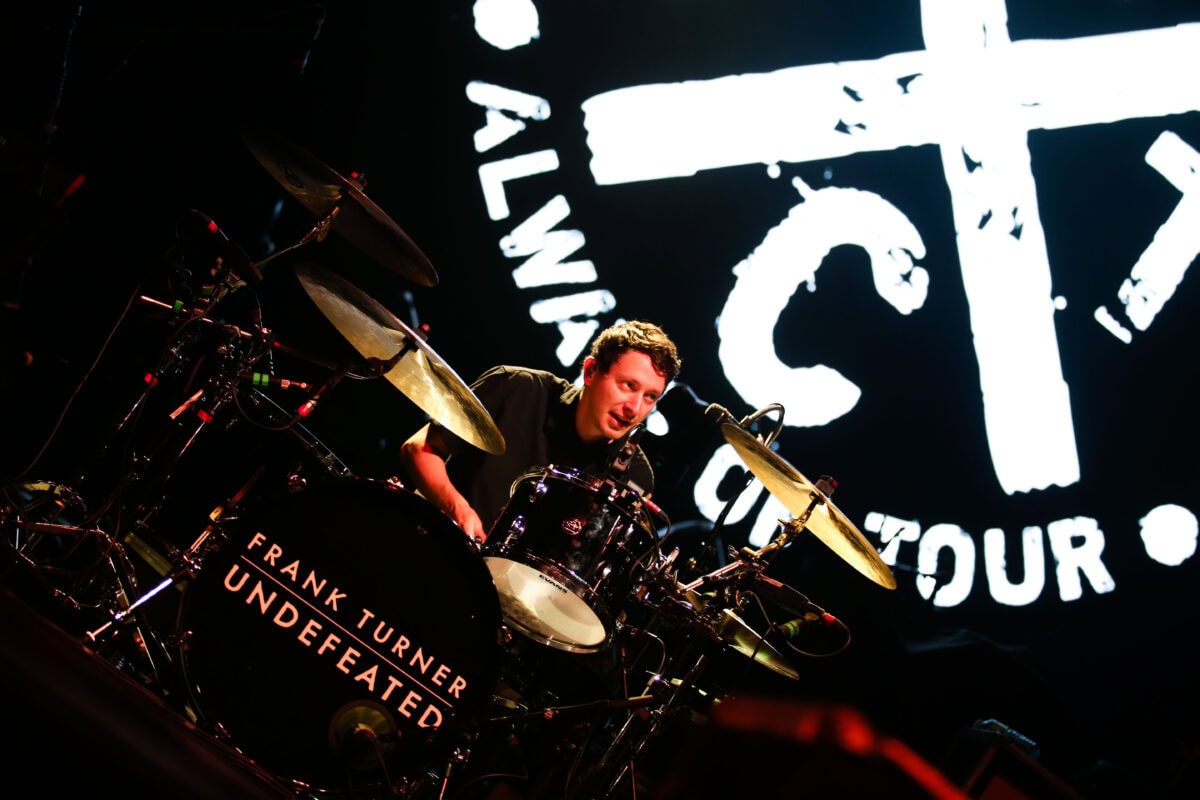
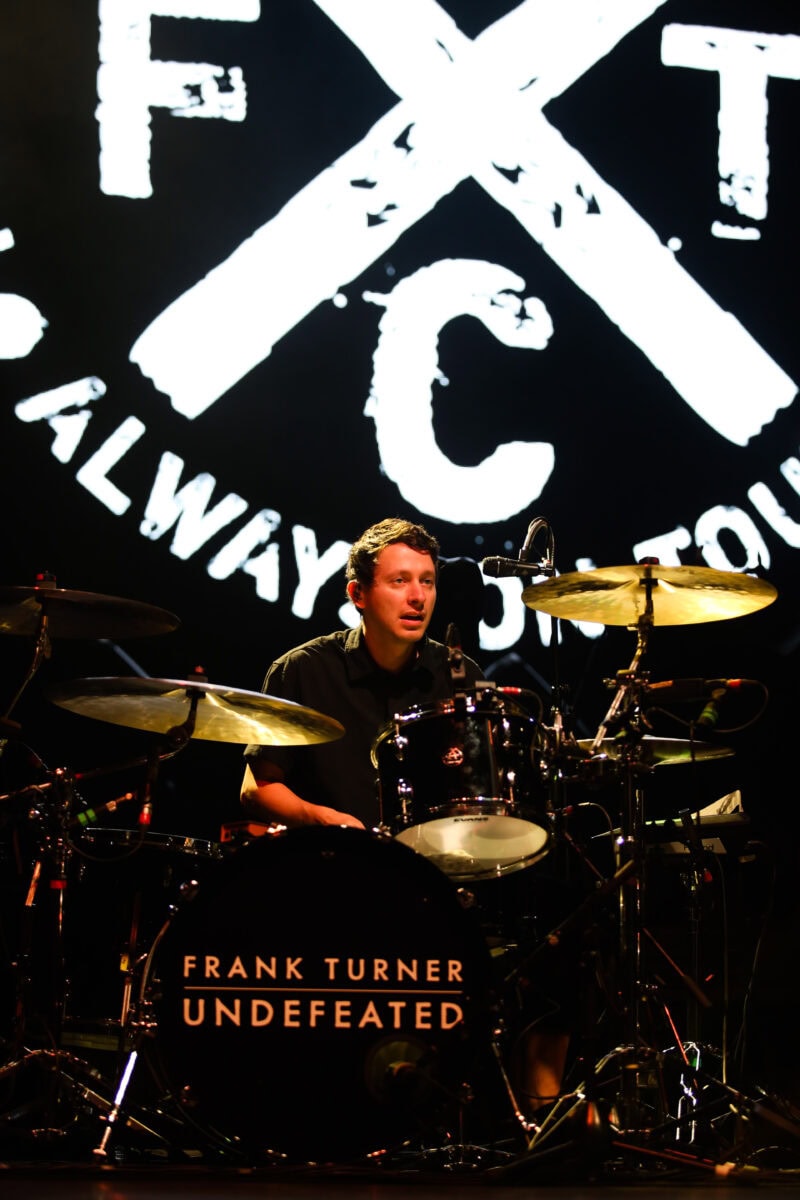
Frank Turner : Totalement. Je pense que c’est un truc avec cet album : mon groupe et moi, on s’amuse plus que depuis longtemps. Il y a plein de raisons — le label, et notre nouveau batteur, Callum, un peu plus jeune que nous tous, et tellement enthousiaste. Je ne veux pas dénigrer l’avant, mais ça fait du bien de l’avoir dans le groupe. Il a apporté de la légèreté aux répétitions. Le disque a un vrai élan.
La Face B : Tu as aussi des titres comme « The Leaders », plus politique.
Frank Turner : Oui, ça penche dans cette direction.
La Face B : Comment tu trouves l’équilibre entre transmettre un message et garder une grosse énergie ?
Frank Turner : Je me méfie un peu de l’idée de transmettre des messages en musique. « The Leaders » est clairement un morceau à message, mais ce n’est pas quelque chose que je fais souvent, parce que je peux me contredire mentalement mille fois. Je ne suis pas assez sûr de moi sur beaucoup de sujets pour prêcher. Je doute de tout. Mais j’ai une règle assez large : si tu commences à appeler un politicien par son prénom, t’es foutu. Ce n’est pas Boris, ce n’est pas Jeremy — ce ne sont pas tes potes. Leur job, c’est de gouverner. Ce morceau existe sous différentes formes depuis un moment. Il a un côté Clash.
Vieillir, c’est devenir moins sûr de ce que tu penses du monde. Tu apprends plus, tu réalises que tout est complexe. Mais tu peux aller trop loin. J’étais presque arrivé à un point où je pouvais contredire toutes mes propres convictions, ce qui est trop. Il y a une ligne dans « No Thankful Music » — « I’m surprised to report » — et ça parle de ça. Ce moment où tu te dis : ok, malgré tout, je crois quand même en tel ou tel truc.
La Face B : De plus en plus d’artistes UK s’expriment politiquement, mais pas que
Frank Turner : Oui, totalement. Pour moi c’est toujours une question de voix individuelle. C’est bien que les artistes parlent politique, et je le fais parfois. Mais je trouve un peu inquiétant quand des jeunes n’ont de l’intérêt pour la politique que via des groupes. Parce que les groupes, ce n’est pas la politique. La politique est bien plus complexe. C’est ok de parler de l’Ukraine ou de Gaza pour pointer l’attention sur des sujets et diriger les gens vers de meilleures sources. Mais si ta seule source, c’est des groupes, ça me fout un peu la trouille.
La Face B : J’ai interviewé Nova Twins à Paris — elles sont incroyables. On a parlé empowerment, diversité, unité, et aussi de comment elles perçoivent le Royaume-Uni aujourd’hui. C’est rafraîchissant d’être dans une salle et de voir comment la musique rassemble.
Frank Turner : Ouais, elles sont géniales ! Je pense très fort que le pouvoir le plus intéressant de la musique, c’est celui de la réunification. Je suis plus intéressé par la capacité de la musique à rassembler qu’à diviser.
La Face B : Tu as annoncé The Next 10 Years — 29 titres mélangeant live et studio. C’est costaud.
Frank Turner : Ouais. Au début, avant mon premier album, j’avais plein d’EPs, splits, compils, et à un moment c’était dur de tout trouver au même endroit, surtout physiquement.
Black Flag avait un disque The First Four Years, donc j’ai fait The First Three Years — un clin d’œil à Black Flag, mon groupe préféré. Ensuite, trois ans après, j’avais encore plein de trucs, donc The Second Three Years, puis The Third Three Years, puis 10 for 10 et un coffret The First 10 Years.
Puis on s’est calmés avec le délire « years ». Mais il y a six mois, j’en ai parlé à mon manager — beaucoup de titres ne sont pas sur les albums. Il fallait en faire quelque chose. Le temps avait passé depuis la période « 10 years », donc : The Next 10 Years. Y’a des B-sides, des versions alternatives, du live — 29 titres.
La Face B : Ton processus d’écriture a beaucoup changé avec le temps ?
Frank Turner : Superficiellement, oui. L’écriture, c’est de l’art et de l’artisanat. Et je suis bien meilleur dans l’artisanat avec l’expérience. Pas sûr que tu puisses pratiquer l’art en tant que tel, même si tu peux t’entraîner à te mettre dans la posture pour être inspiré. Mais il y a quelque chose d’éphémère au cœur de l’écriture, et heureusement. Si ce n’était que du bricolage, ce serait moins intéressant. J’attends que des choses m’obsèdent suffisamment pour en faire une chanson.
Une fois les chansons écrites, le processus est clair : je fais une démo seul, je la montre au groupe, on bosse l’arrangement. On essaie souvent une alternative pour chaque morceau. On fait deux ou trois démos de groupe, que je mixe, puis on va en studio. Mais l’écriture en elle-même ? Parfois une journée, parfois un an. Parfois les paroles d’abord, parfois la musique, parfois les deux. Pas de règle. Une fois que j’ai du matériau, ça devient plus méthodique.
La Face B : Un livre que tu recommanderais à tes fans ?
Frank Turner : Un livre que je recommande toujours : Cultural Amnesia de Clive James. Je l’ai lu il y a longtemps, je l’ai relu plusieurs fois. Il m’a complètement réorganisé le cerveau.

La Face B : Après toutes ces tournées, toutes ces chansons et toutes ces aventures, qu’est-ce qui te rend encore le plus heureux à la fin de la journée ?
Frank Turner : On a fait un super concert à Lyon hier, et j’étais vraiment heureux après coup parce que mon groupe et moi, on a super bien joué. On s’est connectés au public. Ils ne nous connaissaient pas trop au début, et ils nous connaissaient vraiment quand on a fini. On a fait le job. J’ai parlé français, chanté en français. Tout le monde a passé un super moment. C’était une soirée joyeuse.
La Face B : Et en dehors des tournées, qu’est-ce qui te rend heureux ?
Frank Turner : Marcher dans Londres, lire, passer du temps avec ma copine.
La Face B : C’est quoi la suite pour toi après cette tournée ?
Frank Turner : Le prochain truc dans mon agenda, c’est une tournée de réunion de Million Dead en décembre. Mon ancien groupe se reforme — ça demande beaucoup de boulot, et ça me fait un peu flipper. Je suis excité, mais je chantais beaucoup plus aigu à l’époque, donc je dois beaucoup bosser.
La Face B : Ravie de t’avoir rencontré.
Frank Turner : Ravi de te rencontrer aussi. Merci beaucoup.
Toujours plus d’interviews et de photos de concerts dans La Face B
De plus, suivez Frank Turner sur Spotify, en live ou sur Instagram
Enfin, retrouvez les articles d‘Alexia Arrizabalaga-Burns dans La Face B
Version en Anglais
La Face B: Hello Frank! Great to see you again. You’re touring with Dropkick Murphys once more—a partnership that’s become somewhat legendary since 2012. What’s it like sharing the road with them after all these years?
Frank Turner: Yeah, 2012 was the first time. Oh, it’s great. The first day of this tour is like a family reunion—the band, but also the crew. I think this is our fourth tour with Dropkicks. It was funny how this one came together. I just texted Ken and was like, « Come on motherfucker, it’ll be fun. » He came straight back: « Oh fuck, do you want to do it again? Are you up for it? » I said yeah, totally. He said, « Okay, let’s do it. » Very not industry, you know what I mean?
La Face B: When you tour with the same bands repeatedly, you really do become a family.
Frank Turner: Absolutely. And when we first toured with Dropkicks in 2012, that was a really big learning moment for me. Anyone in a band that’s coming up who isn’t taking notes from bigger bands is missing a trick. You should learn from people who are better and further along. I’ve been doing it for much longer and at bigger levels than I was in 2012, but I still watch their show and think, « That’s pretty cool the way they do that. » It’s not competition, it’s learning. It’s education.
La Face B: Many bands I’ve interviewed say they learned so much from supporting bigger acts, especially on their first professional tours.
Frank Turner: Right, yeah, completely. Back in 2003, my old band opened for Pitchshifter—great band. Before then, we’d only really played squat shows. The whole band watched the first night, and the rest of the band turned to me—because I was just a singer—and said, « You’ve got to look at the audience, dude. » At squat shows, you just sing at the drum kit or at your feet. But J.S. from Pitchshifter was an amazing frontman—just runs straight on stage engaging the audience. They all looked at me and were like, « You need to copy him because he’s way better at this than you. » It was a big learning moment.
La Face B: It’s interesting because you’ve been a mentor as well. I interviewed Justin Hayward Young (From the Vaccines) a few months ago, and he said how much you took him under your wing when he started out—that you had a big influence on his music journey.
Frank Turner: Well, I mean, not that he needs me anymore. He’s killing it, and I love that guy. That’s really lovely to hear.
La Face B: He mentioned it when I said we had one person in common.
Frank Turner: I wrote a lyric about him in one of my early songs— »Justin, that’s the only one who’s ever going to make it. » And I was fucking right. I’m very pleased I called that one.
La Face B: It’s like six degrees of separation. The people you meet along the way who are kind, who put you under their wing and motivate you—they help you fly on your own.
Frank Turner: That’s cool. Glad to hear that. It made my day.
La Face B: I want to talk about Undefeated. It marks your first record in a while not on a major label.
Frank Turner: My first four were independent records, then I did five records licensed to a major. That’s a small distinction, but it’s important—there was an extra layer of protection between me and the suits. I did a very rare thing: I completed a major label deal. Apparently something like 5% of bands who sign a major label deal actually complete it because you sign for X number of years, and 95% either get dropped or break up before they reach the end. I finished it.
The legal department was quite surprised. They sent over documents saying, « Here’s an extension, just sign this and we’ll do another five. » I said no. They emailed me initially, then called: « What the fuck are you talking about? » I said it’s been great, but I don’t think it’s the right thing for me going forward. I have no bad things really to say about that period—it served its purpose at a certain point in my career. But where I stand now, I want to go a different route. They were speechless. They were like, « No one does this. » I said, « There’s a first for everything. »
La Face B: Was it more driven by creative freedom?
Frank Turner: I don’t really feel like my creative freedom was much restrained with the major label. There were a couple of occasions where I had to fight quite hard to get my way—but I did, and I won. Like producing—I produced Undefeated myself, and I’m not sure I would have gotten that without a fight on the major. It was quite nice sending information off and, out of force of habit, expecting the battle and pushback. The label just went, « Yeah, cool, that’s brilliant. » I was like, « Oh wow, really? This is fucking easy. » It was a really joyous record to make.
La Face B: How would you describe Undefeated in your own words, musically or emotionally?
Frank Turner: It’s a nostalgic record in some ways. I don’t write concept records, but broadly speaking, it’s about evaluating where I am now versus where I thought I would be when I was a kid. I stumbled across a zine I wrote when I was 16 years old—the worst thing of all time, and no one will ever read it. But I was furious at the world, very sure I was right about everything. I was on that Against Me! train of « bands should never play venues with stages, » super judgmental and critical and ideological and idealist. In many ways, a lot of that’s silly and adolescent, but there’s a purity of intention to it.
I realized years ago that when I have anxiety issues, I tend to have these silent, fully developed debates in my head, which I sometimes lose. My therapist asked this smart question: « Who are you debating? » I realized I’m debating my younger self. I was straight edge then, and I’ve been to rehab. There are a lot of things that have happened in my life and ways I live now that my 16-year-old self would initially be judgmental of. The song « Ceasefire » came out of that. But the flip side is, it’s my 10th record. I survived the major label world, I’m still touring, I’ve done 3,000 shows—all of which seems vanishingly unlikely. And I’m really proud of it.
La Face B: It’s like a milestone moment.
Frank Turner: People often ask what my career highlight is. My answer, which sounds like a dodge but isn’t: it’s just the fact I’m still doing it. Million Dead broke up and I thought music was done for me. When I did my first solo album and it didn’t blow up the world, I thought maybe that was the end. I would have been happy if I got to make two albums—I made 10. It’s a privilege, and there’s a lot of luck involved, but it’s also something I worked really hard for. And I’m proud.
La Face B: Sometimes we should celebrate what we’ve accomplished—pause and appreciate it.
Frank Turner: Yeah, I think it’s okay to stop and look back.

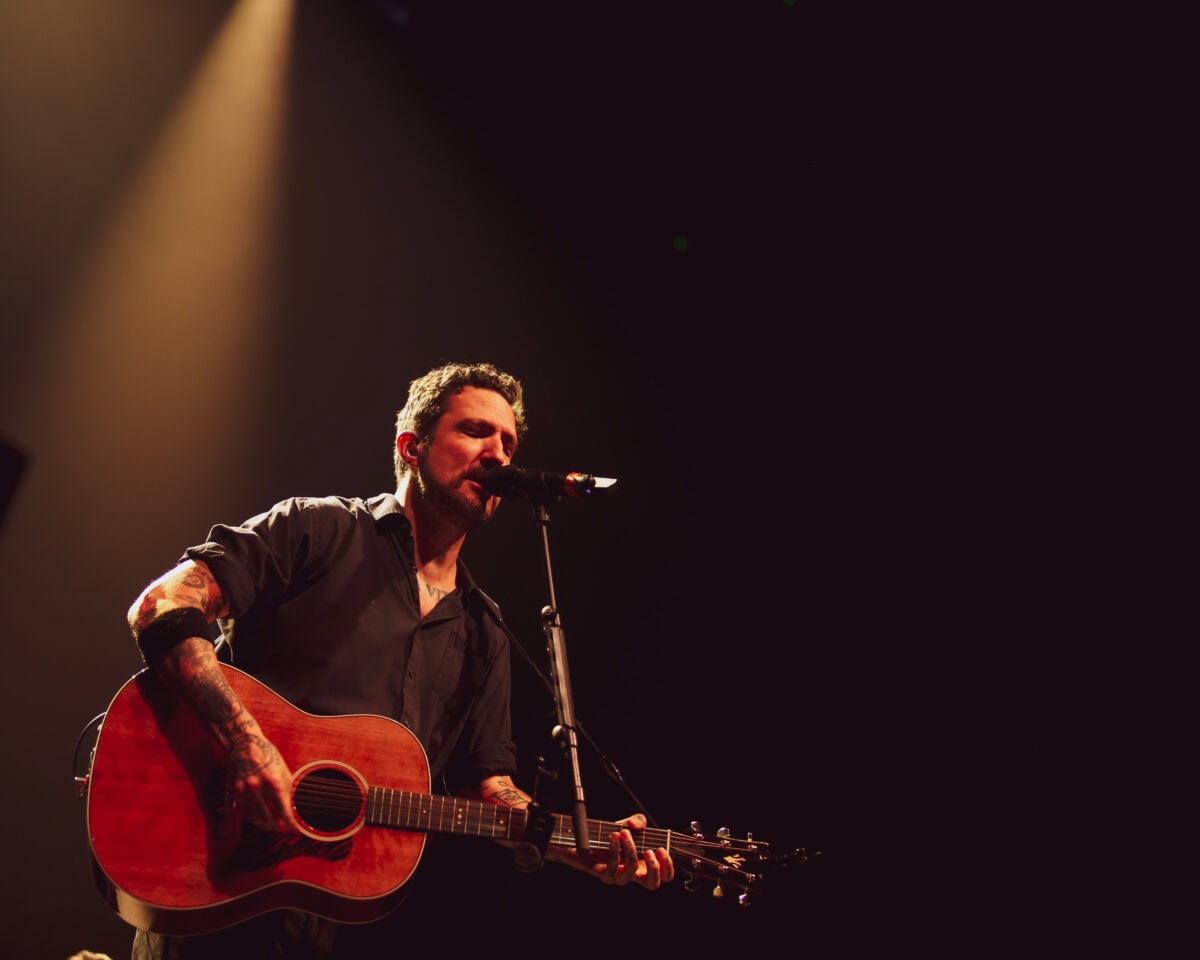
La Face B: Let’s dive into some tracks. « Nevermind the Back Problems » is such a fun track—really punchy at under a minute and a half, with a ska-like vibe. How did this one come together?
Frank Turner: The truth is I wrote the music for that song when I was 14—the chord sequence and melody. My very first band had a demo of it, which I’m not about to share with the world because it was called « Hippies Deserve to Die. » There’s a line in the middle where it says « nevermind the back problems »—in the original version at that point it was « Bob Dylan’s almost dead. » It’s got a certain snarl to it, which I think is quite funny. I stumbled across it while going through old stuff and thought, that’s a cool vibe for a song, I just need to rewrite the lyrics.
La Face B: The flow is amazing. I don’t think you could have made the song much longer because of the speed and stamina required.
Frank Turner: It’s a tiring one, yeah. But I always think when I’m writing songs—and the vast majority are around three minutes long—one of my favorite songs of all time is « Fix Me » by Black Flag, which is 41 seconds long. It’s got two verses and two choruses. Do you need more than 41 seconds to say what you have to say? Black Flag didn’t think so.
La Face B: As someone who used to live in East Finchley, I have to ask about the ballad « East Finchley. » What’s the story behind that song?
Frank Turner: My first serious girlfriend’s parents lived in East Finchley. She was half African, half Chinese actually. I was at boarding school at the time and hated it. I ran away all the time, and they let me stay with them even if she wasn’t there. There was more than one occasion when it was late at night in London, I’d missed the last train or something, and they were just like, « Come and stay. » It was a refuge at a point in my life when I was completely alienated from my parents, who didn’t live in London either. It was just this place I could go.
And there didn’t used to be ticket barriers on the back entrance, so you could jump in without paying—
La Face B: Yeah! Next to the Red Lion.
Frank Turner: Exactly. The long pathway. They didn’t have barriers on that exit, so if you knew what you were doing, you could go without paying. I was 15, 16 years old and broke, so that was really useful information. I’ve not spent much time in East Finchley since then, so it’s very crystallized in my memory. The song is about looking back on that period and how things have changed—there are ticket barriers now, I don’t go there very often. I think about the letters we used to write each other when we were kids, all the hopes and dreams. In some ways—I mean, I don’t have an office job. I was so adamant as a kid that I wouldn’t have an office job like my dad. And I don’t. So, victory. She lives in South Africa now and makes documentaries about refugees.
La Face B: One of my favorites is « The Girl from the Record Shop. » It’s super ’90s and very anthemic—something you can really shout in a venue. It feels really nostalgic.
Frank Turner: That story is slightly an amalgam of different things, but when I was in my middle teens, I was extremely awkward and bad at talking to people I fancied. If there was a girl who worked in a record shop, it’s just like, well, it’s over—she’s out of my league. But it’s also just a fun song.
La Face B: Yeah, musically as well, like « Back Problems »—lyrically it’s fun.
Frank Turner: Definitely. I think that’s one of the things with this record: my band and I are having more fun than we have in a while. There’s a bunch of reasons for that—the label, and we have a new drummer, Callum, who’s a bit younger than the rest of us and just so excited about everything. I don’t want to speak ill of the past, but it’s very nice having him in the band. He brought a lightness and light-heartedness to the rehearsal sessions. There’s a spring in the step on this record.
La Face B: You still have tracks like « The Leaders, » which is more political.
Frank Turner: Yeah, it’s leaning in that direction.
La Face B: How do you find the balance between delivering a message and keeping the energy high?
Frank Turner: I’m slightly wary of the idea of delivering messages in songs generally. Obviously « The Leaders » is a message song, but it’s not something I do very often because I can second-guess myself to death. I’m not confident enough in many things to be preaching. I’m consumed with doubt about everything. But there’s a broad rule for me: if you find yourself calling a politician by their first name, then you’re fucked. It’s not Boris, it’s not Jeremy—they’re not your friends. They’re not supposed to be your friends. They’re supposed to run the state and govern.
That song has been around in various forms for quite a while. It’s got a Clash vibe.
La Face B: When you think about your younger self who was much more black and white, it’s nice that you come back to that view that a leader should be leading.
Frank Turner: To me, the process of getting older is the process of becoming less sure about what you think about the world. You learn more and you learn that life is complicated. But you can take that process too far. I almost reached a point where I was capable of counter-arguing myself out of believing anything at all, which is a bit much. But then there’s a line on « No Thankful Music »— »I’m surprised to report »—and I think that’s what that’s about. It’s that moment where you go, no, actually, quite the counter-argument, I do think X, Y, and Z.
La Face B: More UK artists are voicing their opinions about various things—not always political, but they’re saying where they stand rather than being evasive.
Frank Turner: Absolutely. For me, that’s always just an individual voice. I think it’s fine if artists talk about politics, and I do from time to time. But there’s something I find slightly concerning when you see younger people whose only knowledge of or interest in politics is through bands, because bands are not politics. Politics is a lot more complicated. It’s fair enough talking about Ukraine or Gaza or whatever as a band to highlight an issue and point people toward better information. But if you’re only sourcing information about these things from bands, it sets my alarm bells ringing a little bit.
La Face B: I interviewed Nova Twins in Paris—they’re amazing. We talked about female empowerment, diversity, and unity in their work, and also how they genuinely feel about the UK at the moment. It’s refreshing to be in a music venue and see that music is a common denominator that gathers people.
Frank Turner: Yeah, they are amazing! I feel quite strongly that the most interesting part of music for me is its power of unification. I’m more interested in the power of music to bring people from different parts of the world together than to push them apart.
La Face B: You’ve announced The Next 10 Years—29 songs mixing live and studio recordings. Quite a statement.
Frank Turner: Yeah. In the early days, before my debut album, there was a bunch of EPs and splits and compilations, and it reached a point where it was quite hard to find all of that music in one place, particularly in physical format. Black Flag had a record called The First Four Years, so I did one called The First Three Years—my tip of the hat to Black Flag because they’re my favorite band. Then three years later, I still had loads of extra material, so we did The Second Three Years, then The Third Three Years, then one called 10 for 10 and a box set called The First 10 Years.
Then it was like, let’s just chill with this « years » thing for a minute. But not long ago, maybe six months ago, I was talking with my manager and realized there’s quite a lot of material that isn’t on the main albums. We should do something with that. I felt like the dust had settled on the 10 years thing, so: The Next 10 Years. There are B-sides, alternative versions, some live stuff—29 pieces total.
La Face B: Has your songwriting process changed much over the years, or are you still chasing the same spark?
Frank Turner: In surface-level ways, yes. Songwriting is art and craft, and I’m much better at the craft side with practice. Not sure you can really practice the art side per se, although you can train yourself to be in the way of inspiration. But there’s something ephemeral at the heart of songwriting, which I really like. It should be that way. If it was just carpentry, it wouldn’t be as interesting. I wait for things to happen that bother me enough to write songs about and try to catch those moments.
Once songs are written, the process is quite set: I demo solo, take it to the band, we work on the arrangement. We generally try one alternative arrangement for each song—not every time, but often, just to see if we’re missing something. We demo two or three times with the band, which I edit and mix, then we go into the studio. But the actual songwriting bit? Sometimes I write a song in a day, sometimes it takes a year. Sometimes I have the words first, sometimes music first, sometimes both. There’s not a particularly set pattern. Once I’ve got the materials to work with, it gets more regimented.
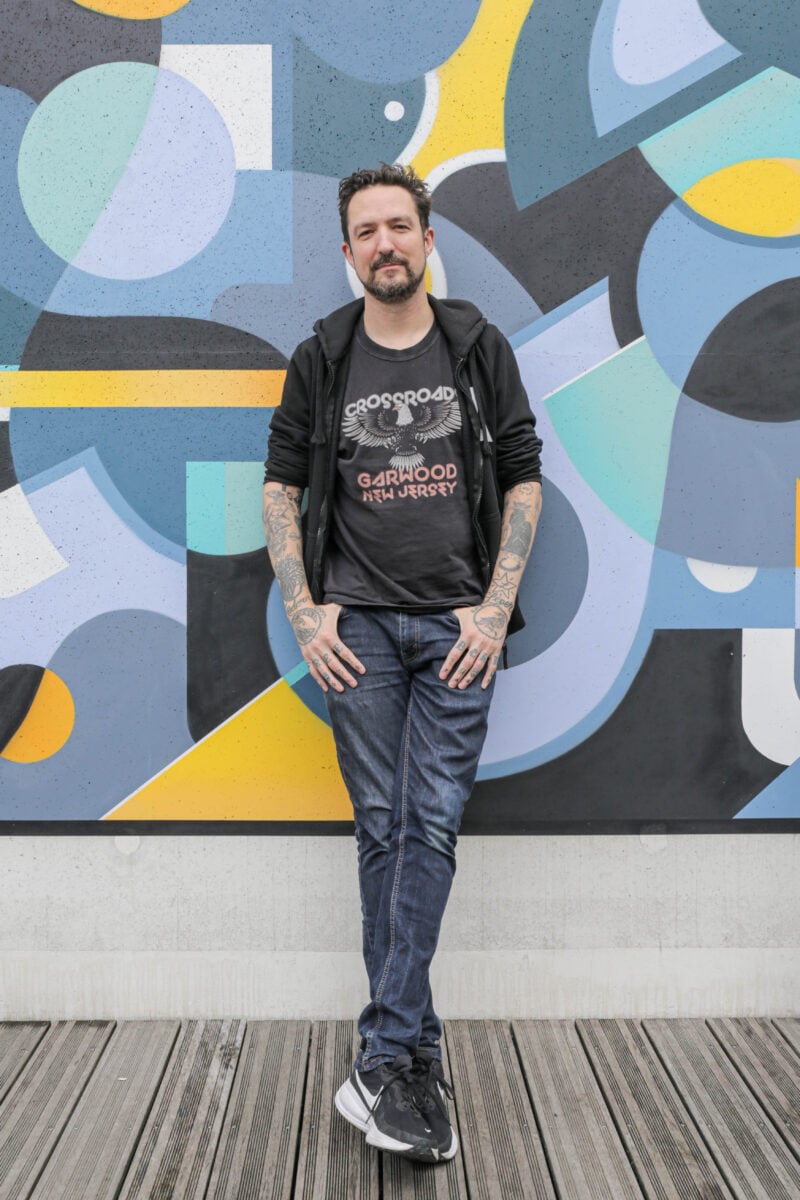
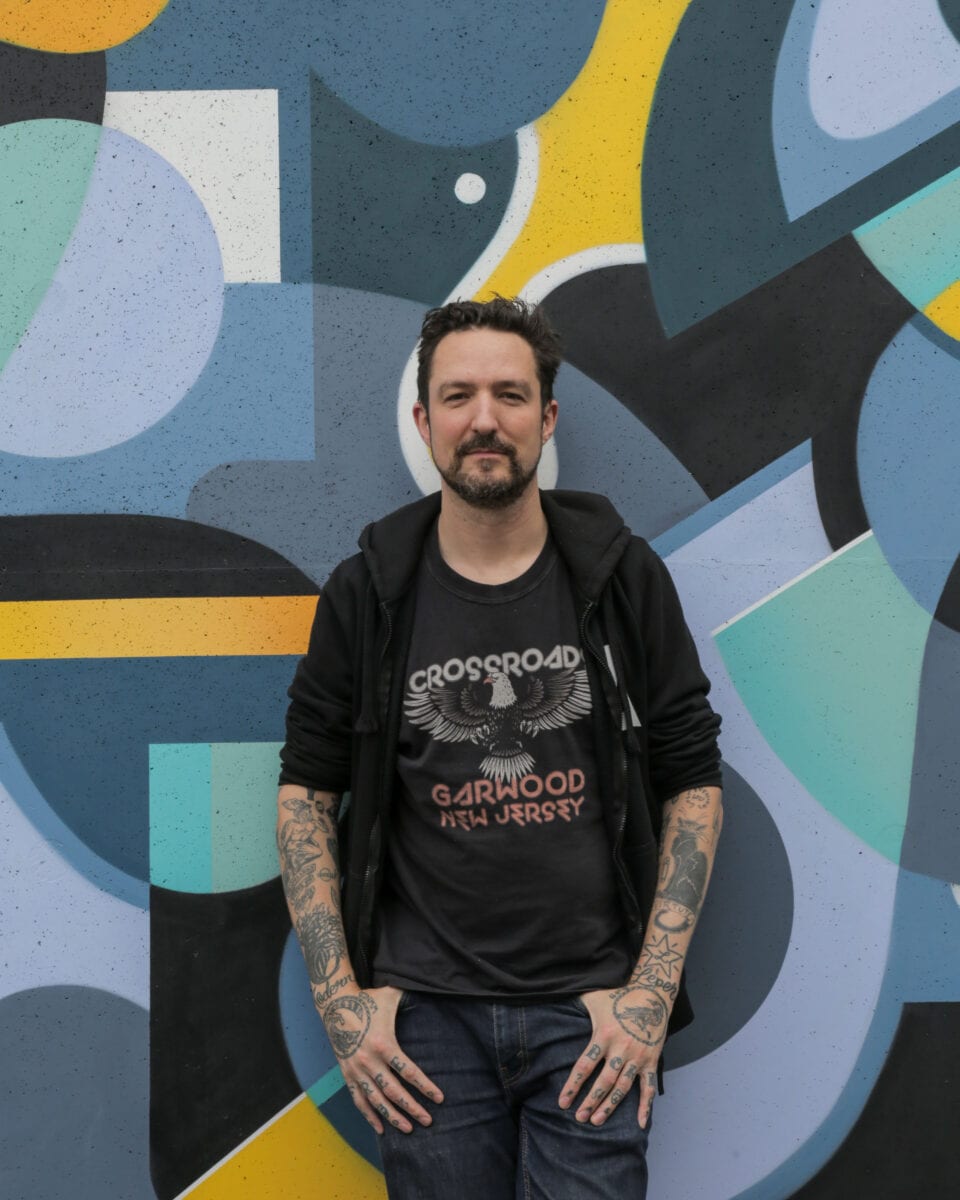



La Face B: What’s a book you’d recommend to your fans?
Frank Turner: There’s a book I always recommend by Clive James called Cultural Amnesia. I read it many years ago and have reread it a couple of times since. It completely reorganized my thinking about everything.
La Face B: After all the tours, songs, and mischief, what still makes you the happiest at the end of the day?
Frank Turner: We had a really great show in Lyon last night, and I was really happy afterwards because me and my band played really well. We connected with the crowd. They didn’t really know us when we went on, and they fucking did by the time we finished. We did our job. I spoke in French, sang in French. Everybody had a good time. That was a joyful evening.
La Face B: And outside of touring, what makes you happy?
Frank Turner: Walking around London, reading books, spending time with my partner.
La Face B: What’s next for you after this tour?
Frank Turner: The next thing on my diary is a Million Dead reunion tour in December. My old band’s doing a reunion, which is a lot of work, and I’m a little daunted by it. I’m excited, but I used to sing a lot higher than I do now, so I’ve got to do a lot of work to get that show on the road.
La Face B: It was lovely to meet you.
Frank Turner: Lovely to meet you too. Thank you very much.