
Interviews
Rencontre avec Pip Blom
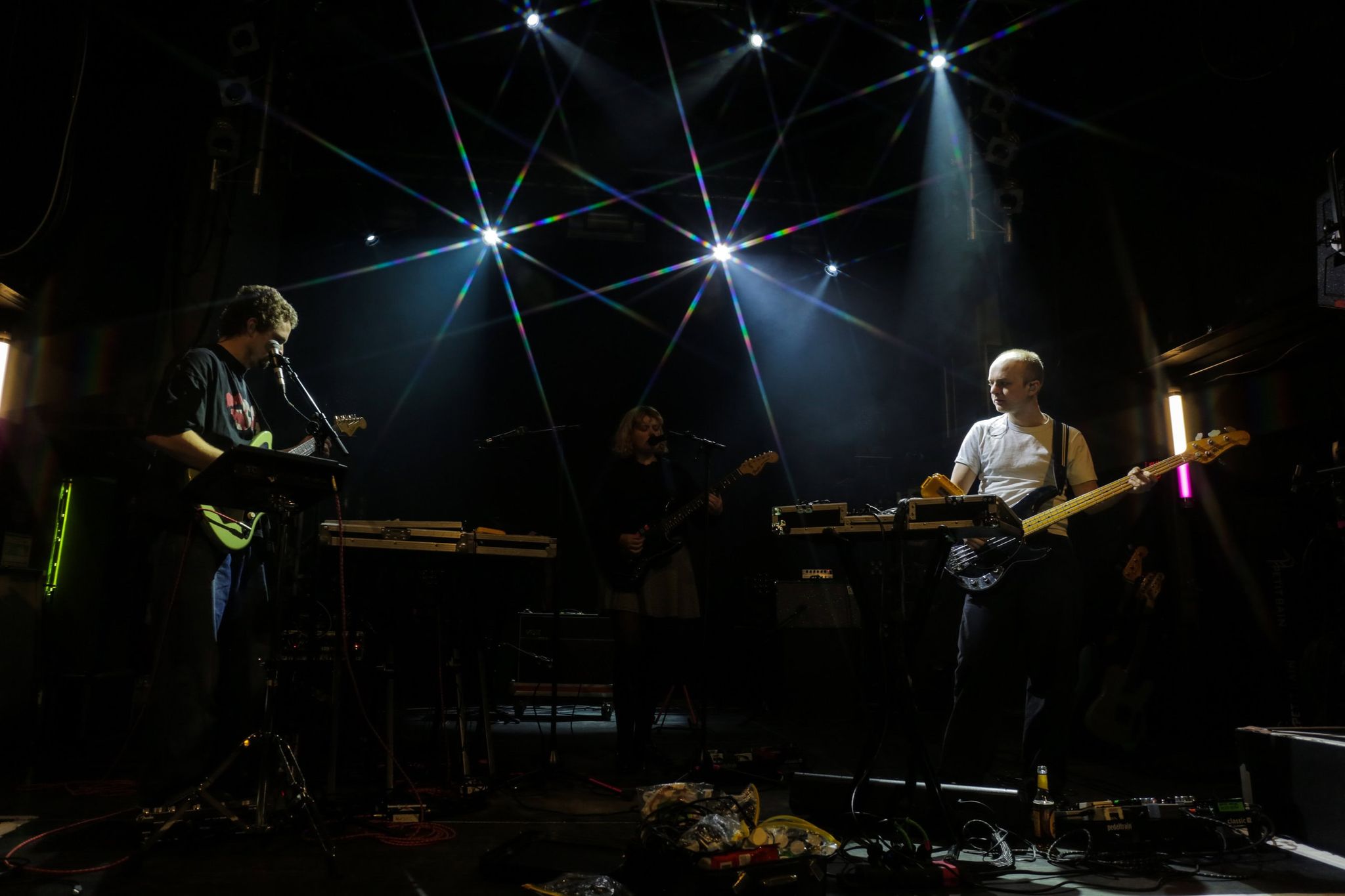
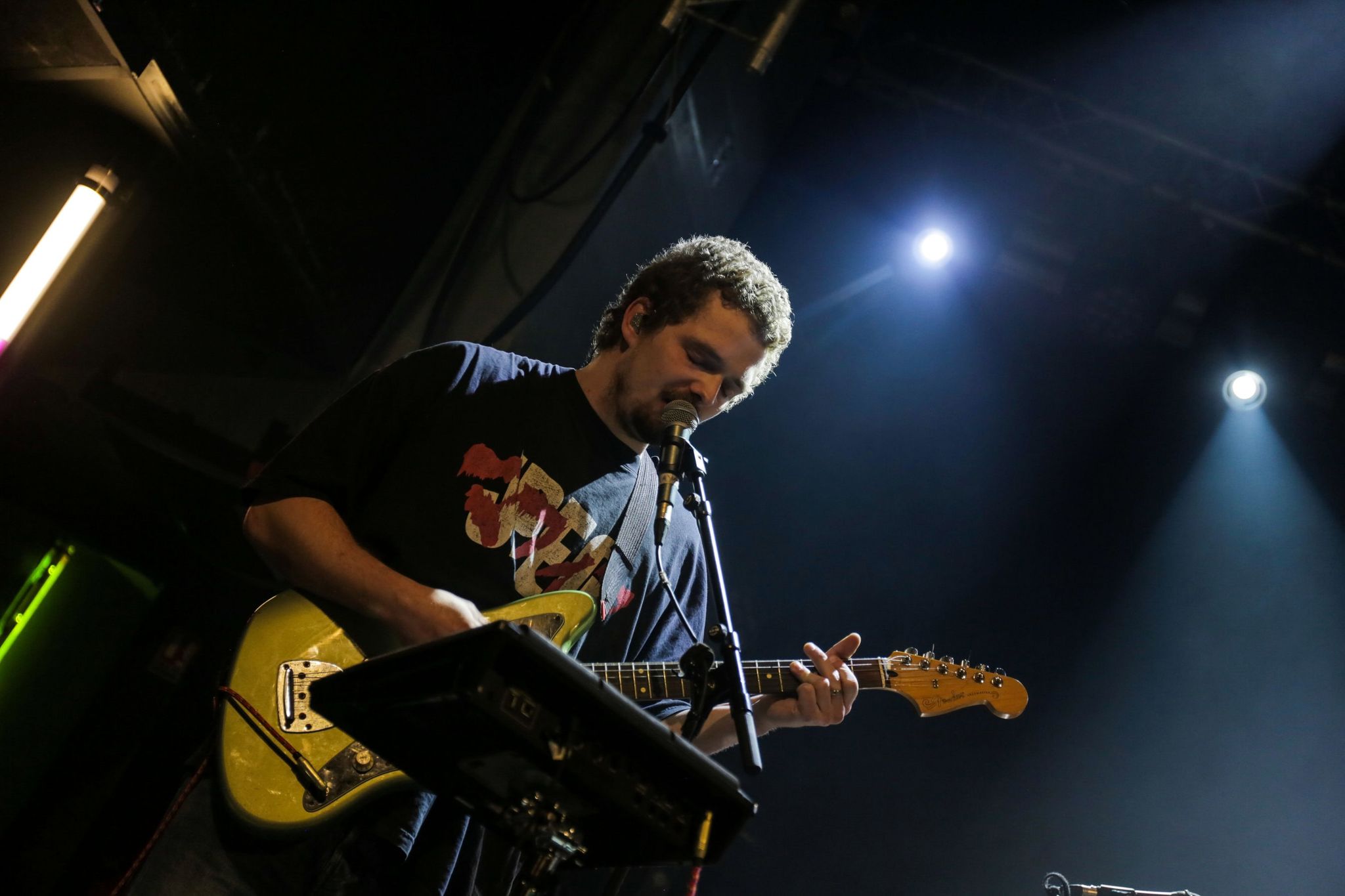
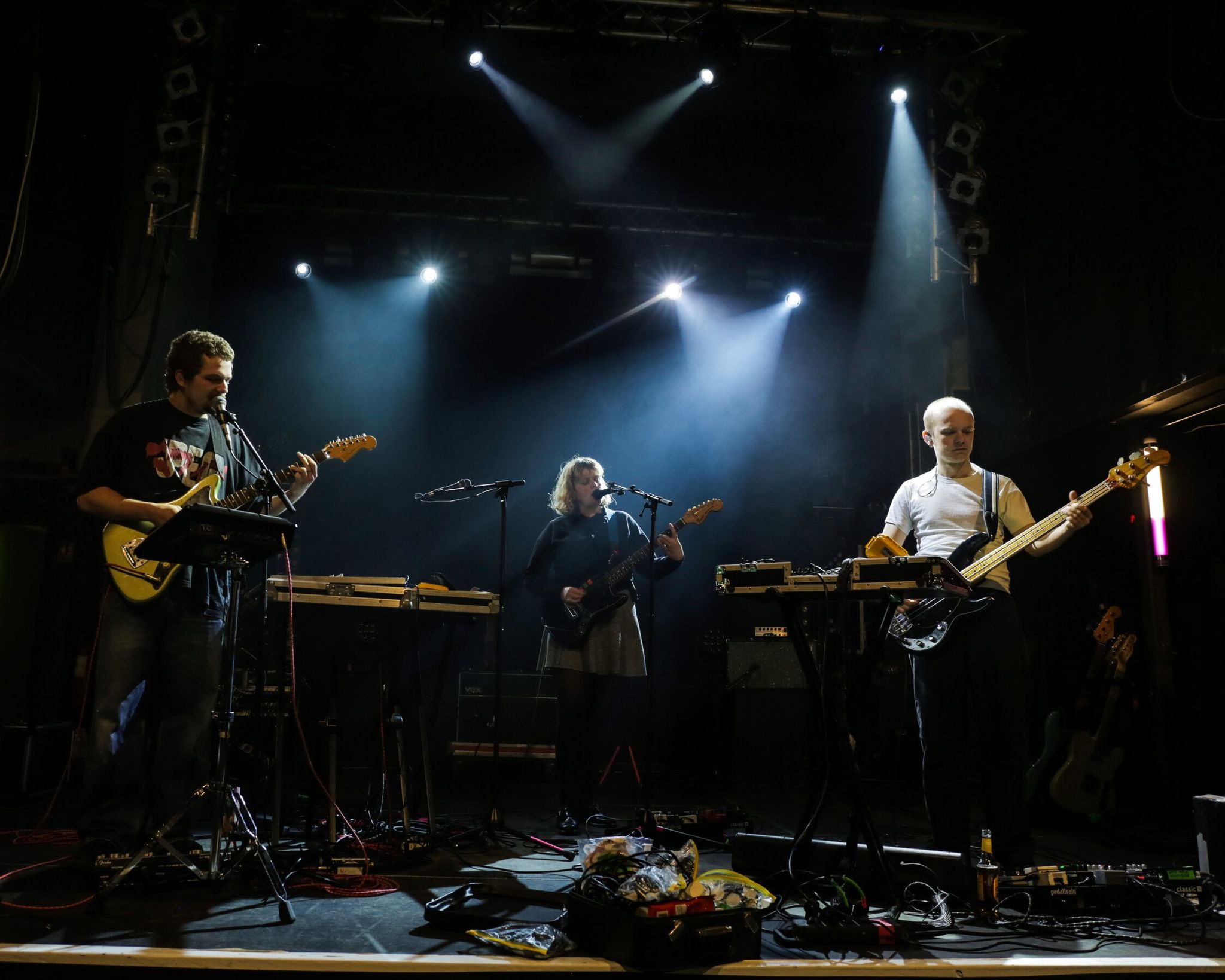
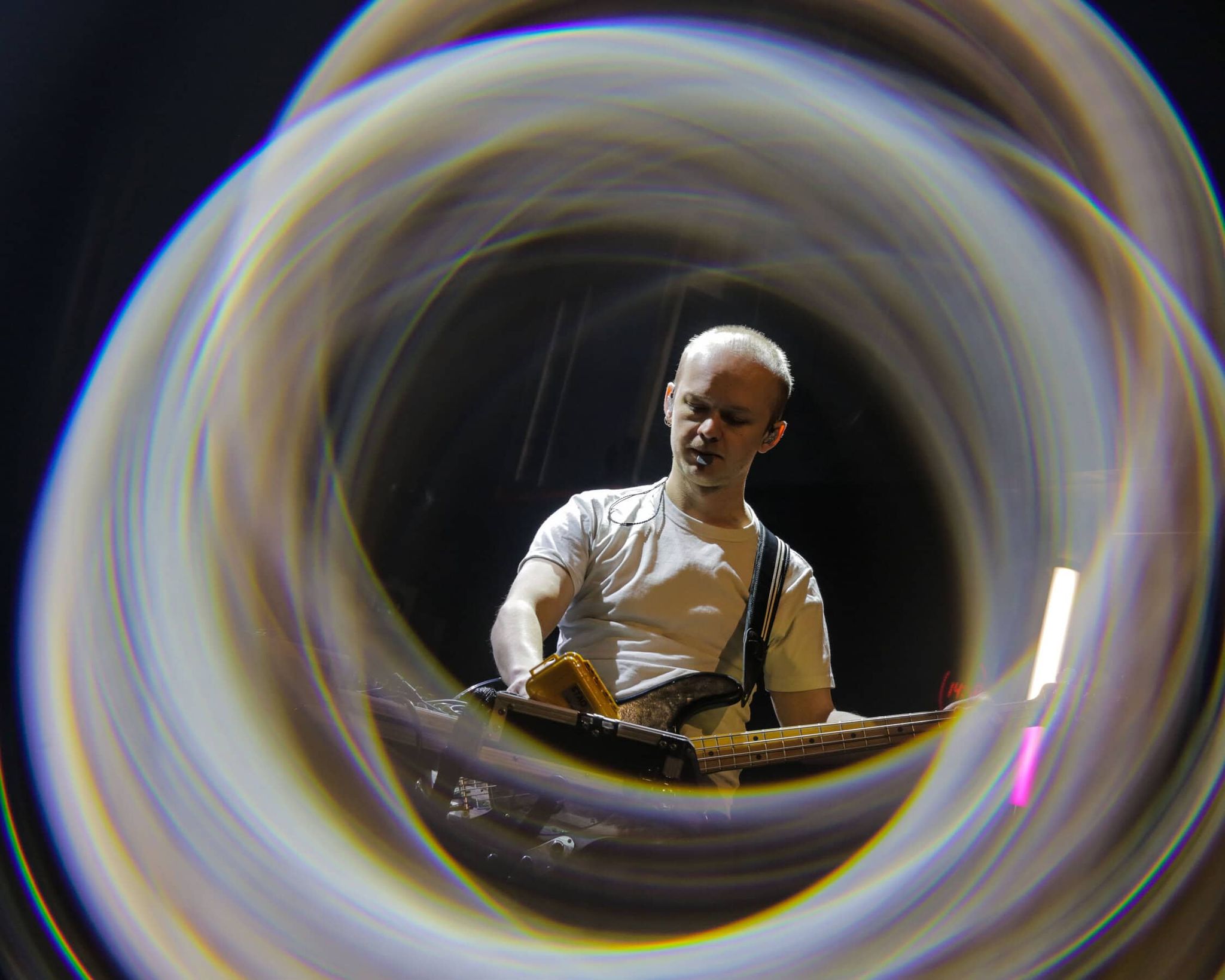
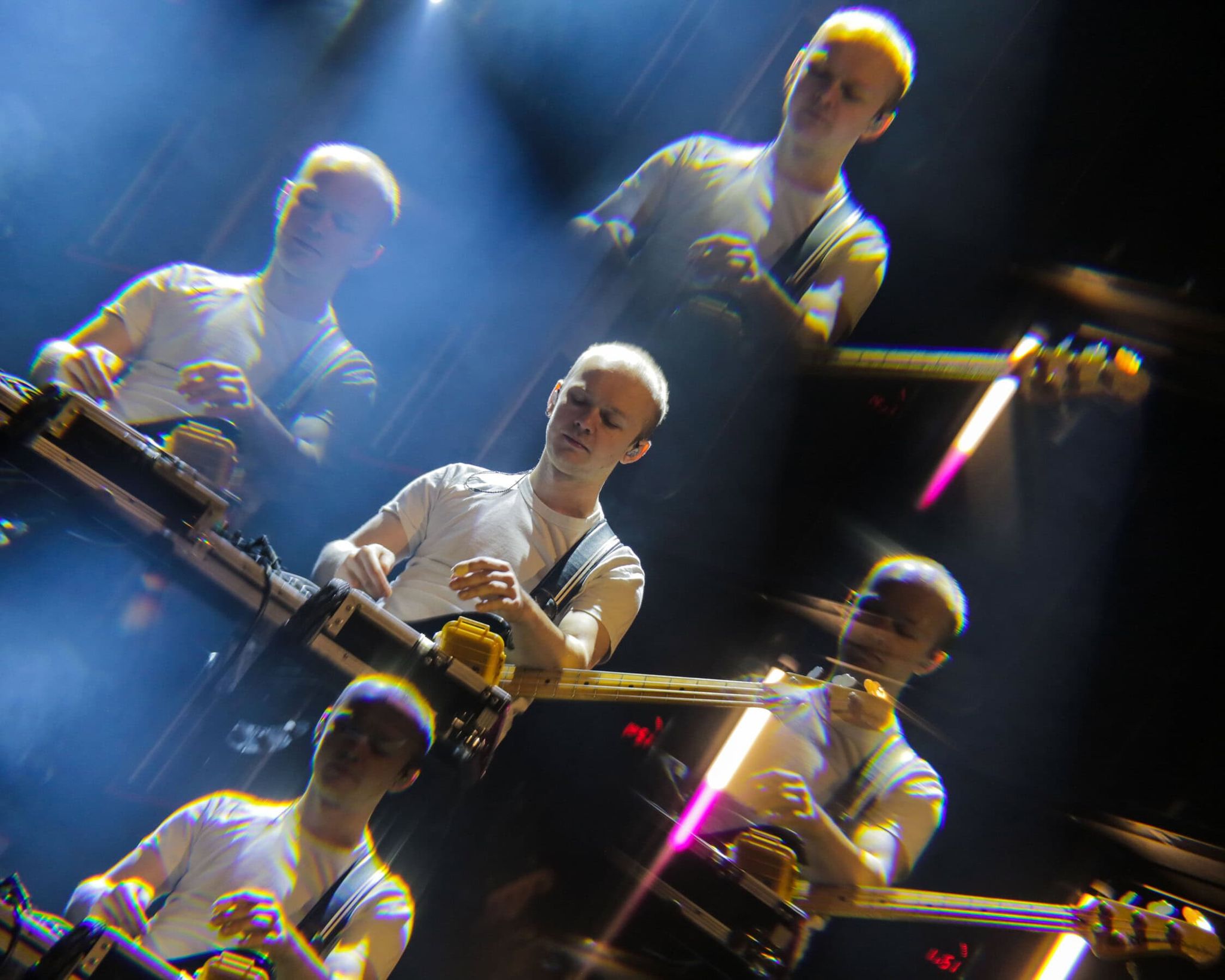
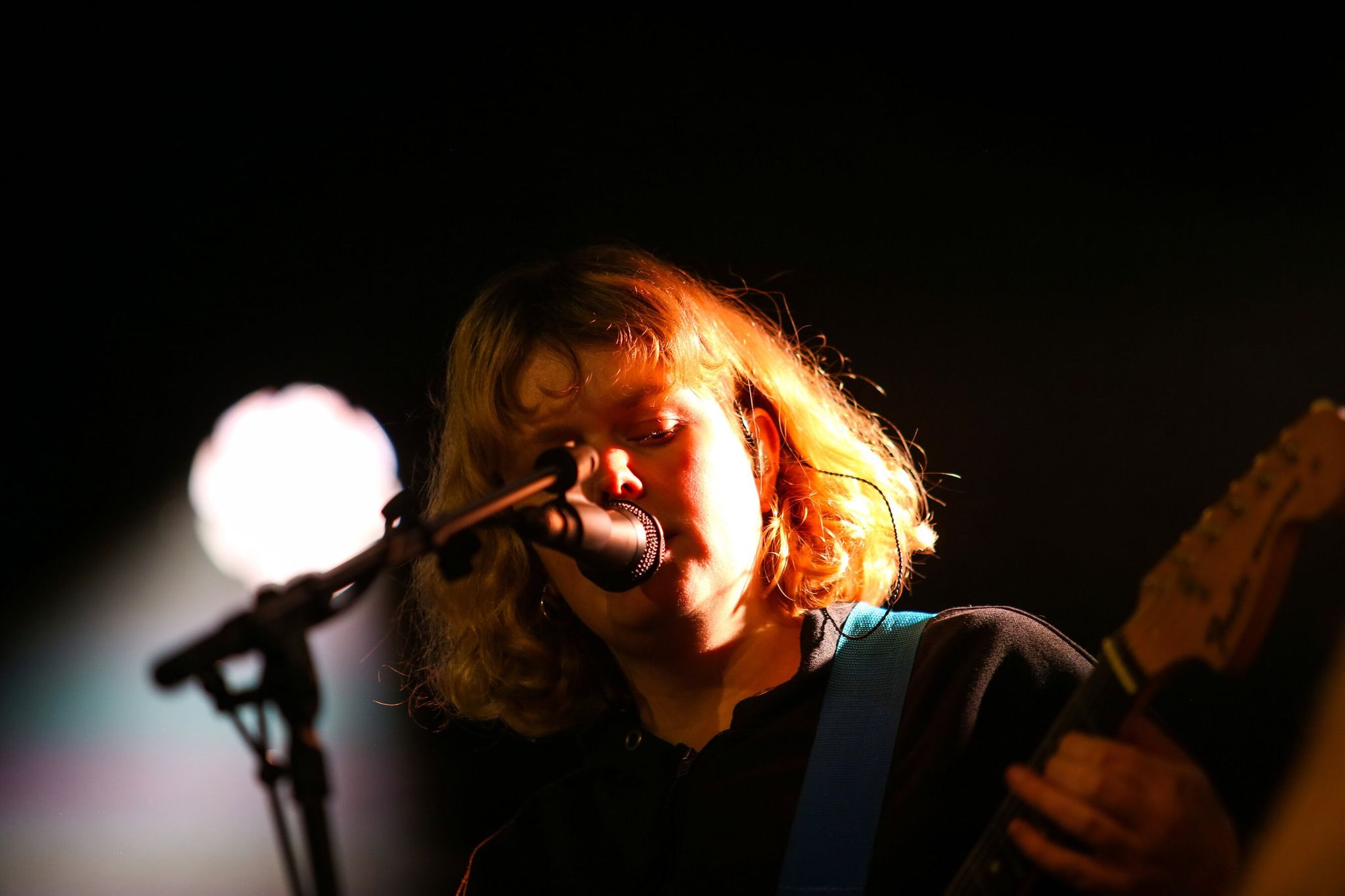
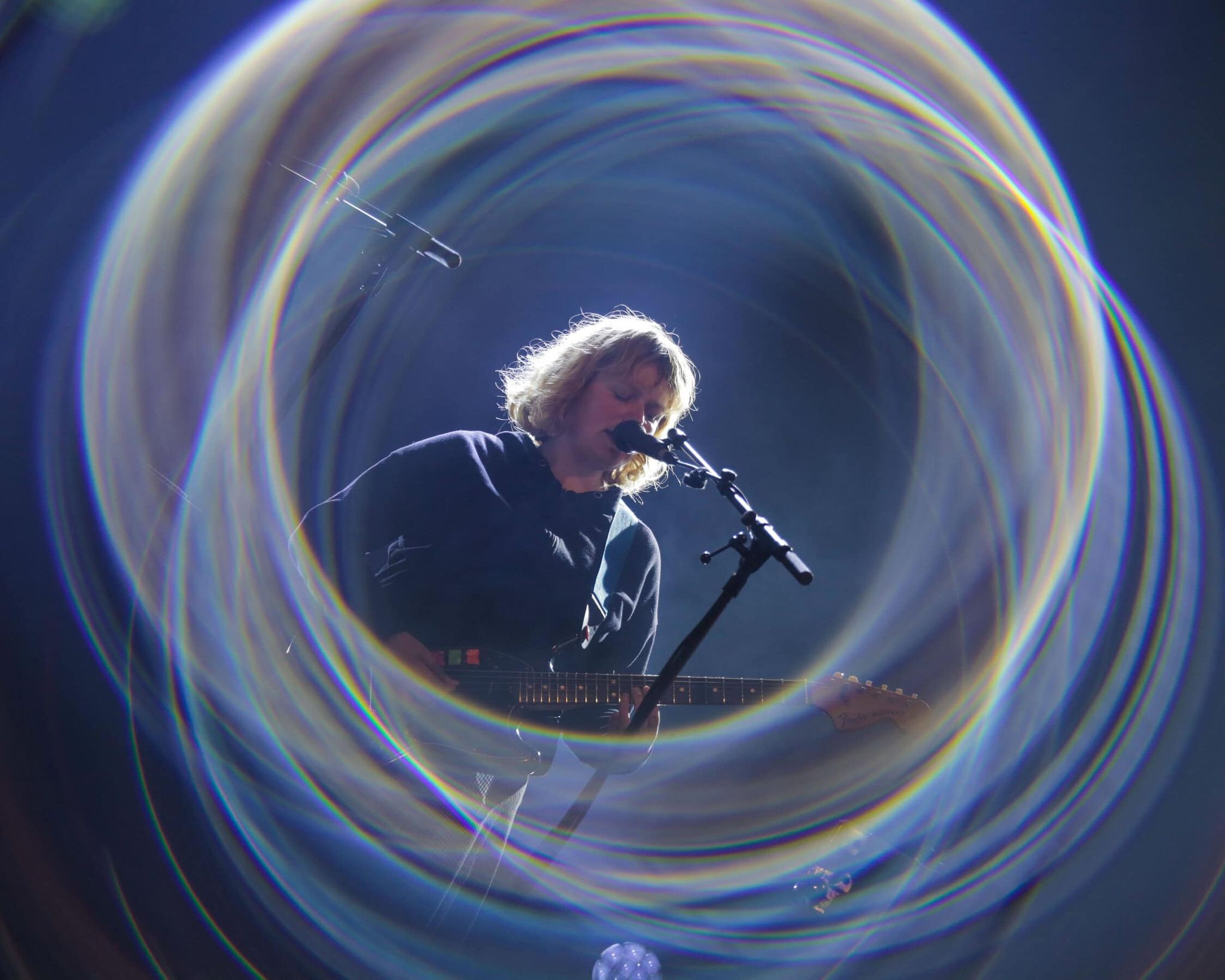
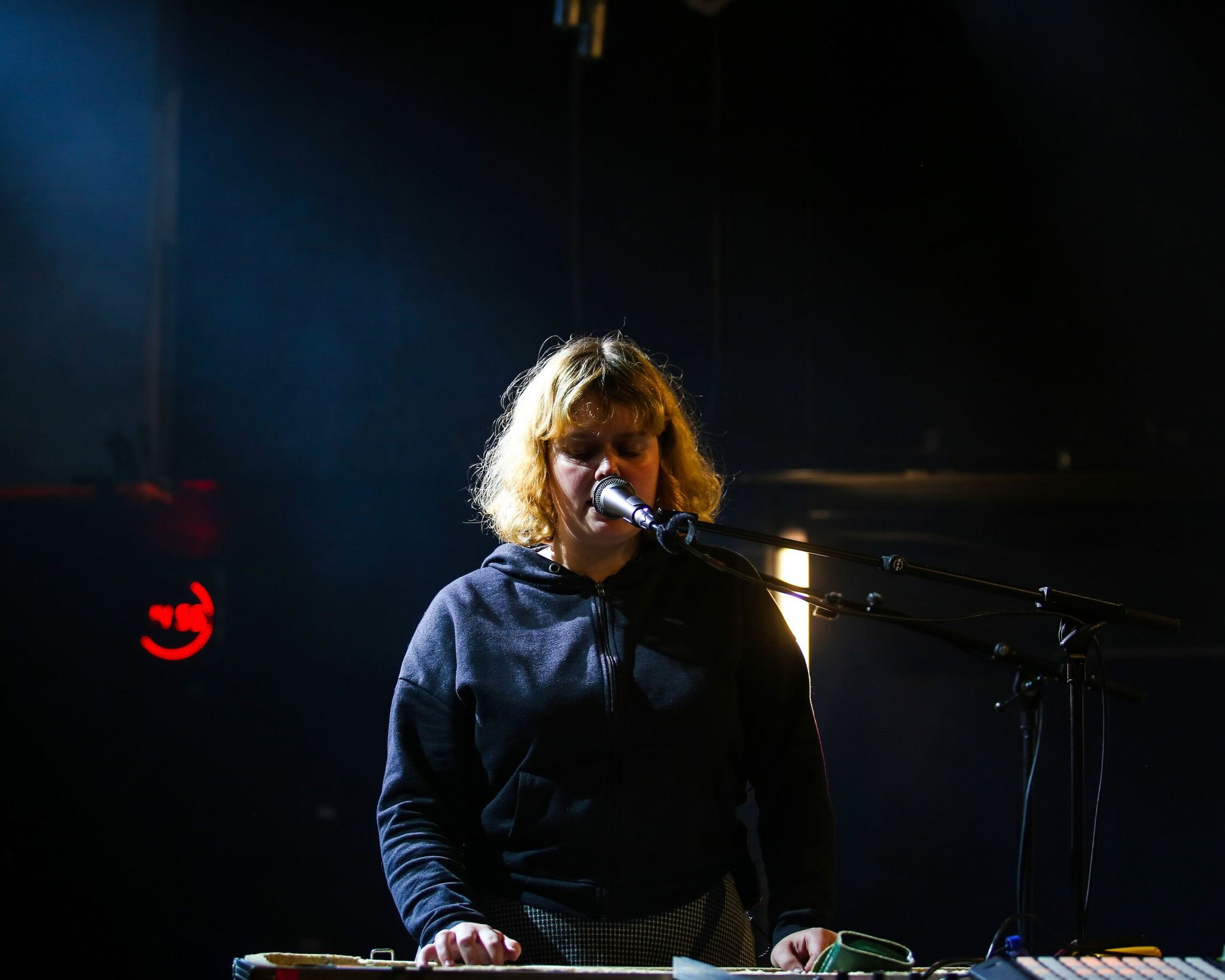
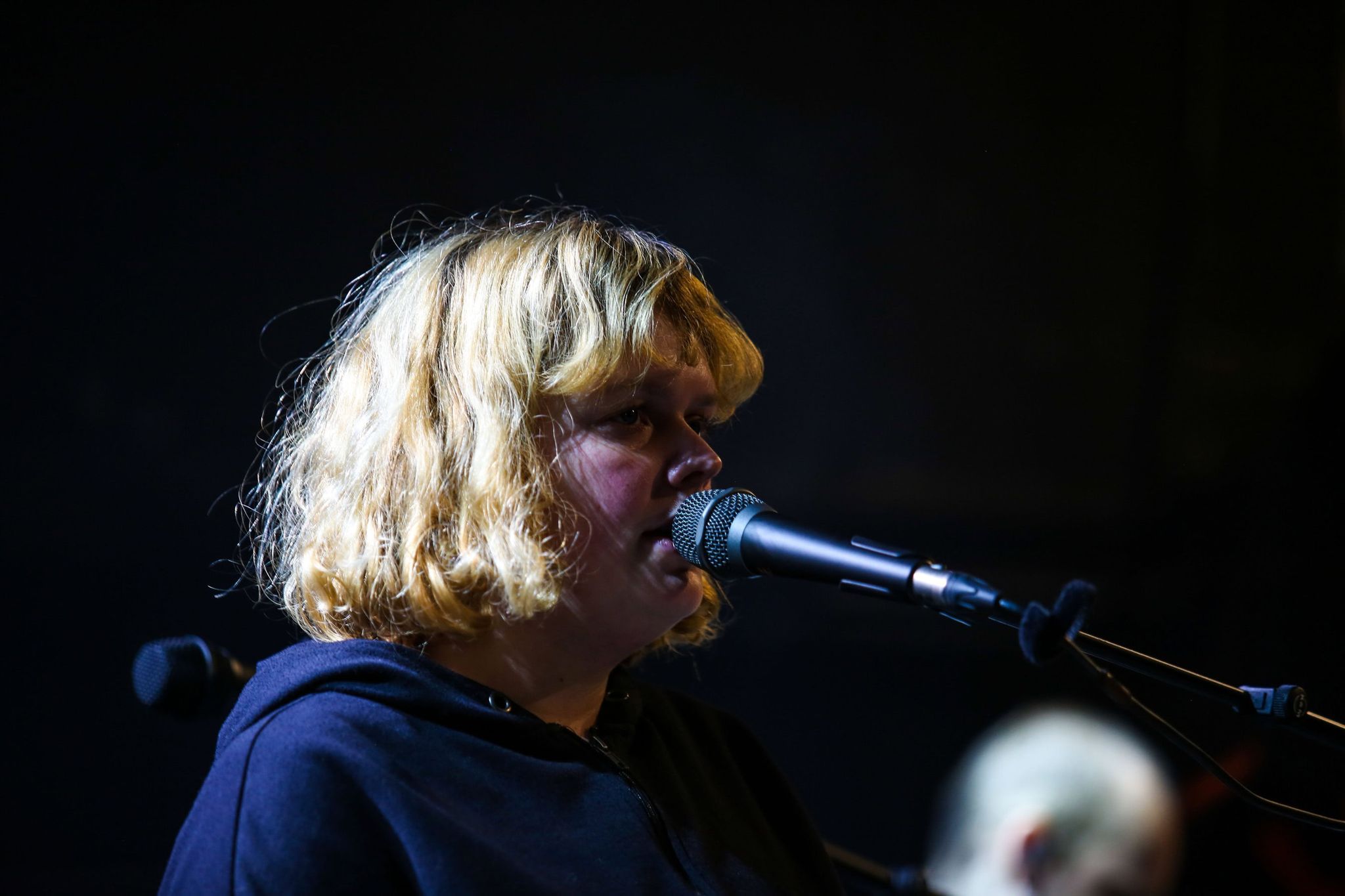
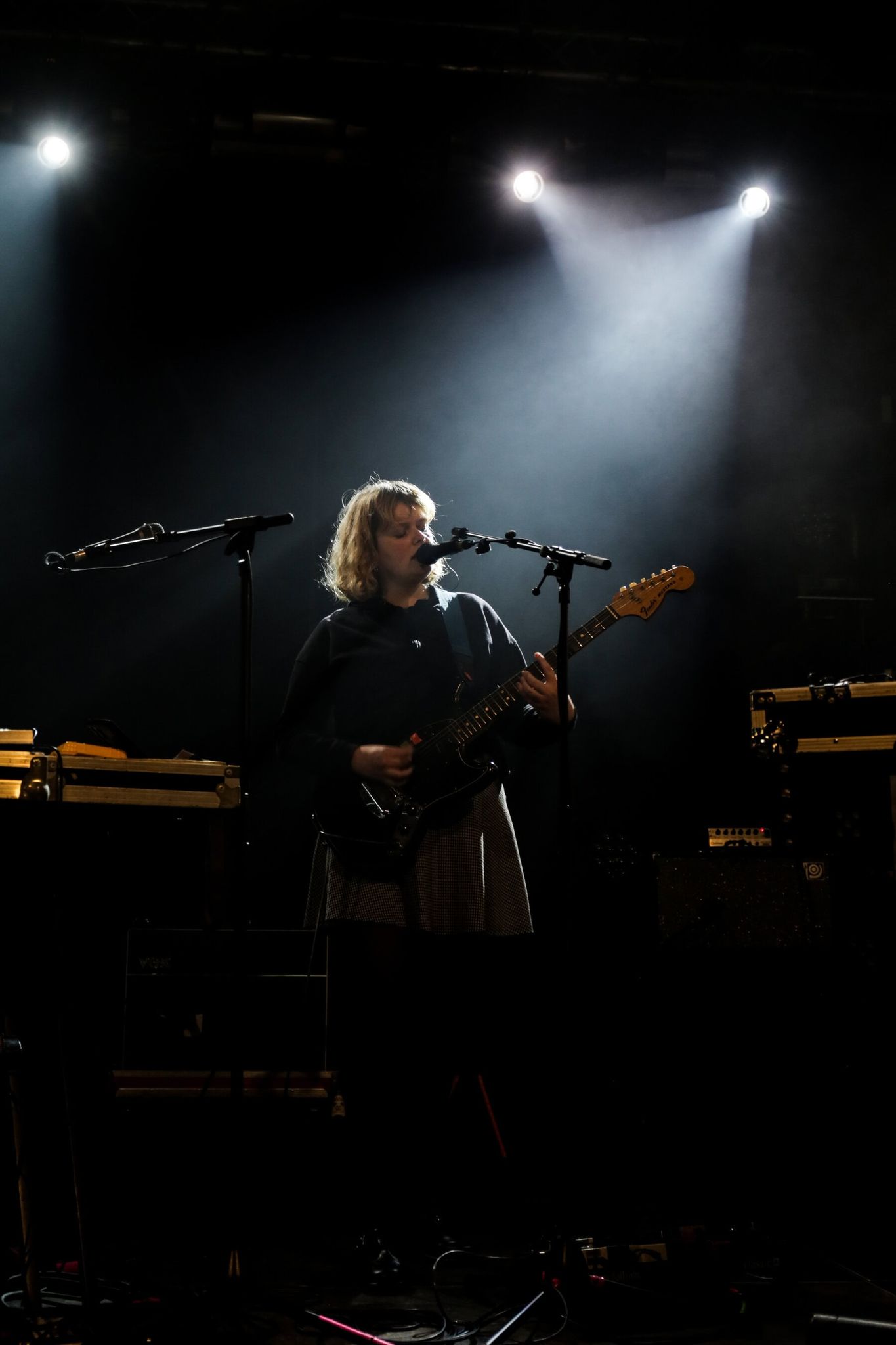
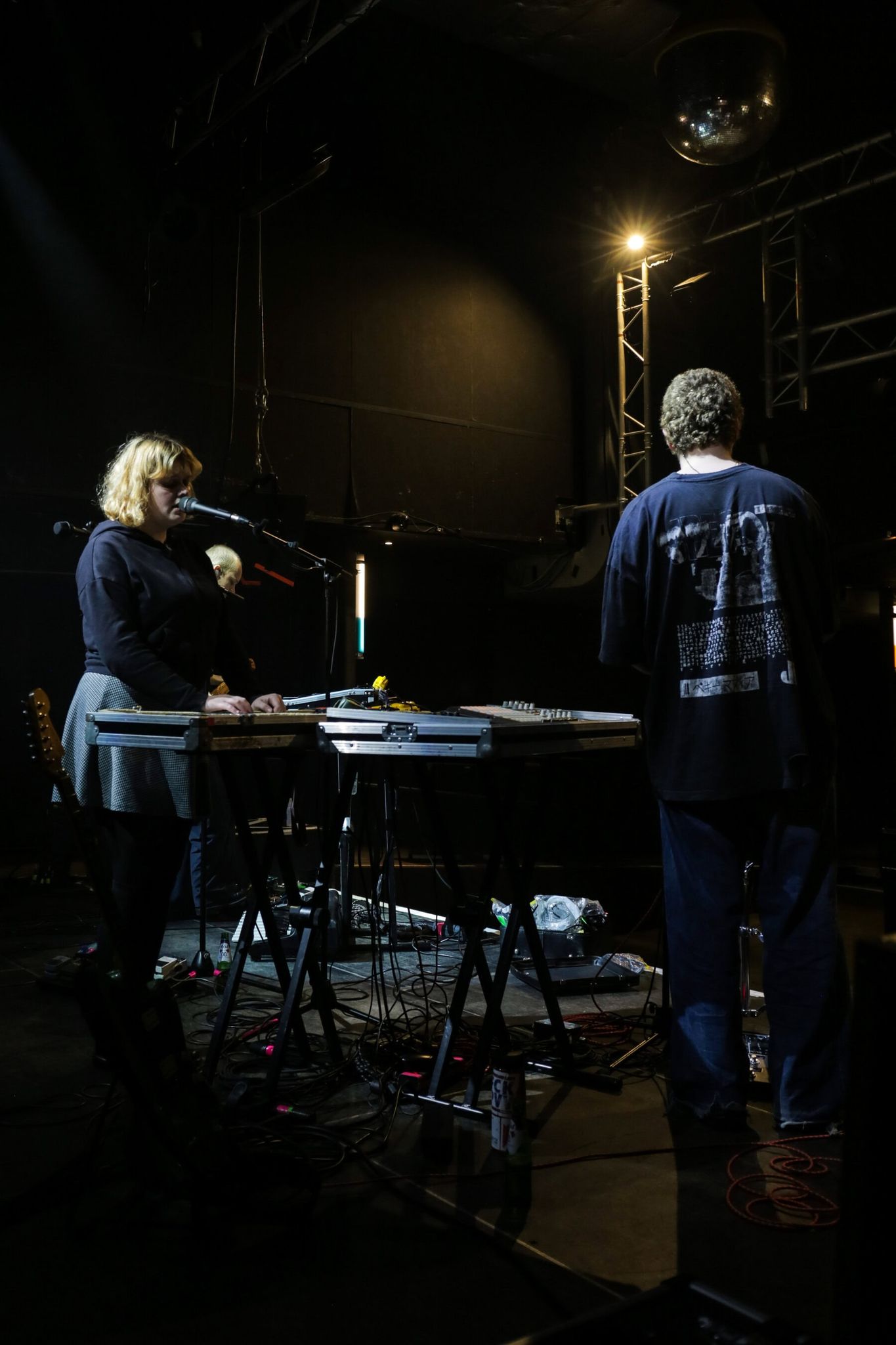
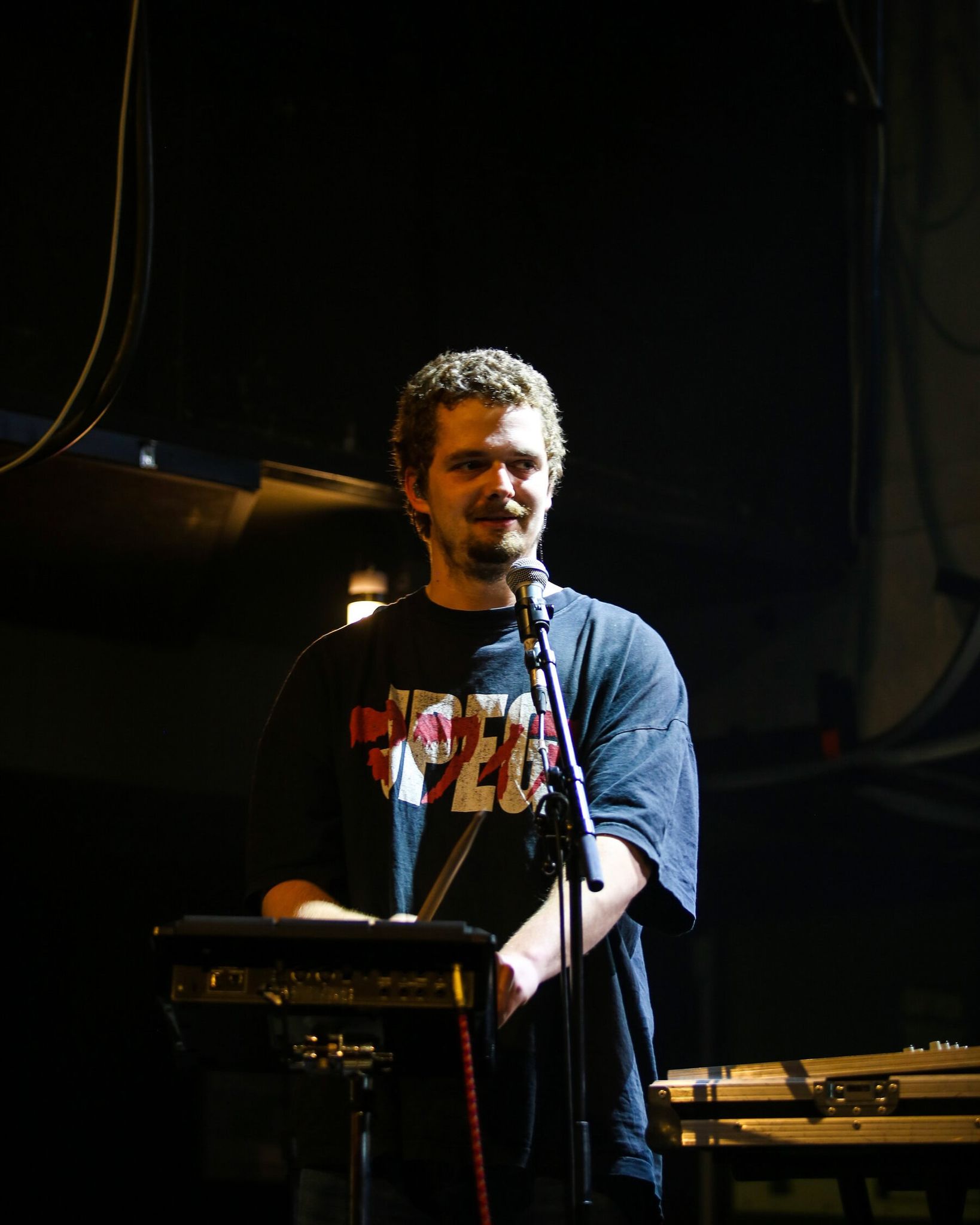
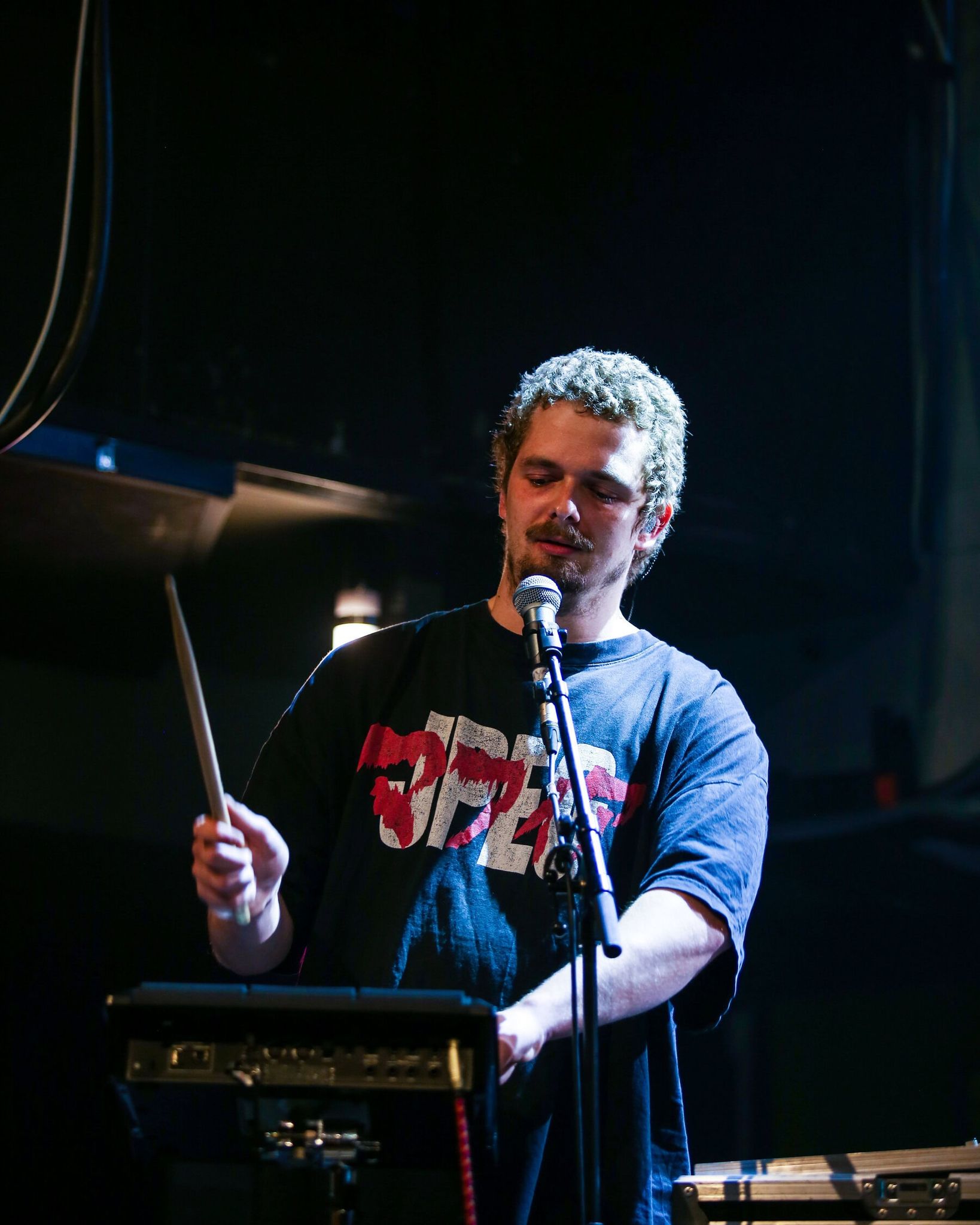
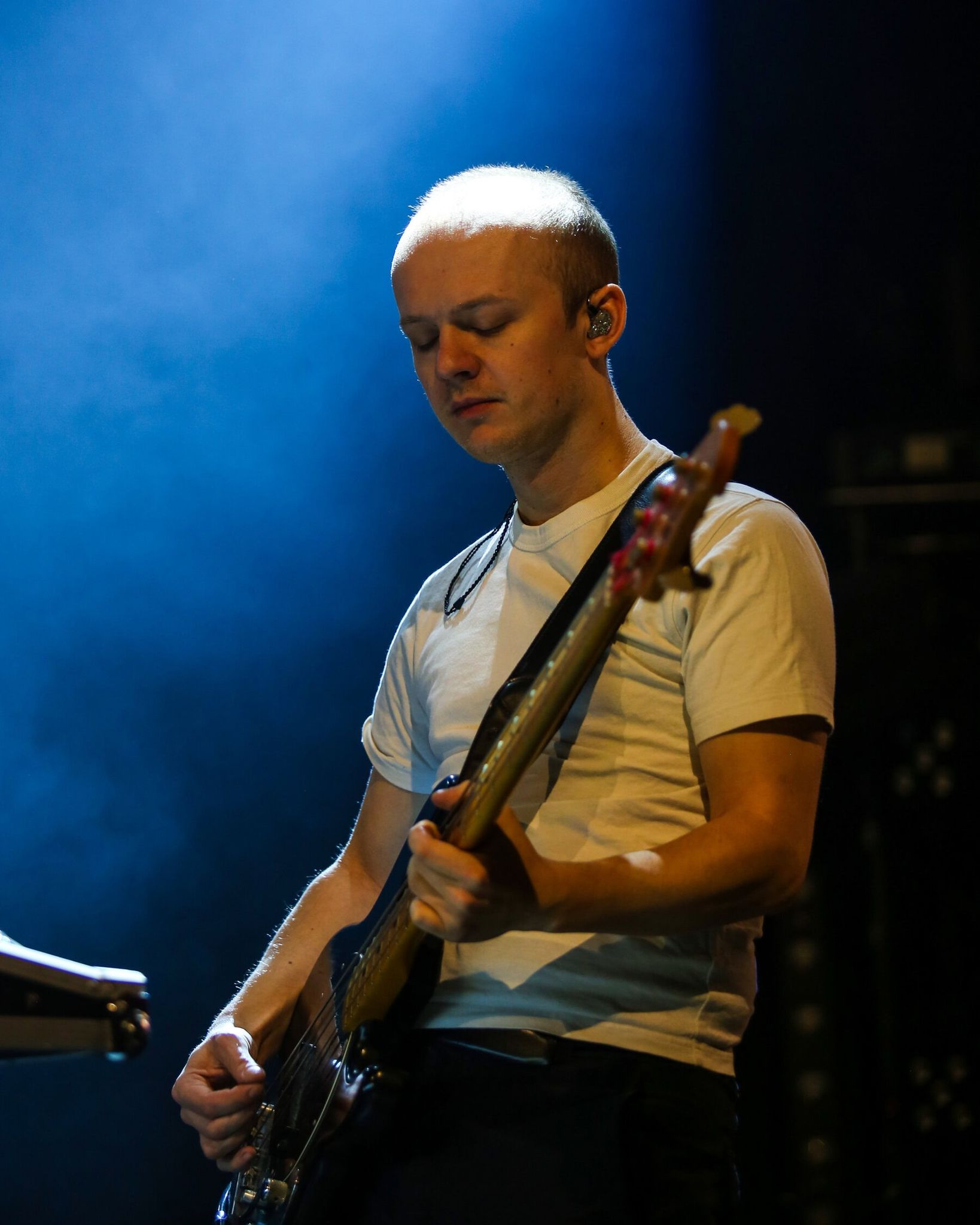
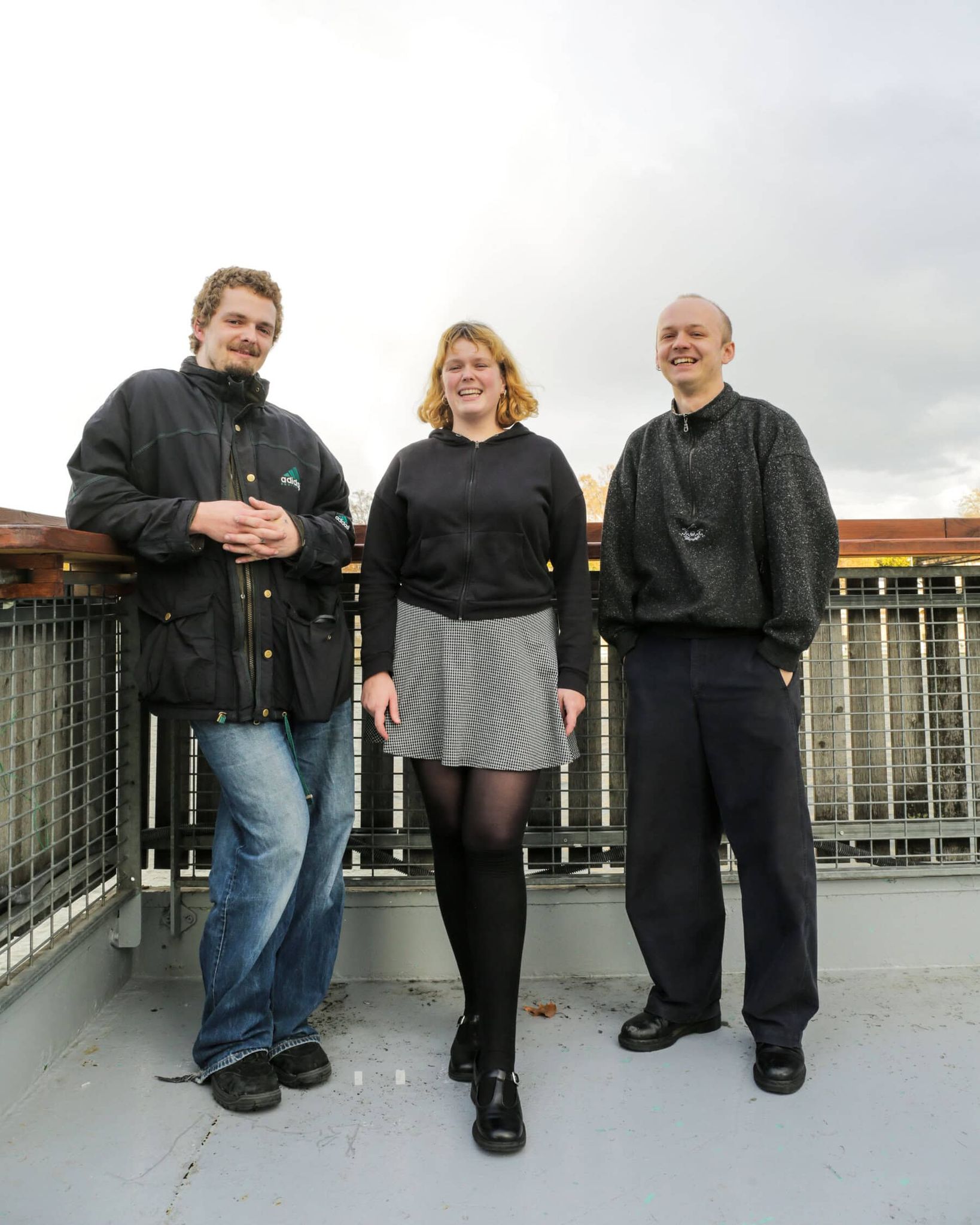
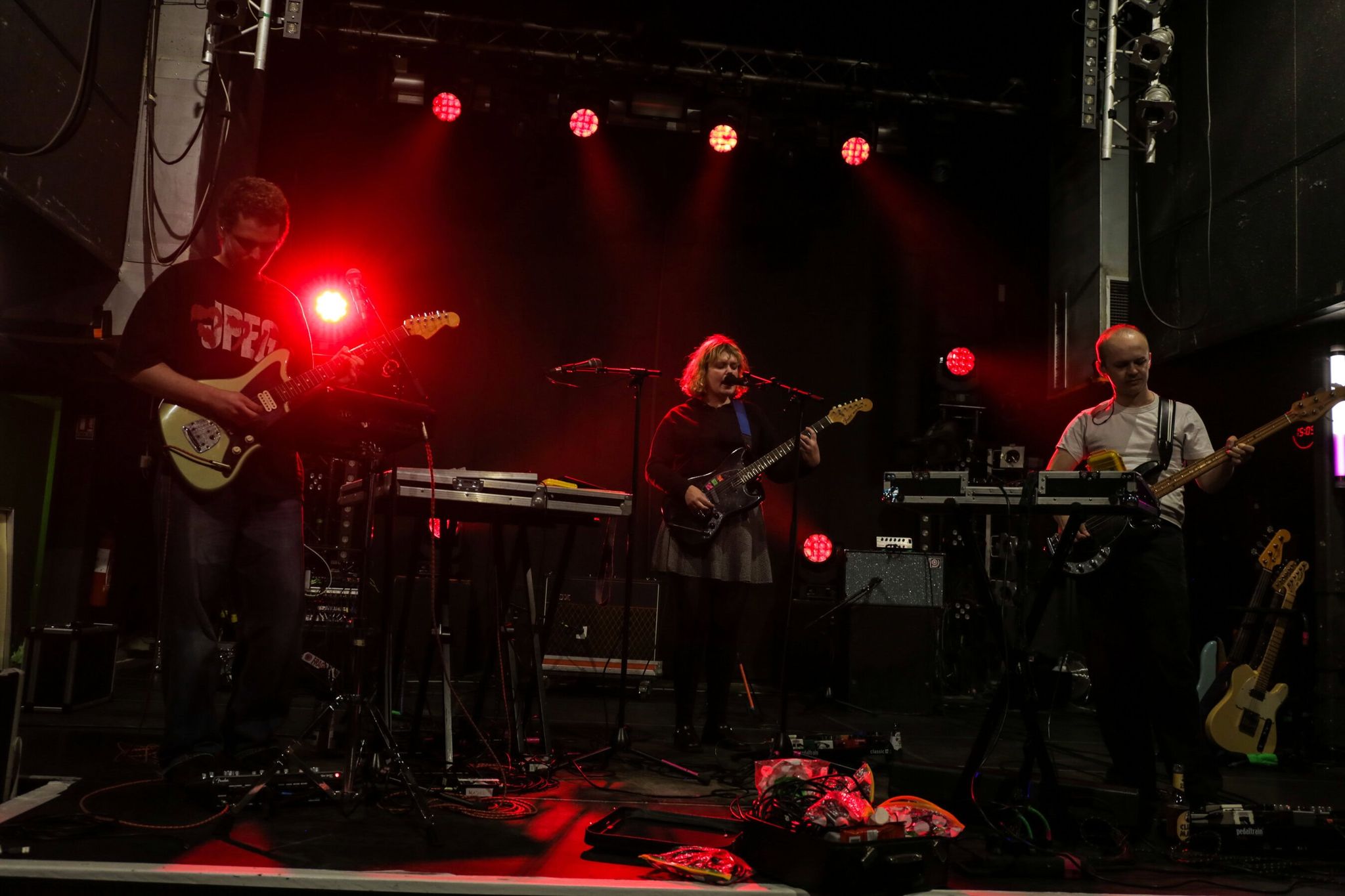
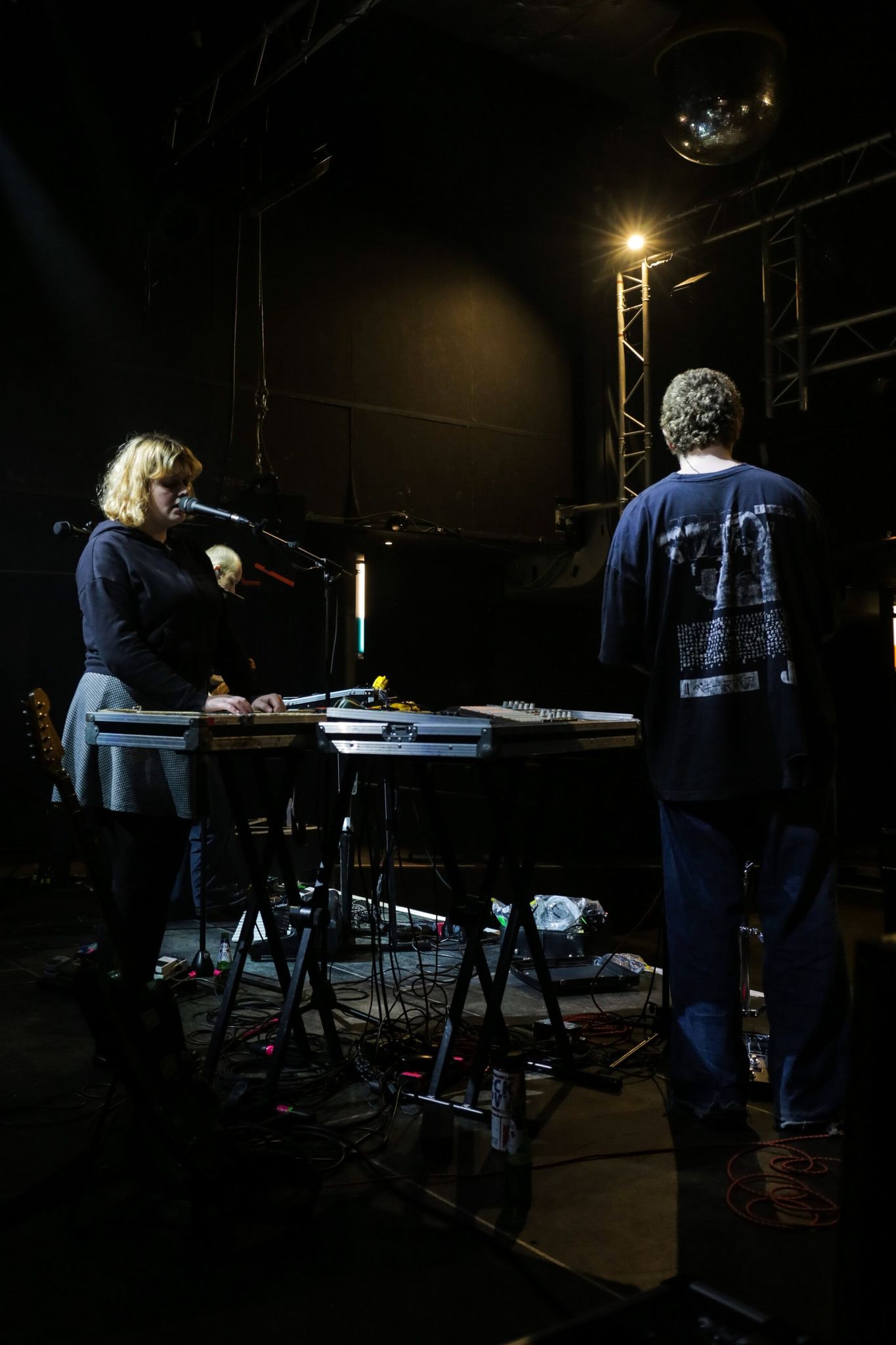
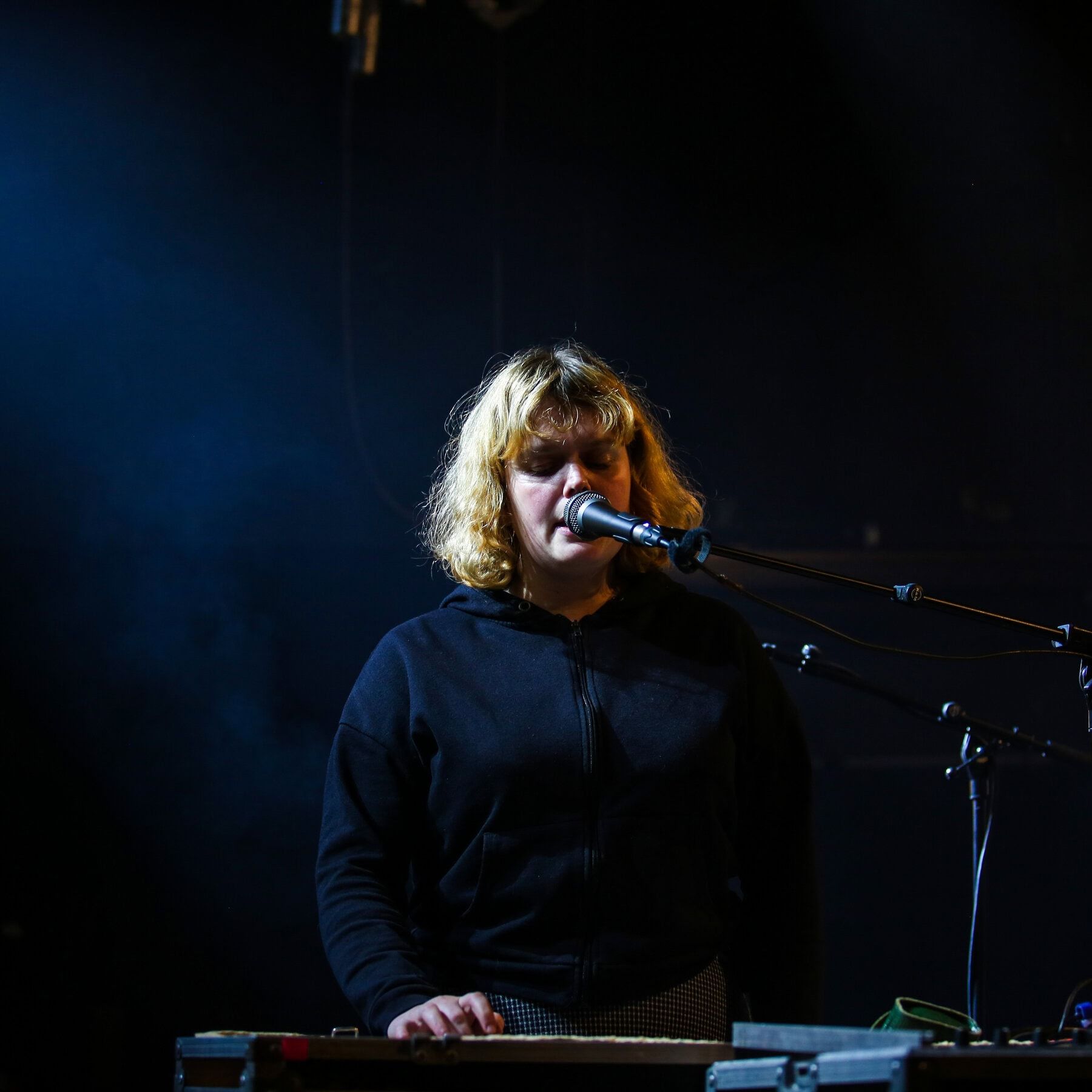
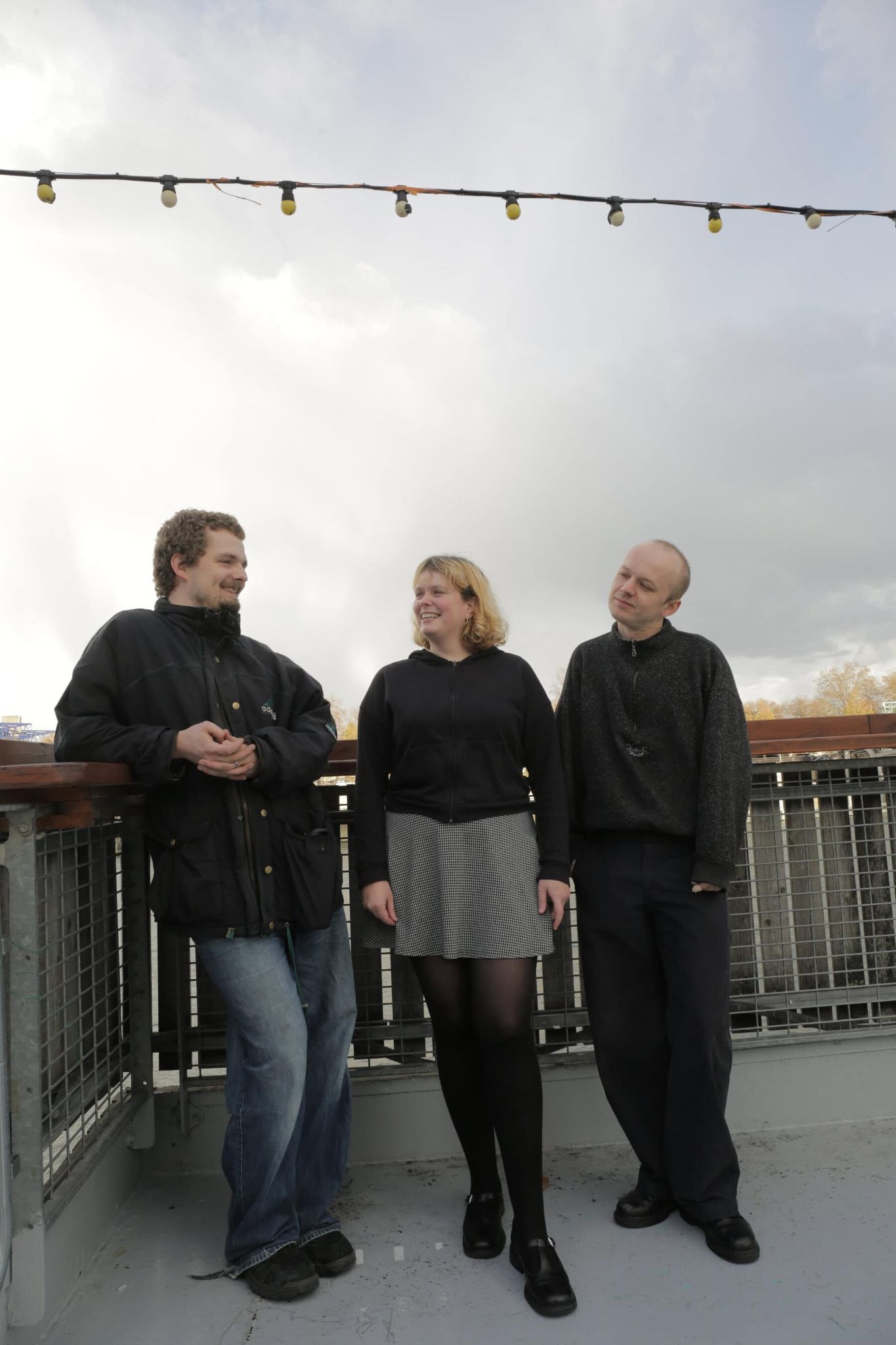
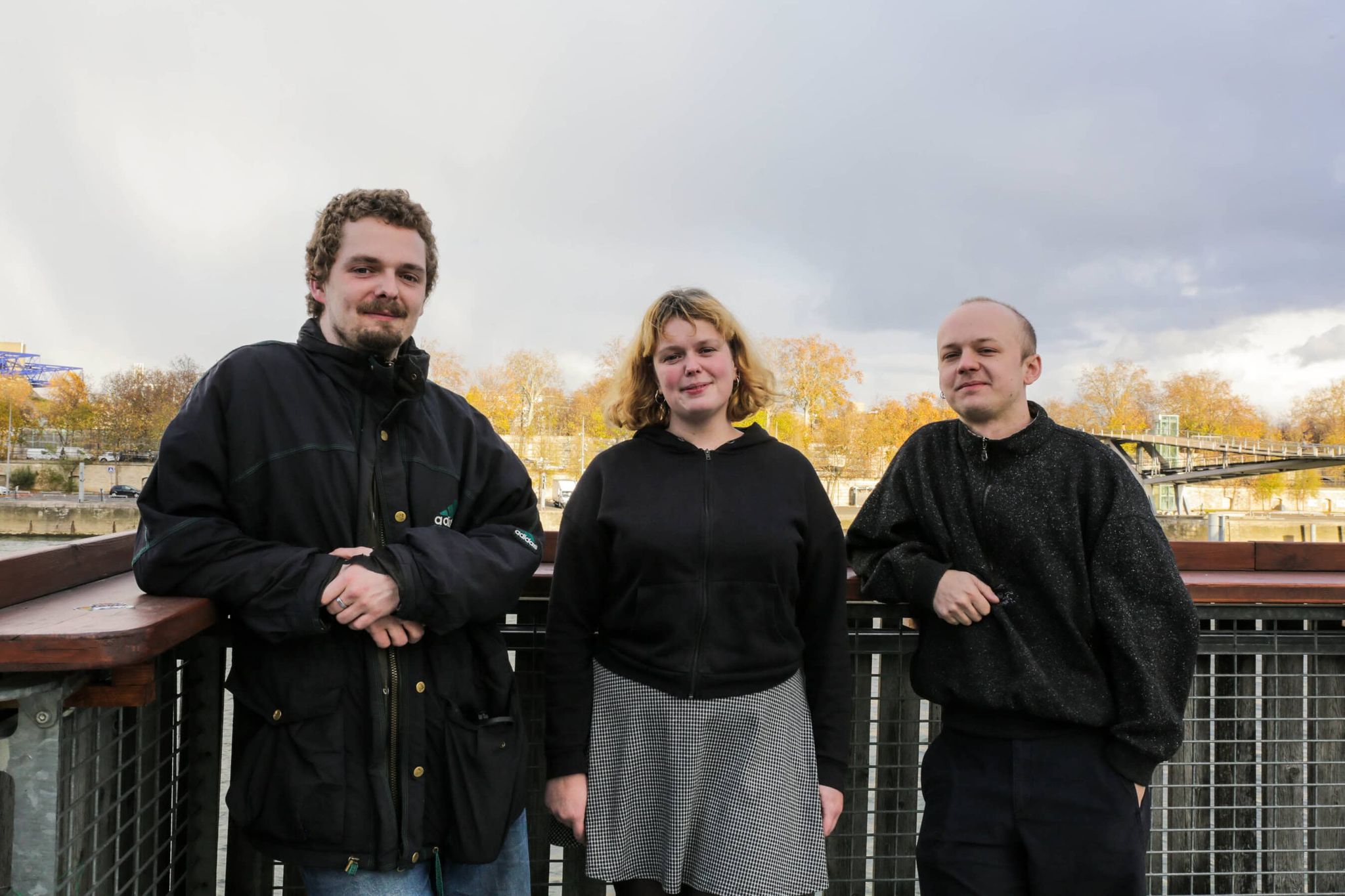
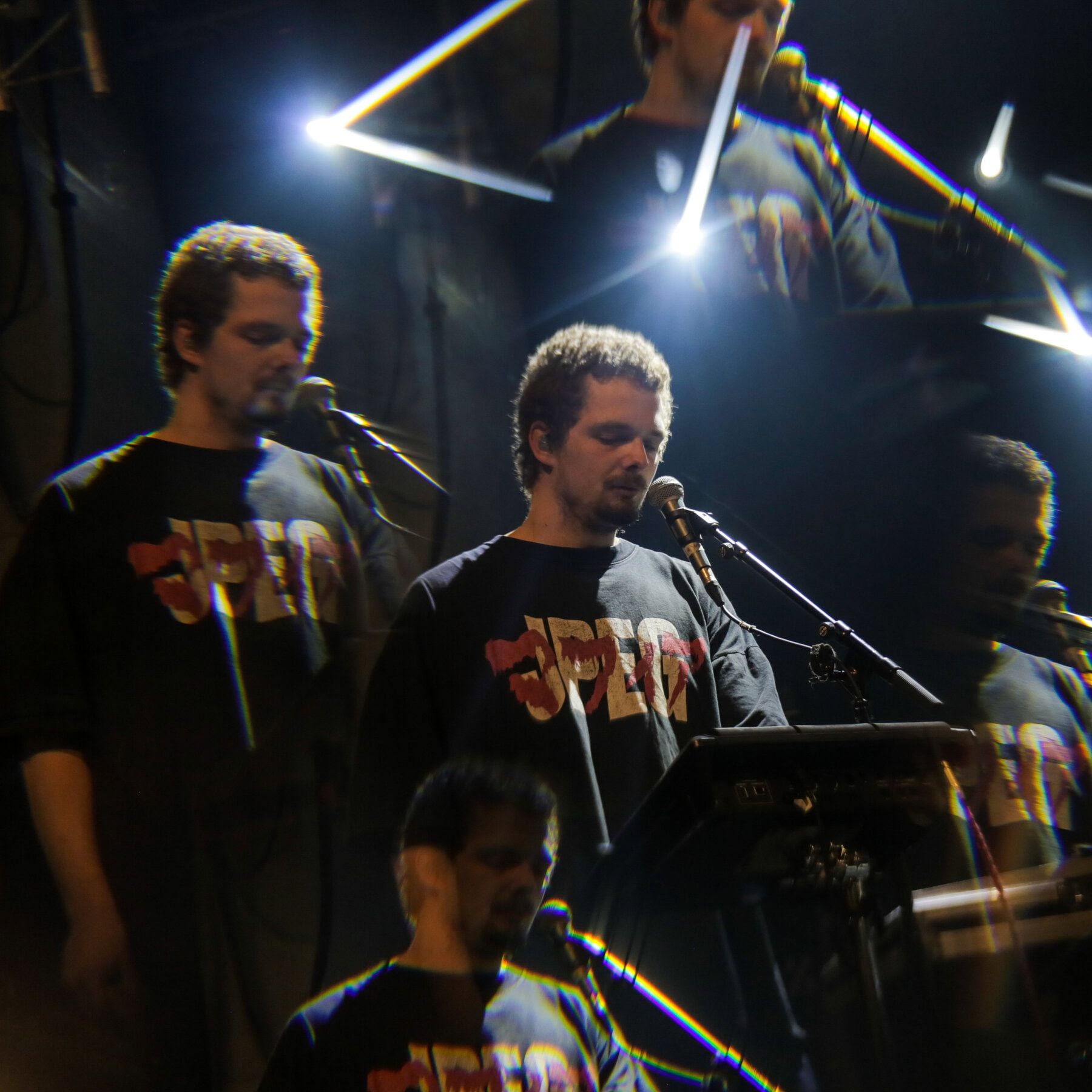
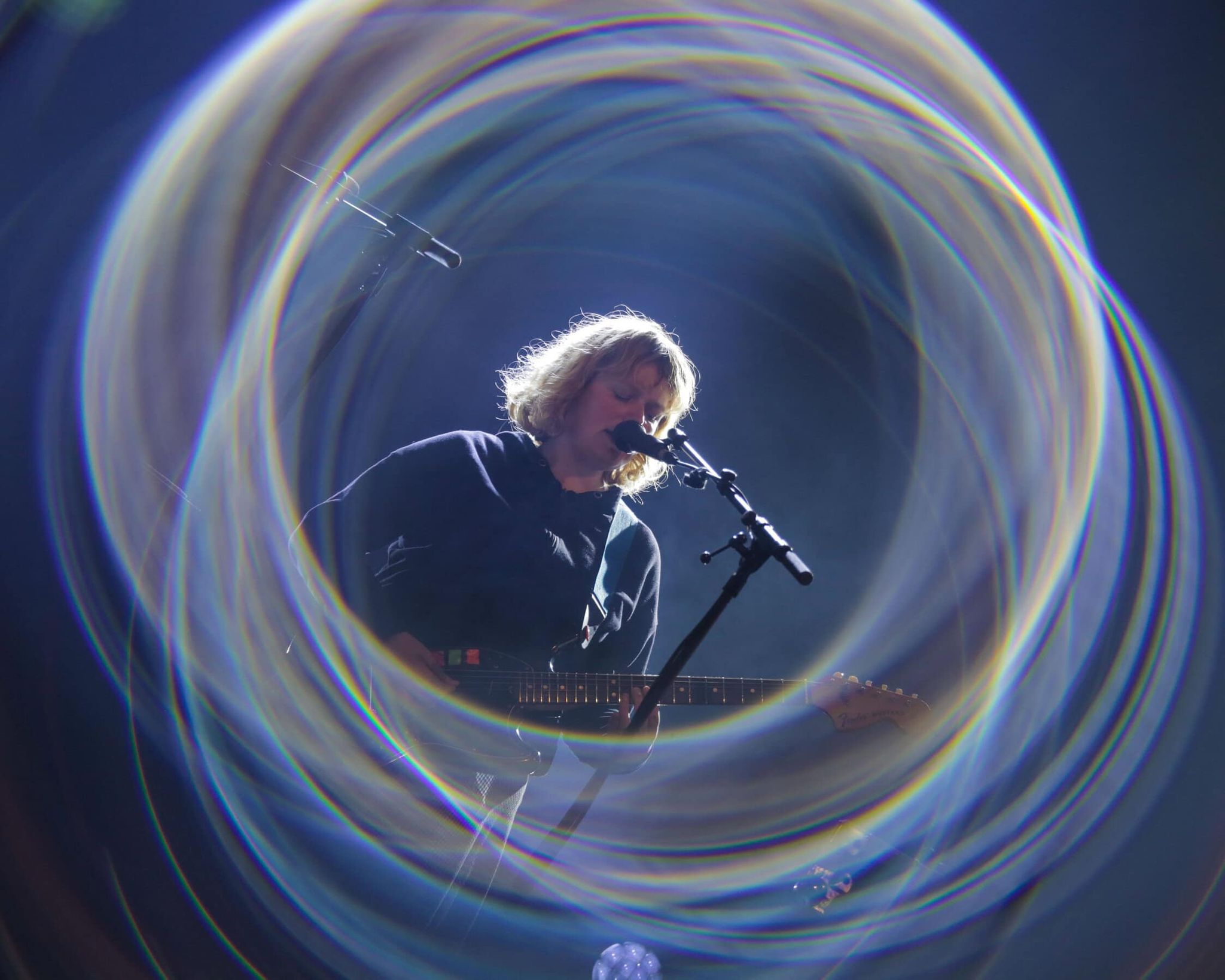
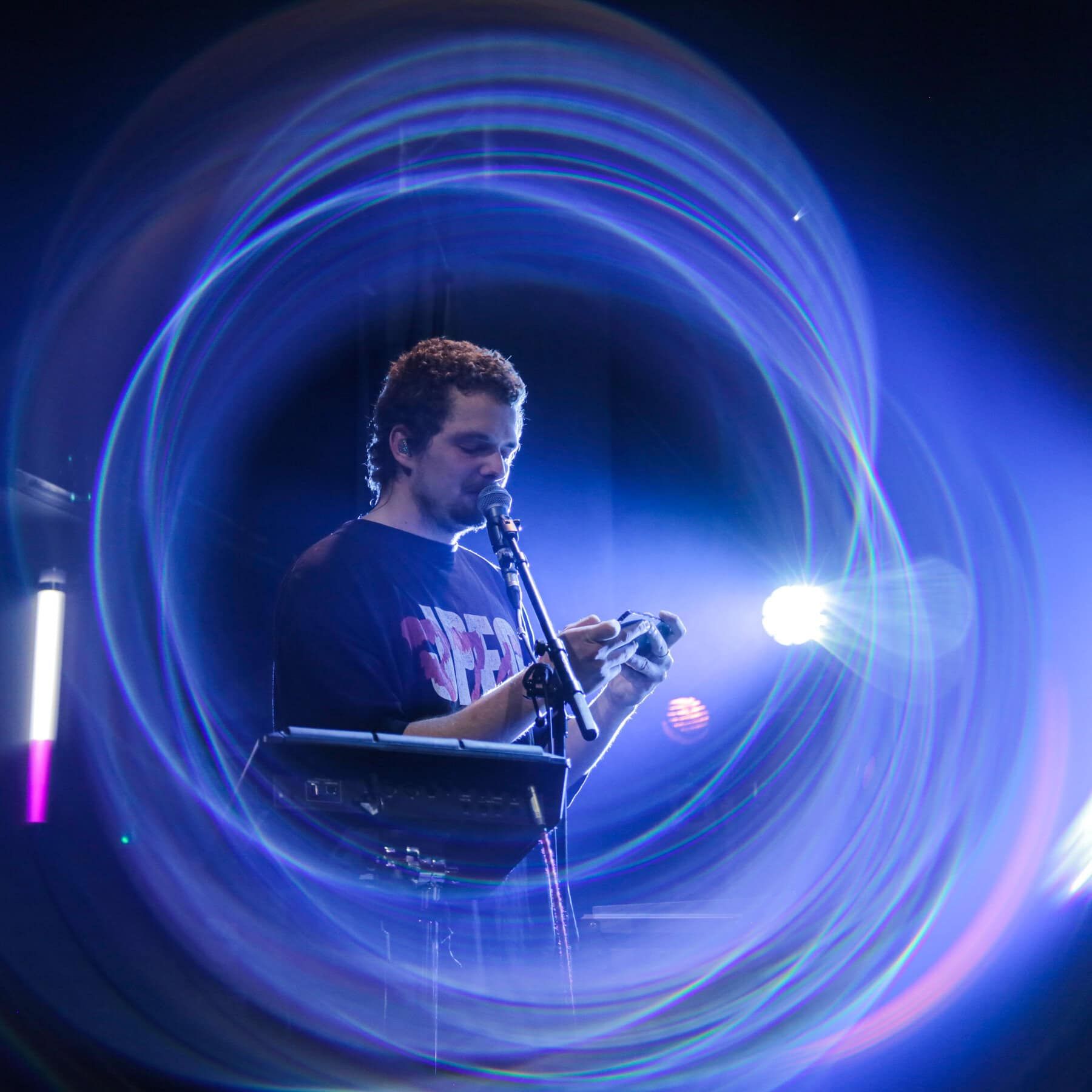
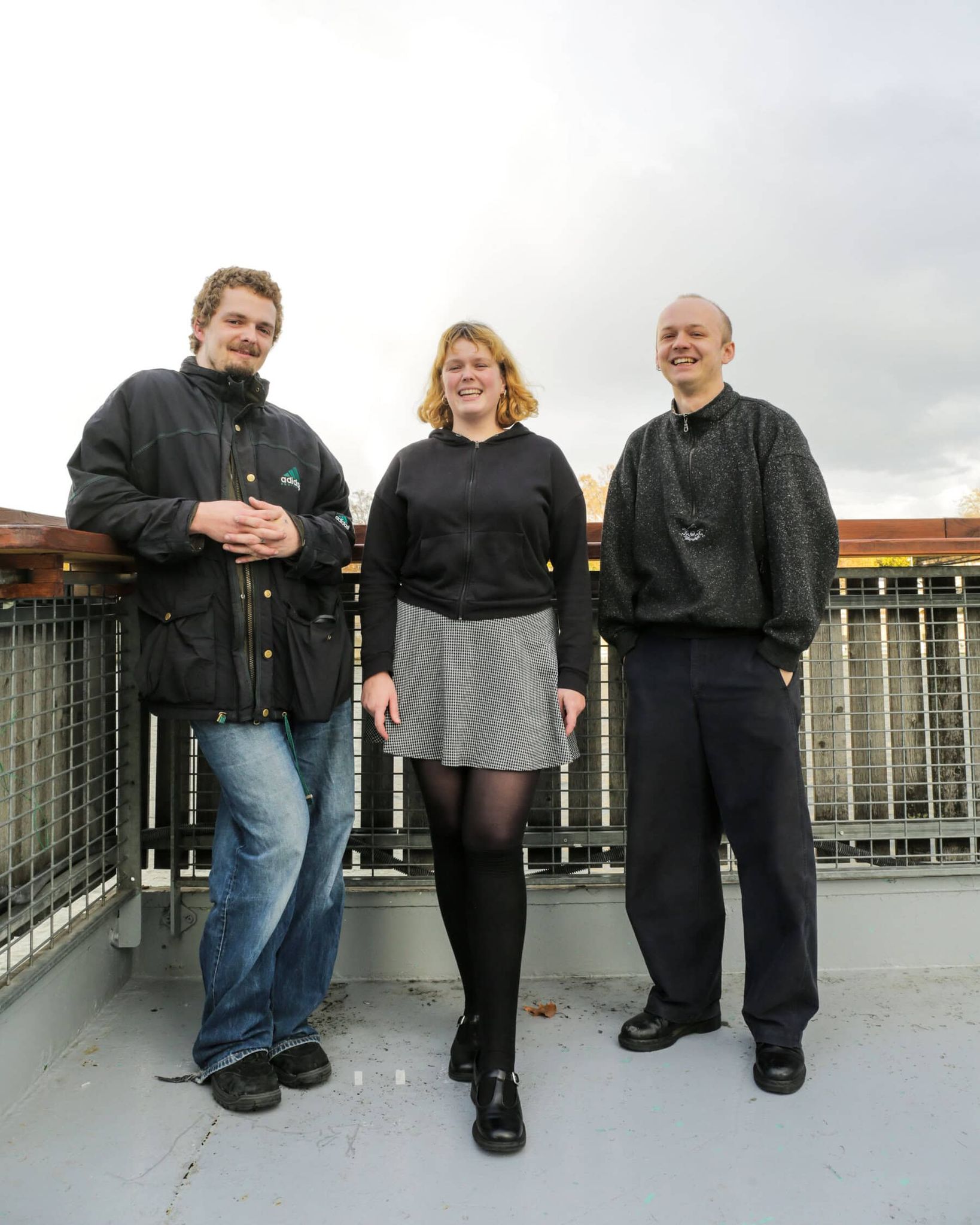
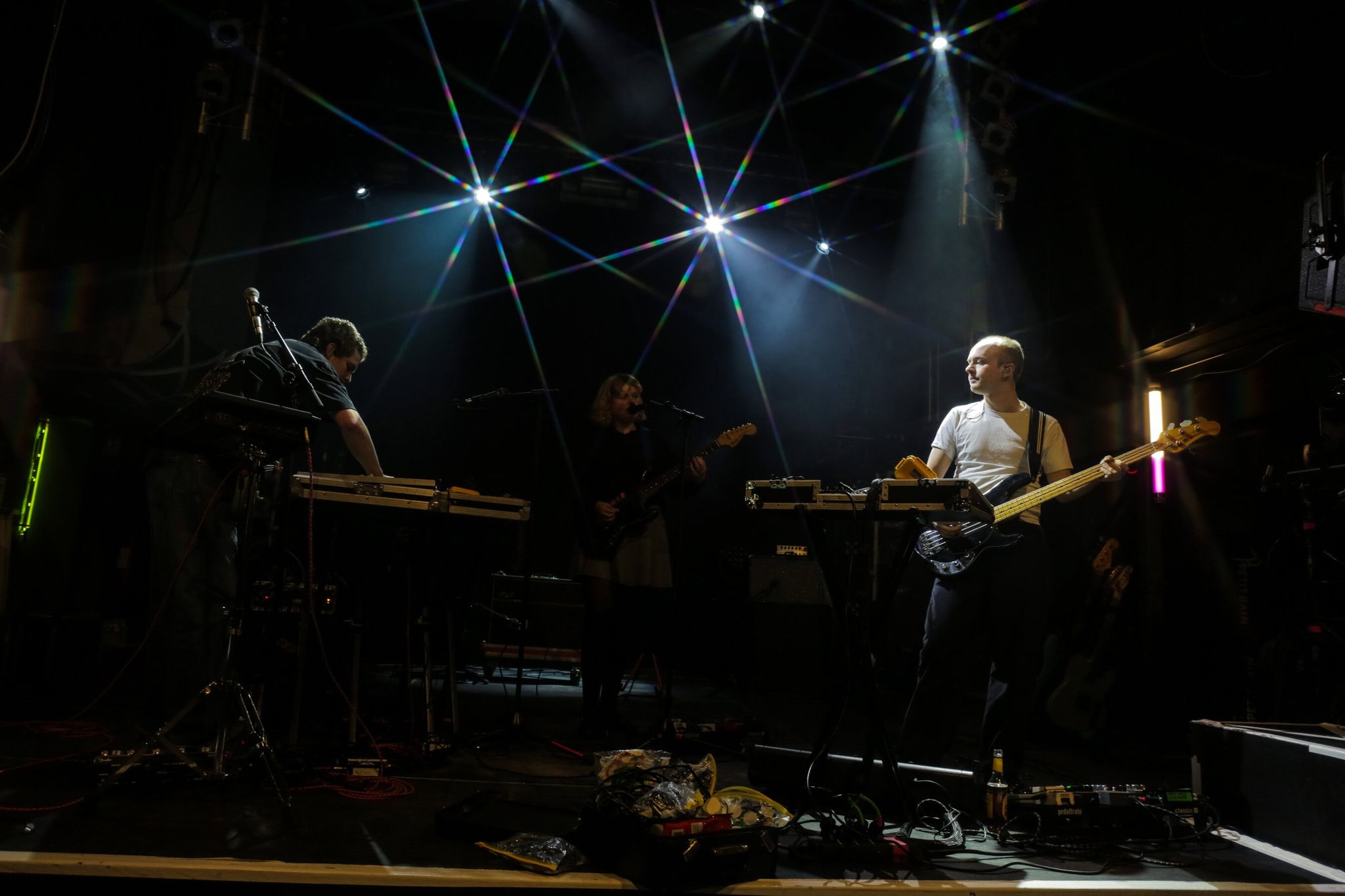
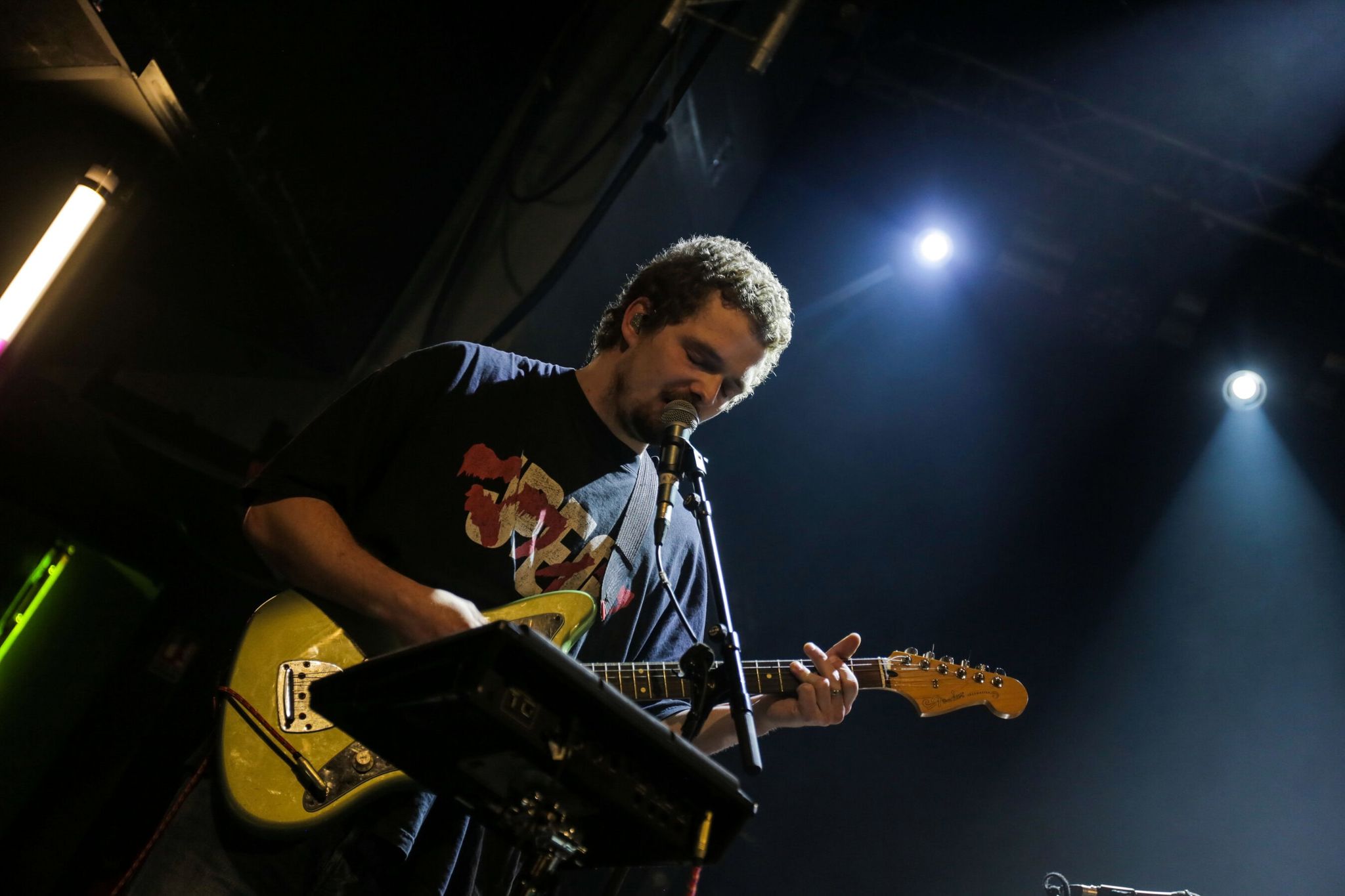
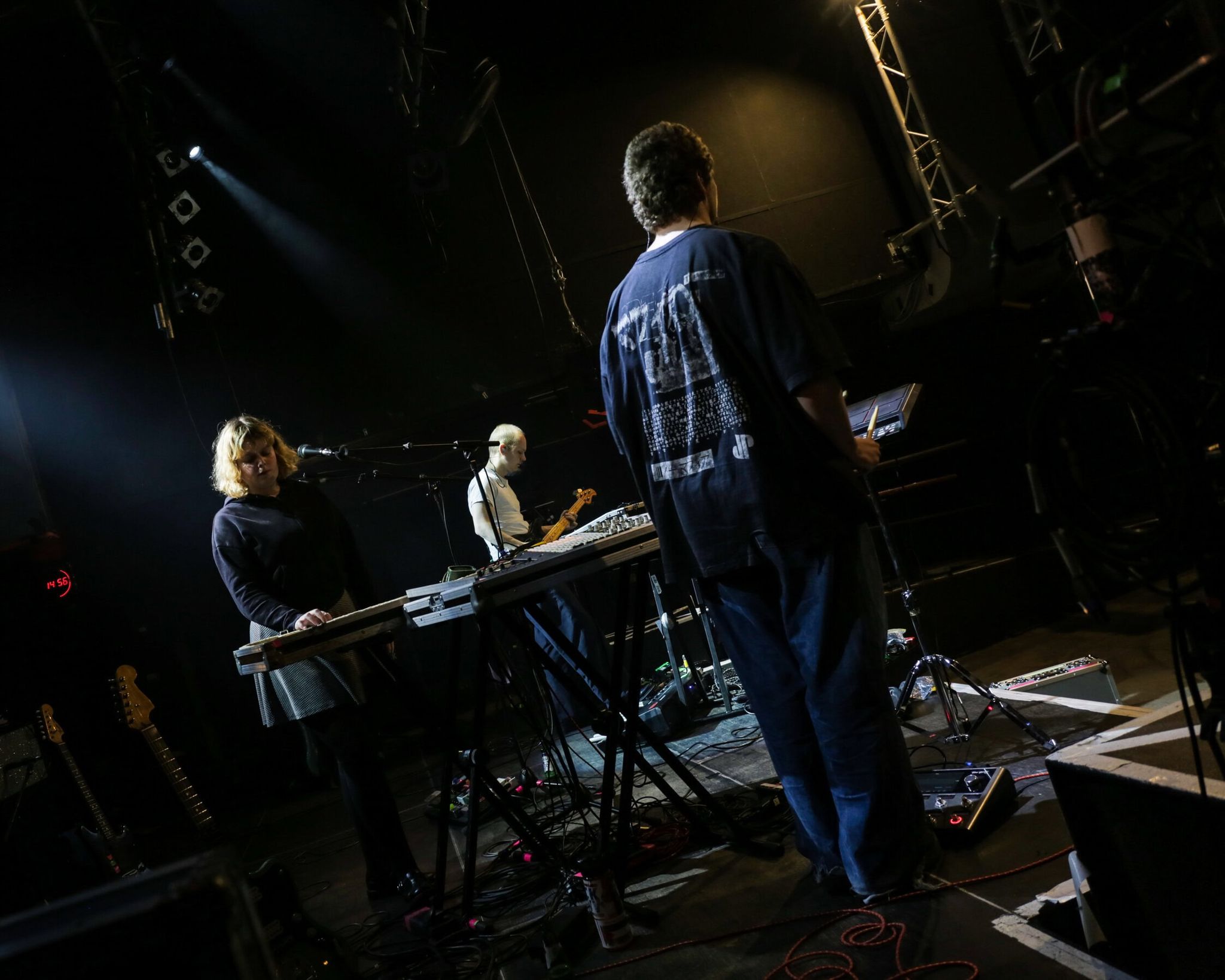
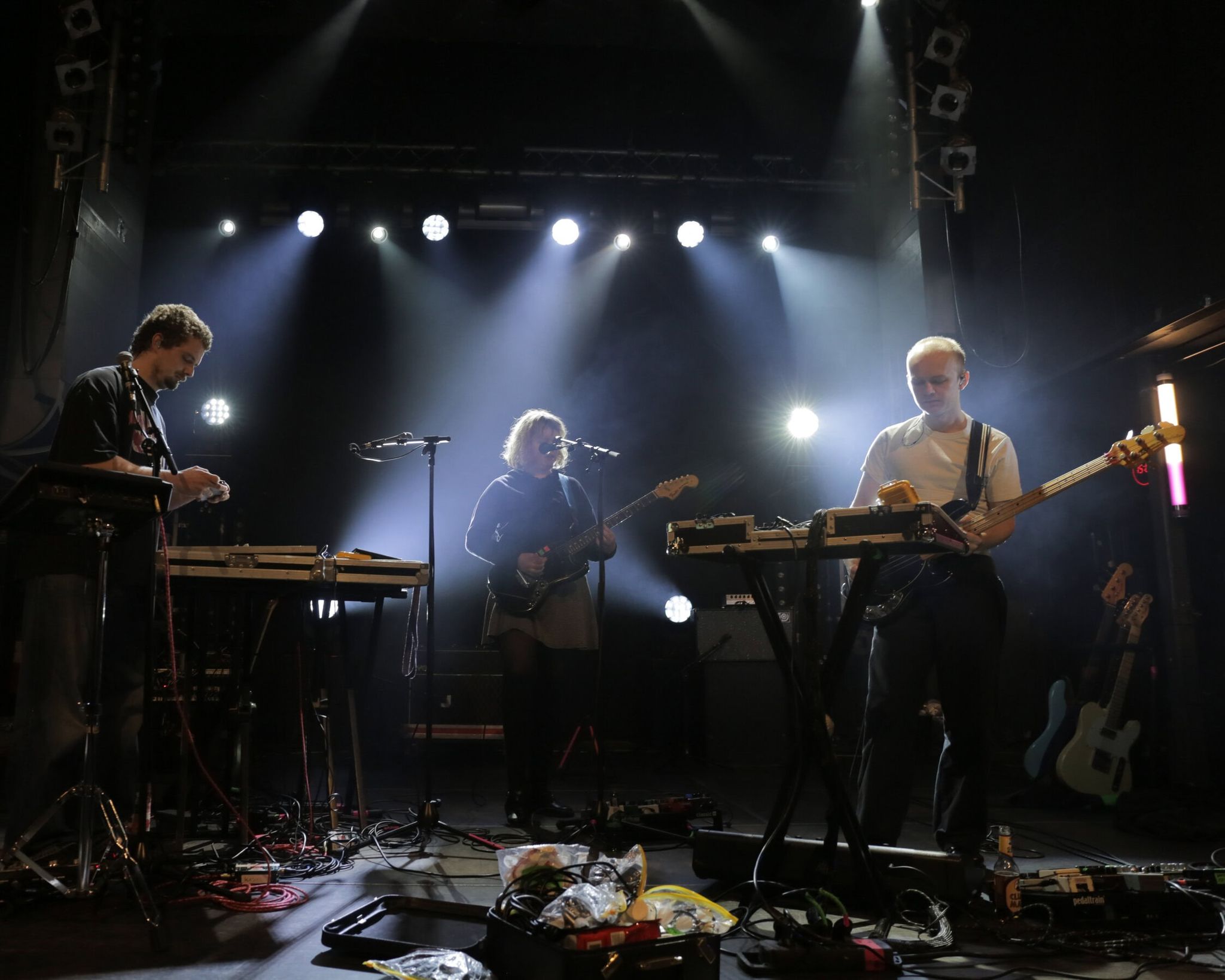
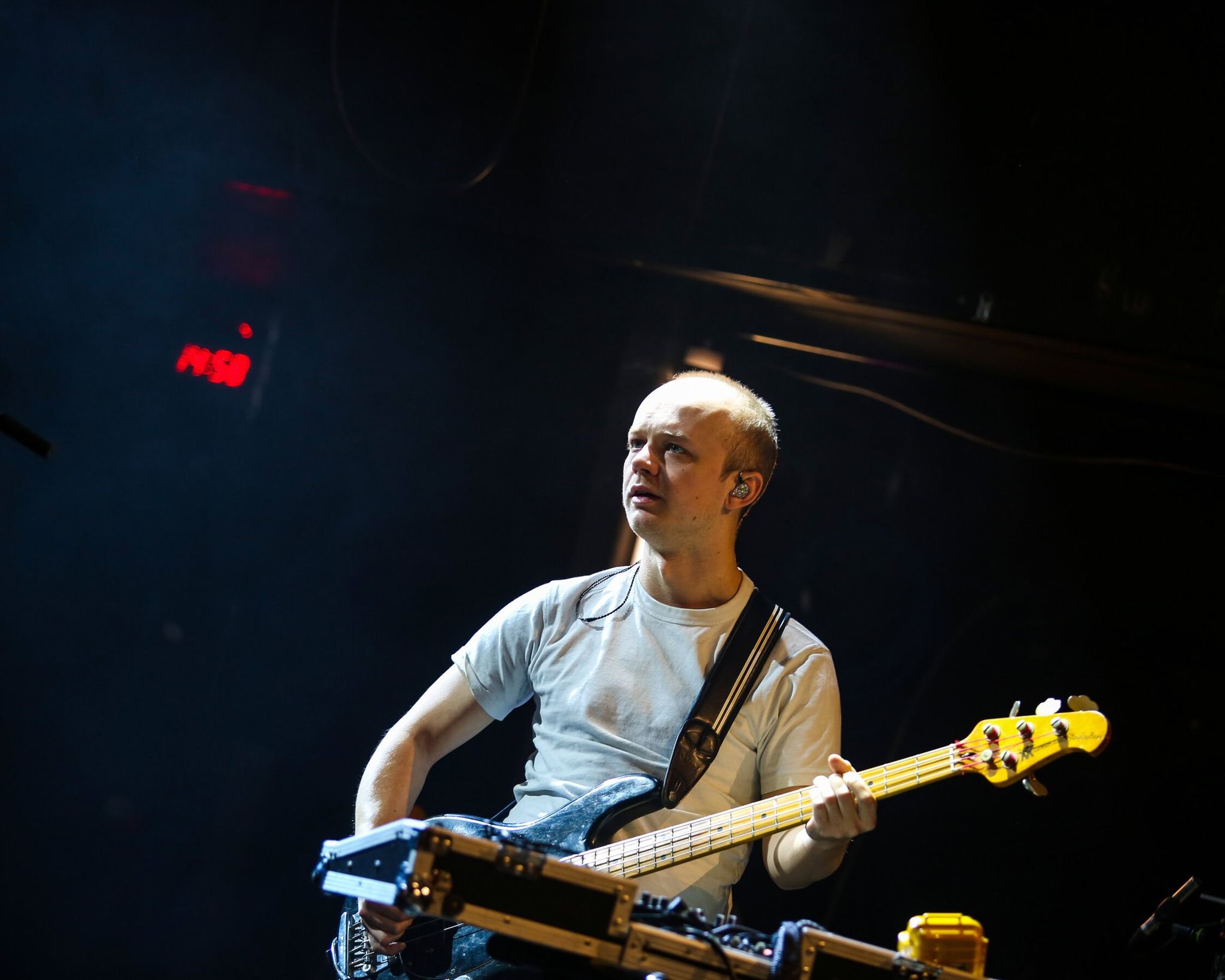
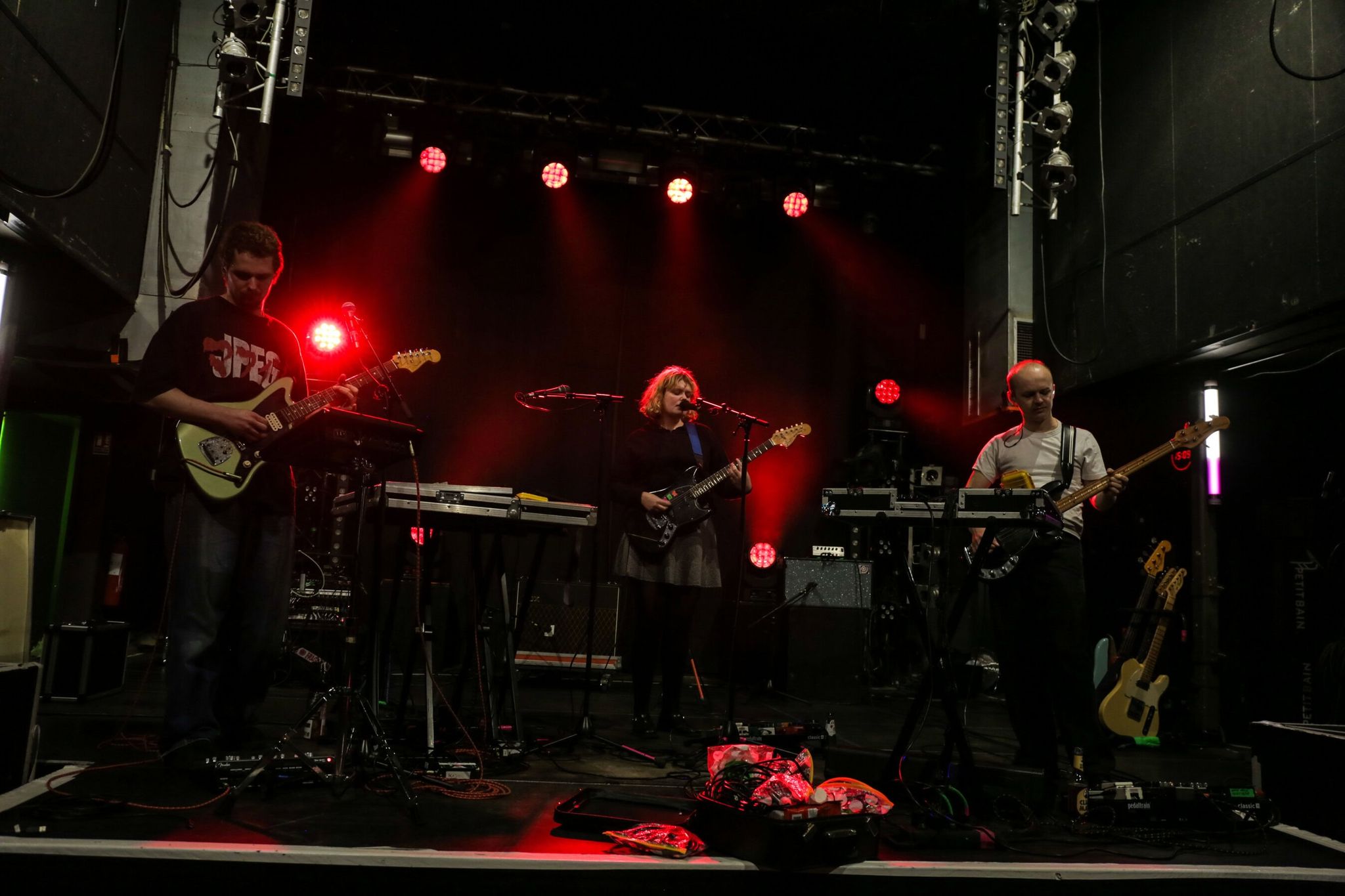
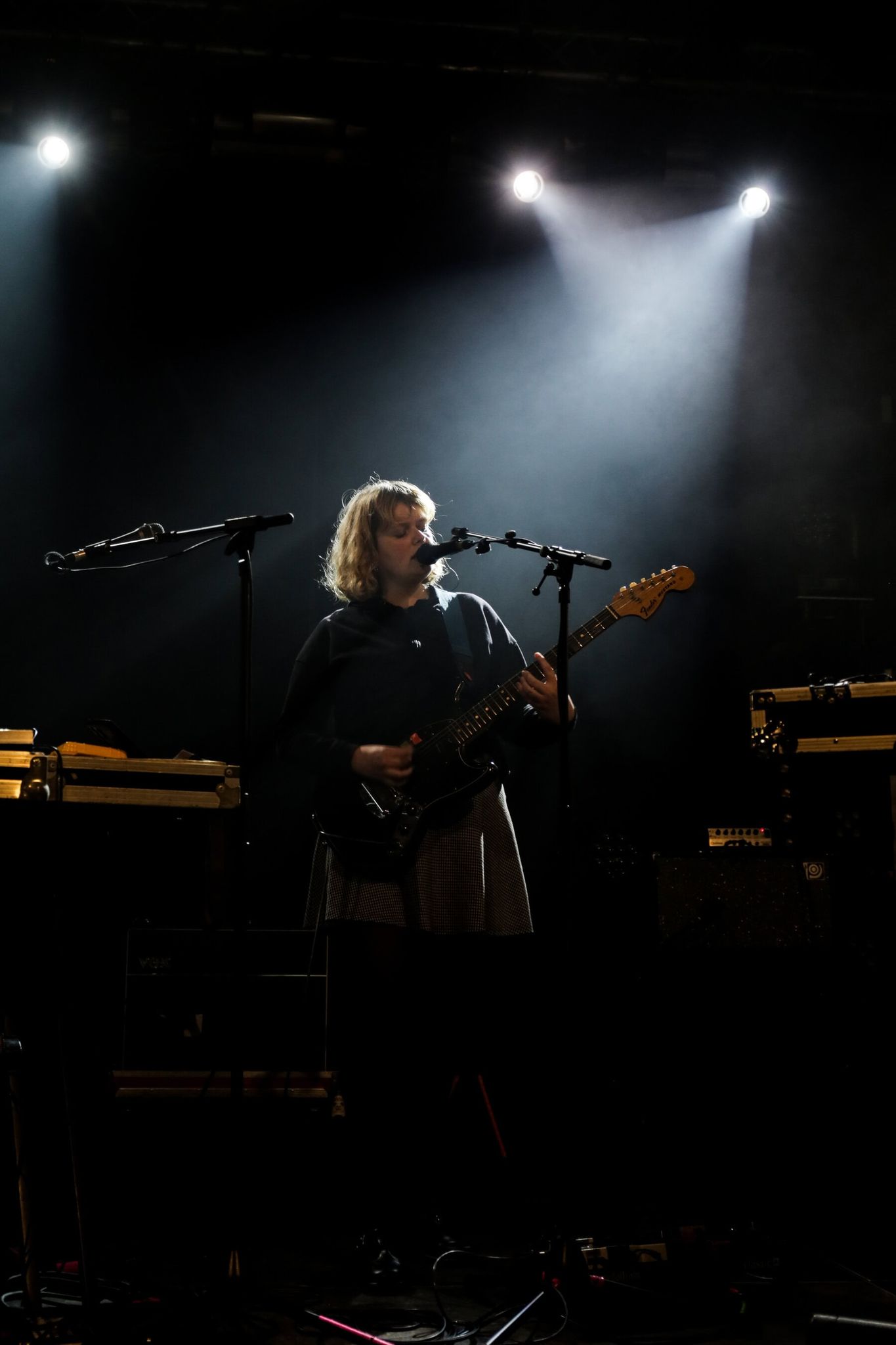
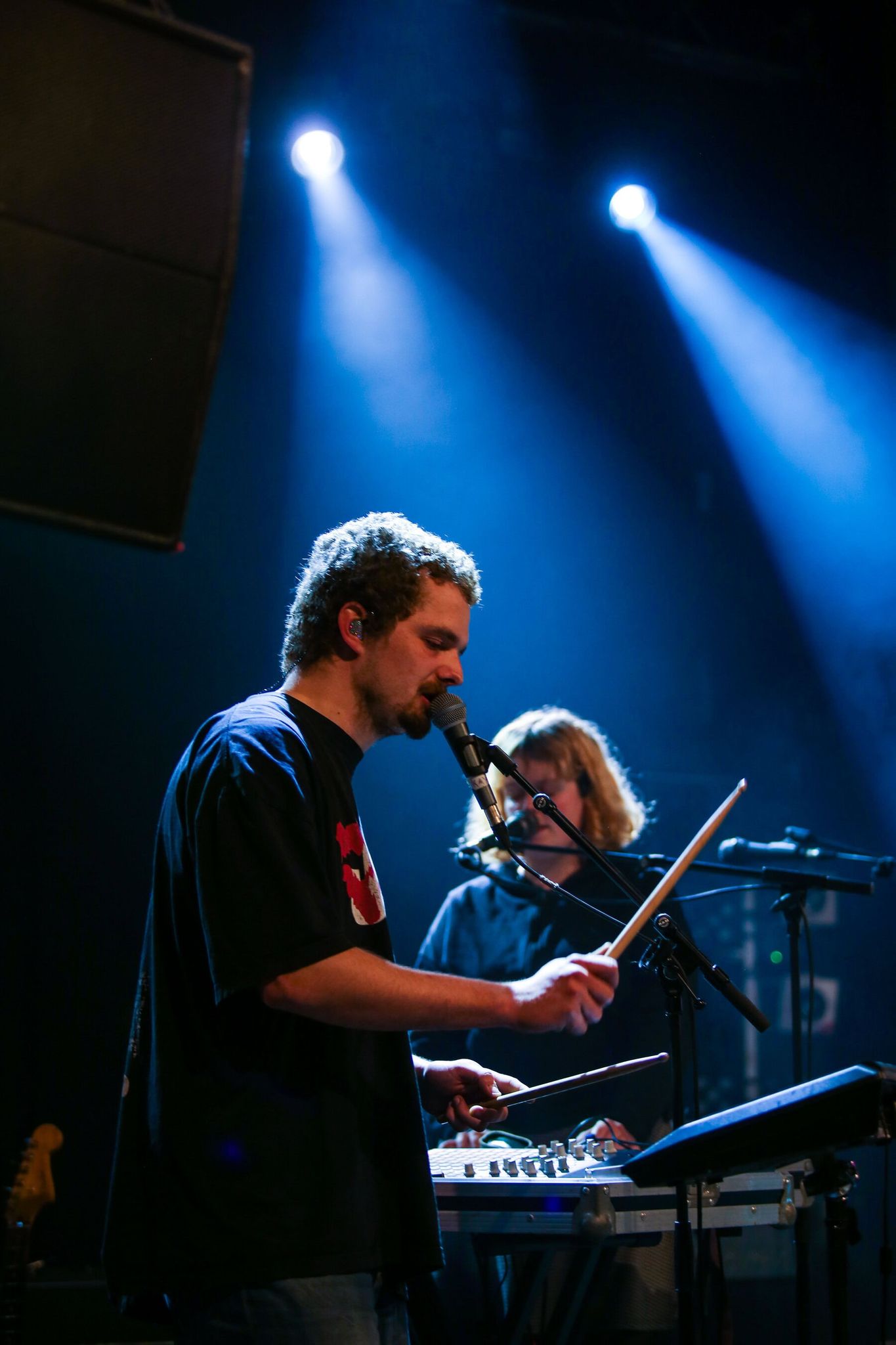
La Face B a rencontré Pip Blom au Petit Bain, à l’occasion de leur mini-tournée européenne en clubs pour présenter Grip, leur nouvel EP. Pensée comme une célébration plus intime, cette série de dates marque un moment clé pour le trio néerlandais. Première sortie indépendante, Grip symbolise un tournant musical et créatif, entre prise de risque assumée, émancipation artistique et exploration de nouveaux territoires sonores. Dans cette interview, Pip, Tender et Darek reviennent sur la liberté — mais aussi la responsabilité — de tout faire soi-même, sur l’évolution de leur son vers des textures plus électroniques et sur une écriture désormais plus affirmée. Une conversation vivante, traversée d’humour, qui révèle un trio quirky à l’identité sonore bien trempée!
Retrouvez également le travail d‘Alexia Arrizabalaga-Burns (sous le pseudo Troubleshooteur) sur son site et sur Instagram
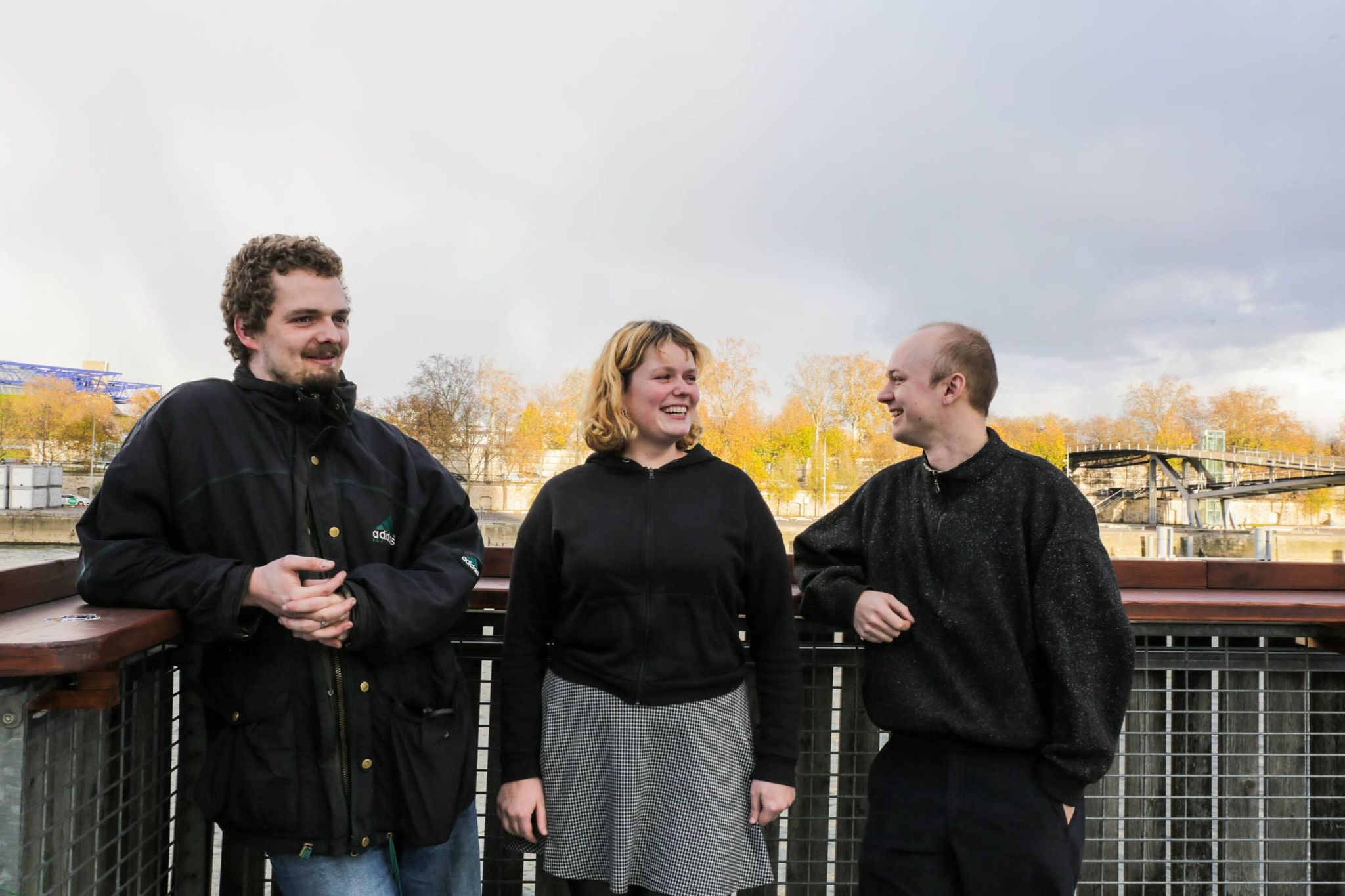
J’aime vraiment cet entre-deux entre musique indie et musique de club, parce que d’habitude, il faut choisir un camp — et moi j’aime la combinaison. » — Pip Blom
La Face B : Bonjour Pip Blom, vraiment ravie de vous rencontrer. Vous célébrez votre nouvel EP Grip avec six concerts en clubs à travers les Pays-Bas, la France, le Royaume-Uni — vous étiez au Luxembourg hier. Qu’est-ce qui a inspiré ce format Grip plus intime, centré sur les clubs ?
Pip Blom : Je pense qu’on voulait terminer cette période sans passer directement par de très grandes salles, et on aimait aussi l’idée de faire quelque chose de plus petit, parce qu’on aime vraiment les petites salles. C’était le point de départ. Bon, celle-ci est grande — je ne dirais pas que c’est petit — mais les autres dates étaient beaucoup plus intimistes.
Tender Blom : Le concept n’a pas vraiment pris forme exactement comme on l’avait imaginé, parce qu’on voulait que ce soit davantage un croisement entre une soirée club et un concert. Mais beaucoup de salles ne fonctionnent pas comme ça, donc on voulait aussi intégrer des DJ.
Pip Blom : C’était aussi compliqué pour les fans, je pense, parce que la communication était délicate. C’était difficile d’expliquer ce qu’on voulait faire. D’habitude, quand tu vas à un concert, tu rentres chez toi après, et nous, on voulait trouver un moyen pour que les gens restent pour un DJ set ensuite. On est encore en train de réfléchir à comment faire ça.
La Face B : C’est super parce que c’est un format différent, et vous pouvez communiquer dessus à votre manière. Est-ce que vous allez jouer l’EP en entier ce soir ?
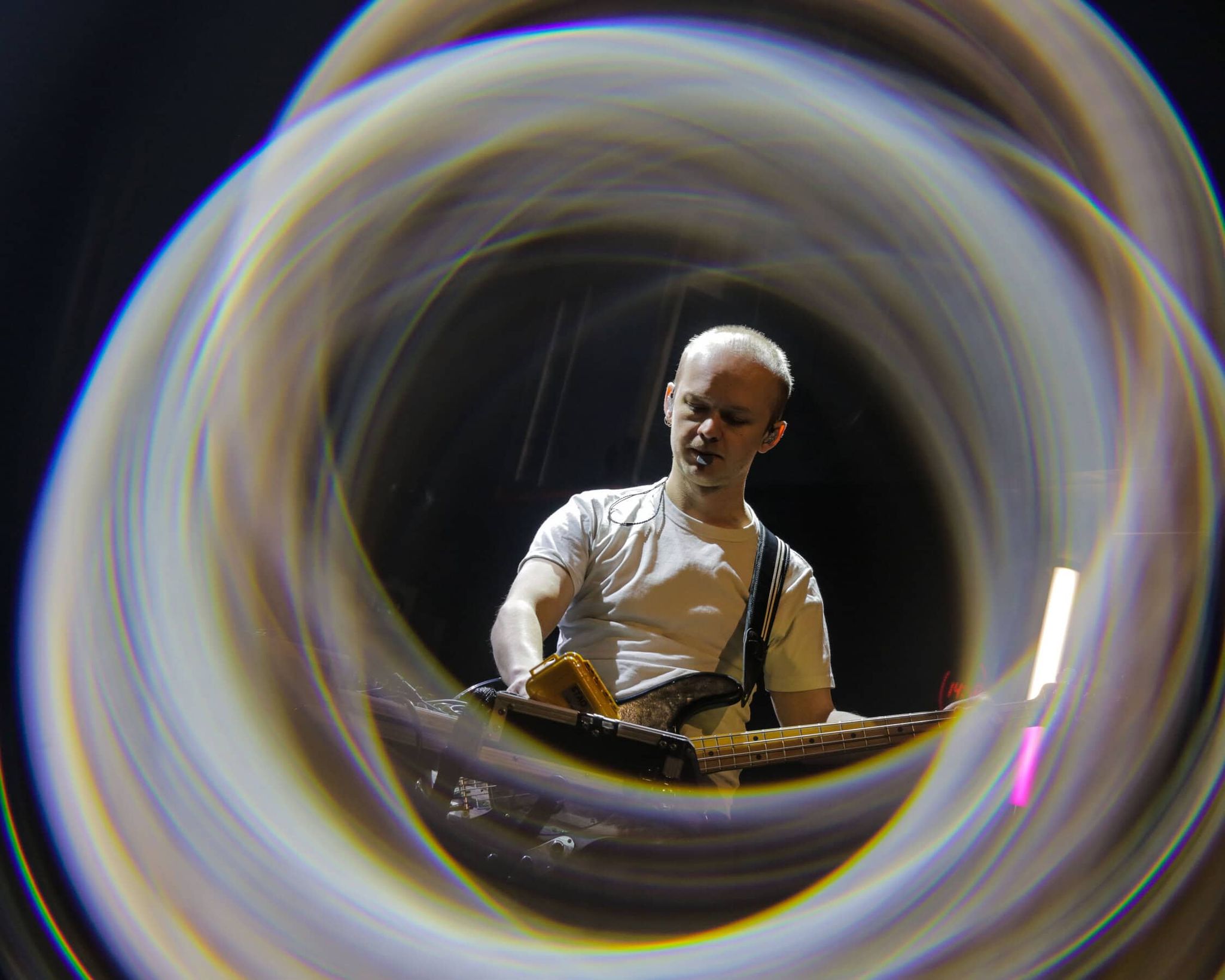
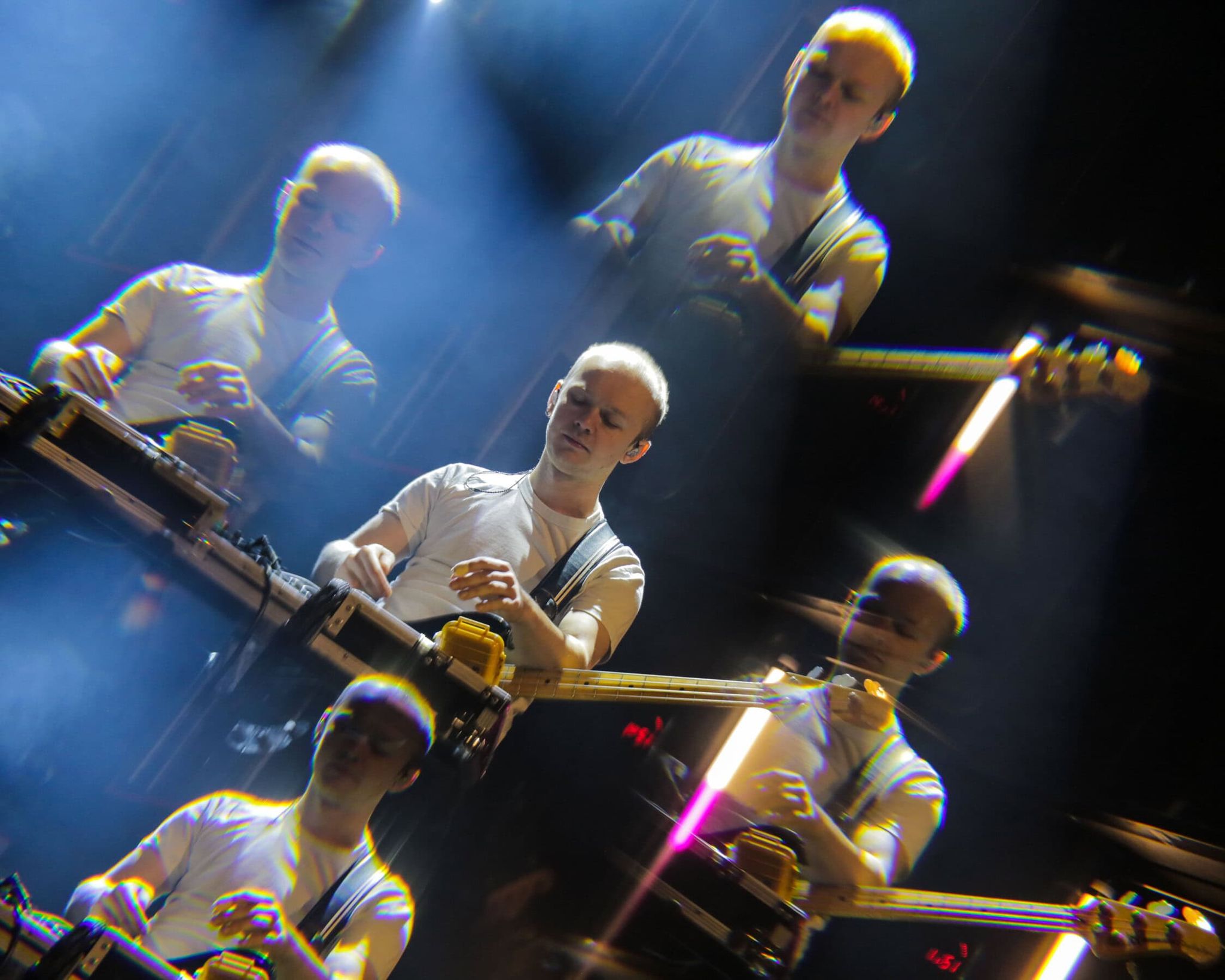
Tender Blom : On ne joue pas un morceau de l’EP — on en joue quatre sur cinq — et ensuite des titres de Bobby et des morceaux plus anciens aussi.
La Face B : Comment les nouveaux morceaux prennent-ils vie sur scène jusqu’à présent ?
Pip Blom : Très bien, oui. J’aime beaucoup. C’est toujours un peu flippant, parce que c’est la première sortie sans label, donc tu te demandes : « Est-ce que les gens vont écouter ? Est-ce qu’ils l’ont écouté ? » Mais l’accueil a été très bon, surtout en live, et oui, j’en suis contente.
La Face B : Justement, c’était ma question suivante — vous revenez avec un EP, votre première sortie indépendante. Comment vous sentez-vous maintenant qu’il est enfin sorti ?
Pip Blom : C’est très différent de tout faire soi-même par rapport à travailler avec un label. C’est dur.
Tender Blom : Oui, c’est difficile — surtout avec un EP.
Pip Blom : On n’a pas encore sorti d’album seuls, et un EP est toujours plus compliqué pour obtenir une vraie visibilité. La campagne est plus courte, ça ne rentre pas dans les classements. Mais étant donné qu’on l’a fait nous-mêmes, on a eu pas mal de presse, ce qui est vraiment chouette. Et s’il y a un problème, il n’y a personne d’autre à blâmer. Quand tu travailles avec un label, ce n’est jamais vraiment la faute de quelqu’un, mais là, tu te sens beaucoup plus responsable quand tu fais tout toi-même. Malgré tout, j’aime bien — c’est important de réaliser de temps en temps tout ce que ça implique.
La Face B : Vous êtes un peu comme un couteau suisse — il n’y a pas que la musique, l’arrangement, le mixage et la production, mais aussi la manière de communiquer. De Paycheck à Boat, Welcome Break, Bobby et maintenant Grip, votre son est passé d’un indie rock brut à des textures synthés plus riches et à des éléments plus électroniques. Avec le recul, quel a été le principal moteur de cette évolution ?
Pip Blom : Quand on a commencé, je voulais déjà mettre plus de synthés sur les albums, mais ça ne s’est jamais vraiment fait parce qu’on se disait : « On enregistrera ça en studio », et puis on manquait de temps. Après Welcome Break, j’ai essayé une approche différente pour l’enregistrement et la conception d’un album. Dès le début, j’ai travaillé avec Dave McGregor et on a intégré beaucoup de synthés, donc ça a été un vrai tournant. Et puis notre batteuse, Ginny, a quitté le groupe — mais c’était un peu une coïncidence, parce qu’on a fait Bobby à quatre. C’était déjà plus électro, puis elle est partie parce qu’elle attendait un bébé. Après ça, on a décidé d’essayer de faire de la musique sans batteur live et de voir ce que ça donnait.
La Face B : Tes paroles ont toujours trouvé un équilibre entre introspection et énergie, mais elles semblent plus personnelles et émotionnellement à nu de Boat à Grip. Comment est-ce que ton approche de l’écriture a évolué sur ces cinq titres ?
Pip Blom : C’est drôle parce que je n’écoute pas vraiment les paroles quand je les chante, donc je ne sais même pas vraiment ce qu’étaient les anciennes. Je pense que j’écris toujours de la même manière — j’utilise toujours RhymeZone.
La Face B : Comme Florence Welch — elle adore RhymeZone.
Pip Blom : Oui, c’est génial. Je pense que l’approche est la même, mais peut-être que j’ai moins peur. Tout n’est pas autobiographique, mais il y a une part de moi dedans. Au début, je trouvais ça vraiment difficile de partager des choses personnelles avec les gens. Maintenant, j’ai moins peur.
La Face B : Peut-être que tu es aussi plus confiante.
Tender Blom : Après neuf ans, autant écrire sur soi. Tu accumules tellement d’histoires, et certaines choses viennent naturellement.
La Face B : L’EP a été décrit comme affirme, mais aussi comme votre projet le plus agité sur le plan sonore. Est-ce que ça correspond à ce que tu as ressenti en le faisant ?
Pip Blom : Bonne question. Le côté agité — je ne sais pas trop. Je ne pense pas être personnellement si agitée.
Tender Blom : Niveau son, si, quand même. Tu es plutôt chill, mais aussi agitée.
Pip Blom : Peut-être d'un point de vue son, oui. On essaie de rendre chaque morceau différent, et comme il n’y a que cinq titres, ça peut donner cette impression. Et pour le côté sûr de soi — oui, ça fait longtemps qu’on fait ça maintenant, donc on apprend un peu plus à chaque fois.
La Face B : Des morceaux comme « Ring » ou « Temporary Love » s’aventurent clairement vers des territoires plus électro, presque club. Qu’est-ce qui t’a attirée vers cette direction ?
Pip Blom : C’est drôle parce que « Ring » a encore pas mal de guitare, mais ça sonne quand même plus club. Je ne sais pas trop pourquoi — je crois que j’avais juste envie d’essayer. J’aime beaucoup les arpégiateurs, et ça résonne davantage avec la musique de club.
Tender Blom : Tu as écrit les morceaux, tu en étais contente — c’est tout.
La Face B : Musicalement, c’est léger et dansant, alors que les paroles sont plus profondes et dramatiques. Y avait-il des références musicales ou visuelles qui ont façonné l’atmosphère de Grip ?
Tender Blom : Tu avais des références à David Byrne.
Pip Blom : Et Working Men’s Club. J’adore leur son. J’aime la façon dont ils existent entre la musique indie et la musique de club. Cet entre-deux m’intéresse vraiment, parce que d’habitude, il faut choisir un camp, et moi j’aime la combinaison.
La Face B : C’est drôle que tu les mentionnes — on a rencontré Sydney il y a quelques semaines et une interview arrive bientôt pour son projet solo.
Pip Blom : Son projet solo est beaucoup moins électro, non ?
La Face B : Exactement — c’est pour ça qu’il l’a sorti sous son propre nom. Tu as souvent dit que l’amour reste un thème récurrent dans ton écriture. Est-ce qu’il a pris une signification différente sur Grip ?
Pip Blom : Je ne pense pas. L’amour joue un rôle tellement important dans la vie de tout le monde. J’écoute des podcasts là-dessus, je lis des romans a l'eau de rose — c’est toujours quelque chose qui m’intéresse beaucoup, et j’aime l’aborder sous différents angles.
La Face B : L’idée de la recherche, et le mot « grip » — s’accrocher, presque avec des griffes — traverse l’EP. À quel moment ce thème s’est-il cristallisé pour toi ?
Pip Blom : J’ai eu une année assez compliquée et j’ai réalisé à quel point il est impossible d’avoir vraiment le contrôle sur les situations. La vie change constamment. Puis notre père s’est retrouvé à l’hôpital, et il portait ces chaussettes avec de petites croix dessus — ce qui a aussi inspiré l’artwork. Je trouvais ces chaussettes super cool, mais il n’avait pas le droit de les garder.
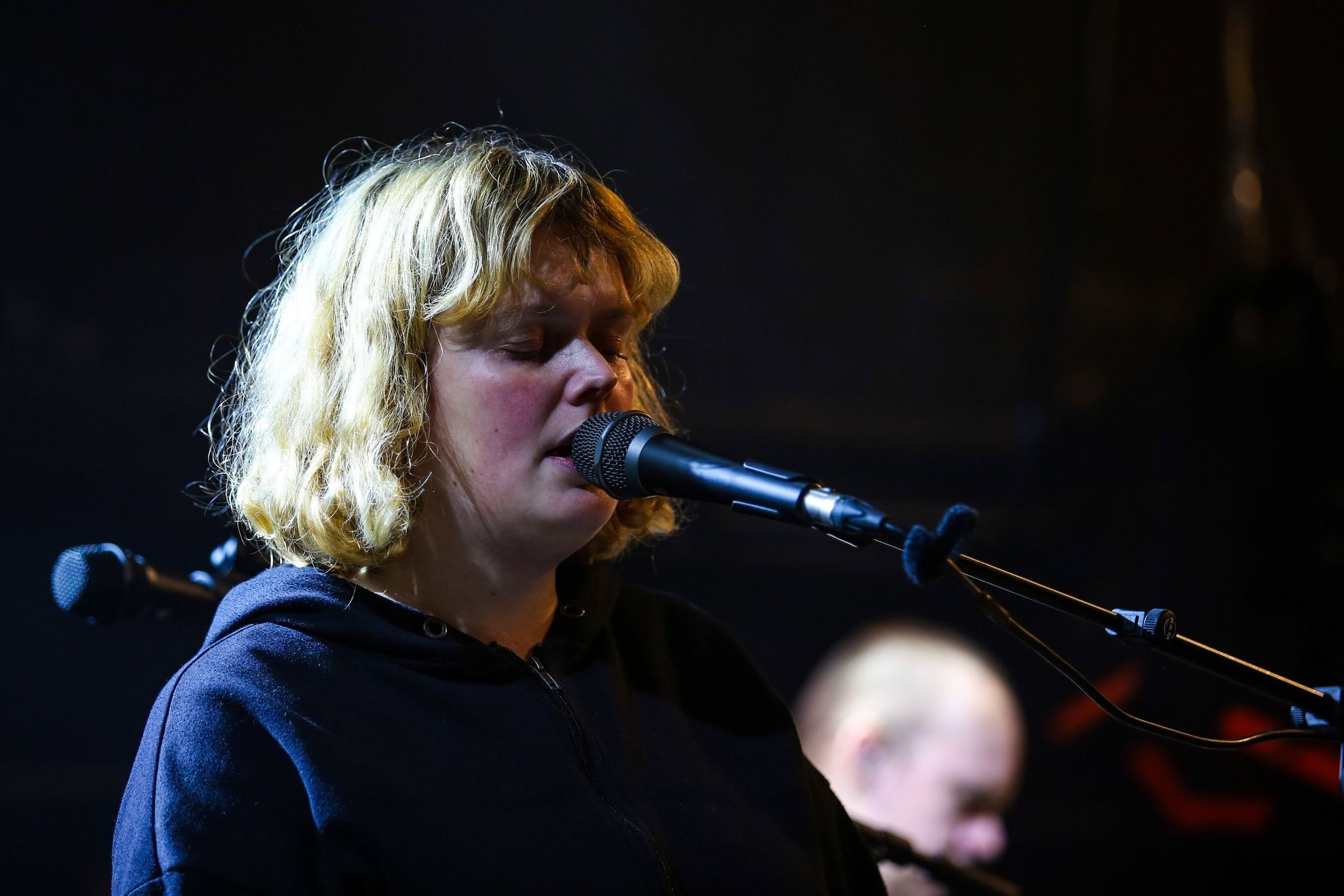
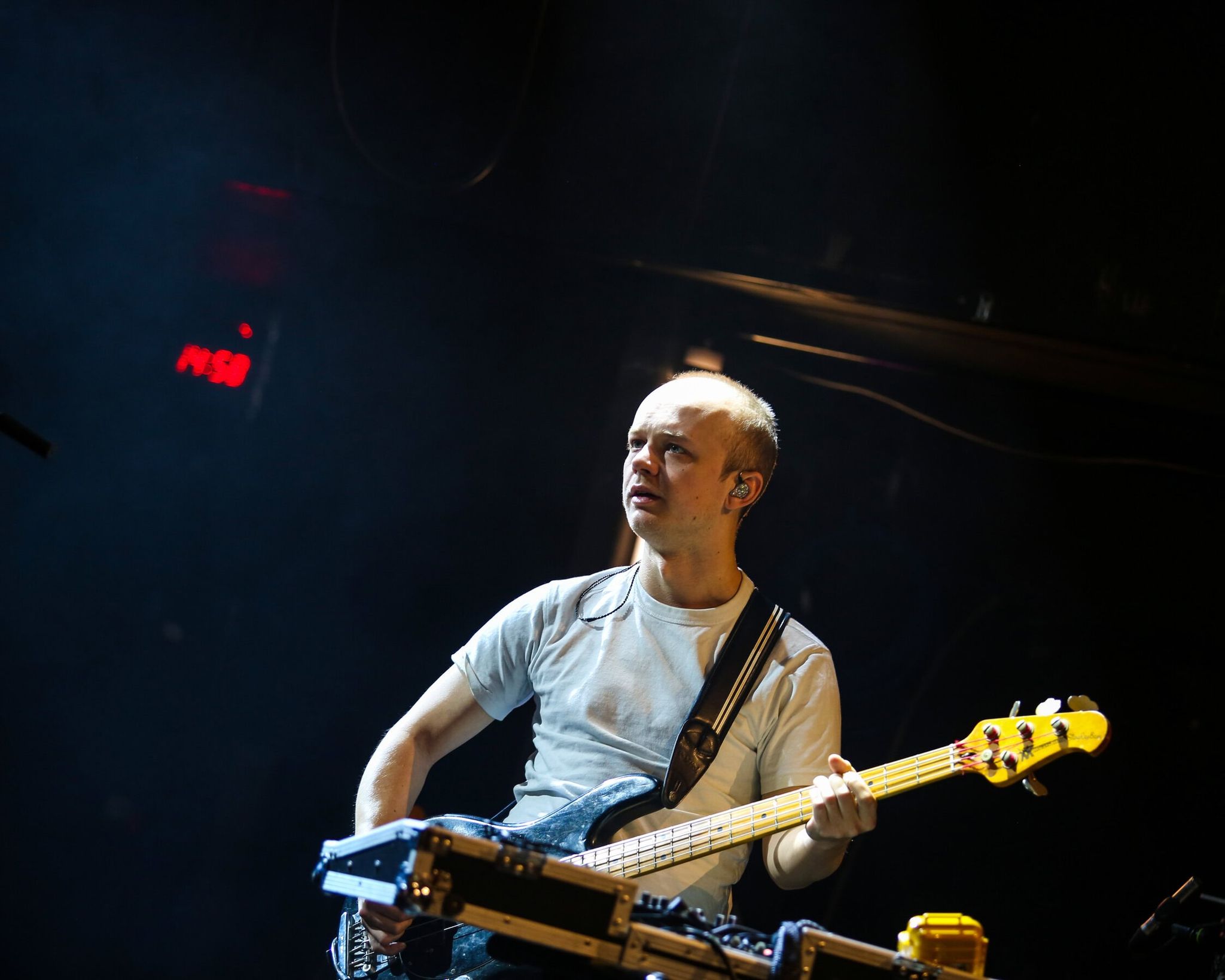
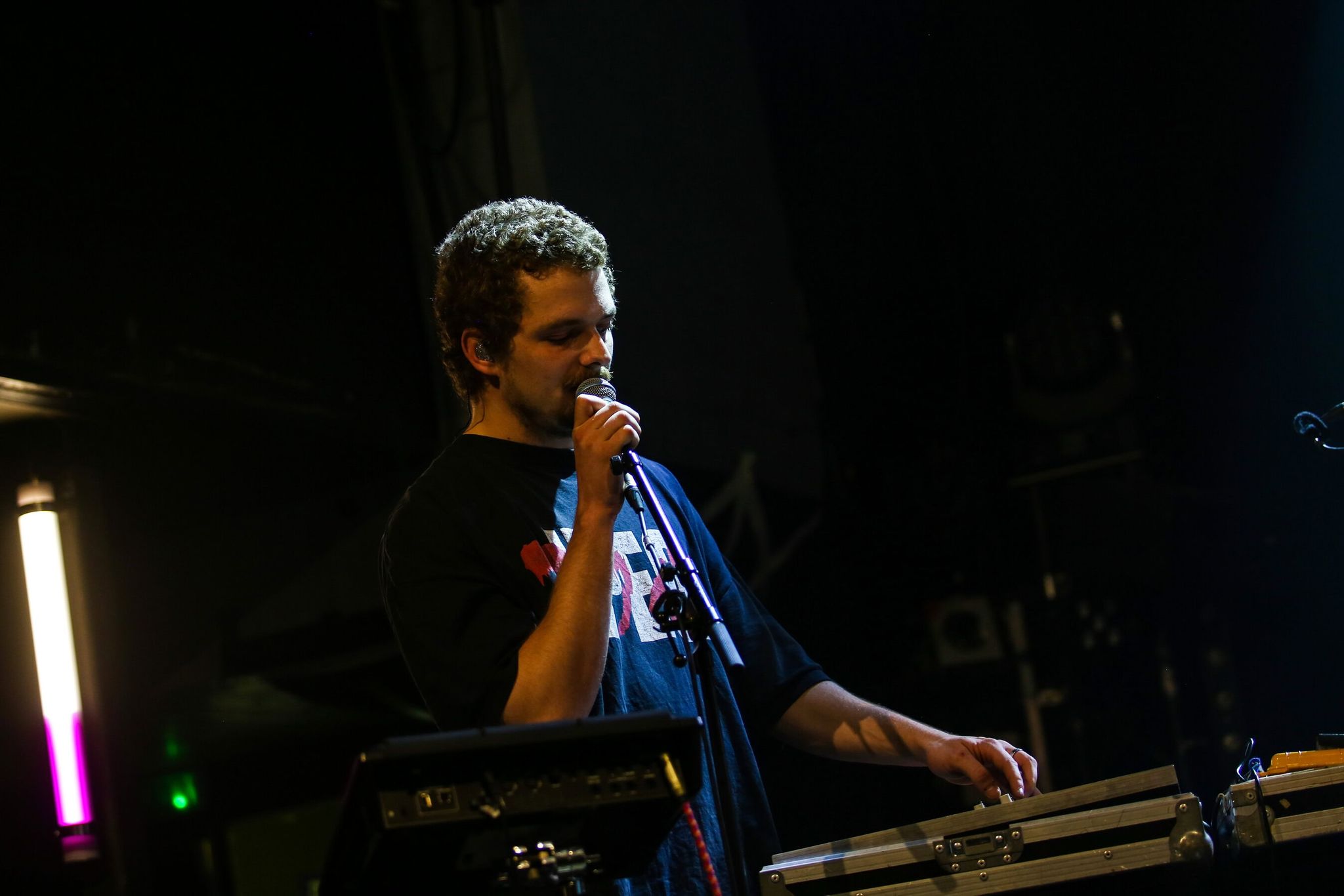
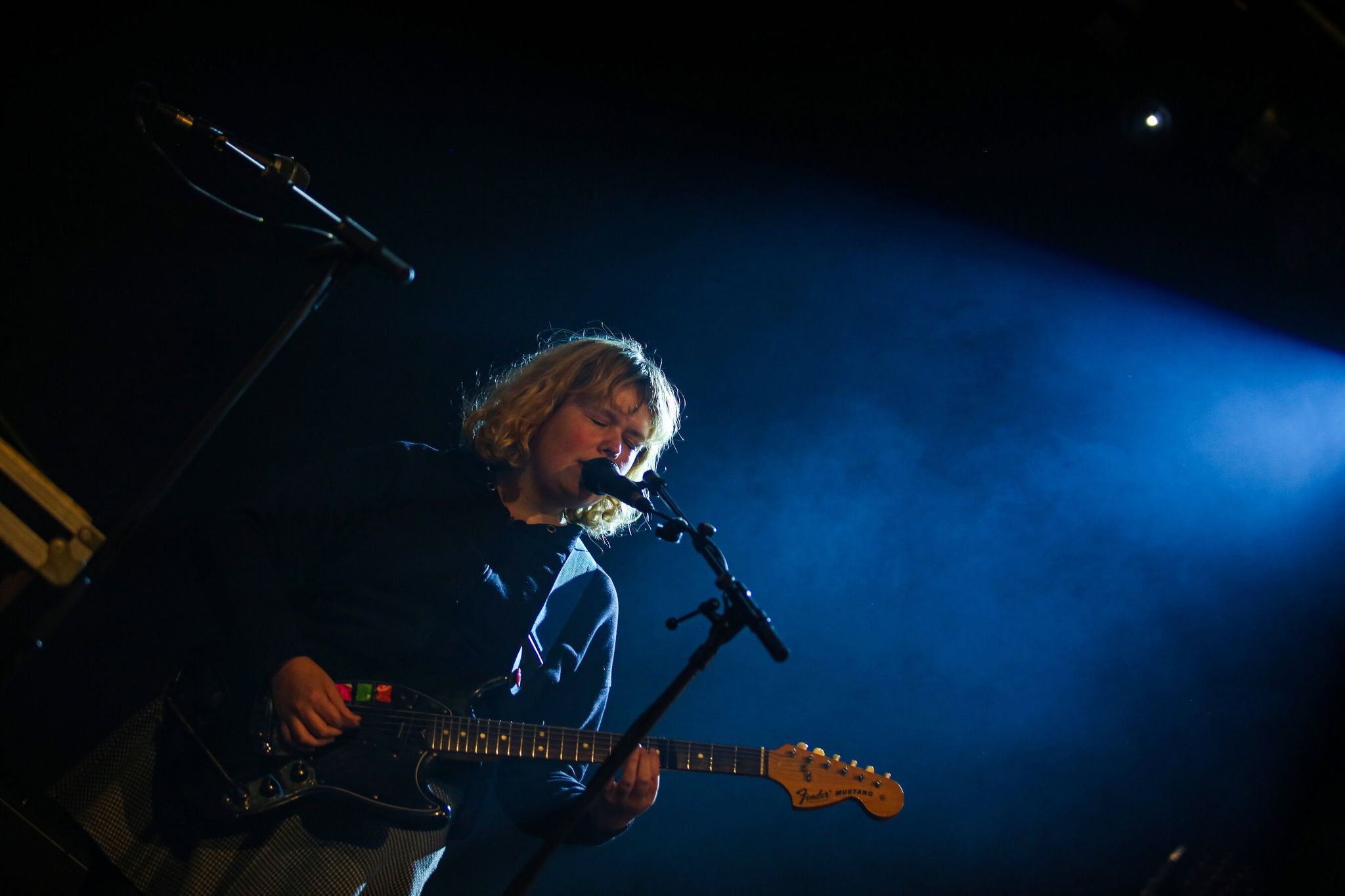
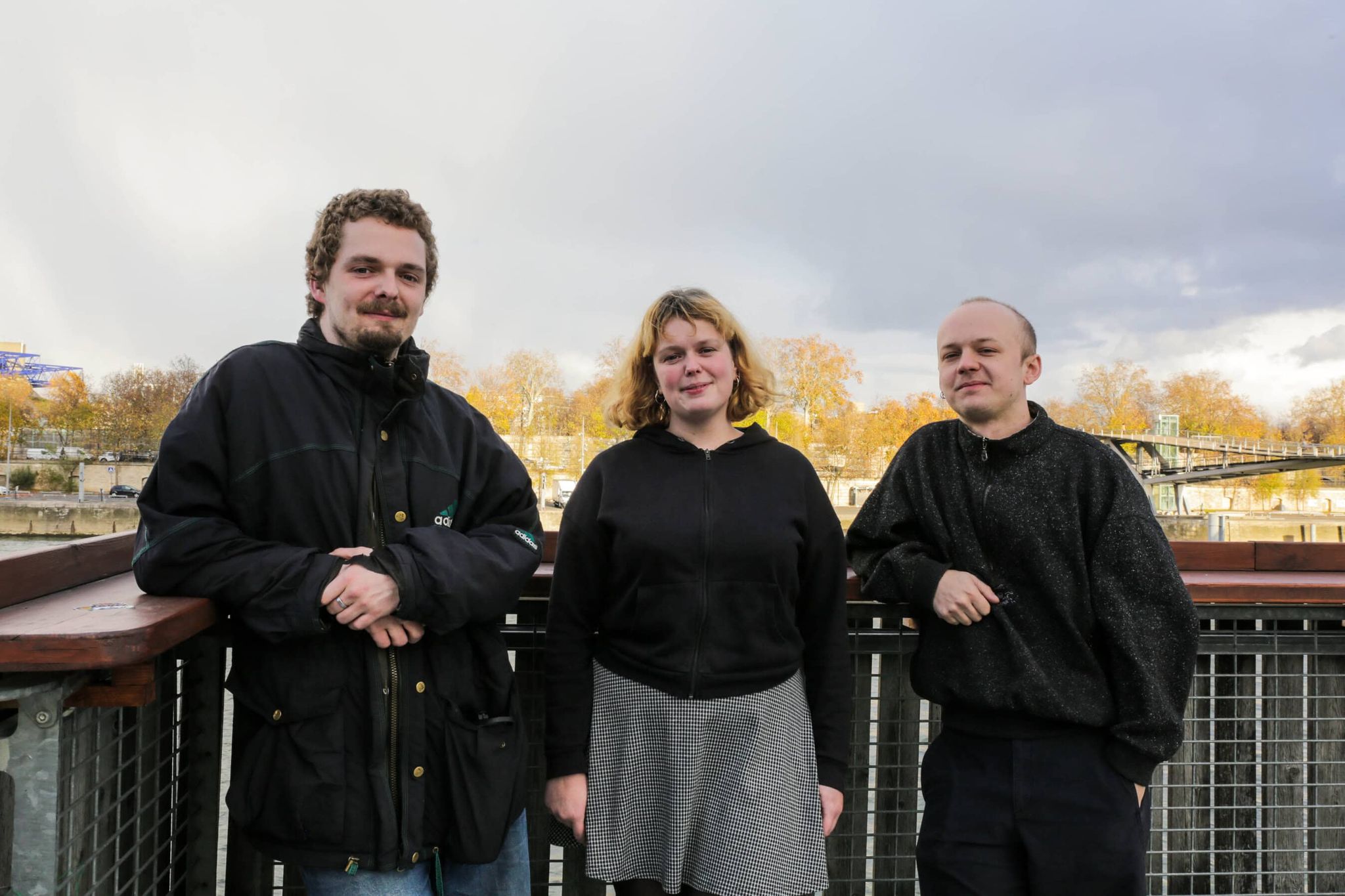
La Face B : Vous travaillez en trio — comment façonnez-vous et composez-vous les morceaux ensemble, et quels sont les rôles de Tender et Darek ?
Tender Blom : On enrichit davantage nos instruments. Darek est vraiment très fort pour sculpter les sons — il a un pedalboard complètement fou avec plein de textures différentes.
Pip Blom : J’écris les morceaux d’une certaine manière, puis Tender y jette un autre regard et retravaille certaines choses.
Darek Mercks : La plupart des morceaux sont presque terminés — il s’agit surtout de peaufiner, d’ajouter des dynamiques. Si c’est bien, c’est bien — je ne vais pas tout changer juste pour y apposer ma patte.
La Face B : Écris-tu en pensant à la performance live ?
Pip Blom : Non, c’est l’inverse. Une fois que le morceau est terminé, on réfléchit à comment le jouer en live. C’est un puzzle — il faut répartir les parties et utiliser tous les outils électroniques qu’on a.
La Face B : Vous allez me dire si vous les jouez en live ou non — « Temporary Love » ?
Tender Blom : Oui.
La Face B : « Sweep » ouvre l’EP avec des batteries très affirmées et des synthés superposés. Quelle a été l’étincelle ou l'histoire derrière ce morceau ?
Pip Blom : Je commence toujours par la batterie, parce que je ne sais pas vraiment en faire correctement. J’utilise Splice, une sorte de base de données de sons, et je superpose ce que j’aime. Ensuite, c’est bien que quelqu’un d’autre aide à nettoyer tout ça, parce que je peux écouter un truc un million de fois et perdre toute perspective.
La Face B : « Ring » est comme un petit détour par votre ADN indie rock. Comment ce morceau est-il né, et pourquoi l’avoir choisi comme single principal ?
Pip Blom : J’aimais vraiment ce côté estival, ambiance beach club. On avait eu un remix de « Keep Together » auparavant, et j’adorais le fait que ça sonne presque comme une nouvelle chanson. J’avais envie de faire quelque chose inspiré par ça.
La Face B : « Drift » est le seul morceau que vous ne jouez pas ce soir. Il a une urgence émotionnelle à combustion lente — qu’est-ce qu’il se cache derrière ?
Pip Blom : C’est un mélange de sentiments. Je voulais essayer de faire un morceau plus calme.
La Face B : Questions rapides maintenant — y avait-il un album ou un artiste dont tu étais obsédée pendant la création de Grip ?
Pip Blom : Metronomy, The Shins — ils ont toujours été des inspirations. Différentes choses influencent différents disques.
La Face B : Si Welcome Break, Bobby et Grip étaient des films ?
Tender Blom : Welcome Break serait un road movie feel-good, comme Little Miss Sunshine.
Pip Blom : Bobby serait Licorice Pizza.
La Face B : Et Grip ?
Pip Blom : BoJack Horseman.
La Face B : Avec quel·le réalisateur·rice rêveriez-vous de travailler pour un clip ?
Tender Blom : David Lynch — paix à son âme — ou Wes Anderson.
Pip Blom : Oui, ce serait chouette.
La Face B : Quel personnage de fiction serait fan de Pip Blom ?
Darek Mercks : XJ9 de My Life as a Teenage Robot.
Tender Blom : Le gars de Scott Pilgrim.
Pip Blom : Ou plutôt Michael Cera.
La Face B : Quelle est la dernière chanson ou album qui t’a fait penser : « J’aurais aimé faire ça » ?
Pip Blom : Le dernier album de Lily Allen, ou le nouveau single de Charli XCX.
La Face B : Et maintenant, quelle est la suite après les concerts Grip en club ?
Pip Blom : On fêtera nos dix ans l’année prochaine, donc on fera peut-être quelque chose autour de ça. On travaille aussi sur un nouvel album en parallèle. Il y a beaucoup de choses qui arrivent, mais ça va prendre un peu de temps.
La Face B : Merci beaucoup — c’était un vrai plaisir de vous rencontrer.
Toujours plus d’interviews et de photos de concerts dans La Face B
De plus, suivez Pip Blom sur Spotify, en live ou sur Instagram
Enfin, retrouvez les articles d‘Alexia Arrizabalaga-Burns dans La Face B
Version en Anglais
La Face B: Nice, hello Pip Blom, really great to see you for real. You’re celebrating the EP with six club shows across the Netherlands, France, the UK — you were in Luxembourg yesterday. What inspired this more intimate, club-focused Grip format?
Pip Blom: I think we wanted to end it in a way where we couldn’t go straight to really big rooms, and we liked the idea of doing it small as well because I think we all really like small venues. That was the starting point. This one’s big though — I wouldn’t say this is small — but the other ones we did were a lot smaller.
Tender Blom: The concept didn’t really come to full fruition the way we had in mind, because we kind of wanted it to be more of a crossover between a club night and a show. But a lot of venues don’t really do that, so we wanted to have DJs on as well.
Pip Blom: It was also difficult for fans, I think, because the marketing was tricky. It was hard to explain what we wanted. Usually when you go to a show, you go home afterwards, and we wanted to find a way for people to stay for a DJ after. We’re still figuring out how we’re going to do that.
La Face B: That’s great because it’s a different format, and you can communicate about it in your own way. Will you be playing the full EP tonight?
Tender Blom: We’re not playing one song of the EP — we’re playing four out of five songs — and then some stuff from Bobby and older tracks as well.
La Face B: How have the new tracks been translating live so far?
Pip Blom: I think really well, yeah. I like it. It’s always a bit scary because this is the first release in a while without a label, so you’re like, “Are people going to listen to it? Have they listened to it?” But the reception has been good, especially live, and yeah, I’m happy with it.
La Face B: That was actually my next question — you’re back with an EP, your first independent release. How are you feeling now that it’s finally out in the world?
Pip Blom: I think it’s quite different doing it on your own compared to working with a label. It’s rough.
Tender Blom: Yeah, it’s difficult — especially with an EP.
Pip Blom: We haven’t released an album on our own yet, and an EP is always more difficult to get proper attention for. The campaign is shorter, it doesn’t chart. But considering we’ve done it ourselves, we’ve had quite a lot of press, which is really nice. And there’s no one else to blame if things go wrong. When you work with a label, it’s never really anyone’s fault, but you do feel more responsible when you’re doing everything yourself. Still, I like it — it’s good to realise every now and then what actually goes into it.
La Face B: You’re like a Swiss Army knife — it’s not just the music, the arranging, mixing and producing, but also how you communicate. From Paycheck to Boat, Welcome Break, Bobby and now Grip, your sound has shifted from raw indie rock to richer synth textures and more electronic elements. Looking back, what’s been the biggest driver of that evolution?
Pip Blom: When we started out, I already wanted more synthesisers on the albums, but it never really happened because we were like, “We’ll record that in the studio,” and then we ran out of time. After Welcome Break, I tried a different approach to recording and making an album. From the start, I worked with Dave McGregor and we put a lot of synths in there already, so that was a big switch. Also, our drummer Ginny left the band — but that was kind of a coincidence because we did make Bobby with the four of us. It was already more electronic, and then she left because she was having a baby. After that, we decided to try making music without a live drummer and see what we could do.
La Face B: Your lyrics have always balanced introspection and energy, but they seem more personal and emotionally exposed from Boat to Grip. How do you feel your lyrical approach has evolved across the five releases?
Pip Blom: It’s funny because I don’t really listen to the lyrics when I sing them, so I don’t even really know what the older lyrics were. I think I still write in the same way — I always use RhymeZone.
La Face B: Like Florence Welch — she loves RhymeZone.
Pip Blom: Yeah, it’s great. I think the approach is the same, but maybe I’ve become less afraid. Not everything is about me, but there is me in there. In the beginning, I found it really difficult to share personal stuff with people. Now I’m less afraid.
La Face B: Maybe you’re also more confident.
Tender Blom: After nine years, you might as well write about yourself. You collect so many stories, and some things just come naturally.
La Face B: The EP has been described as self-assured but also your most restless sonically. Does that resonate with how you felt making it?
Pip Blom: Good question. The restless bit — I’m not sure. I don’t think I’m personally that restless.
Tender Blom: Sonically you are though. You’re a chiller, but you’re also restless.
Pip Blom: Maybe sonically, yeah. We try to make every song different, and because there are only five tracks, that might come across as restless. And self-assured — yeah, we’ve been doing this for a long time now, so we know a bit more every time we make something.
La Face B: Tracks like “Ring” or “Temporary Love” go boldly into electronic territory. What drew you toward that more club-adjacent direction?
Pip Blom: It’s funny because “Ring” still has quite a lot of guitar, but it does feel more clubby. I’m not sure why — I think I just wanted to try it. I really like arpeggiators, and that resonates more with club music.
Tender Blom: You wrote the songs, you were happy with them — that’s really it.
La Face B: Musically they’re light and jumpy, while the lyrics are deeper and more dramatic. Were there musical or visual references that shaped the atmosphere of Grip?
Tender Blom: You had David Byrne references.
Pip Blom: And Working Men’s Club. I really like their live show. I like how they exist between indie music and clubbing music. That gap really interests me, because usually you have to pick one side, and I like the combination.
La Face B: It’s funny you mention them — we met Sydney a couple of weeks ago and there’s an interview coming up for his solo project.
Pip Blom: His band project is way less electronic, right?
La Face B: Exactly — that’s why he released it under his own name. You’ve said love remains a recurring theme in your writing. Did it take on a different meaning on Grip?
Pip Blom: I don’t think so. Love just plays such a big role in everyone’s lives. I listen to podcasts about it, I read romance — it’s always something I’m really interested in, and I like approaching it from different angles.
La Face B: The idea of searching, and the word “grip” — holding on, almost with claws — runs through the EP. When did that theme crystallise for you?
Pip Blom: I had a bit of a rough year and realised how impossible it is to really have control over situations. Life changes constantly. Then our dad ended up in hospital, and he was wearing these socks with little crosses on them — which also inspired the artwork. I thought the socks were really cool, but he wasn’t allowed to keep them.
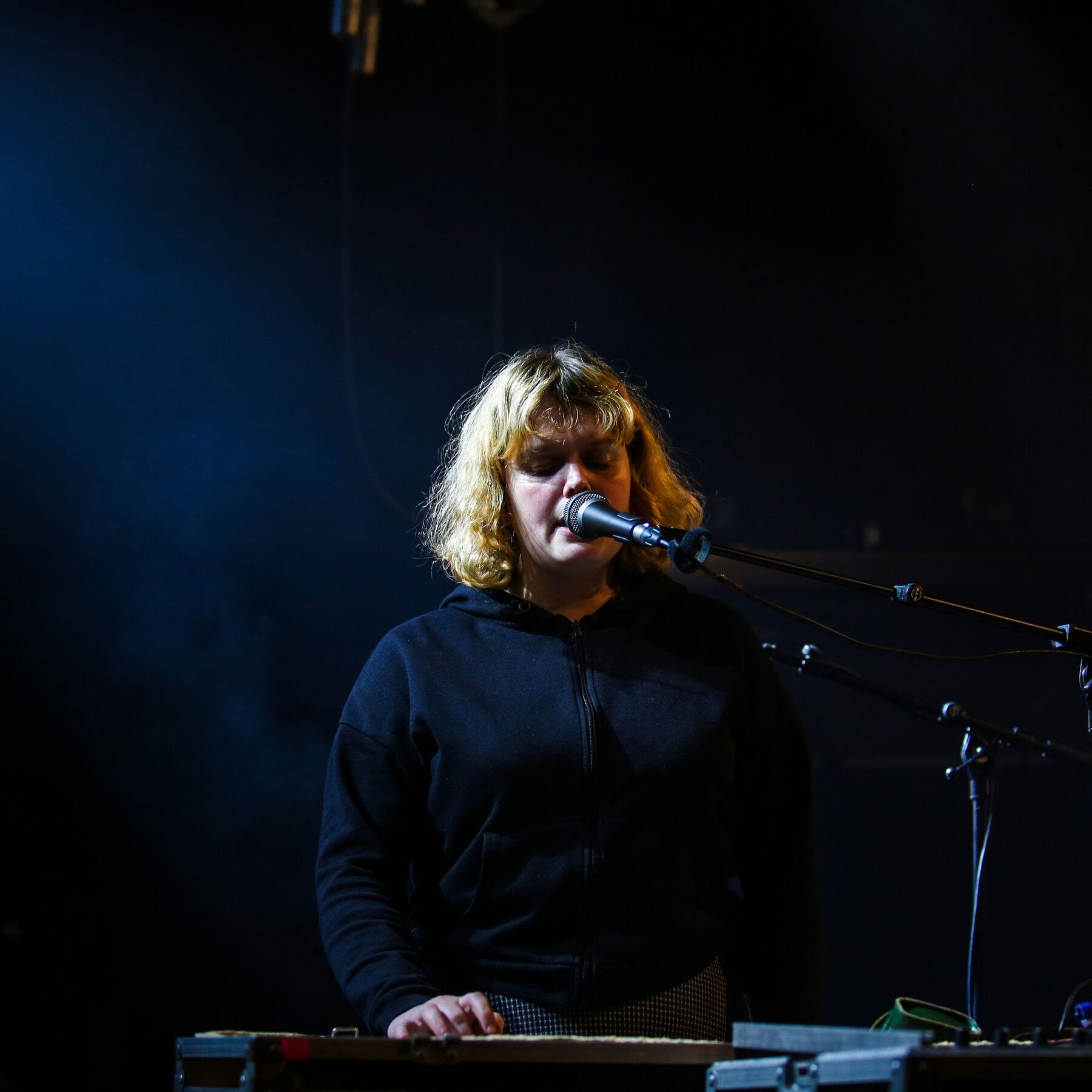
La Face B: You work as a trio — how do you shape and compose songs together, and what are Tender’s and Darek’s roles?
Tender Blom: We fill in our instruments more. Darek is really good at shaping sounds — he’s got a crazy pedalboard with loads of different textures.
Pip Blom: I write the songs in a certain way, and then Tender has another look at them and reshapes things.
Darek Mercks: Most of the songs are almost finished — it’s more about fine-tuning, adding dynamics. If it’s good, it’s good — I’m not going to change everything just to put my stamp on it.
La Face B: Do you write with live performance in mind?
Pip Blom: No, it’s the other way around. When the song is finished, we figure out how to play it live. It’s a puzzle — dividing the parts and using all the electronic tools we have.
La Face B: You’re going to tell me if you play these live or not — “Temporary Love”?
Tender Blom: Yes.
La Face B: “Sweep” opens the EP with bold drums and layered synths. What was the spark behind that track?
Pip Blom: I always start with drums because I don’t really know how to make them properly. I use Splice, like a database of sounds, and layer things I like. Then it’s good if someone else helps clean it up, because I can listen to something a million times and lose perspective.
La Face B: “Ring” feels like a detour from your indie rock blueprint. How did it come together, and why choose it as the lead single?
Pip Blom: I really liked the summery, beach-club vibe. We had a remix of “Keep Together” before, and I loved how that sounded almost like a new song. I wanted to do something inspired by that.
La Face B: “Drift” is the only track you’re not playing tonight. It has a slow-burn emotional urgency — what’s behind it?
Pip Blom: It’s a bit of a combination of feelings. I wanted to try making a quieter track.
La Face B: Quick one — was there an album or artist you were obsessed with while making Grip?
Pip Blom: Metronomy, The Shins — they’ve always been inspirations. Different parts influence different records.
La Face B: If Welcome Break, Bobby and Grip were films?
Tender Blom: Welcome Break would be a feel-good road movie, like Little Miss Sunshine.
Pip Blom: Bobby would be Licorice Pizza.
La Face B: And Grip?
Pip Blom: BoJack Horseman.
La Face B: Which director would you dream of working with for a music video?
Tender Blom: David Lynch — rest in peace — or Wes Anderson.
Pip Blom: Yeah, that would be nice.
La Face B: Which fictional character would be a Pip Blom fan?
Darek Mercks: XJ9 from My Life as a Teenage Robot.
Tender Blom: Someone from Scott Pilgrim.
Pip Blom: Michael Cera.
La Face B: What was the last track that made you think “I wish I’d made this”?
Pip Blom: The latest Lily Allen album, or the new Charli XCX single.
La Face B: What’s next after the Grip club shows?
Pip Blom: We’re turning ten years next year, so we might do something with that. We’re also working on a new record at the same time. There’s a lot coming, but it’s going to take a while.
La Face B: Thank you very much — it was great meeting you.