Interviews
Rencontre avec The Dead South
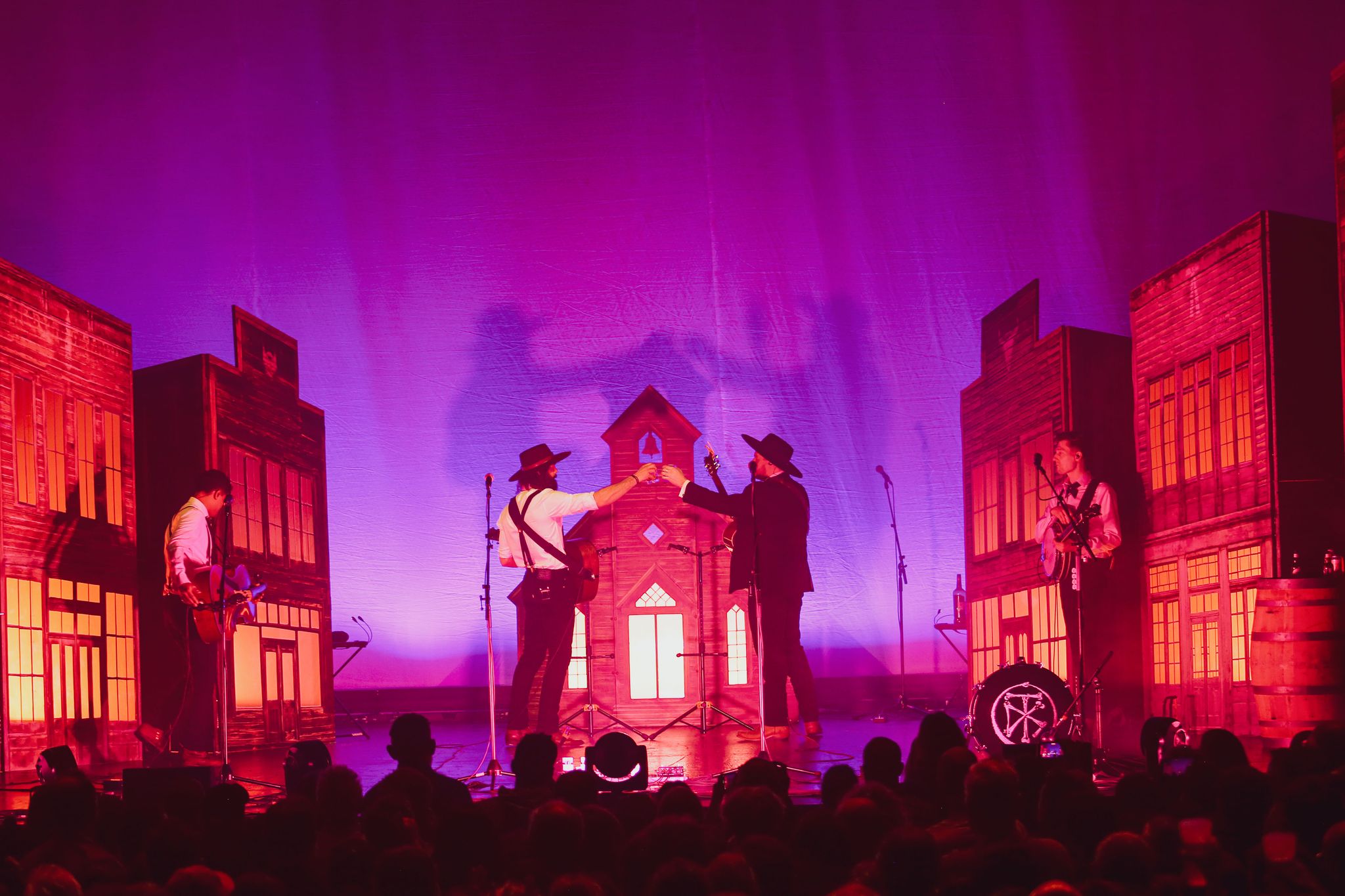
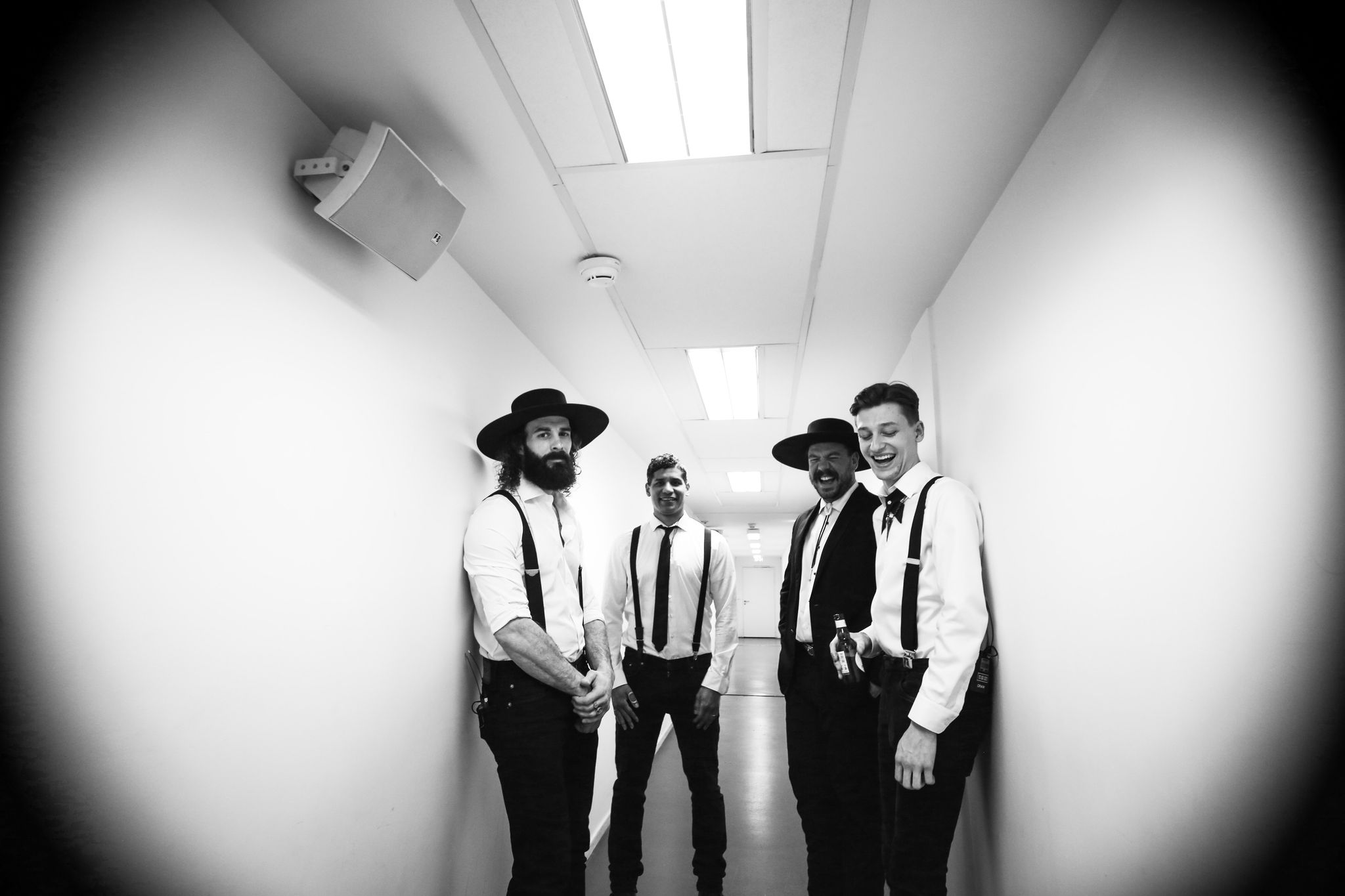
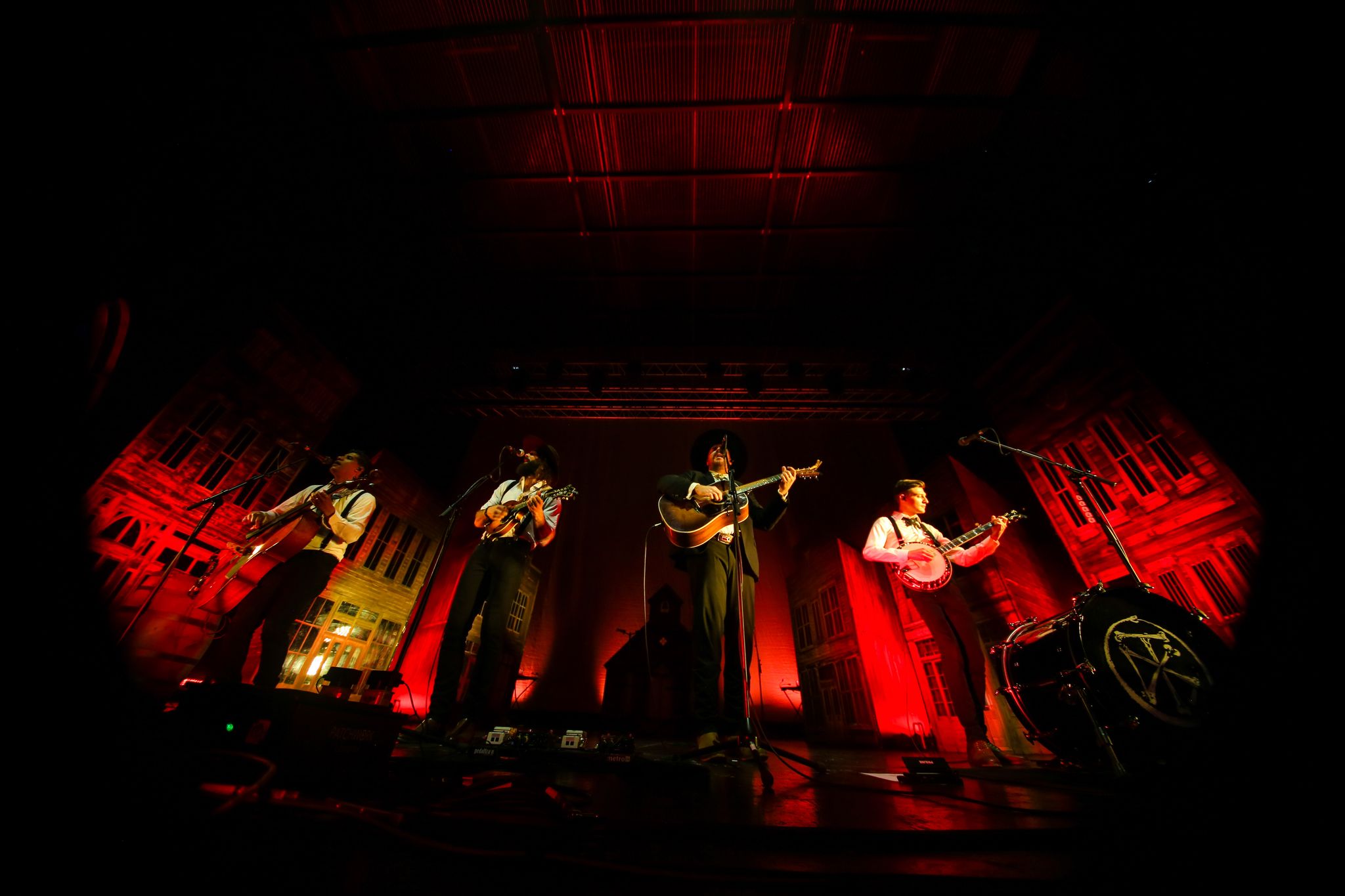
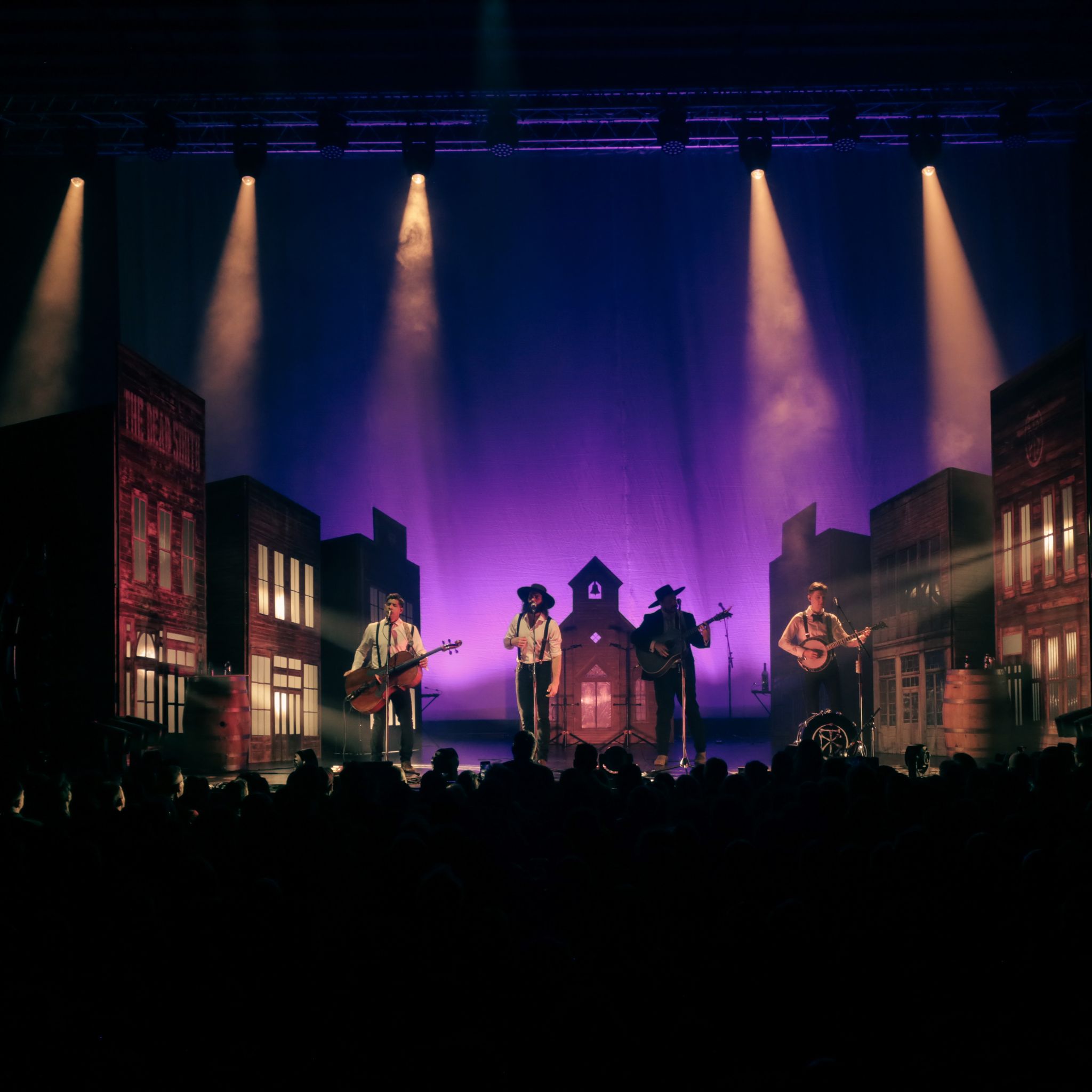
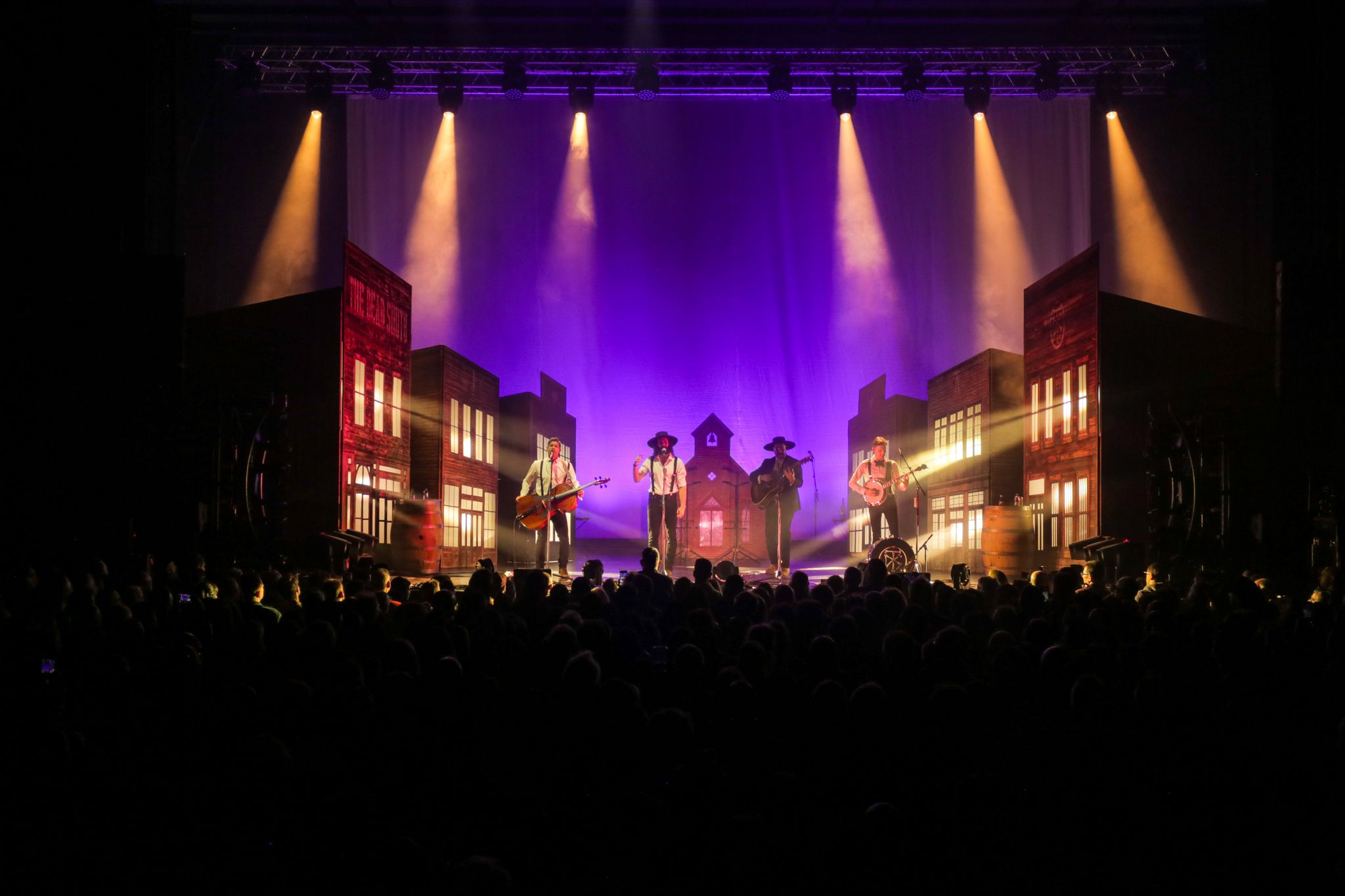
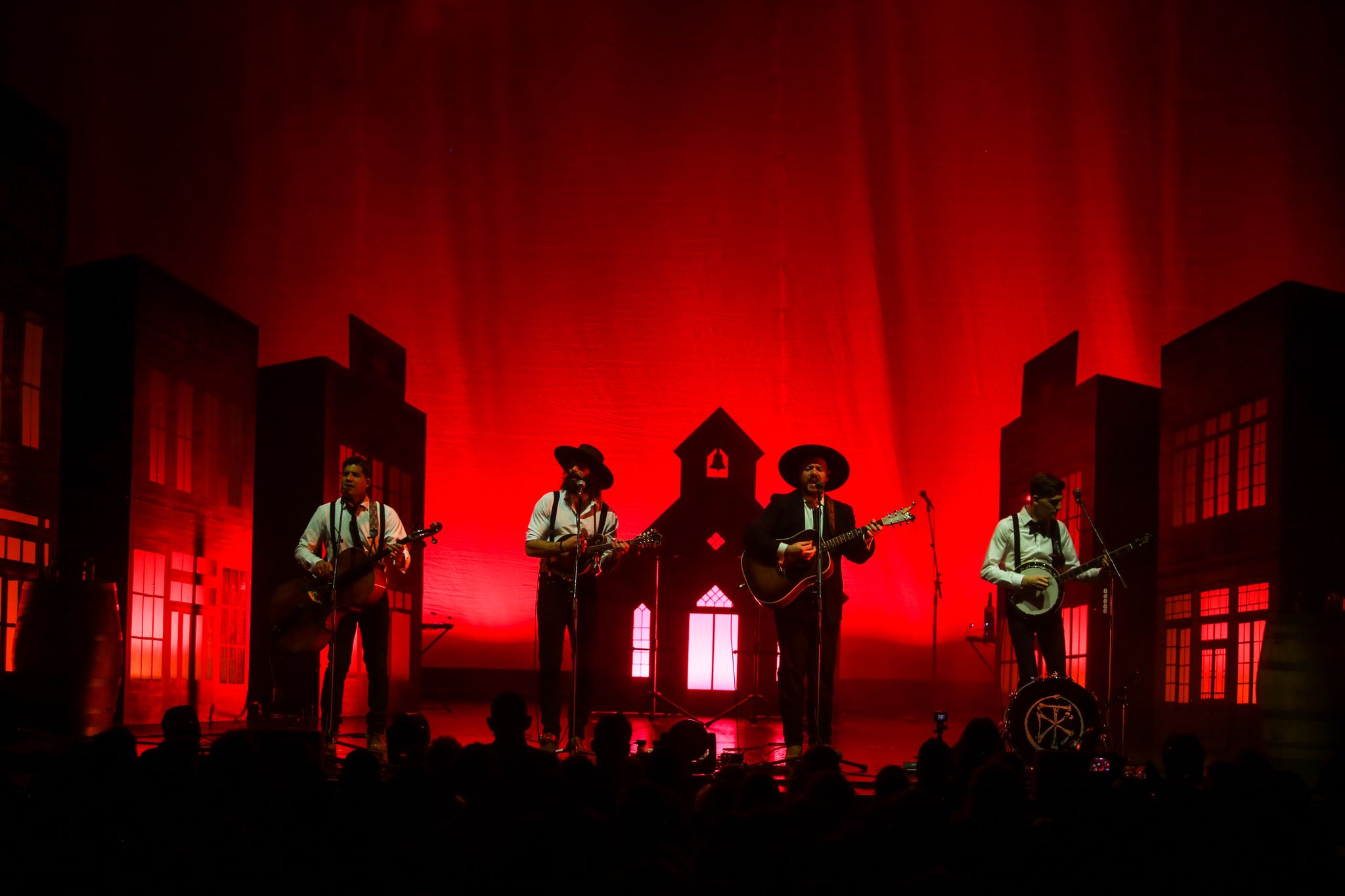
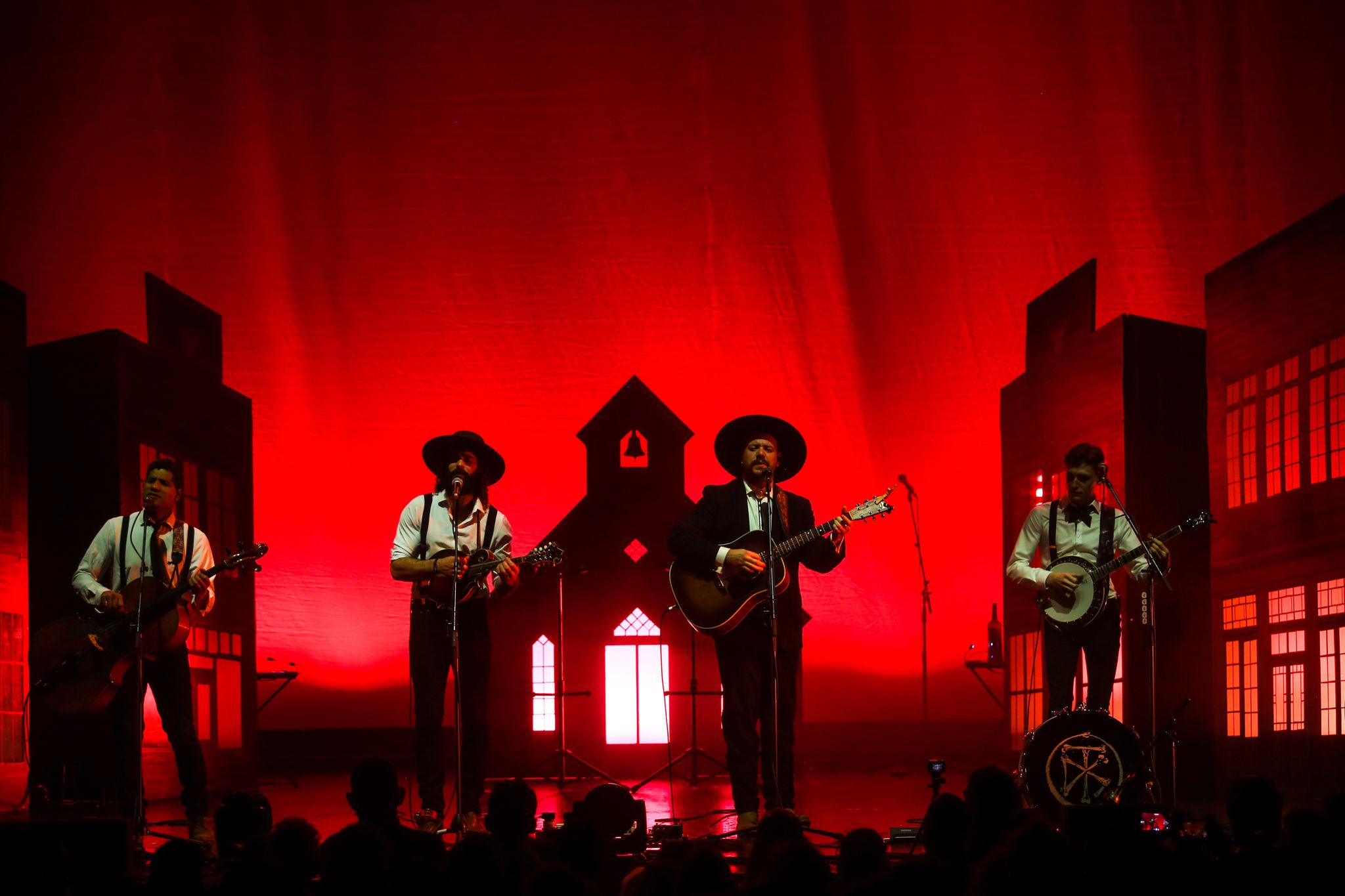
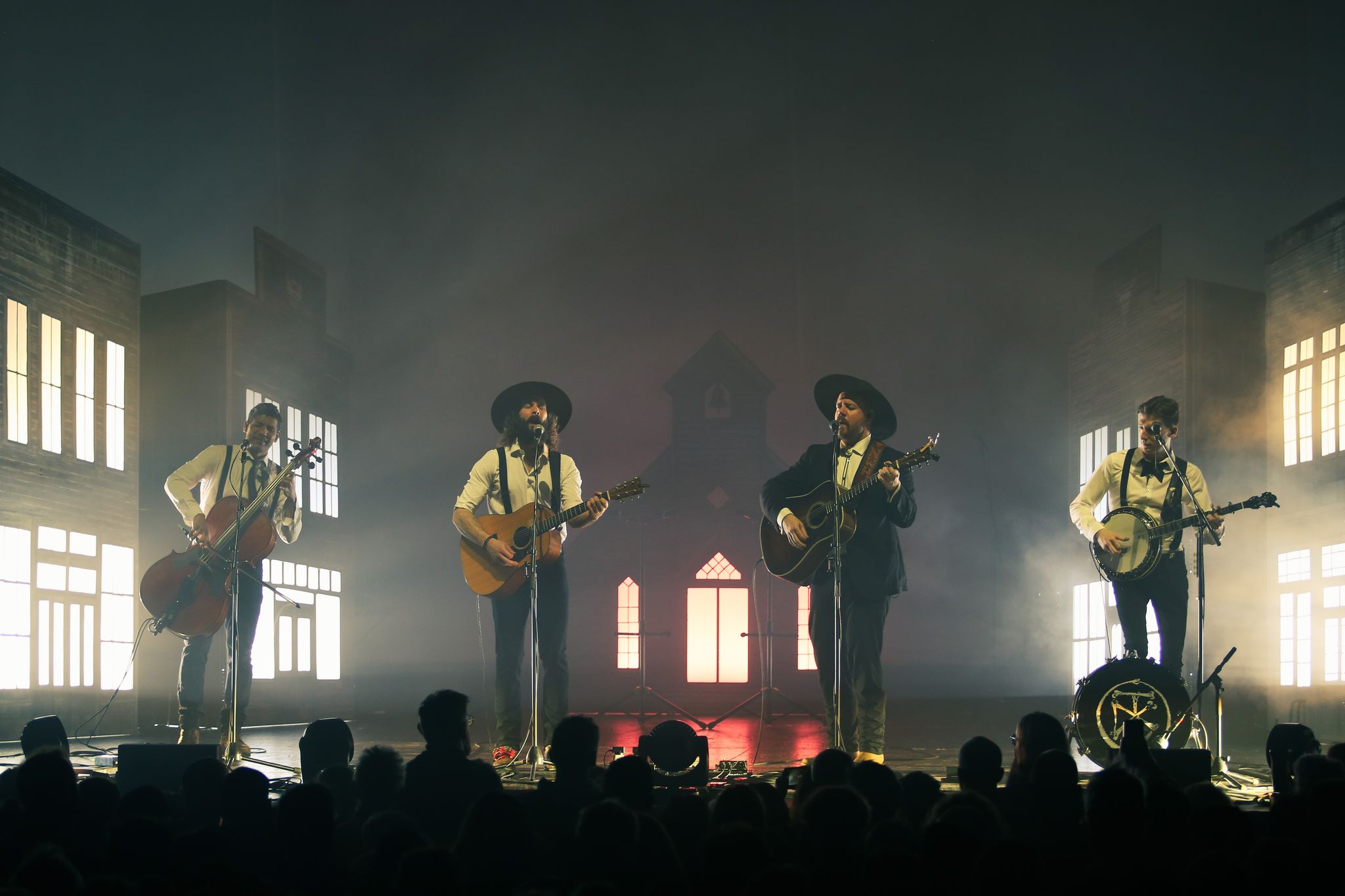
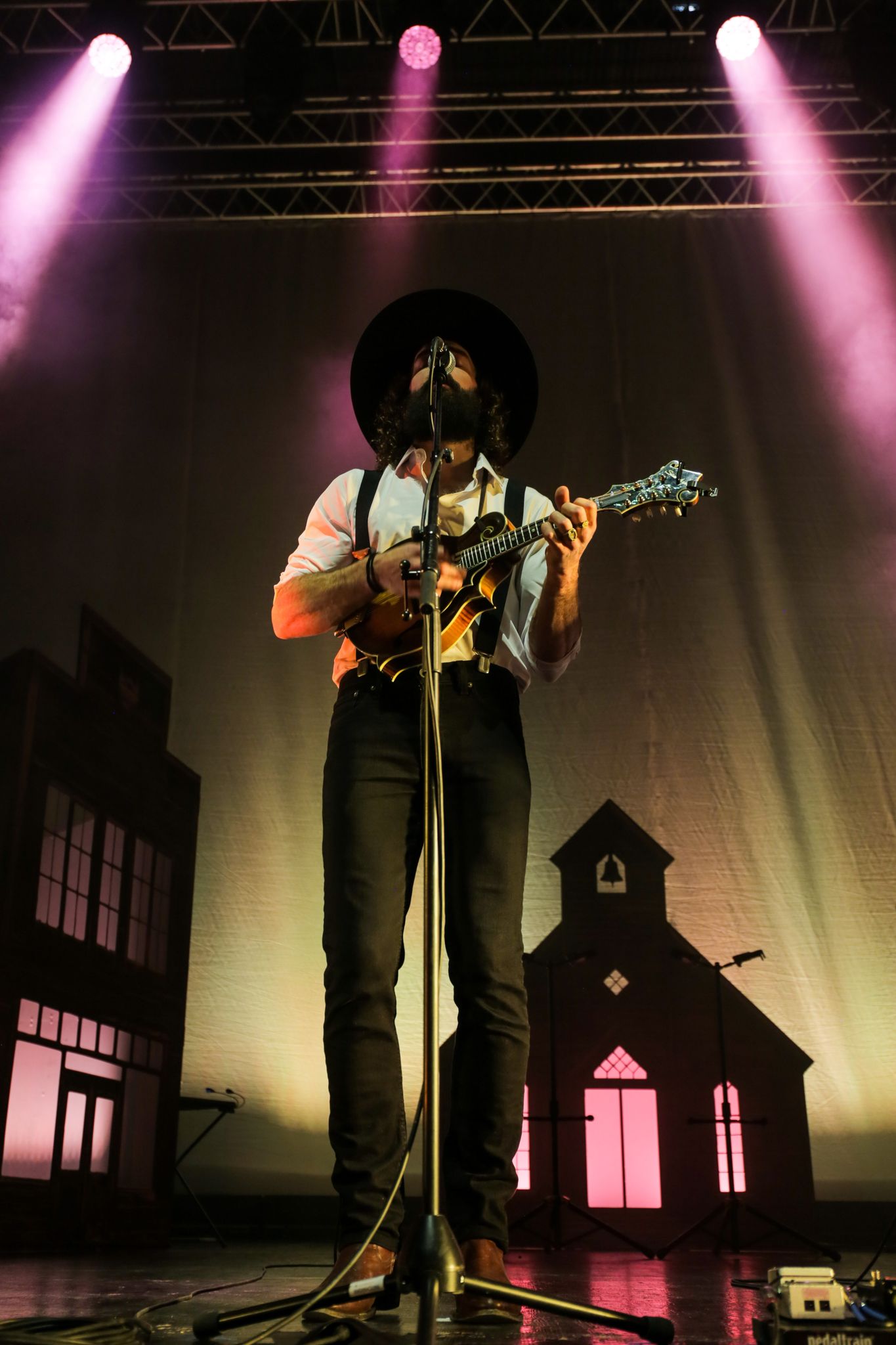
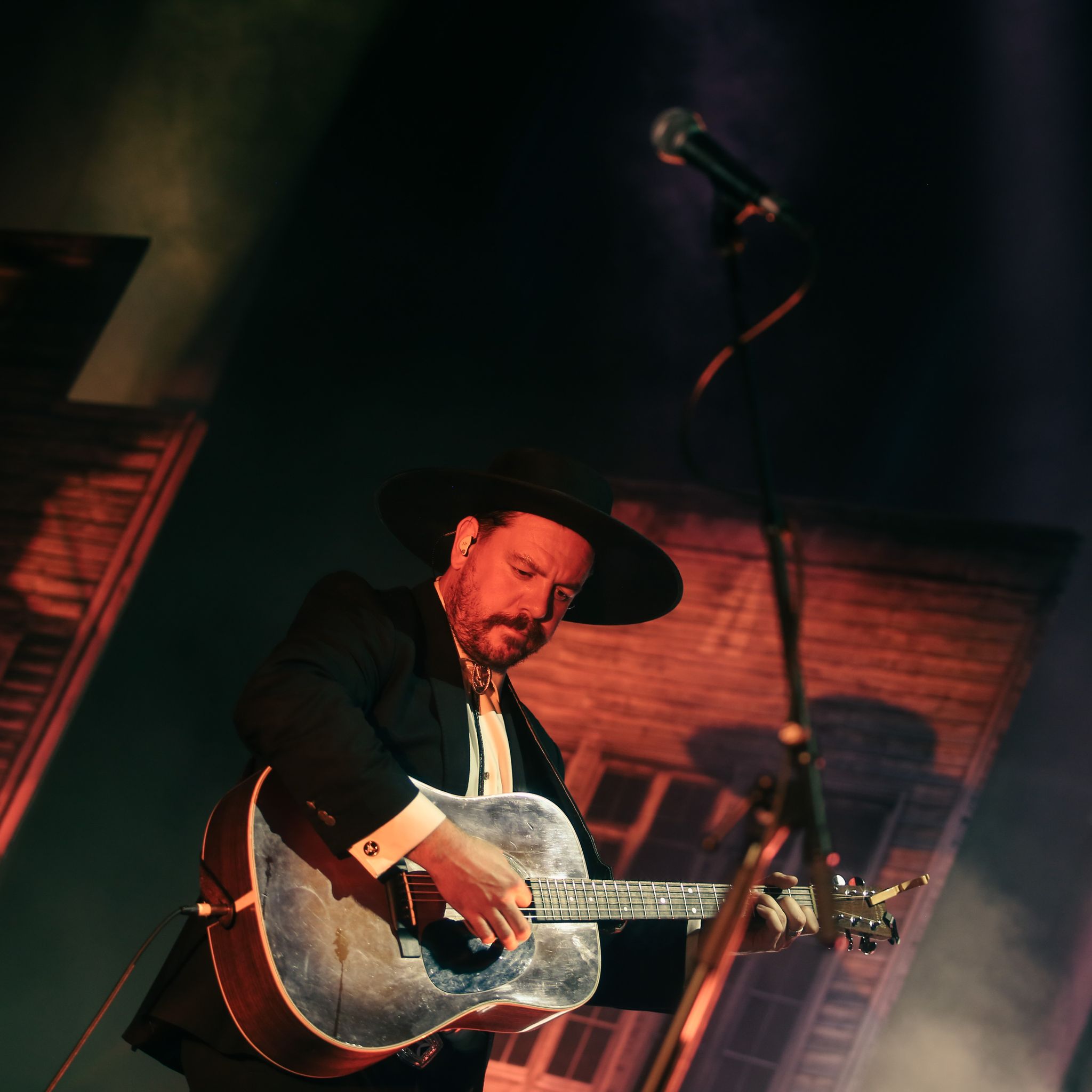
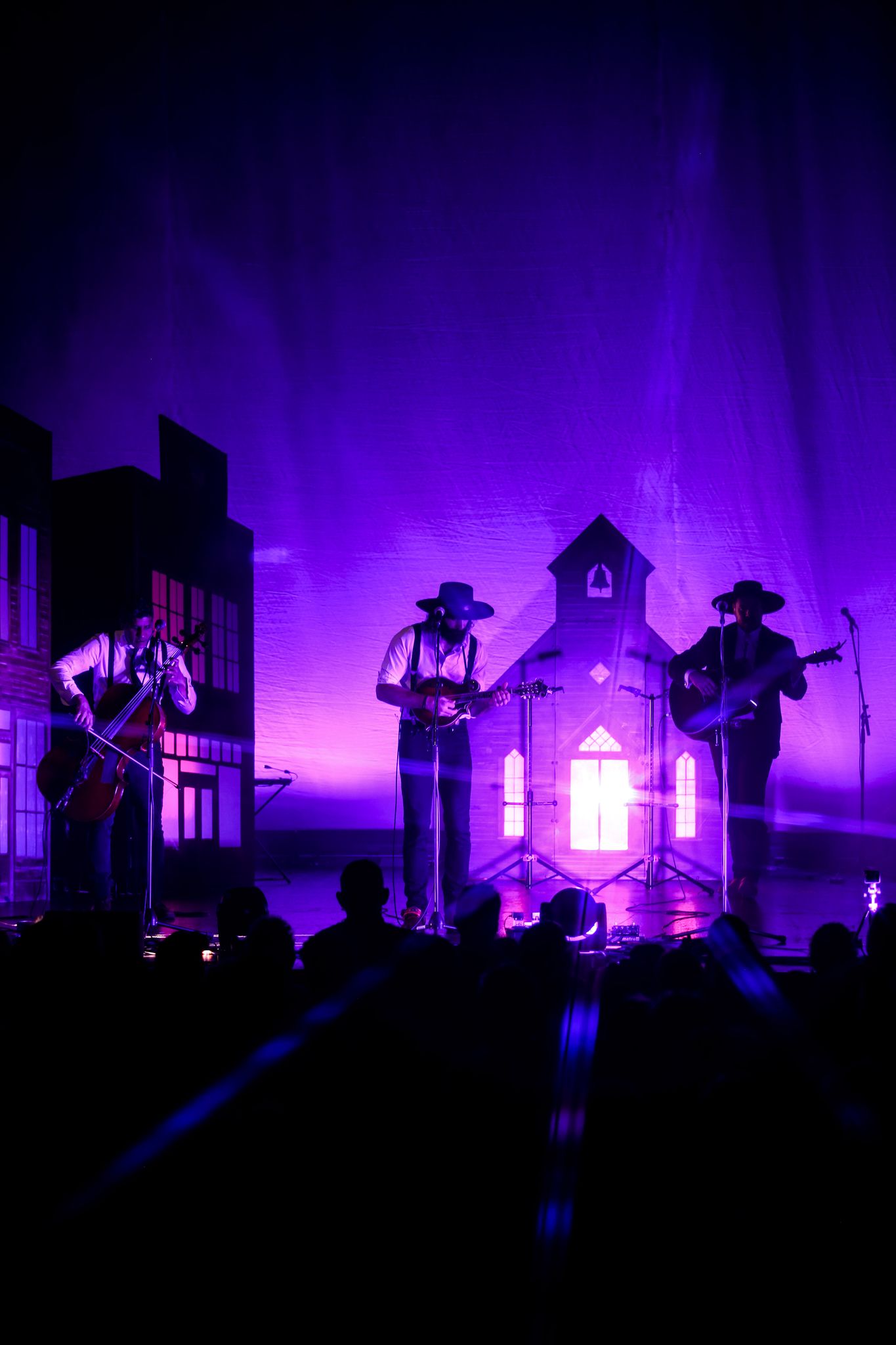
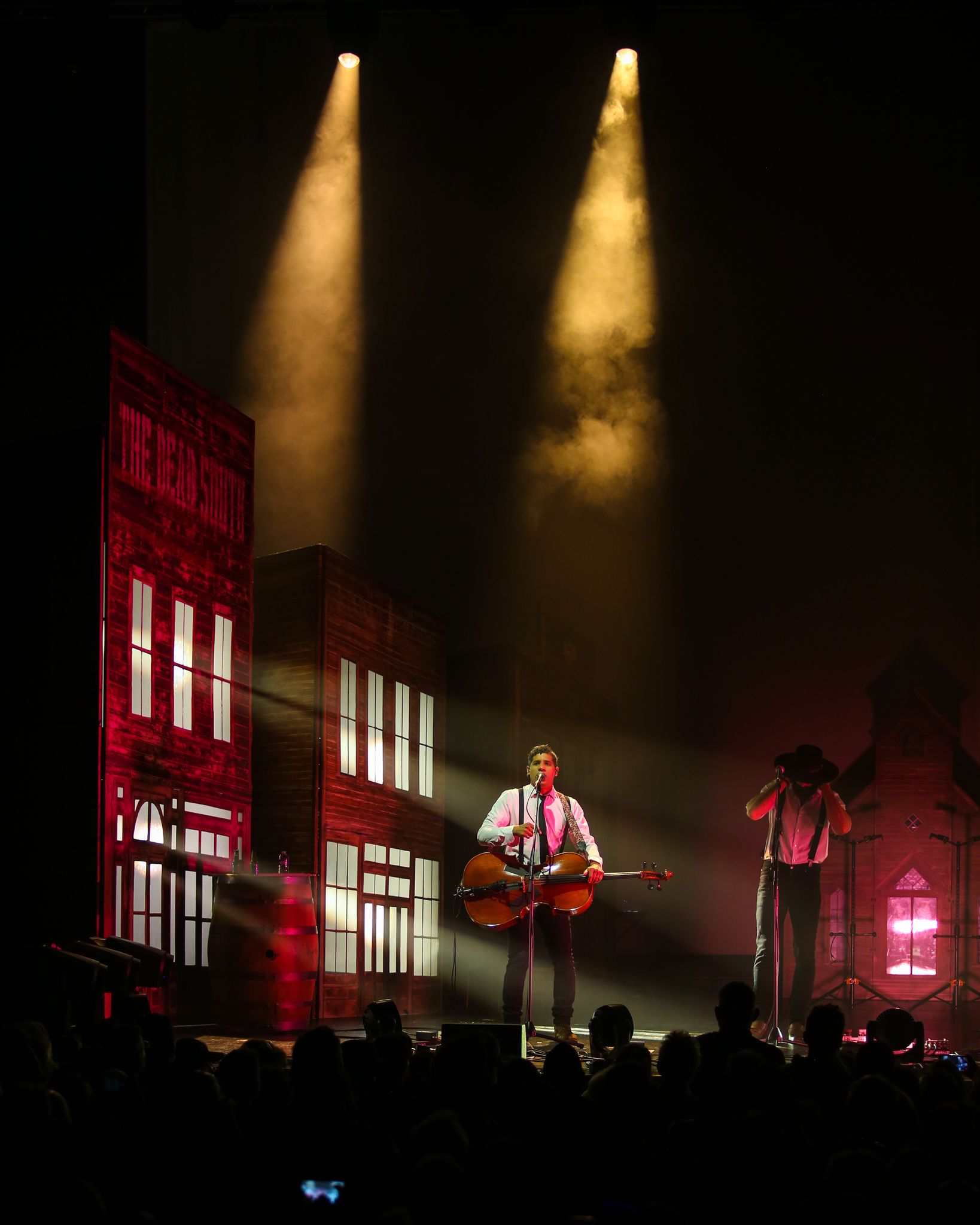
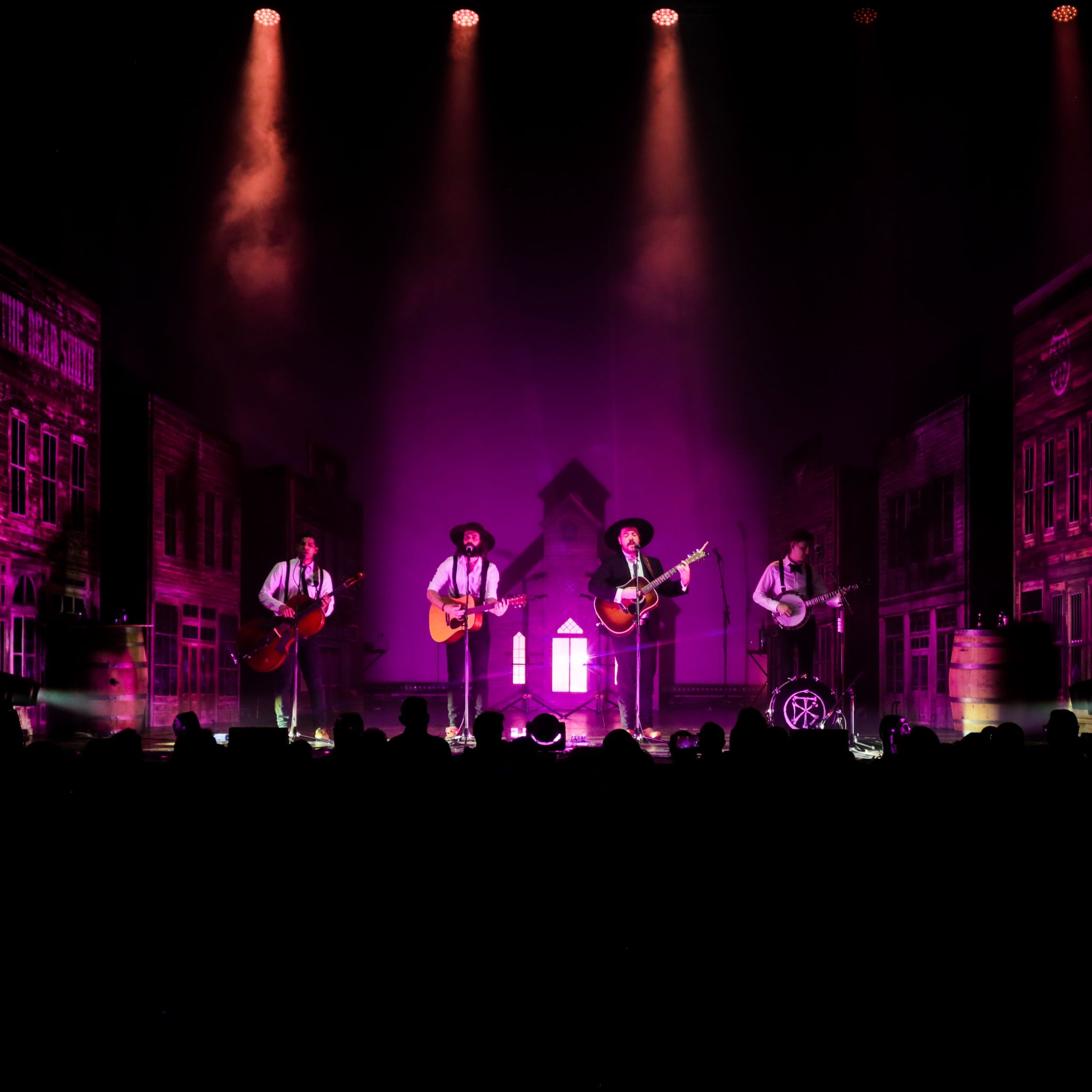
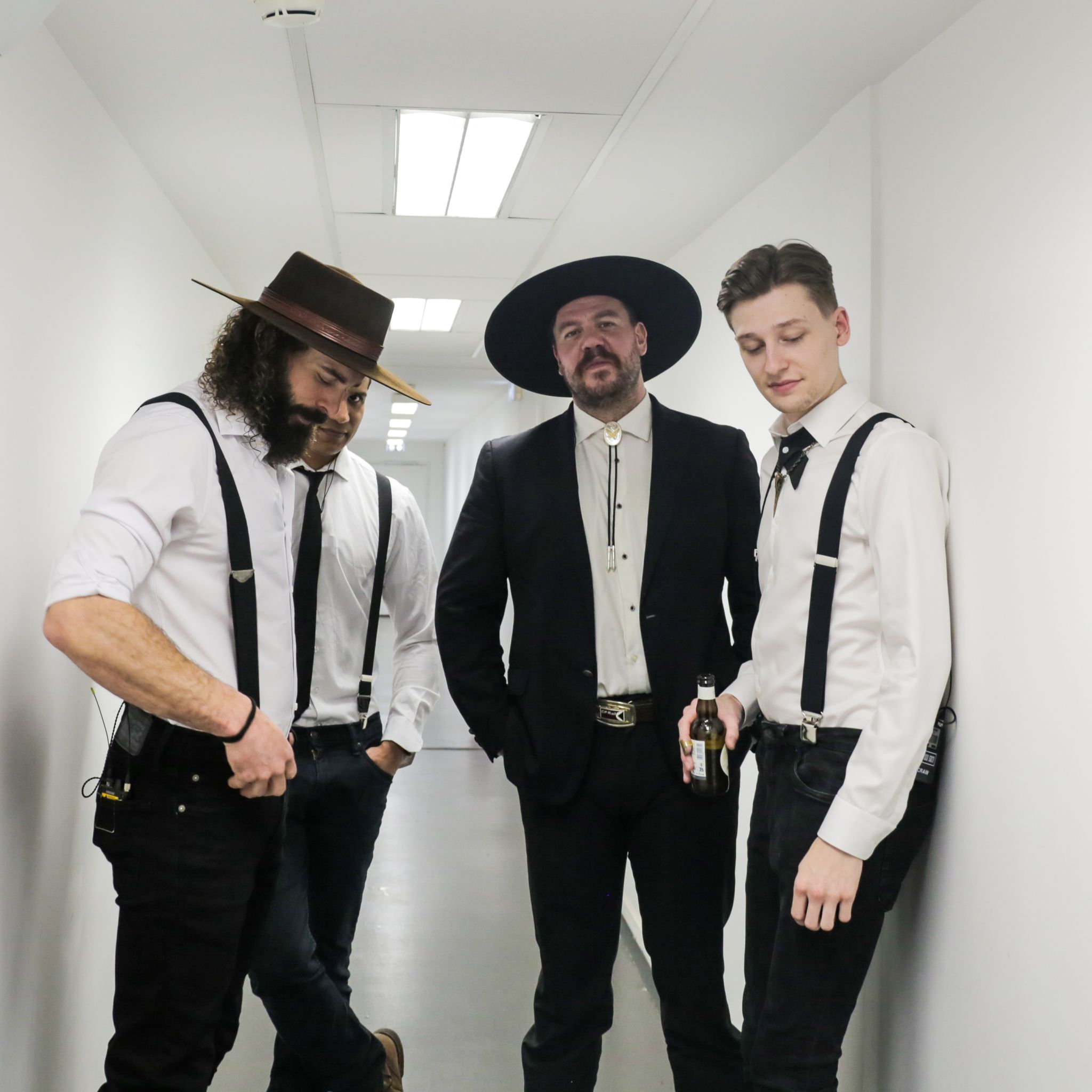
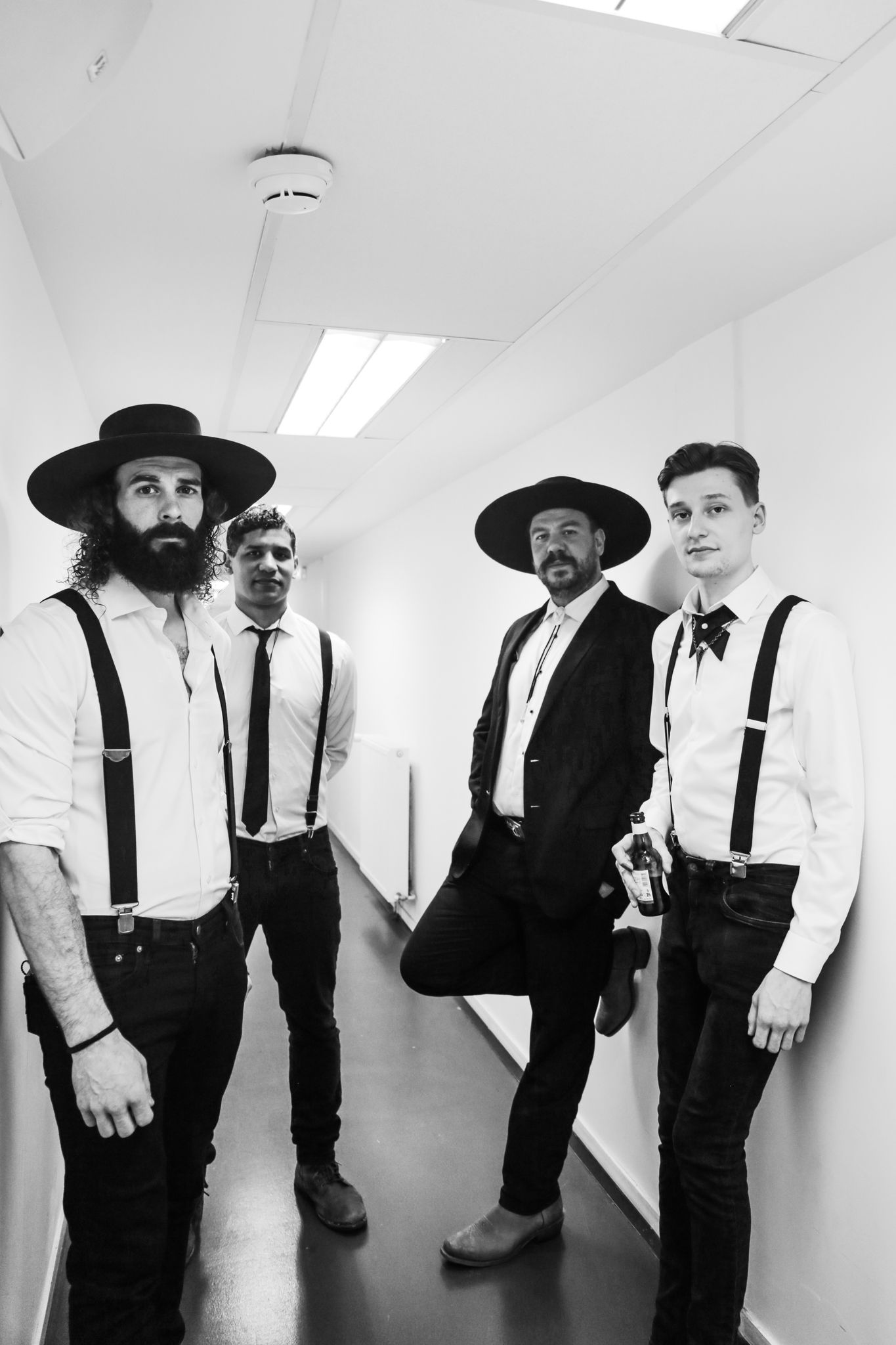
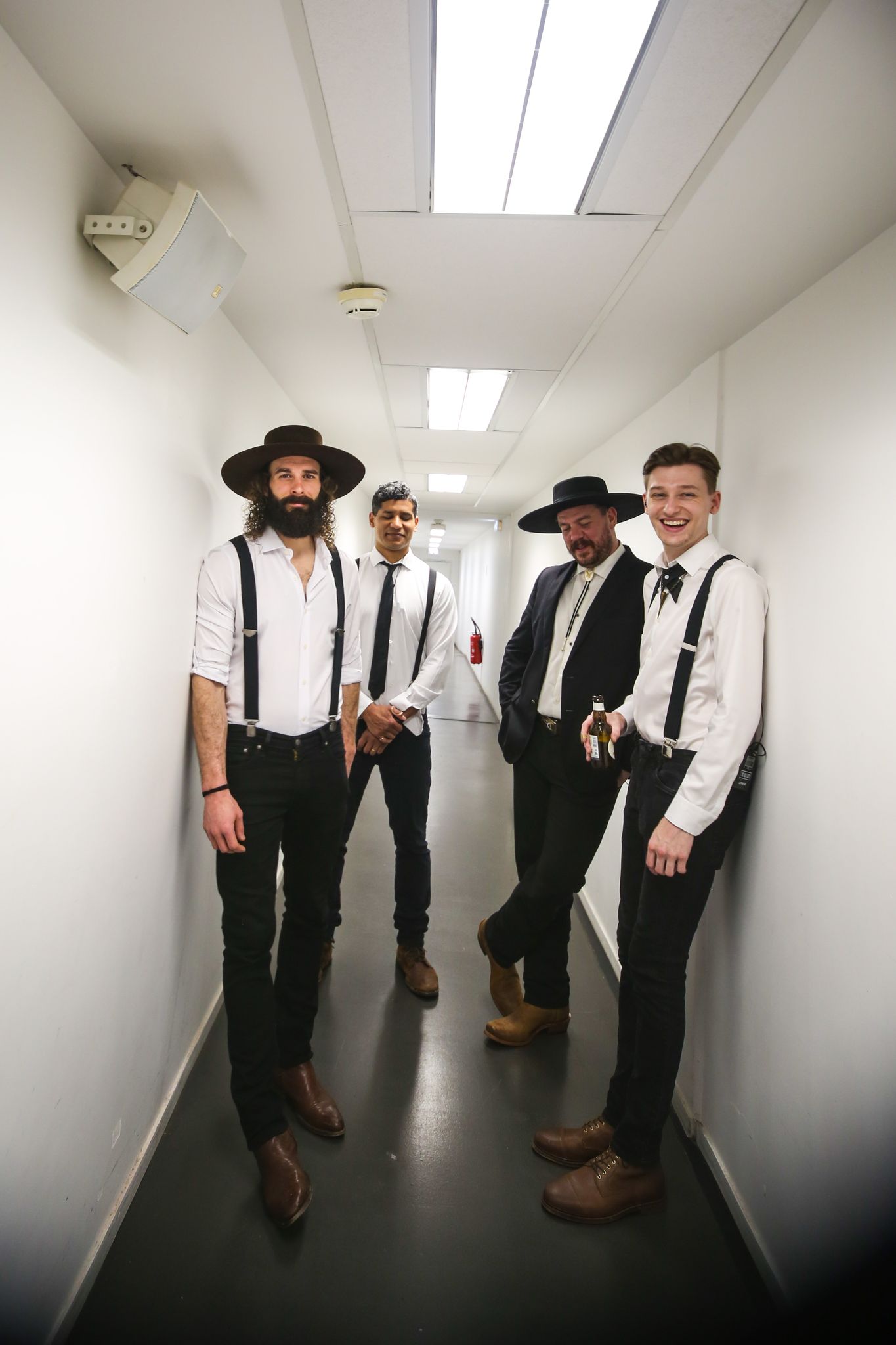
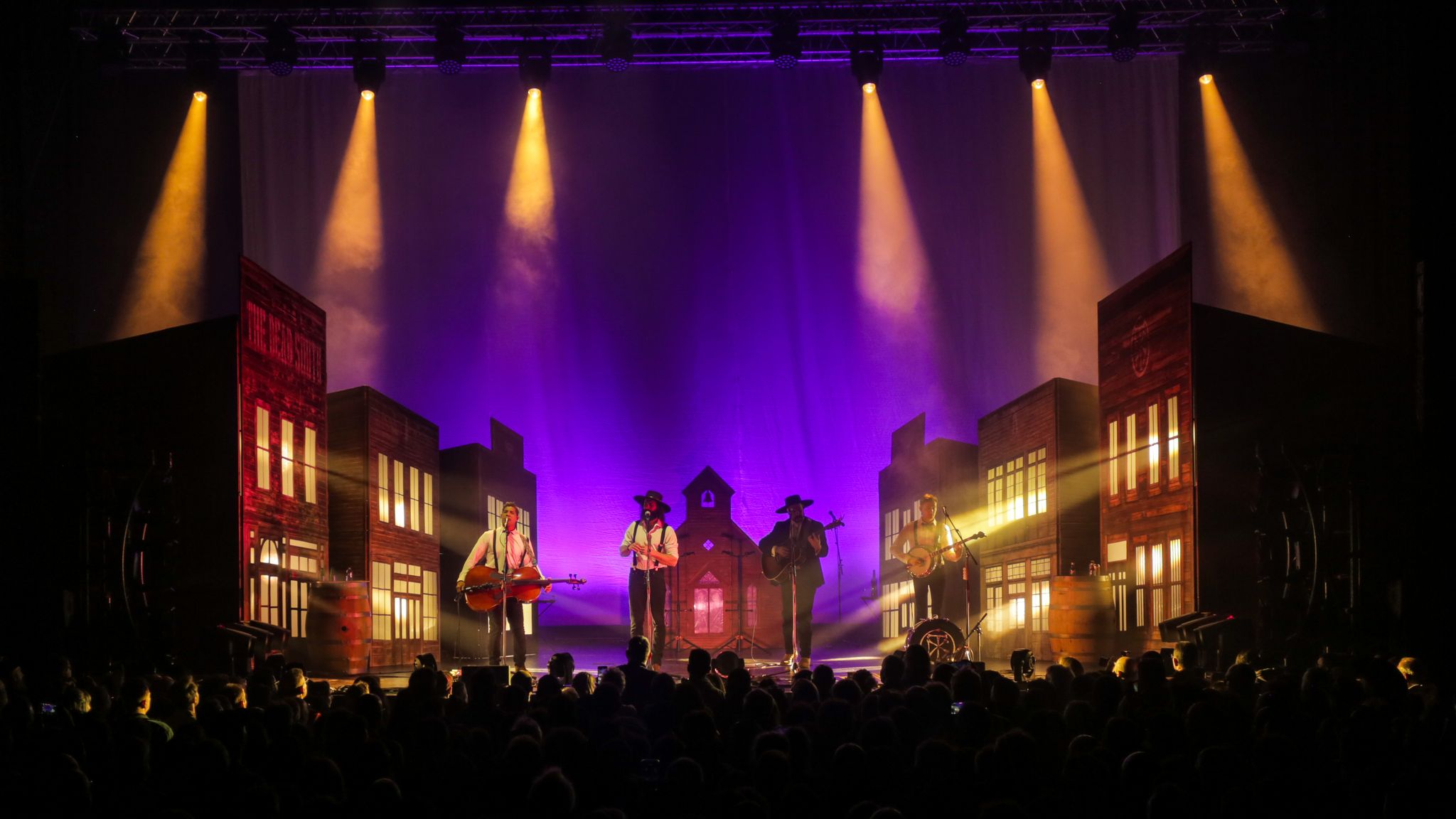
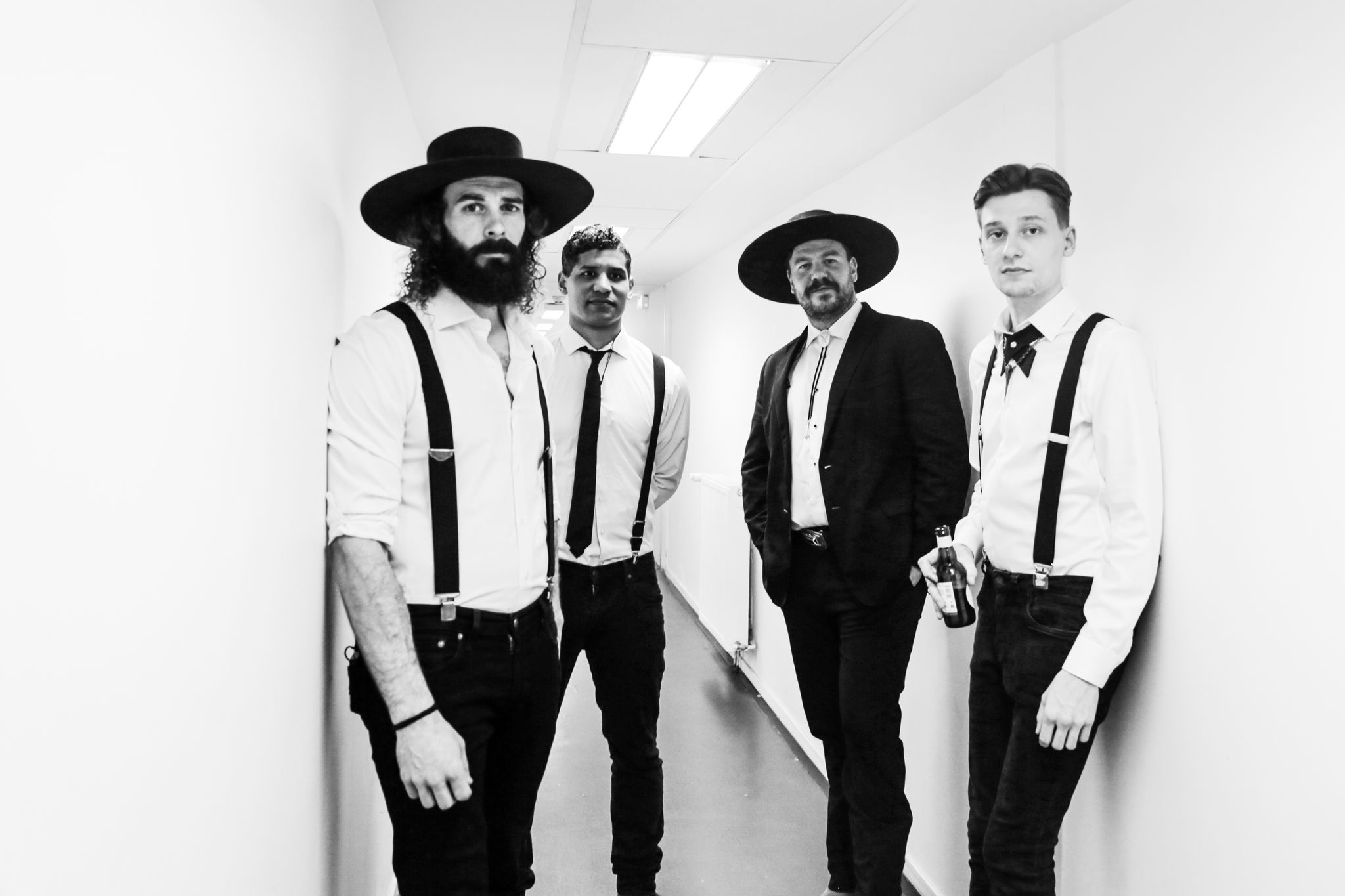
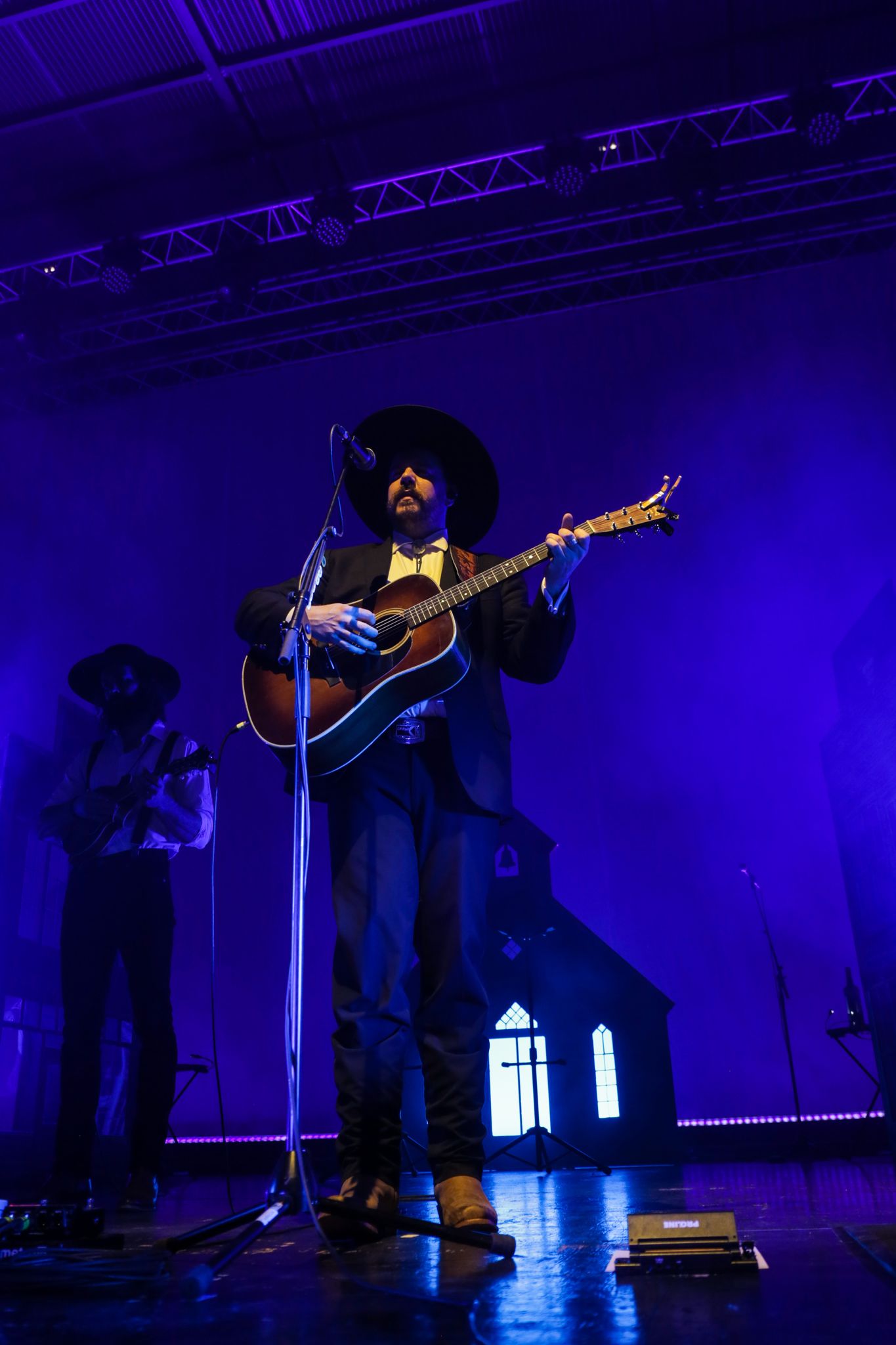
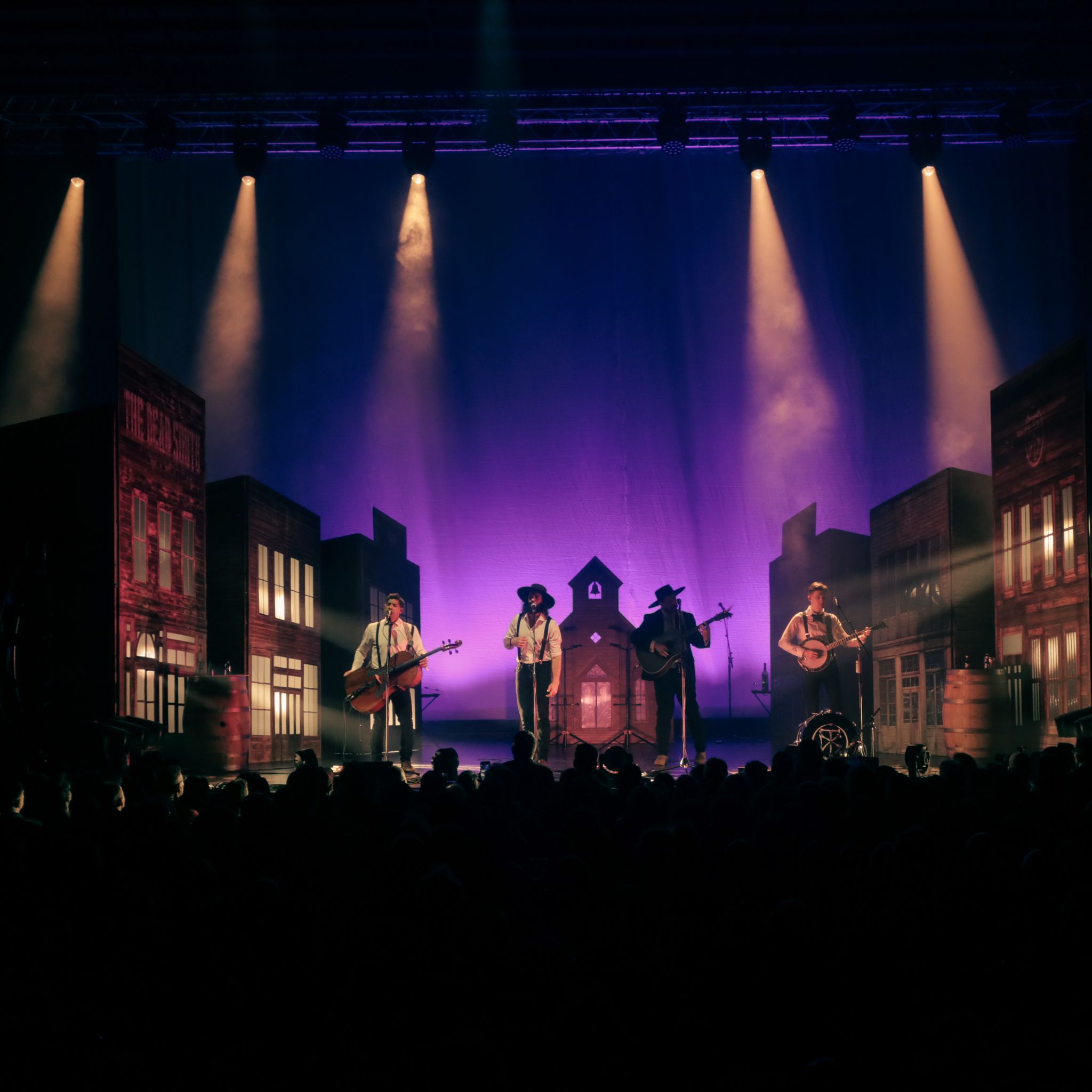
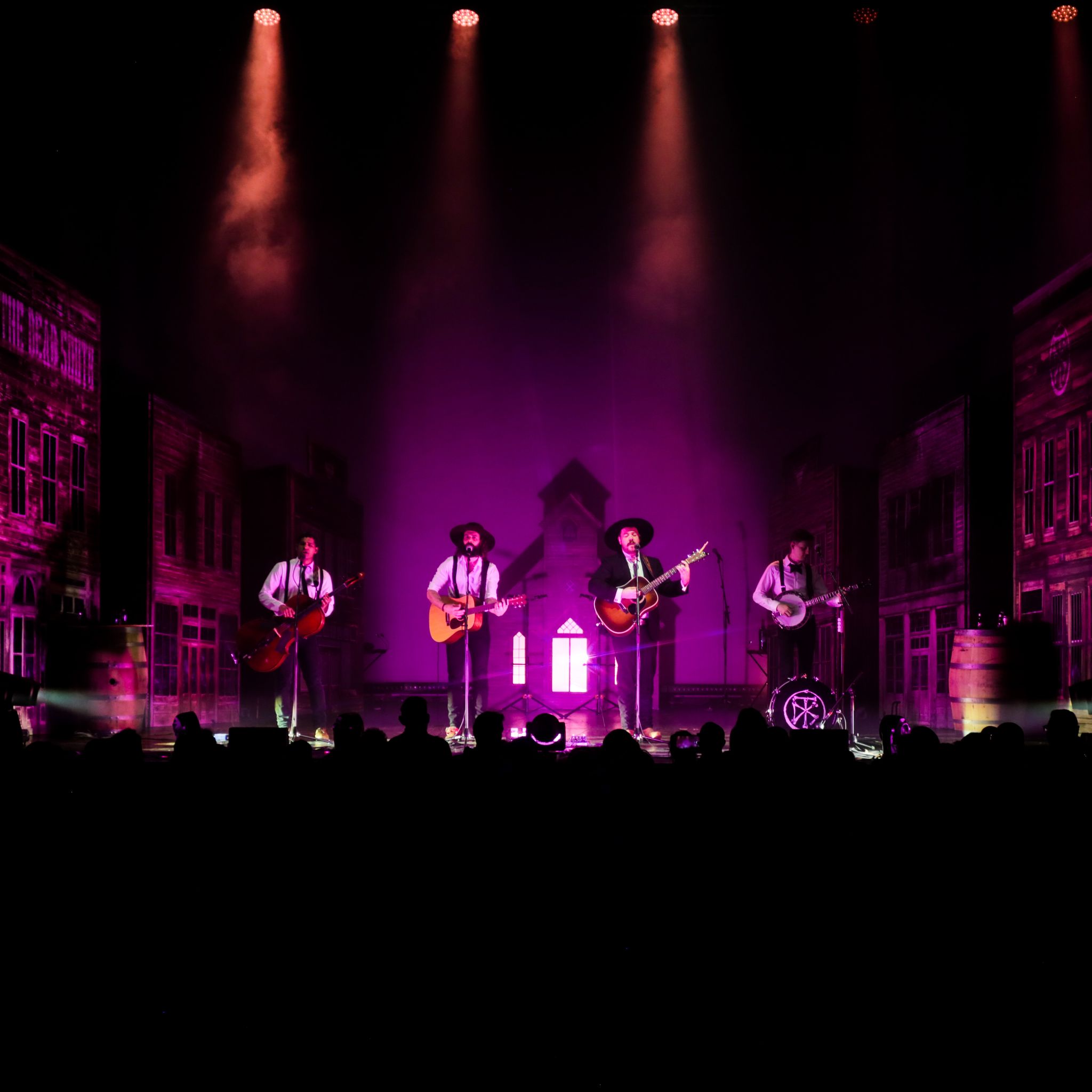
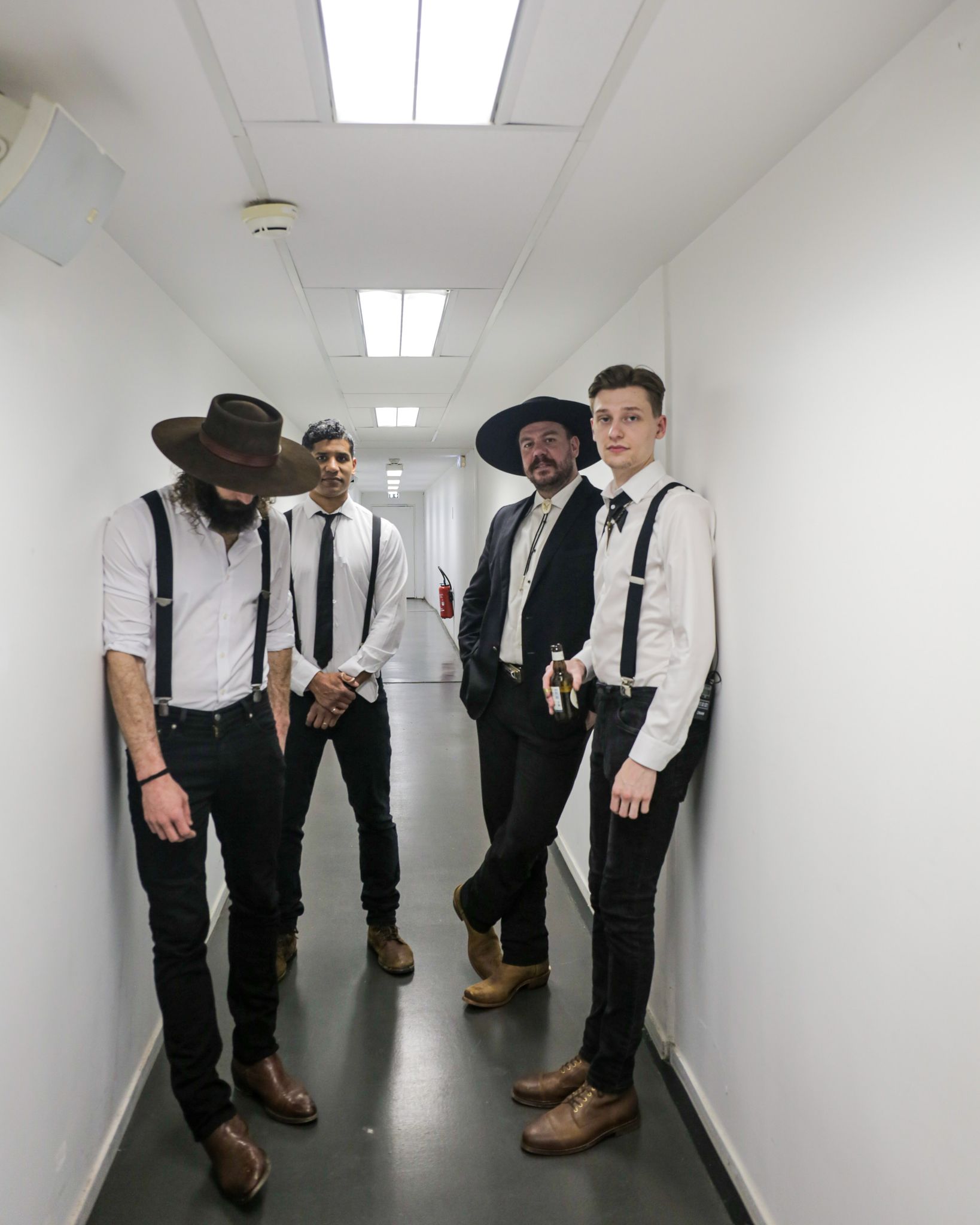
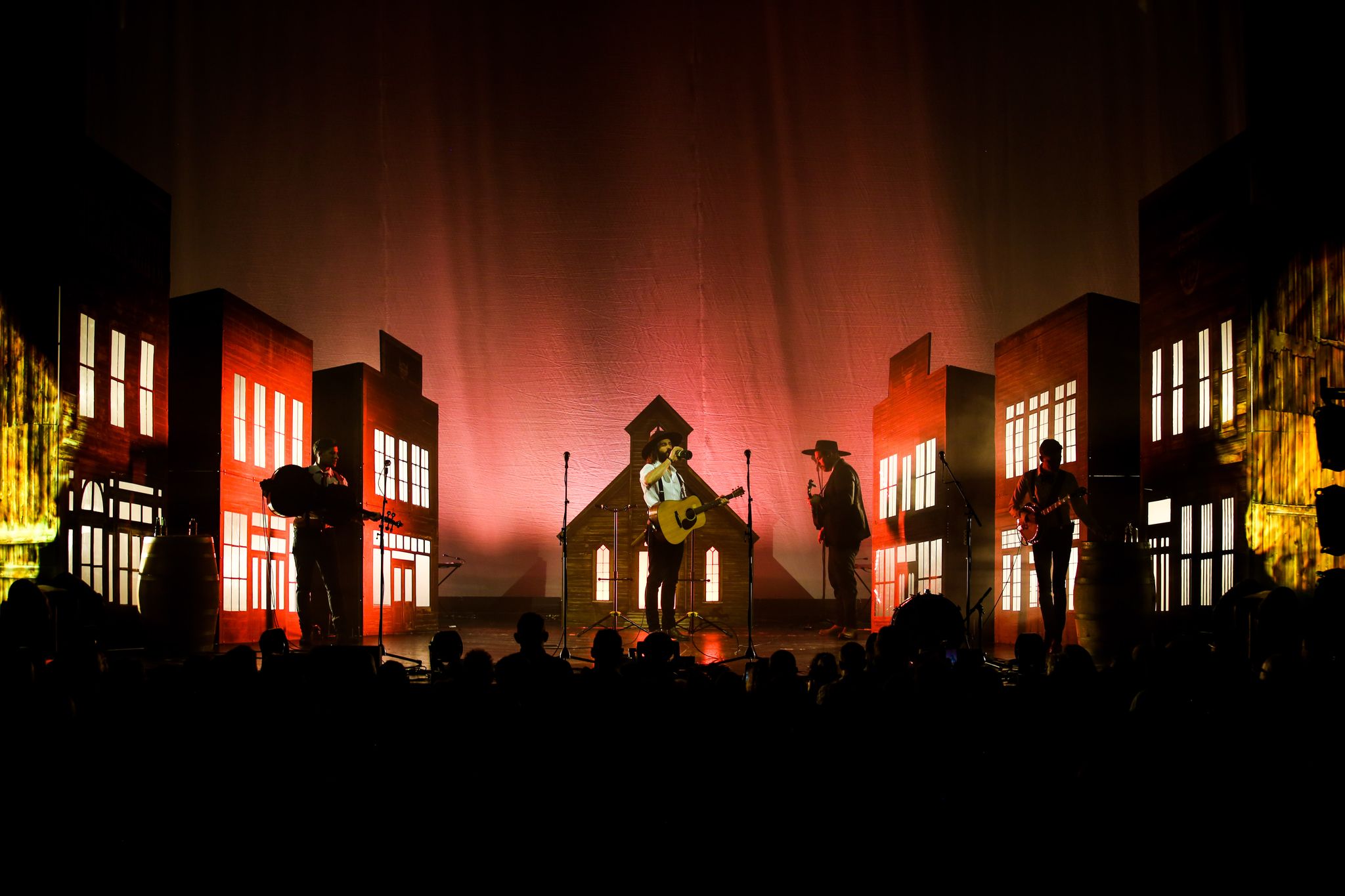
La Face B a rencontré The Dead South lors de leur passage au Rocher de Palmer à Cenon, pendant leur tournée française. En loges, Nate Hilts, chanteur et guitariste du groupe, nous ouvre les portes de l’univers si singulier de ces Canadiens qui brouillent les frontières entre bluegrass, folk et rock avec audace. À l’occasion de Chains and Stakes, il revient sur une écriture instinctive et collective, nourrie de récits sombres et d’humour noir, ainsi que sur l’importance du live. Cette énergie brute et contagieuse qui soude le groupe et le relie intimement à son public. Entre anecdotes de tournée, évolution musicale et goût du storytelling, The Dead South affirme une identité à part dans le paysage actuel. Une interview sincère, drôle et vivante, à l’image de ces musiciens généreux, funs et fusionnels avec leur public.
Retrouvez également le travail d‘Alexia Arrizabalaga-Burns (sous le pseudo Troubleshooteur) sur son site et sur Instagram
« Dès que tu joues les morceaux en live, tout le monde joue avec plus de vigueur et de passion...... Ce lien avec le public crée un cycle d’énergie incroyable. » Nate Hilts, The Dead South
La Face B: Bonjour Nate. Très contente de te rencontrer. Comment se passe la tournée en ce moment ?
Nate Hilts: Très content de te rencontrer aussi. La tournée a été excellente. La France a été très gentille avec nous.
La Face B: Qu’est-ce qui rend le public européen spécial pour toi par rapport aux autres endroits où vous jouez ?
Nate Hilts: C’est une super question. Je pense que là d’où on vient, on a plutôt une vibe nord-américaine. On a commencé en jouant dans des pubs et des bars. Et il y a une grosse culture de l’alcool autour de ça. Les foules peuvent être très turbulentes. Parfois quand tu viens en Europe, tu vois beaucoup de passion. Mais aussi, dans certains pays européens, tu vois beaucoup de politesse. Du coup, ça peut presque sembler trop calme parfois, mais en fait ils sont juste très respectueux.
La Face B: Après la sortie de Chains and Stakes, comment les nouveaux morceaux ont-ils pris vie sur scène ?
Nate Hilts: Assez facilement. Tu sais, quand on écrivait Chains and Stakes, l’idée c’était "genre, "ok, faisons un morceau bluegrass". Mais aussi un morceau plus heavy. Revenir à notre écriture plus traditionnelle. D’une certaine manière, Colton était très complexe dans son jeu de banjo. Puis, ça s’est transformé en une ambiance super fun sur scène. Et c’était encore une fois très simple. Après avoir joué les morceaux quelques fois en live, tout s’est mis en place naturellement.
La Face B: Est-ce qu’il y a des chansons qui ont vraiment pris une autre dimension quand vous avez commencé à les jouer en live ?
Nate Hilts: Oui, en fait je dirais la plupart. Quand on écrit un album, tu as une idée de ce que ça va donner. Mais quand tu l’enregistres, tu es encore en train d’apprendre le morceau. Donc dès que tu le joues en live, tout le monde joue avec plus de vigueur et de passion. Et tu trouves les moments où il faut ralentir, accélérer, calmer ou relancer l’énergie.
La Face B: Vos concerts donnent une sensation très collective, presque comme une communion musicale plutôt qu’un concert traditionnel. À quel point cette connexion live est importante ?
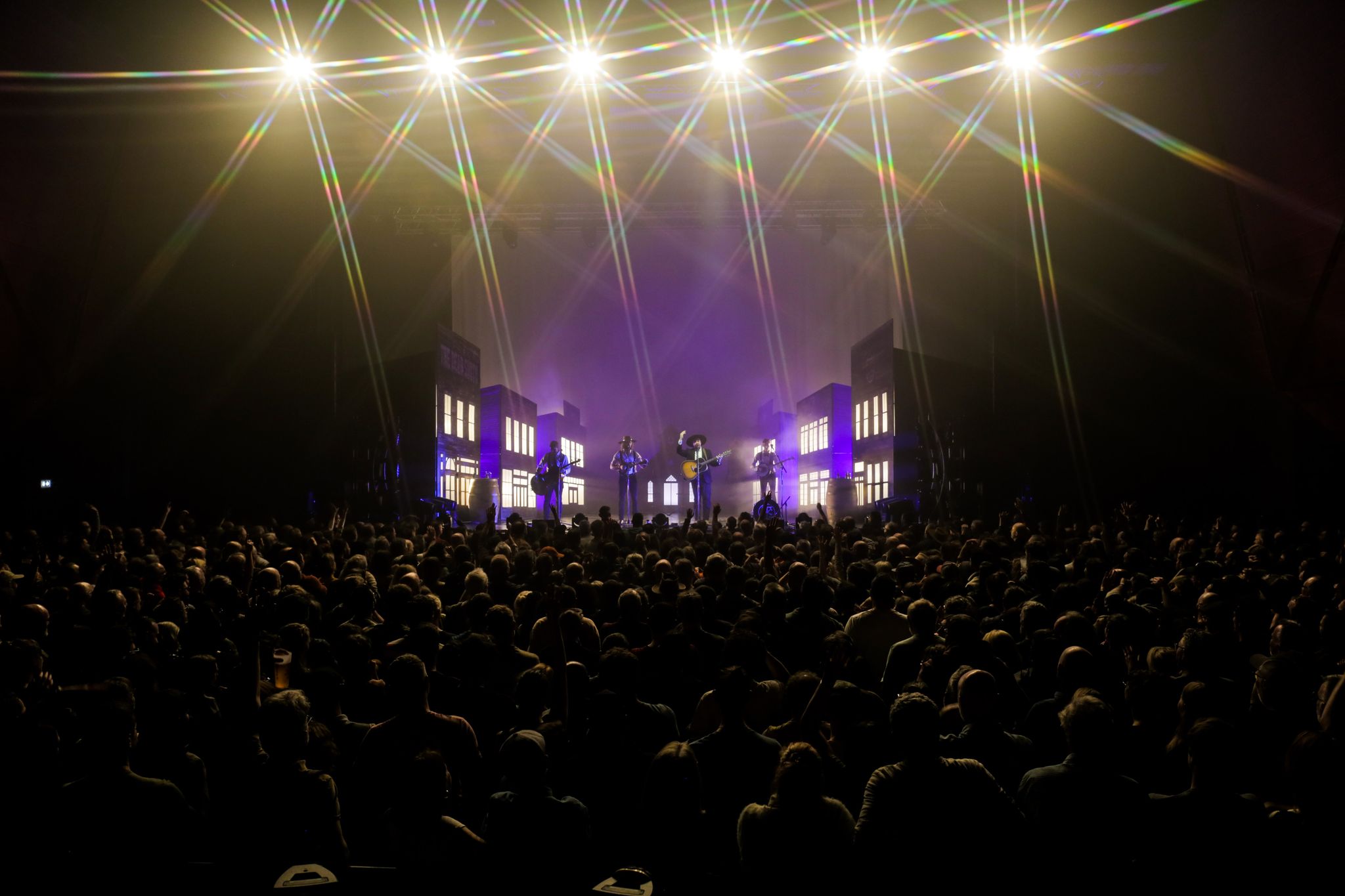
Nate Hilts: Oh, c’est super important. Surtout en live. Une des difficultés, c’est d’avoir toujours l’énergie que tu veux, parce que tu voyages tout le temps, tu es un peu fatigué. Donc quand tu as ce vrai échange entre le public et le groupe, ça crée un cycle d’énergie incroyable. Et tout le monde le ressent, ça rassemble les gens. Et c’est ça le but ultime. Oui, on aime jouer de la musique, mais on aime aussi offrir un moment pour décrocher du reste du monde.
La Face B: J’ai interviewé Kelly Finnigan de Monophonics et il disait exactement la même chose, comme un cercle. L’énergie que tu donnes te revient.
Nate Hilts: Une synergie.
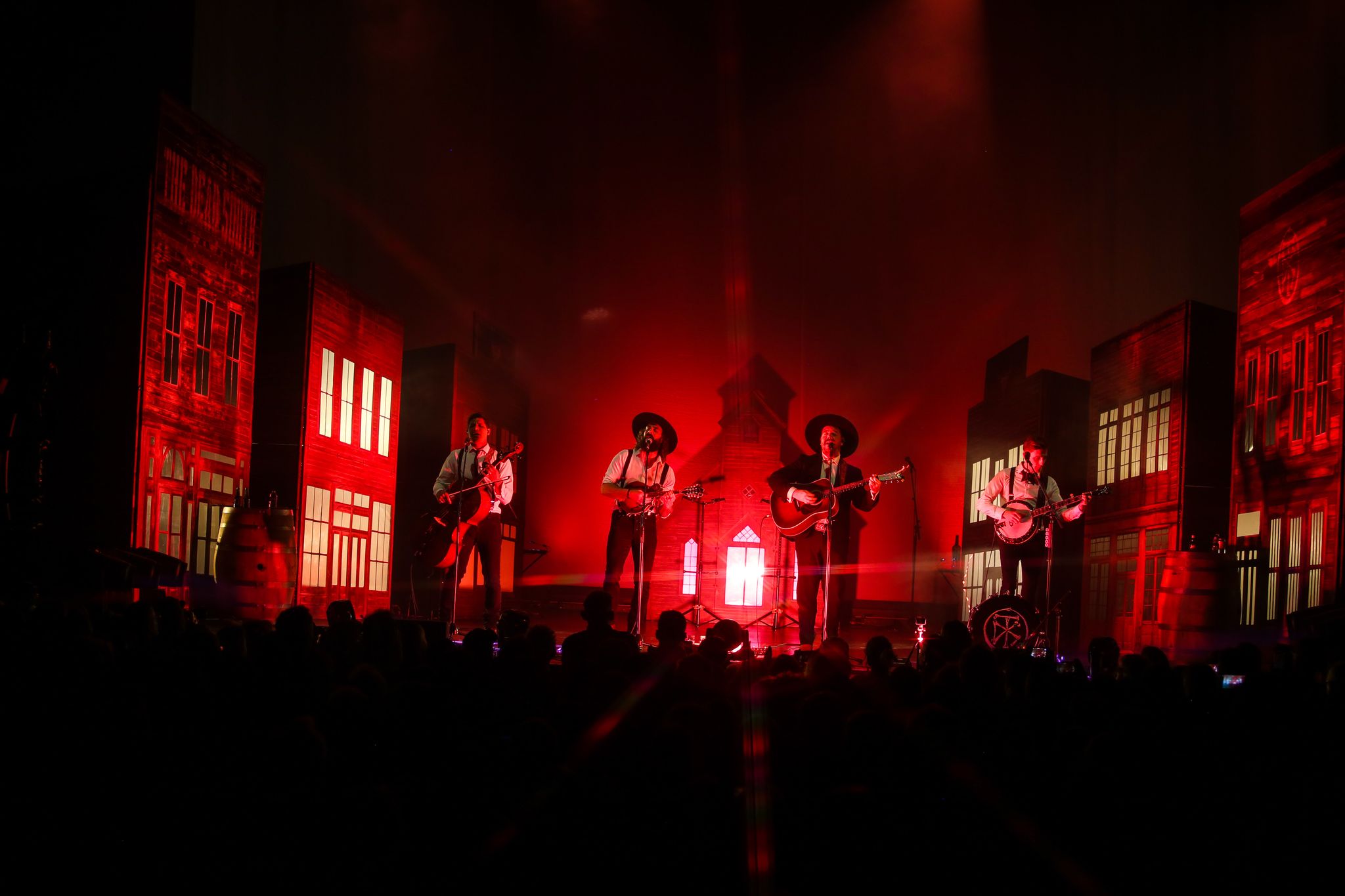
La Face B: Votre dernier album, Chains and Stakes, est sorti en 2024 et il est très cinématographique, très narratif. Quel a été le point de départ de cet opus ?
Nate Hilts: Je dirais que c’est très similaire à nos autres albums. On commence par écrire une chanson chez soi, et ce qui te drive ce jour-là te pousse dans une direction qui peut définir l’album. J'écris beaucoup autour de tragédies, ou de versions un peu comiques de tragédies. Donc mes thématiques changent pas tant que ça. Et les autres sont tellement bons pour compléter et améliorer les morceaux. Parfois il y a une vraie histoire, parfois les morceaux se rapprochent assez pour créer une histoire d’eux-mêmes.
La Face B: L’album a été enregistré à Mexico. Est-ce que cet environnement a influencé le son ou l’ambiance des morceaux ?
Nate Hilts: Pas tellement le son. Au début, on pensait que ça pourrait nous inspirer, peut-être dans les instruments ou les styles. Mais en fait, ce qui nous a marqué, c’était le calme. Il y avait une ambiance très détendue. Le temps était incroyable. On mangeait super bien tous les jours. On avait une terrasse pour se poser. Donc dès que tu sortais du studio, tu pouvais te relaxer. Tout le monde était détendu. C’était du travail, mais ça ressemblait vraiment à des vacances de travail.
La Face B: Le cadre d’enregistrement influence parfois beaucoup. Comme quand certains enregistrent à Joshua Tree, ça imprime une ambiance.
Nate Hilts: Oui, complètement.
La Face B: L' album mélange des histoires sombres, de l’humour et de l’énergie. Il y a des murder ballads, des fantômes, du chagrin, mais aussi des moments très légers. Est-ce que ce contraste est quelque chose que tu recherches et cultives?
Nate Hilts: Je pense oui. Mais c’est surtout naturel. Quand j’ai commencé à écrire, je cherchais ma manière de faire. Et j’ai toujours imaginé les chansons comme un film ou un livre dans ma tête. Je construis ça comme ça. Je prends parfois des choses réelles et je les enrichis avec des éléments narratifs.
La Face B: On le voit aussi dans vos clips, très cinématographiques, parfois un peu absurdes. Tout ça illustre bien les morceaux. Si on parle de titres comme Tiny Wooden Box ou Father John, comment tu abordes l’écriture ?
Nate Hilts: Ça dépend vraiment. Par exemple Tiny Wooden Box, j’étais dans une salle à Québec et j’ai reçu un appel d’une assurance vie, qui me disait que si je mourais en tournée, je pouvais payer pour rapatrier mon corps. C’était des gens que je connaissais, qui parlaient avec mes parents. Donc ça m’a fait réfléchir. Et les paroles sont venues direct. Et ensuite ça m’a amené à penser aux pertes que j’avais vécues récemment. Donc cette chanson vient d’un appel. Et Father John, c’est parti d’un refrain, sans idée de l’histoire, qui s’est construite ensuite à la guitare.
La Face B: Avec les années, votre musique a évolué tout en gardant votre ADN. Qu’est-ce qui a changé selon toi ?
Nate Hilts: On joue mieux, clairement. Au début, personne ne maîtrisait vraiment son instrument. C’était brut, plein d’énergie. Aujourd’hui, on comprend mieux les structures, on est plus créatifs. Mais on ne cherche pas un son précis, on fait juste ce qui vient naturellement.
La Face B: Comment définirais-tu le son de The Dead South ?
Nate Hilts: Bonne question. On nous la pose souvent. Certains parlent de “black grass” ou “thrash grass”. Mais honnêtement… c’est juste de la musique.
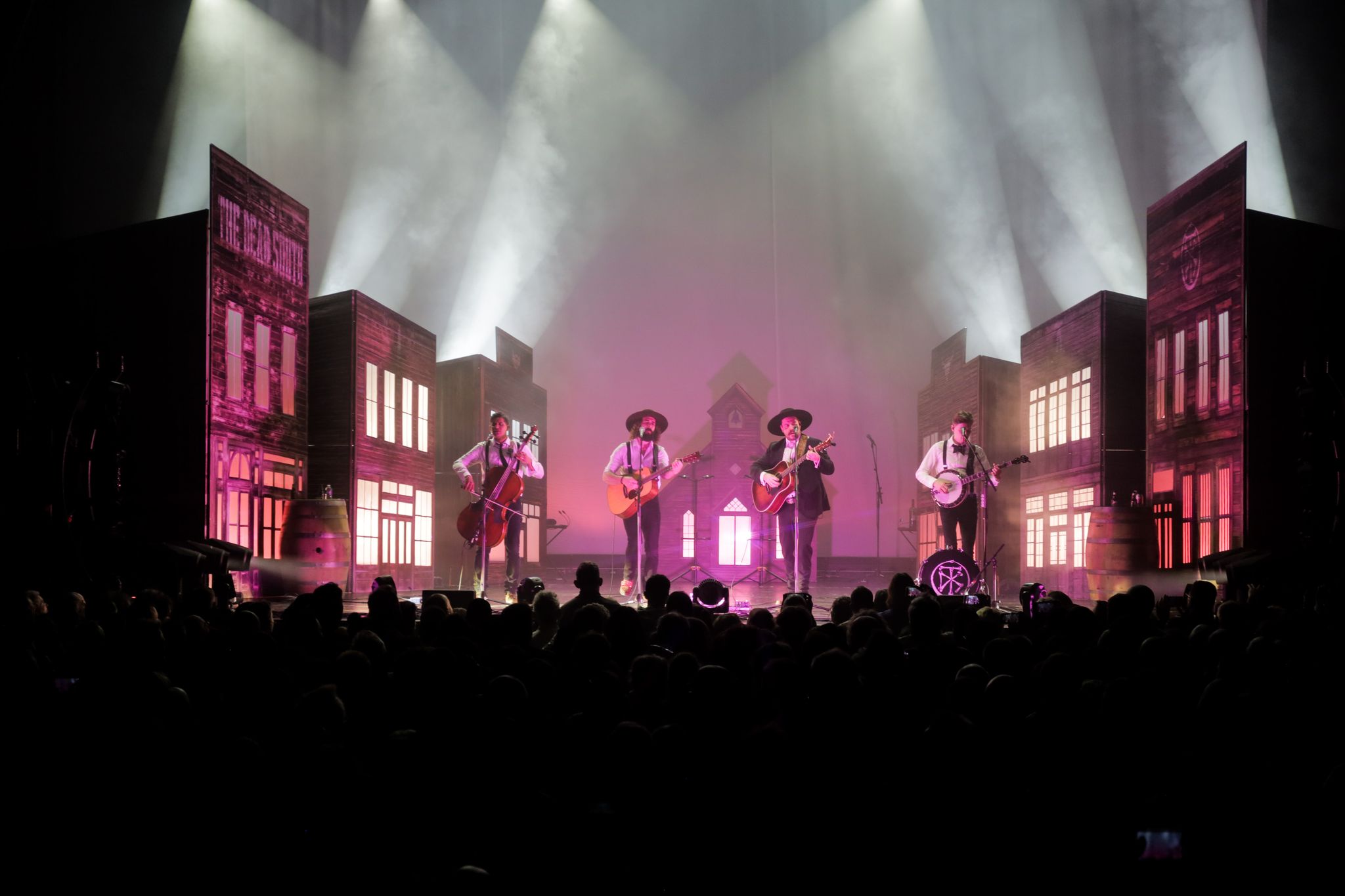
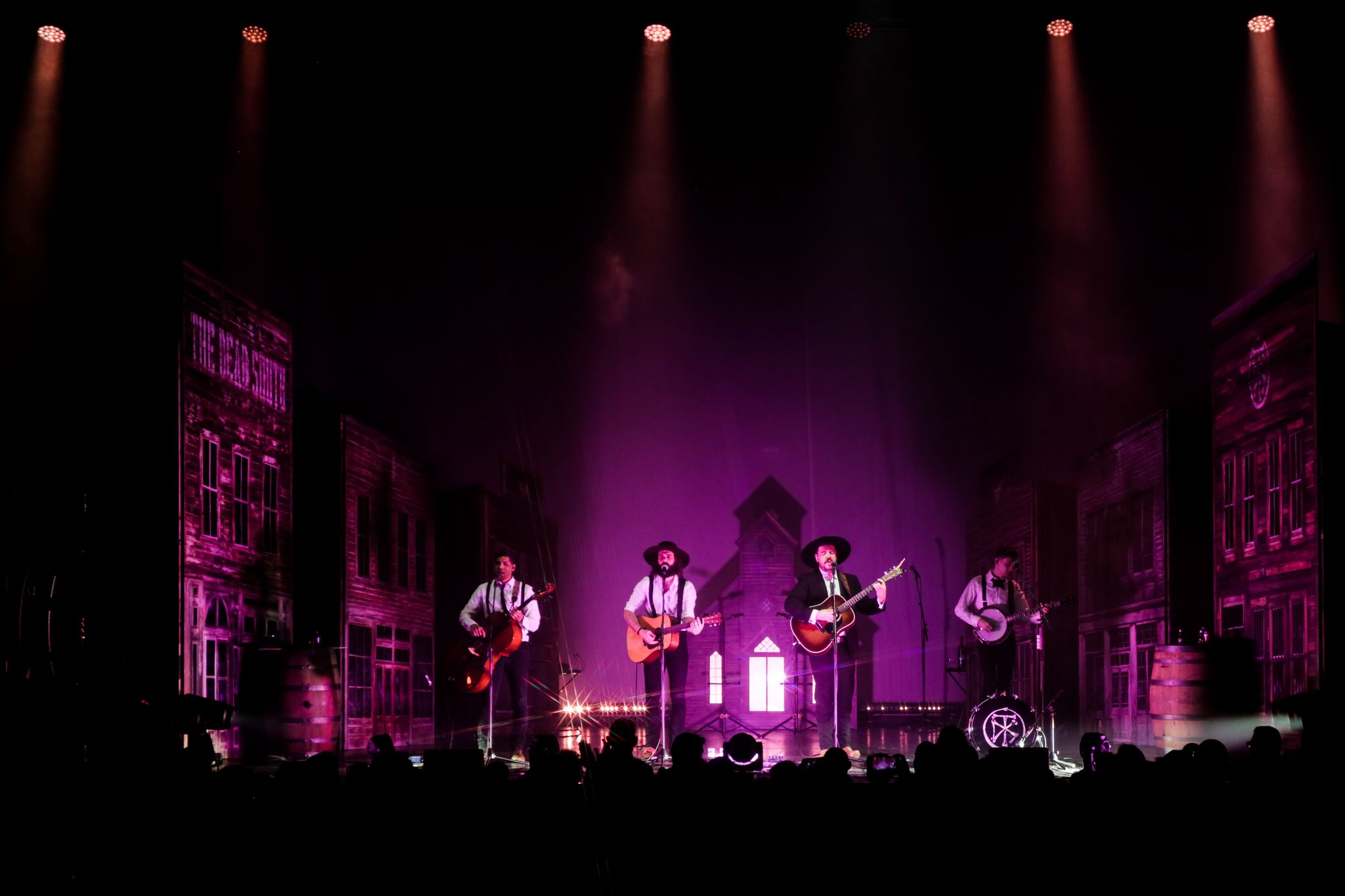
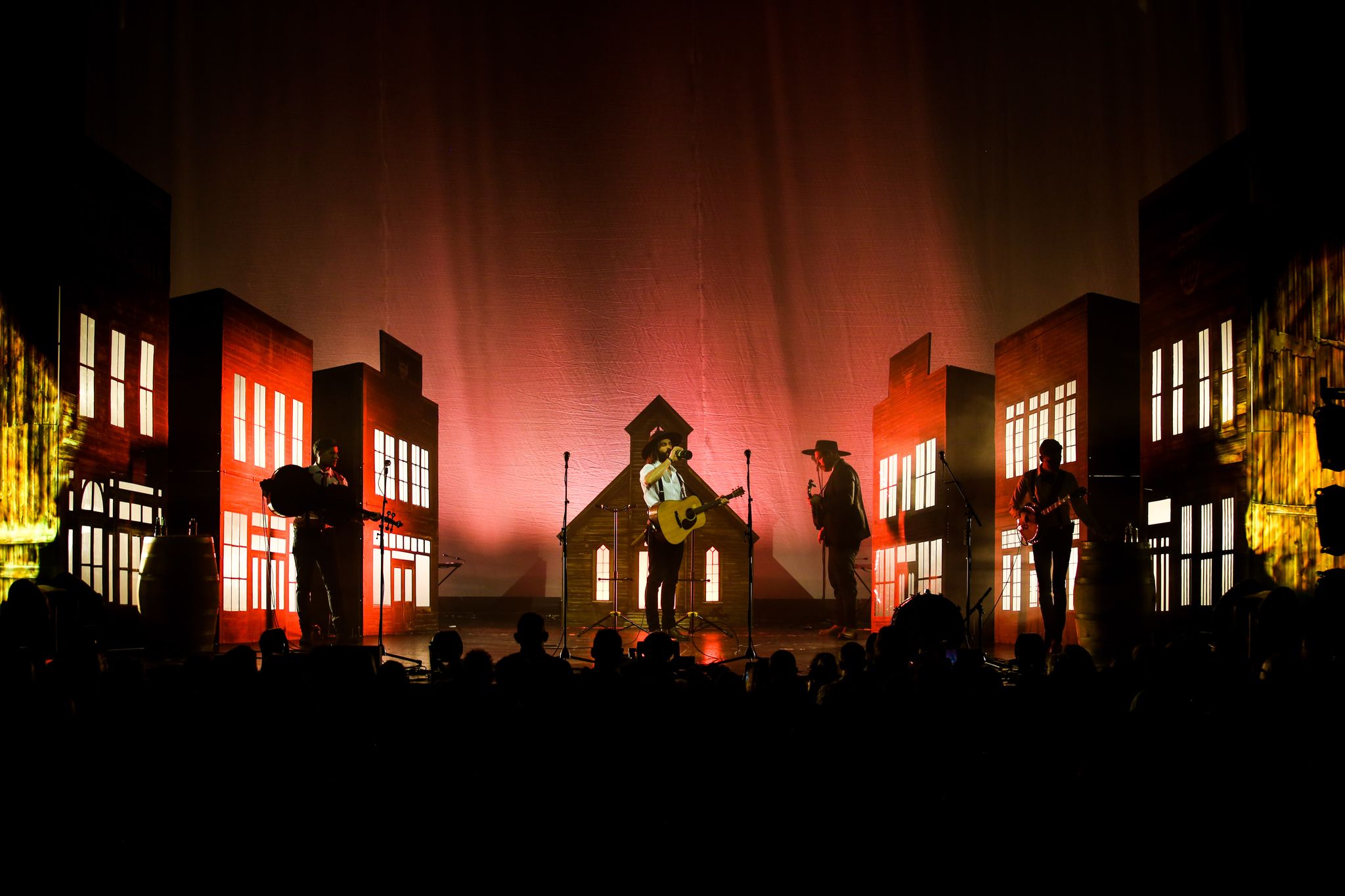
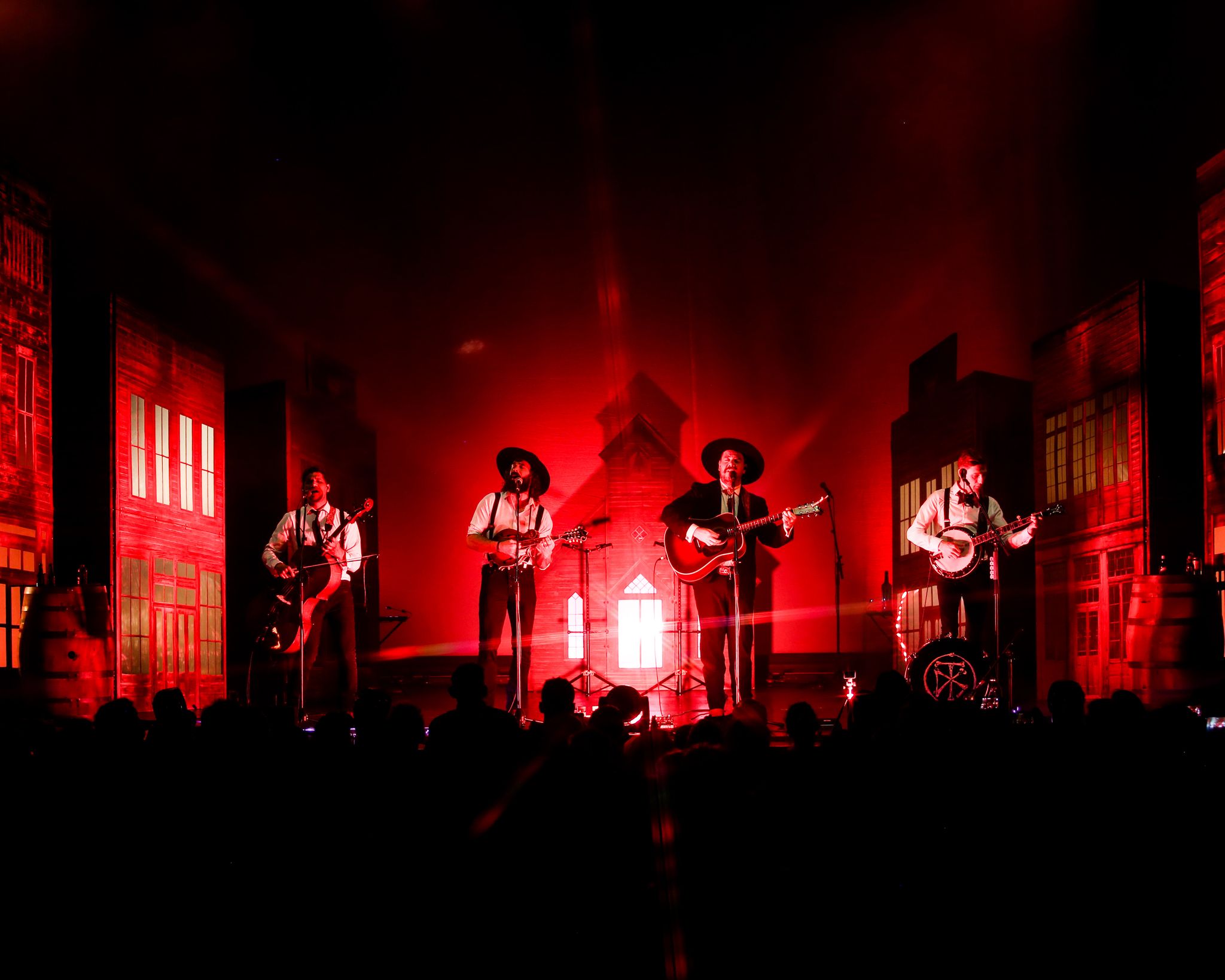
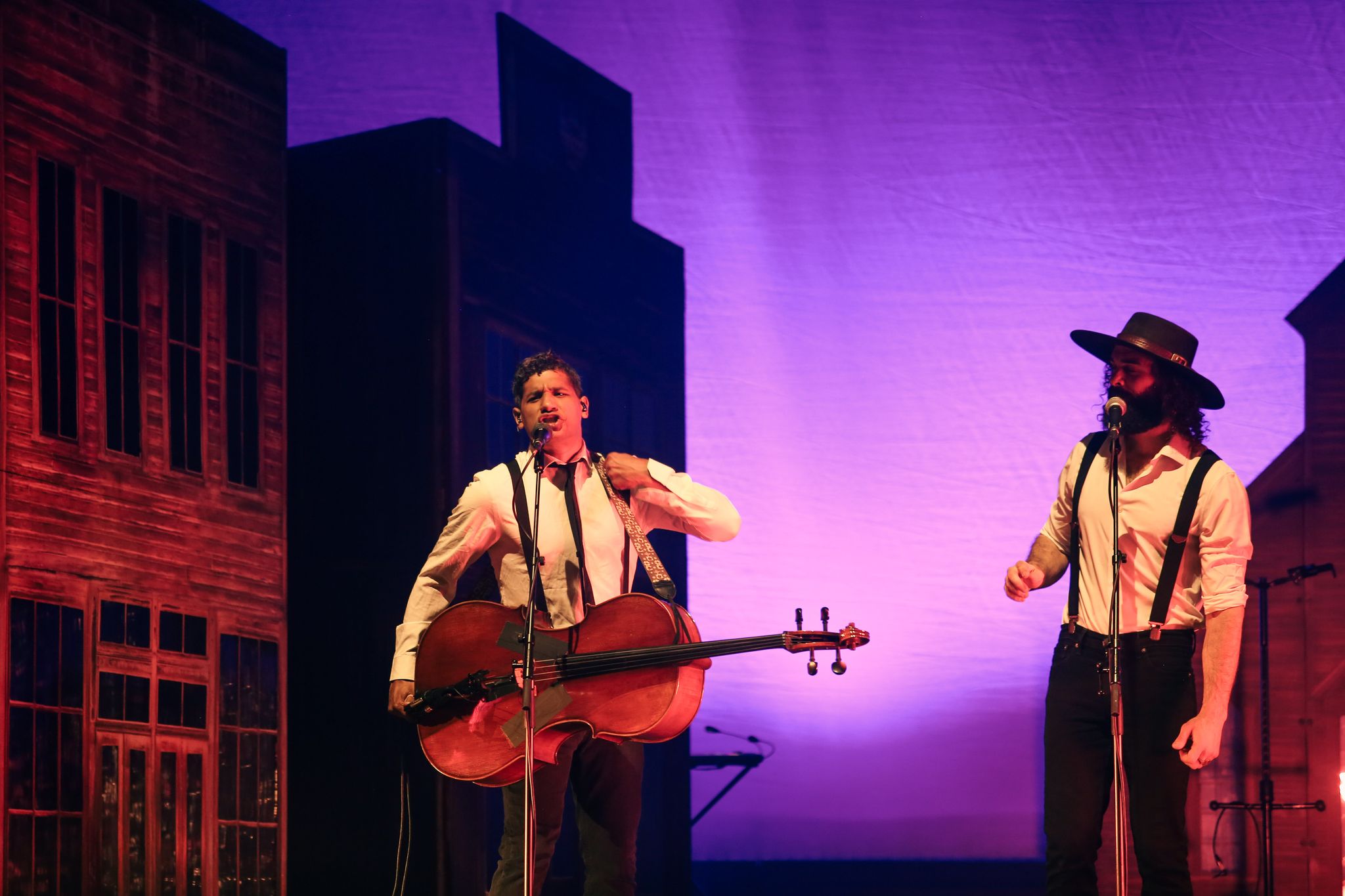
La Face B: Le banjo, la mandoline et les harmonies vocales sont centraux. Qu’est-ce que tu aimes dans ces éléments ?
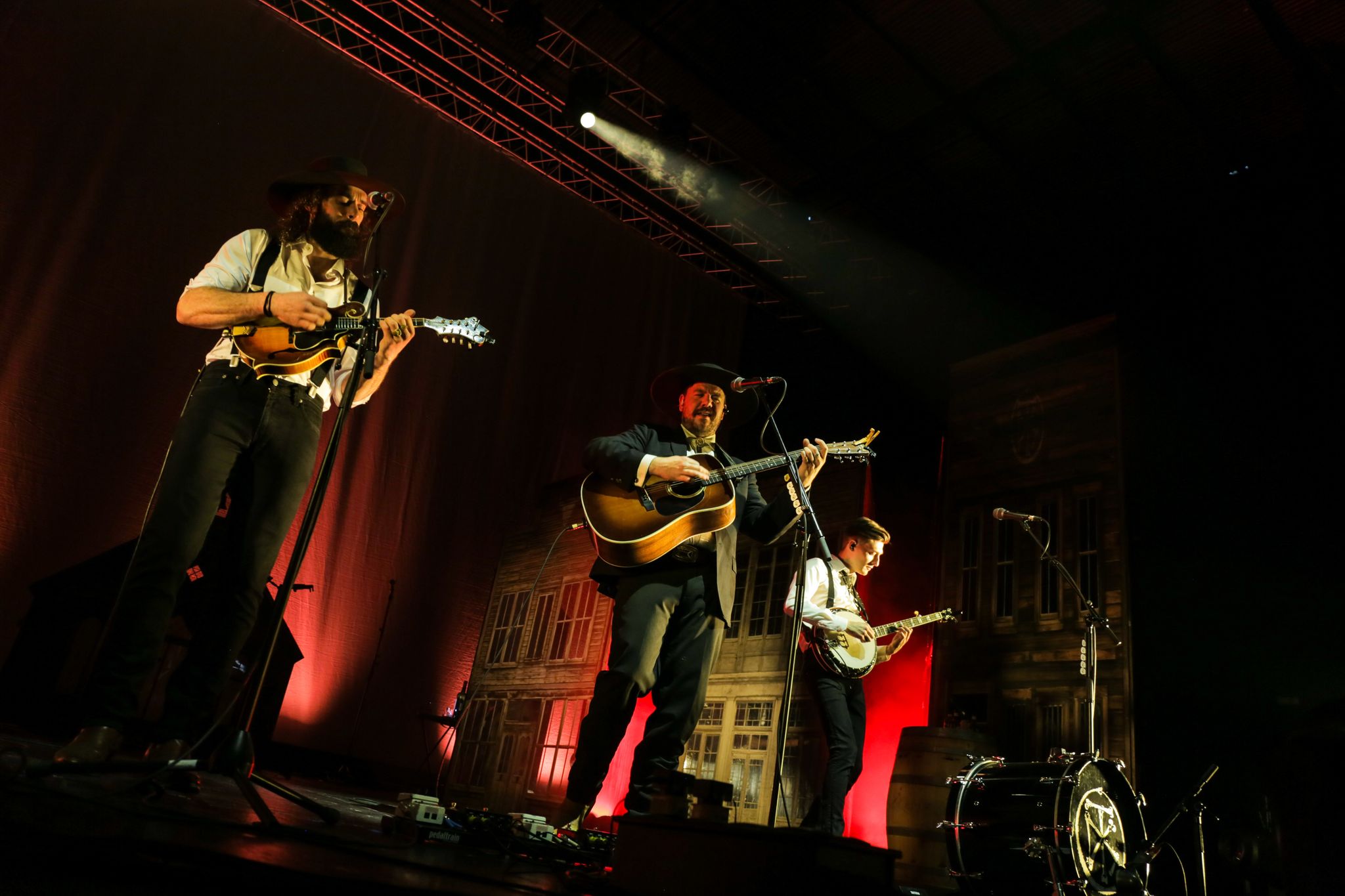
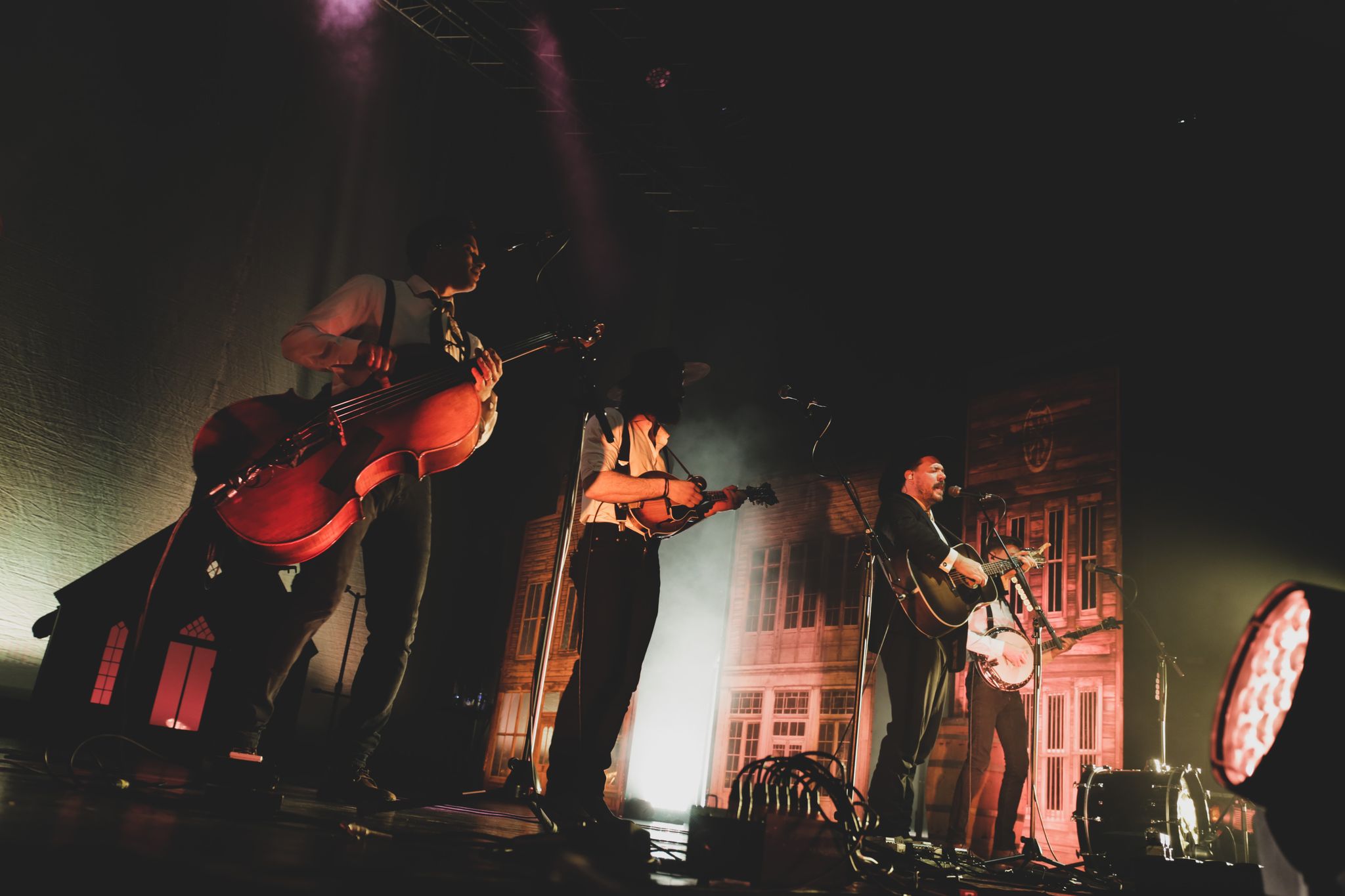
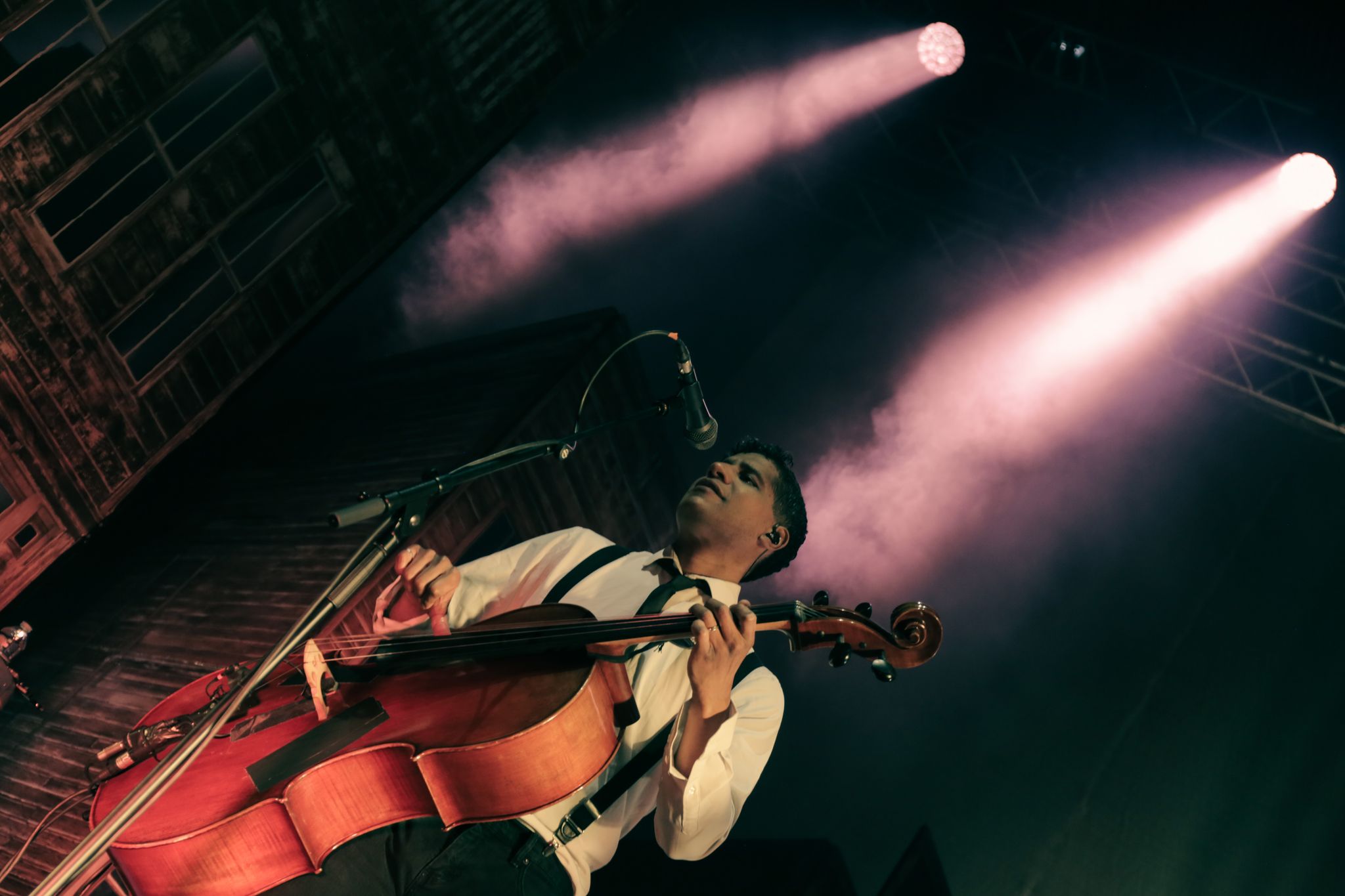
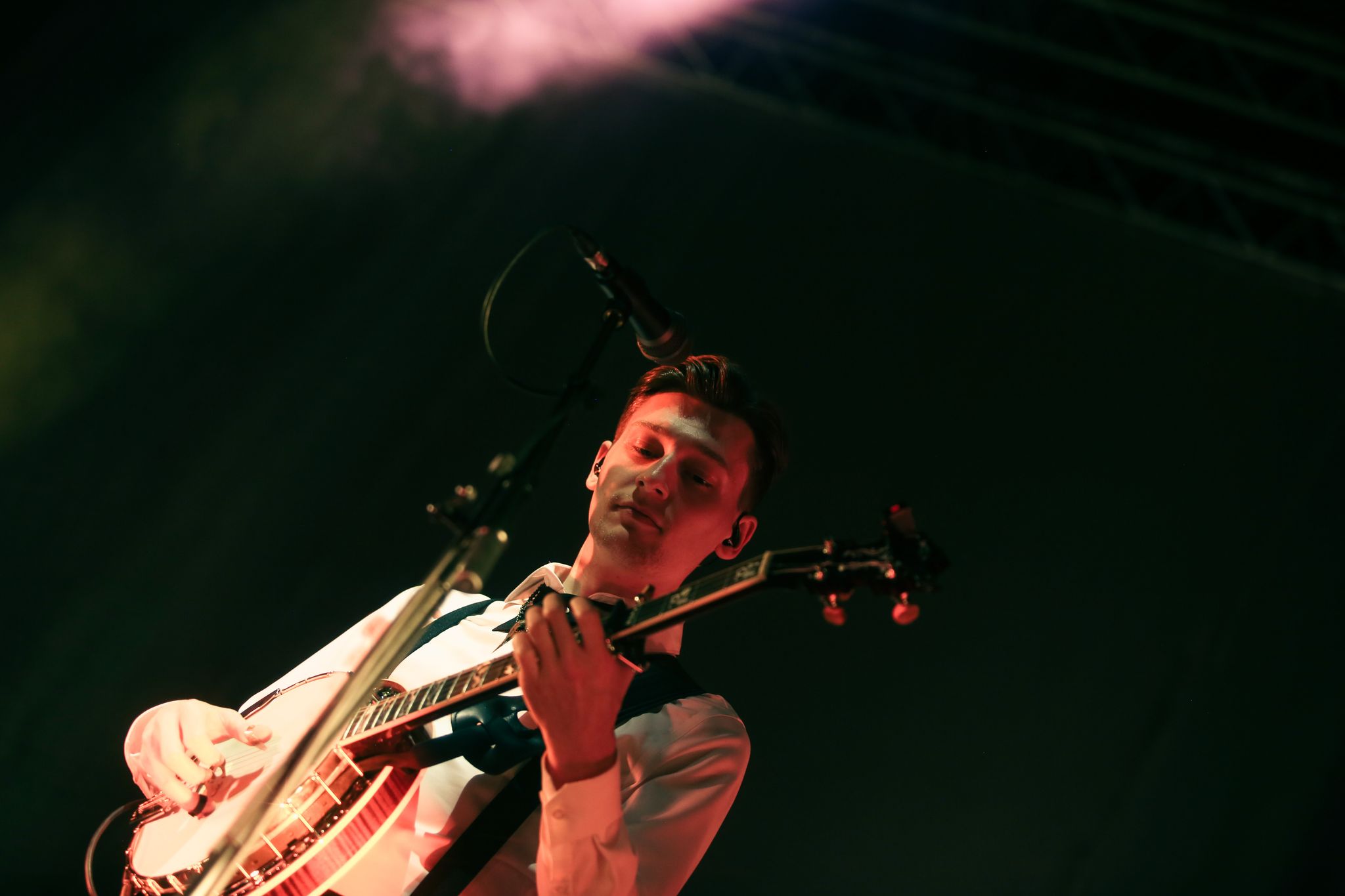
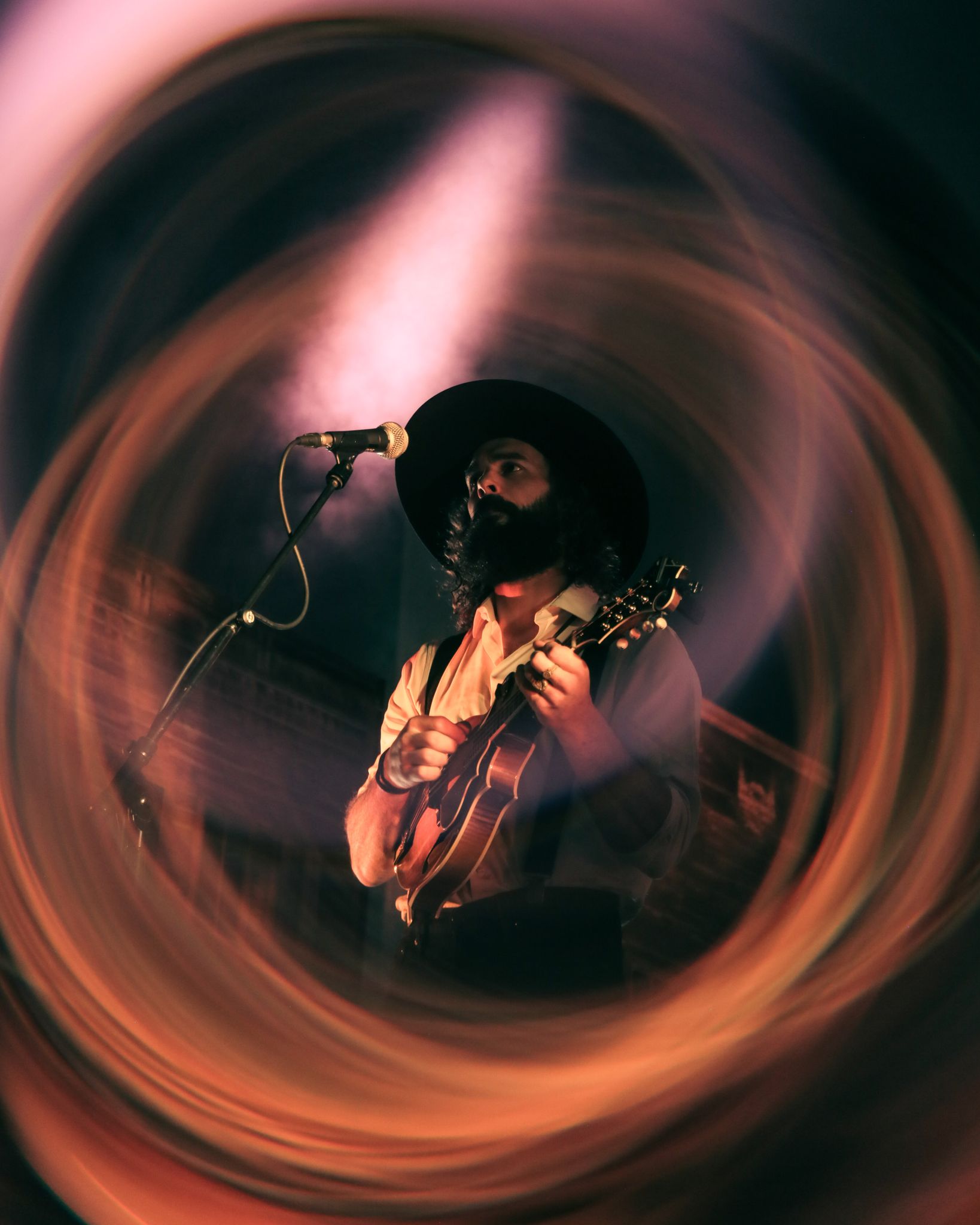
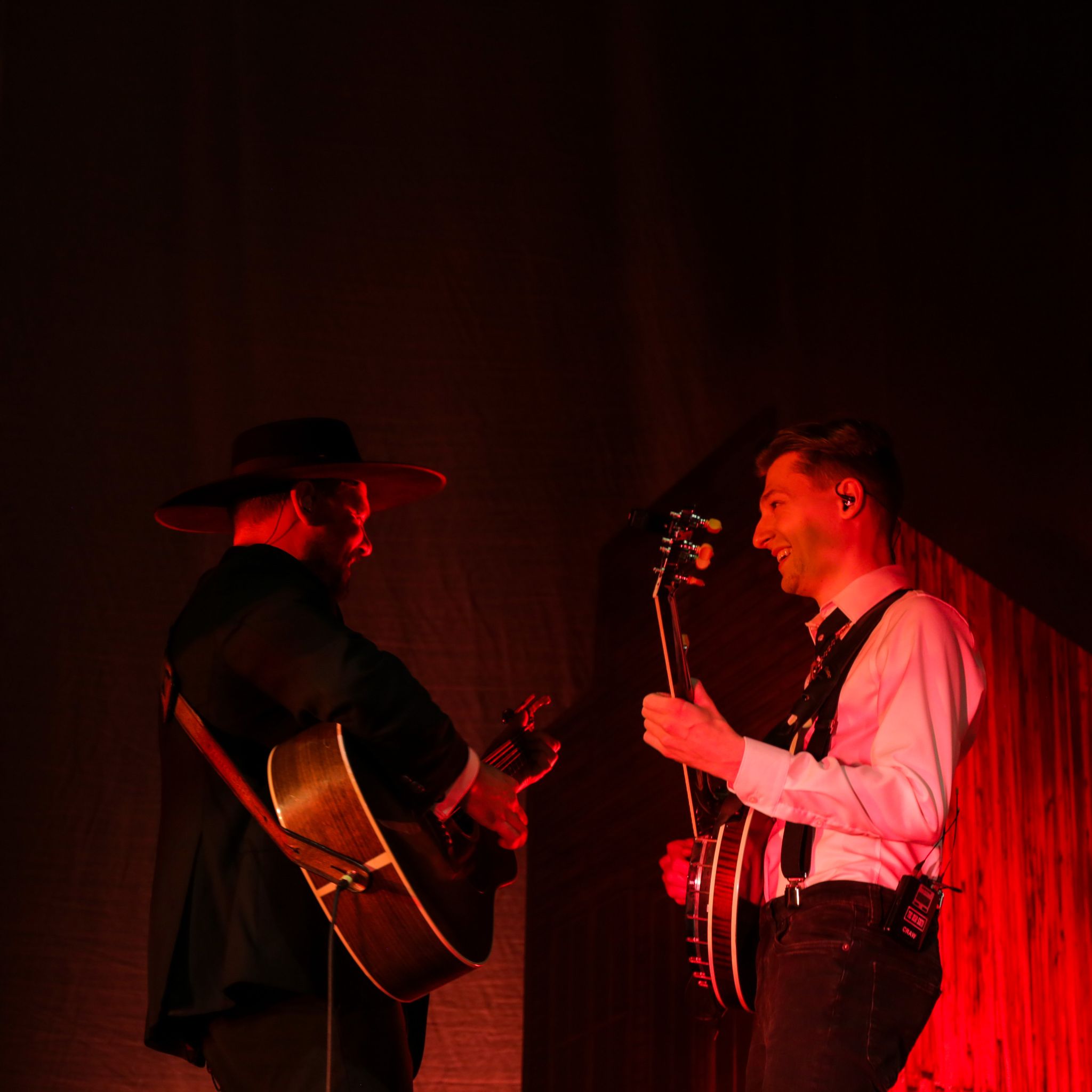
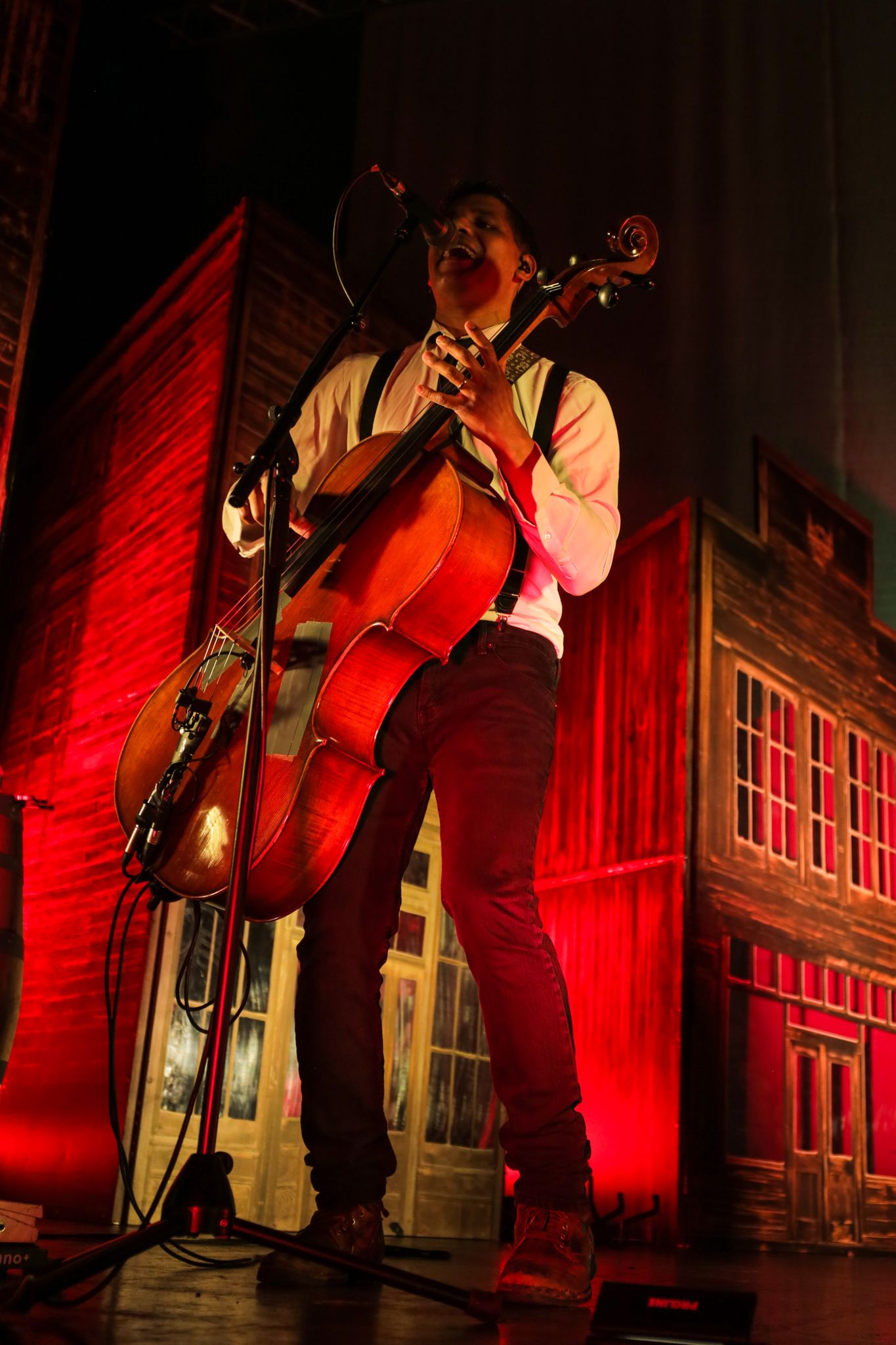
Nate Hilts: J’aime comment ils interagissent. Le banjo et la mandoline dansent ensemble, comme le violoncelle aussi. On traite le banjo comme une guitare lead. Et on garde toujours un côté percussif sans batterie.
La Face B: Comment construisez-vous vos morceaux ?
Nate Hilts: Très naturellement. Quelqu’un arrive avec une idée et chacun trouve sa place instinctivement. Scott est incroyable pour les harmonies. Ensuite on affine, mais au départ c’est instinctif.
La Face B: Vous jouez ensemble depuis longtemps, ça devient automatique.
Nate Hilts: Exactement.
La Face B: Parlons de In Hell I’ll Be In Good Company. Pourquoi ce morceau a autant marqué ?
Nate Hilts: Le vrai déclic, c’était le clip. Les visuels simples, les changements de décor, la danse, l’humour… et le contraste avec le sujet sombre. Les gens ont connecté avec ça.
La Face B: L’aspect visuel est donc essentiel ?
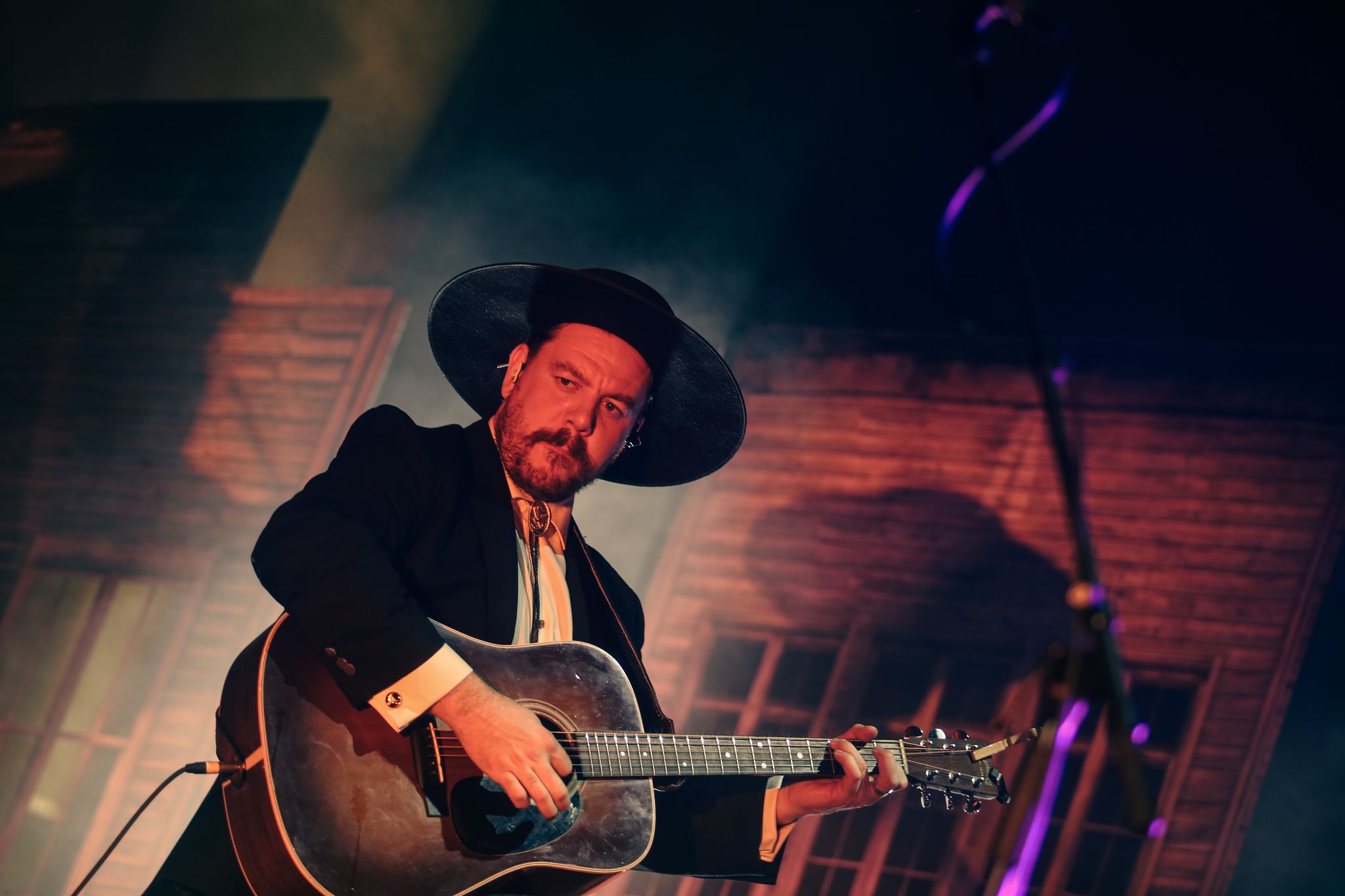
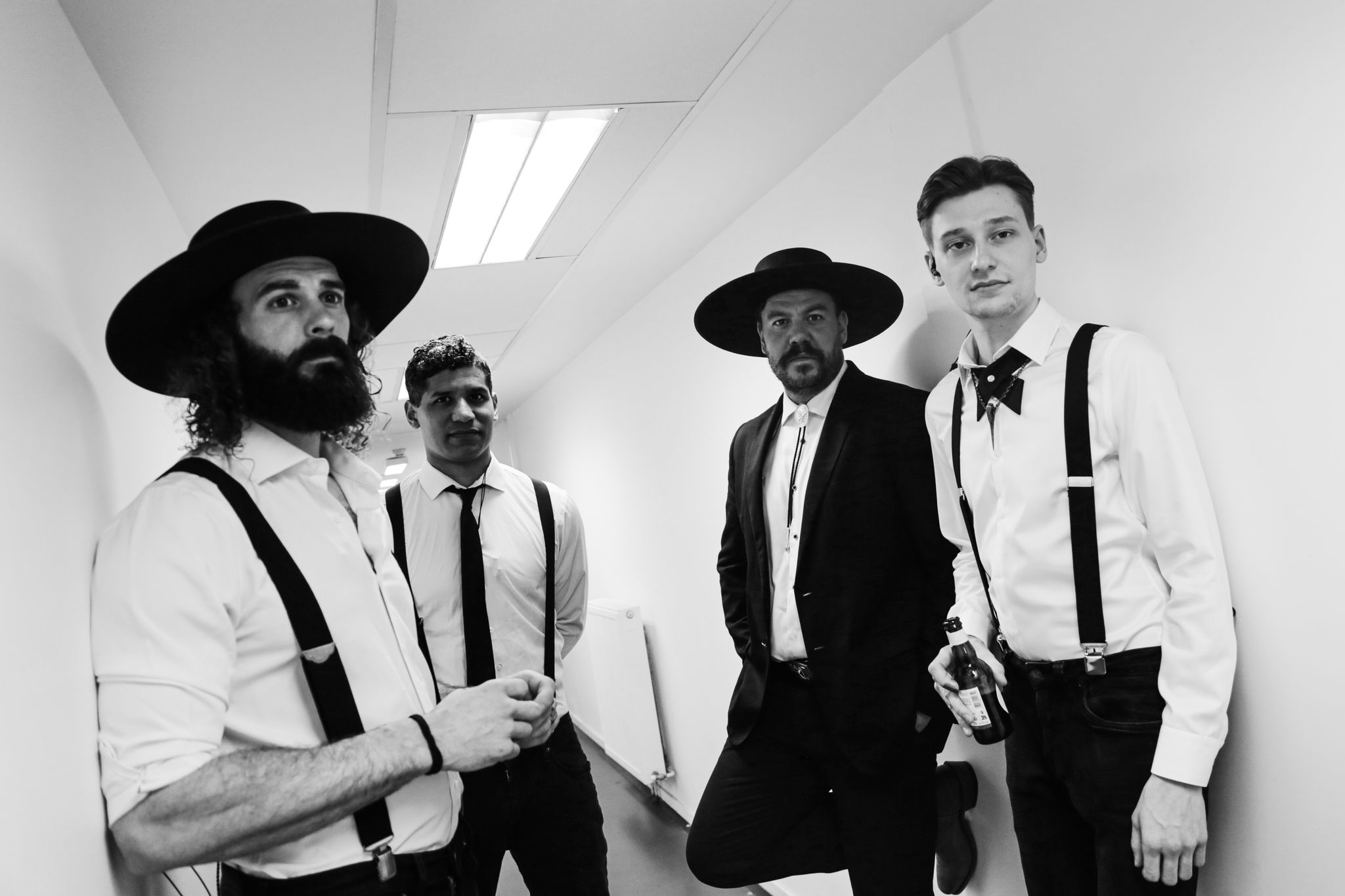
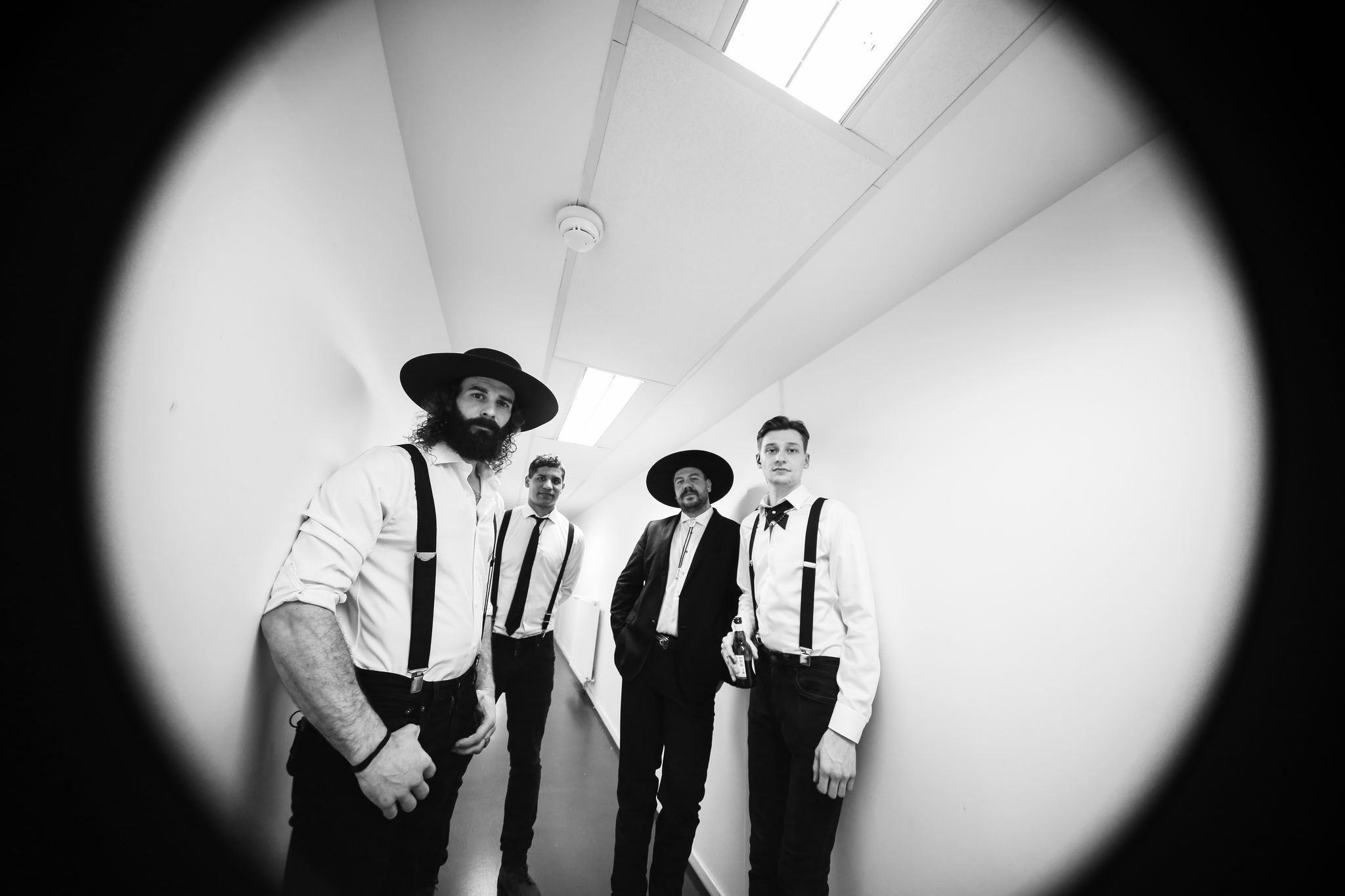
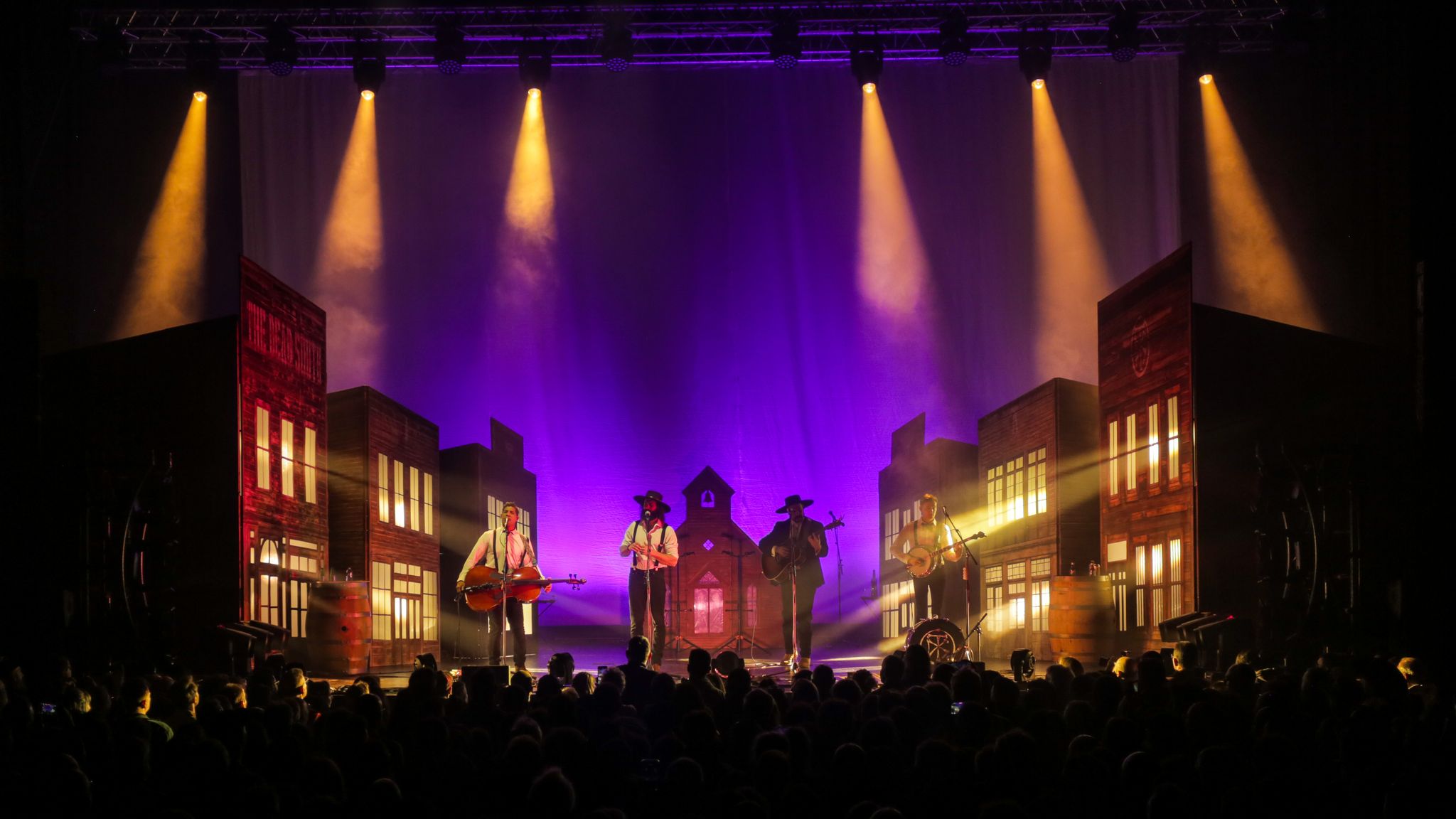
Nate Hilts: Énorme. Même nos tenues sur scène sont marquantes avec les chapeaux. On peut ne pas se rappeler de notre nom mais on se rappelle de nos concerts.
La Face B: Tu travailles toujours avec les mêmes réalisateurs ?
Nate Hilts: Presque. Beaucoup de clips avec Two Brothers Films, puis d’autres avec Jeremy.
La Face B: Et est ce que tu finis les concerts avec In Hell, I'll be in Good Company?
Nate Hilts: On ne finit pas avec, mais presque.
La Face B: Et il y a toujours ce moment “c’est pour ça qu’on est là”.
Nate Hilts: Je plaisante souvent en disant qu’on devrait le jouer en premier.
La Face B: Tu sais quoi ? J’ai photographié le concert de Raye à Paris, elle a commencé avec son plus gros morceau "Where is my Husband". C’était audacieux, mais ça a mis le feu direct. En regardant votre parcours, quelles influences vous ont marqués ?
Nate Hilts: On partage beaucoup d’influences, mais aussi des différences. C’est ce mélange qui fait notre son. Le groupe s’est formé autour de Trampled by Turtles.
La Face B: Et des influences inattendues ?
Nate Hilts: Oui, plein. The Doors, Neil Diamond, Meat Loaf, du punk, du classique…
La Face B: Si Chains and Stakes était un film ?
Nate Hilts: Un film de mensonges et de trahisons.
La Face B: Quel personnage fictif serait fan de vos concerts ?
Nate Hilts: Super question! Peut-être Rick et Morty.
La Face B: Qu’écoutes-tu en ce moment ?
Nate Hilts: Sturgill Simpson, Idles, Fontaines DC, System of a Down, Colter Wall, Pixies…
La Face B: Si tu pouvais collaborer avec quelqu’un du passé ?
Nate Hilts: Roger Miller. Et jouer avec The Doors serait incroyable.
La Face B: Après la tournée ?
Nate Hilts: On prépare un nouvel album pour début 2027.
La Face B: Un titre ?
Nate Hilts: Pas encore. Mais on l’a enregistré à Abbey Road à Londres.
La Face B: Super! Merci beaucoup. C'etait un plaisir
Nate Hilts: Merci à toi.
Toujours plus d’interviews et de photos de concerts dans La Face B
De plus, suivez The Dead South sur Spotify, en live ou sur Instagram
Enfin, retrouvez les articles d‘Alexia Arrizabalaga-Burns dans La Face B
Version en anglais
La Face B: Hello Nate. Very good to meet you. How is the tour at the moment?
Nate Hilts: Very good to meet you too. Tour has been excellent. France has been very kind to us.
La Face B: What makes European audiences special for you compared to other places you play?
Nate Hilts: That's a great question. I suppose like where we come from, more the North American kind of vibe of where we started was in playing in pubs and bars. And you kind of get a big drinking culture around ours. The crowds can be very rambunctious. Sometimes when you come to Europe, you see a lot of passion. But also in certain countries in Europe, you can see a lot of politeness. So it almost seems too quiet sometimes, but they're just being really respectful.
La Face B: So after releasing Chains and Stakes, how did the new songs translate to the stage?
Nate Hilts: Fairly effortlessly. You know, when we were writing Chains and Stakes, the idea was like, okay, let's bring a bluegrass song. But then let's bring a heavy song. Let's bring our kind of traditional writing together again. You know, in some ways, Colton was being very complex with a lot of his banjo writing. And it just translated to such a fun environment on stage. And it was just, again, just that easy. You know, after we played the songs a few times live, it just fell into place as it does.
La Face B: Are there tracks that really came alive differently when you start playing them in a live environment?
Nate Hilts: Yeah, actually, I'd say most do. When we are writing an album, you have an idea of what it's going to feel like. But when you go to record it, you're kind of still learning the song. So as soon as you go to play it live, everyone plays with a little more vigour and passion. And you find the times where you need to bring it down and pull it back up and speed it up and slow it down.
La Face B: Your shows feel very communal, almost like a musical gathering rather than traditional concerts. How important is that live connection to what that sound does?
Nate Hilts: Oh, it's super important. I mean, especially when you're playing live. One of the challenging things is to always have the energy that you want, because, you know, you're travelling all the time. You're a little tired. So when having this proper feedback between the audience and band, it can just perpetuate this amazing cycle of energy that can flow. And then hopefully everyone feels that and it joins everyone together. And the whole point of it is of like why we do this. It's like, yes, we love playing music, but also we like playing music and just kind of taking the night off from the rest of the world in a way.
La Face B: I interviewed Kelly Finnegan from Monophonics and he said exactly the same thing with like a circle. The energy that you give is like you return and it's like a big circle.
Nate Hilts: Synergy.
La Face B: Your latest album, Chains and Stakes, came out in 2024 and it feels very cinematic and story driven. What was the starting point of this record?
Nate Hilts: I guess starting point is very similar to most of our other albums. Start with just sitting at home writing a song and whatever drives you that day when you're writing is just a big push into the direction of the way the album can go.
Typically, a lot of the way that I write is just either tragedies or some sort of comedic version of a tragedy or something like that. So I feel like my thematics on songs don't change so much. And then the other guys are just so good at filling in other parts and making the songs even better. Sometimes, there's a storyline and sometimes the songs are just close enough that it builds a storyline itself.
La Face B: The album was recorded in Mexico City. Did that environment influence the sound or the mood of the songs in a way?
Nate Hilts: I wouldn't say so much the sound. When we first got into it, I think the idea or the potential of being inspired by some of the influence there would maybe add to some of the recording. Maybe on some instrumentation or just the style, different styles that we'd want to play. But I think that we just went in there. What really lent itself to us there was the calmness. There was just such a laid back vibe about being there. The weather was phenomenal. We ate great food every day. We had this nice terrace to go sit on. So once you're done kind of in the studio, you can just pop outside real easy and everyone just seemed really relaxed. It's like you're working, but it felt like a working holiday for real.
La Face B: The frame of how you're recording conditions. Sometimes it has an influence. It's like when people record in Joshua Tree. It sets the tone to your whole mood and like souvenirs of the record.
Nate Hilts: Yeah, absolutely. Yeah.
La Face B: So the record also balances dark storytelling, with humour and also energy. So you've got murder ballads, you've got ghost, heartbreak, but very playful moments. We can see that as well in music videos. Is that contrast something you cultivate when you write?
Nate Hilts: I think so. I mean, it just naturally is what comes to me. I think when we first started the band, the way I was kind of starting to figure out how to write songs lyrically. But I think what I was really trying to do was I was envisioning, and I still do this, kind of like a movie or a book and I draw it out in my head and that's the way I kind of write to it. So I'll even take things that are real and then I will kind of sprinkle it with like little story moments to build the story more.
La Face B: We can see like even in music video, it's very cinematic and you have sometimes goofiness and you have like some silly moments or even on the filming. You can see that if you're looking over a coffin, you know, but I think it's part of the vivid imagery that you have and it's all illustrate the songs. If we deep dive into songs, so songs like Tiny Wooden Box or Father John, they explore themes like loss and morality. So how do you approach storytelling when you write the lyrics?
Nate Hilts: Again, it really depends. So for example, Tiny Wooden Box, we were sitting at a venue in Quebec City and I got a call and it was basically from life insurance being like, hey, just in case you pass away on the road, there are options that you can pay some money so that we can get your body brought back to wherever you are for this amount, this fee kind of thing. And it was people I knew, but they were having conversations with my parents. So I'm like, you know, the conversation had started to check in on it. You know, what if?
So when I was sitting there, I got that call and I'm like, perfect. The lyrics kind of started coming, you know, got a call today to see if I want to pay to bring my body home in a tiny wooden box. And that started the song. Then that beginning led me thinking to all the recent loss that I had had that year and last couple of years prior and so on and so forth. All the other people that are affected by it. So, that song came from a phone call. And then Father John, you know, it just being a story of I started with just a chorus and had no intention for what the song was going to be. And then the whole story is kind of built around it when I was just sitting there playing guitar.
La Face B: Over the years, your music has evolved while still keeping that DNA. When you listen back to your earlier records, what do you notice that has changed over the years in the sound?
Nate Hilts: Well, I guess one of the biggest influence on the sound would be that we actually know how to play our instruments better now. When we first started, Colton had just got a banjo. We had asked Danny to stop playing classically trained cello style and, you know, put a strap over him and play more like a bass, but still bow. Scott had never played mandolin before. You know, I was terrible at guitar. I didn't know how to sing.
So it was just a lot of pure raw energy and enthusiasm and creativity and just pushing it into it. Now it's, you know, there's a lot more development to thinking how a song structure should actually be. Guys can do a lot more challenging parts and be a lot more creative. But so much in the sound, I don't know if there's no real idea to reach for a sound. We just kind of do what's naturally coming to us at the time.
La Face B: I wanted to deep dive into bluegrass and musical identity. So your sound is rooted in bluegrass, but blends also folk, Americana and sometimes even a hint of rock. How do you define Dead South sound?
Nate Hilts: Yeah, that's a good question. We get asked that a lot. And I don't really know. Some people have come up with cool phrases like black grass or thrash grass because it has, you know, those elements of the metal and punk and rock. And then it has the grass version of the roots. So I don't know. I'm just going to have to put it down as music.
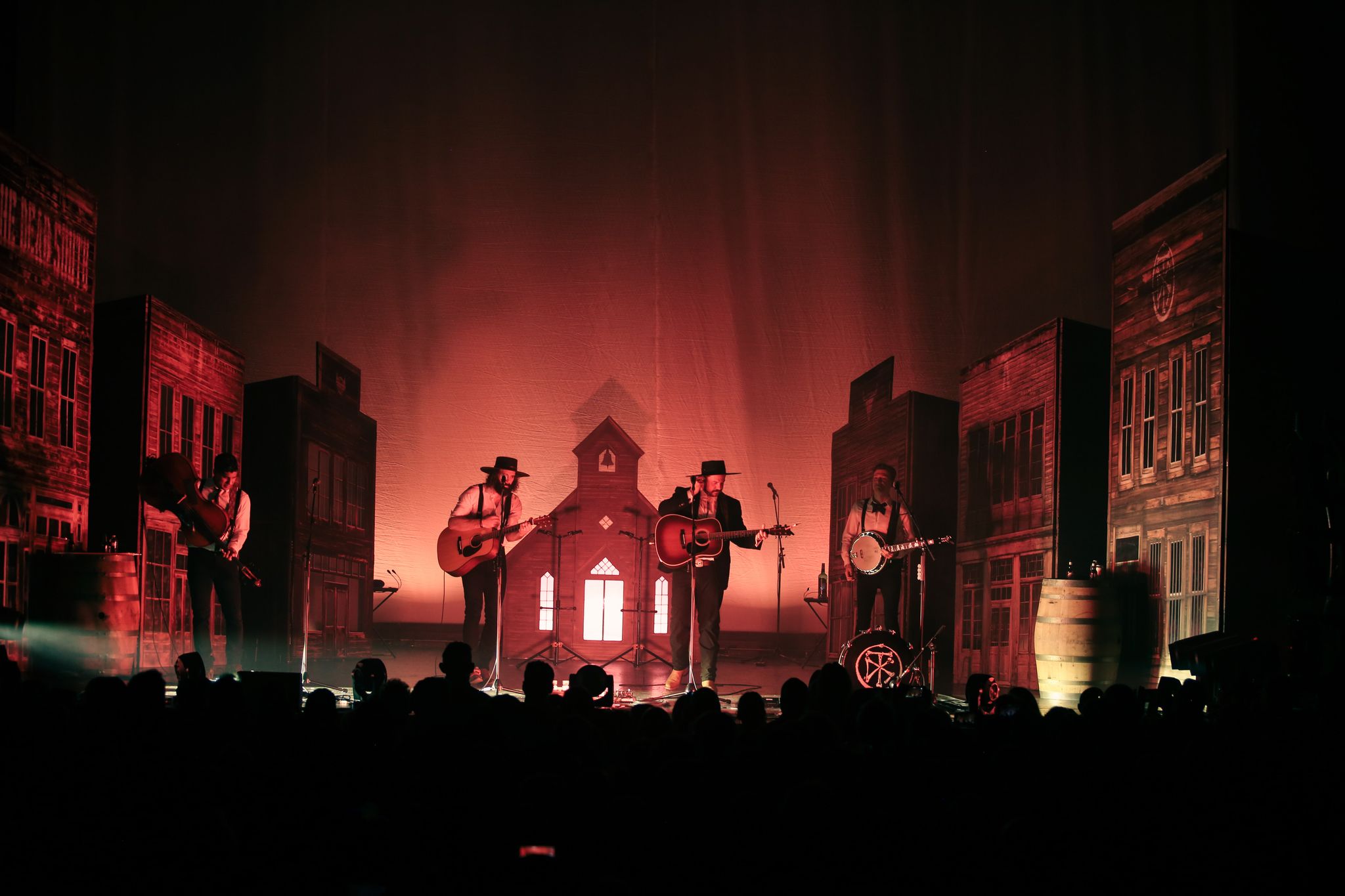
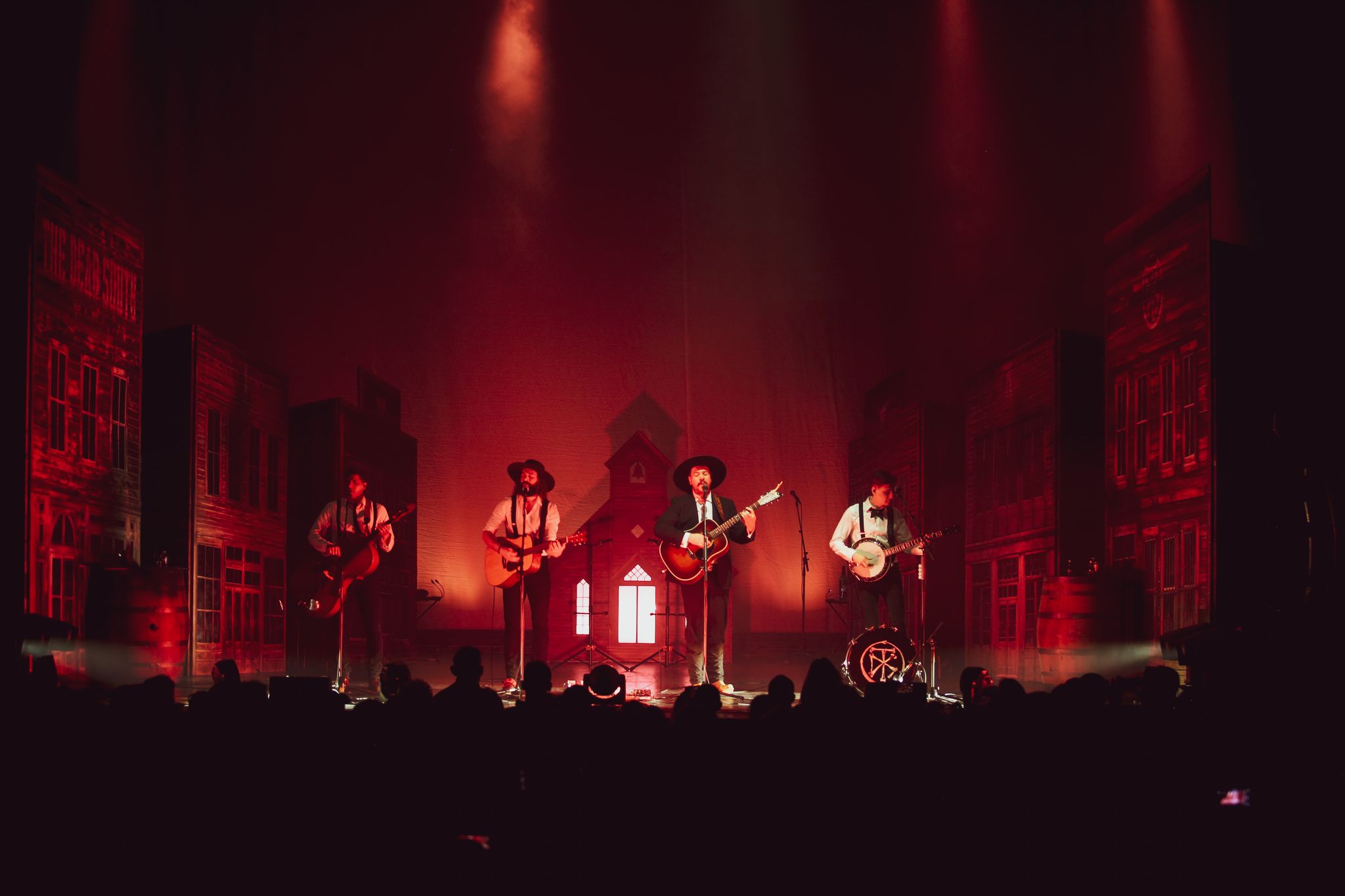
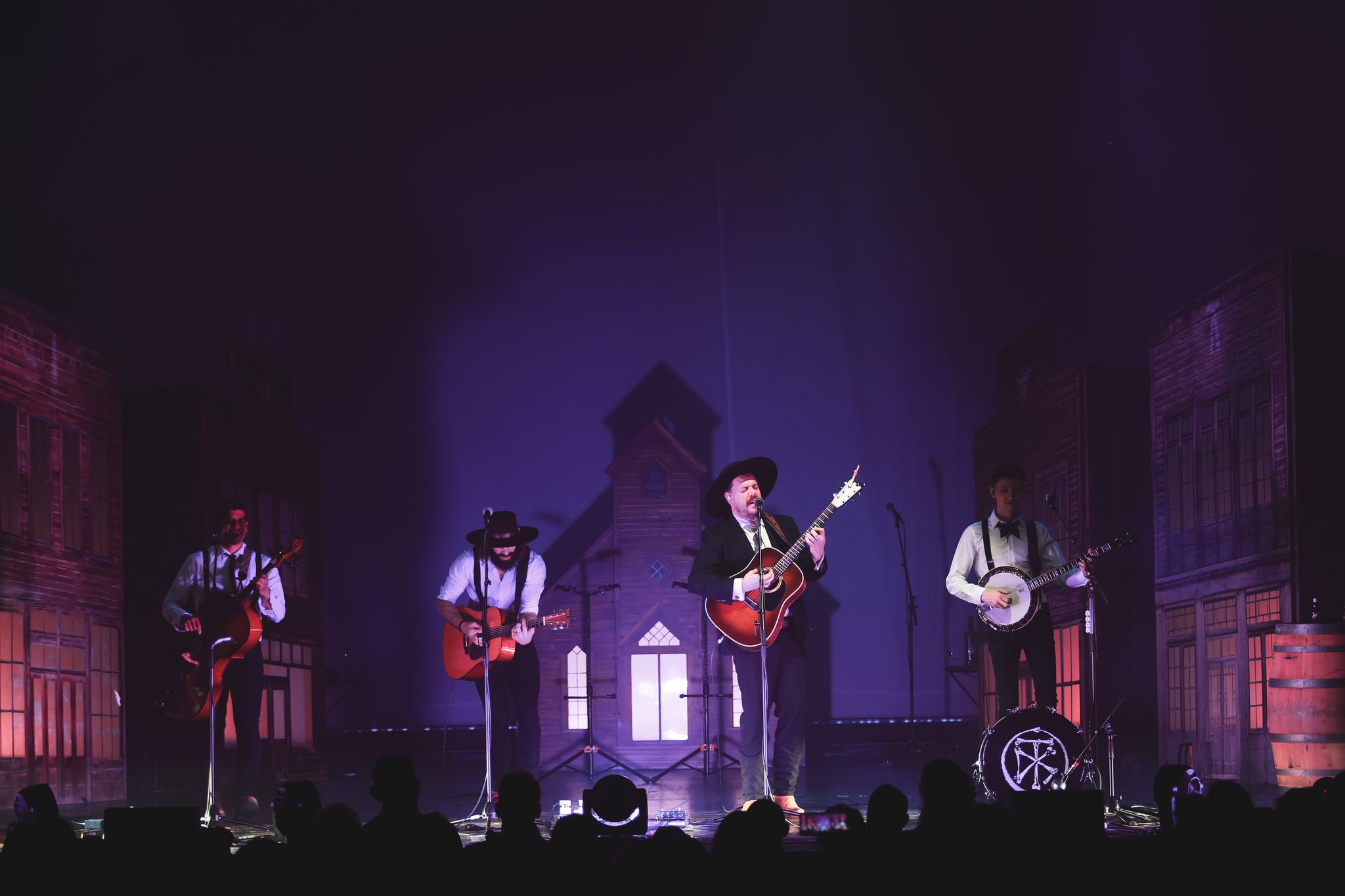
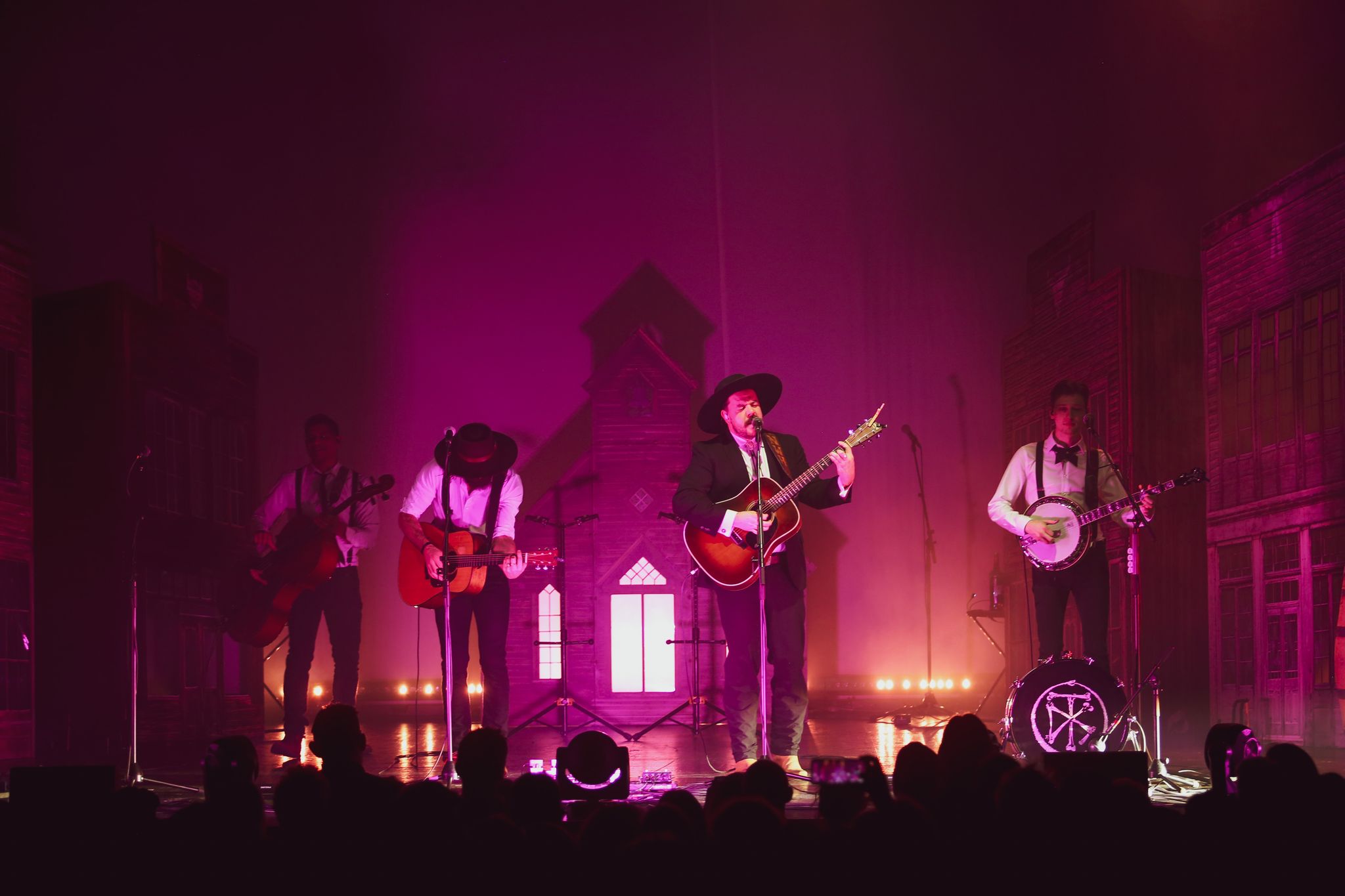
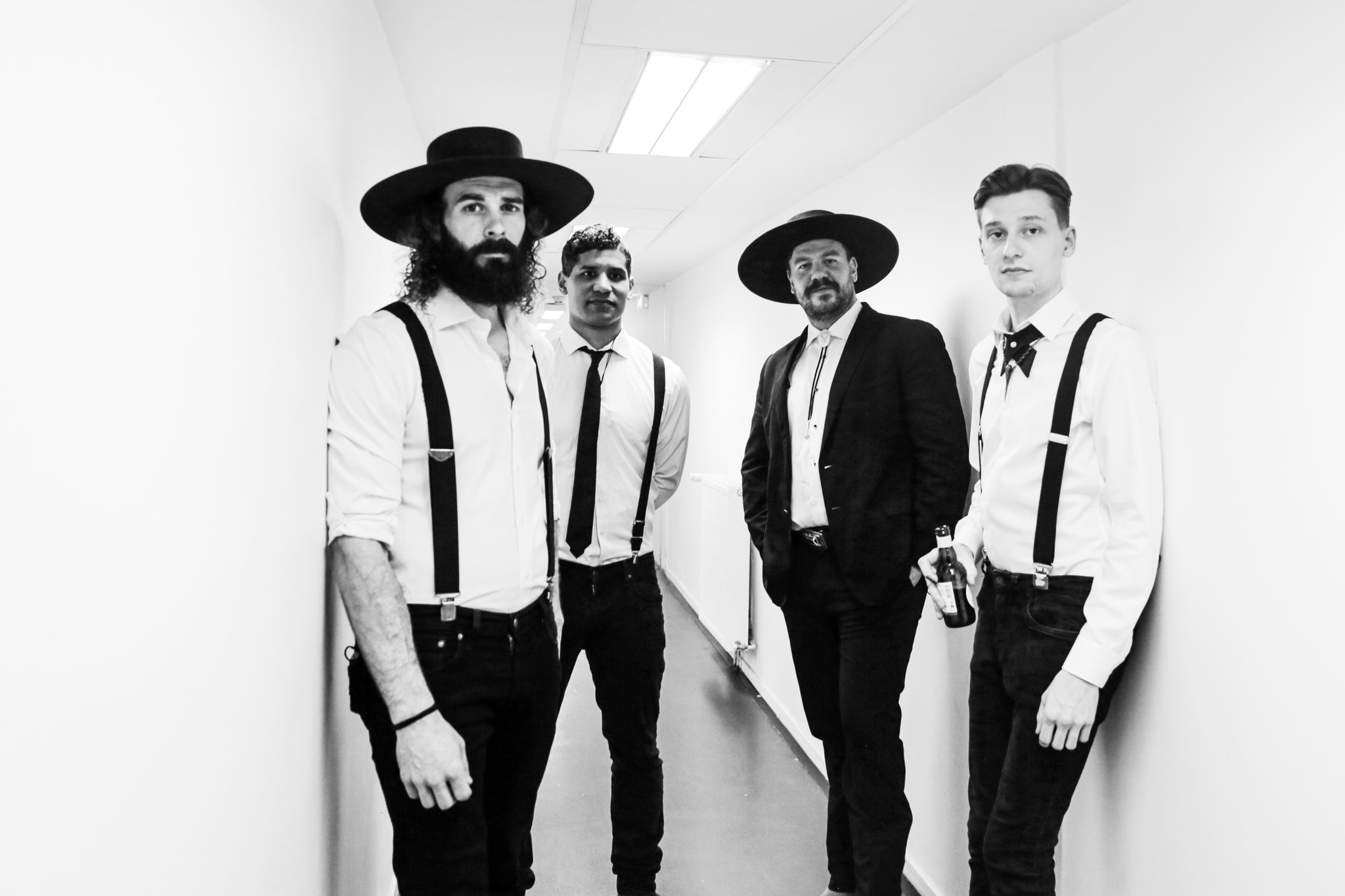
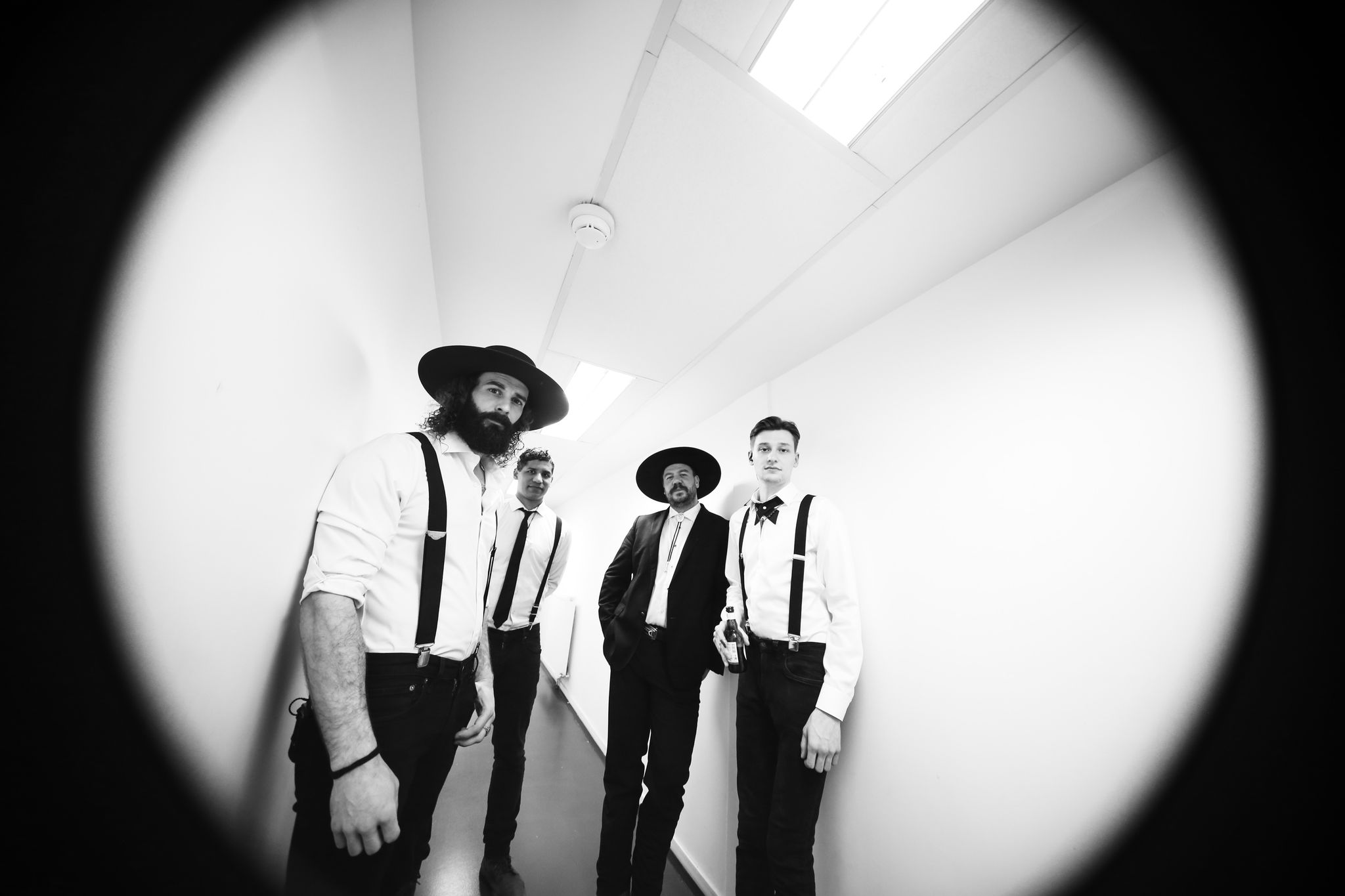
La Face B: The banjo, mandolin and vocal harmonies are a big part of your identity. What do you love most about those elements and how they shape your songs?
Nate Hilts: I think I like how they can play with each other so well. You know, the mandolin and the banjo are so good at dancing with each other, but so is the cello and the mandolin. You know, you have the guitar with the constant rhythm. We basically treat the banjo like a lead guitar. And sometimes we'll take the mandolin and treat it like a lead instrument in moments, too. But we're always getting the backbeat without having drums. We're having a nice percussive moment with the instrumentation that we have.
La Face B: When arranging your music, how do you build the vocal harmonies, instrumental interplay and all the action between banjo, mandolin, cello and guitar?
Nate Hilts: Naturally. As soon as we sit down together and someone will show someone a piece, let's say it's on the guitar, I'll just start playing what I got. The other guys naturally just know what they need to do, especially with harmonies. Scott is so good at singing to anything that I sing that he finds it in seconds. So the build is not really thought out. Eventually it becomes thought out when we actually dig into a song more. But the first birth of it is just like the natural. This is what it sounds like. This is what I should do.
La Face B: You've been playing together for such a long time. Now people know what they need to do without even…
Nate Hilts: Exactly.
La Face B: I think it's just like the secret of great bands. I wanted to talk about In Hell I'll Be In Good Company. Because it's such a massive, maybe that's how we discovered you more widely, but it's also a worldwide favourite. If you look at Spotify, this tune specifically is on top by a mile. Why do you think that song connected so strongly with audiences?
Nate Hilts: Yeah, good question. When we first released it, we released the album and the song was doing great. But it's when we released the music video is when it really took off. And I think that it was just getting the visuals of something so simple. As us just changing the scenery every time, just being in different spots and dancing. And the simple dance moves. I guess maybe the humour of also, it's a murder-suicide song. And then just saying, well, when we're in hell, we'll all be in good company. For some reason, people enjoy that.
They resonate with it. Yeah, they resonate with the humour of it.
La Face B: It's good that you mentioned the music video. Because how important in general the visual storytelling is to the band?
Nate Hilts: I mean, huge. Even just in the way that our stage attire. It's something that you see and you don't forget. You might not remember our names, but you remember what we look like. You know, the big hats, the outfits. So when you can tell a great visual story with a music video, it's captivating to people.
La Face B: Do you always work with the same people on your music videos?
Nate Hilts: Almost. So In Hell, I'll Be In Good Company, Yours to Keep, a bunch of the earlier stuff was all Two Brothers Films. And then for Tiny Wooden Box, People Are Strange, Chop Suey, that was some other people with Jeremy.
La Face B: And when you perform In Hell, I'll Be In Good Company, does it still feel the same as when you first wrote it or performed it? Or has it changed over time? Is that a song that you finish your show?
Nate Hilts: No, we don't finish with it, but it's closer to the end.
La Face B: And there's always like, ah, that's what we came for.
Nate Hilts: I always joke about playing it first. And then those who don't want to be there can go home.
La Face B: You know what? I was photographing Ray's show in Paris. And she started with, where is my husband? I was like, that's a daring start. She's starting with THE banger. It really set the tone, people were insane. Looking back at your journey as a band, what were some of the artists or records that shaped your love for bluegrass or just music or acoustics? Did you share the same influence?
Nate Hilts: Yeah, I'd say we shared a lot of the same influences, but also had a lot of exterior ones, which is what brings us our sound today. It's our similarities and our differences. Not differences so much, but as you know, our different lines of interest. Yeah. So the way that we formed was I met Colton at a place I was living with my roommates.
He was invited over by them to play some music and hang out. I was listening to a band called Trampled by Turtles. And because I was listening to that, he was like, oh, I like these guys. I just started listening to them and I just bought a banjo. I'm like, oh, cool. I love these guys and I've always wanted to play in a band. And so that was the first connection of some similarities in music. And then obviously, as we kept growing and getting older, more similarities came.
La Face B: And other influences people might not expect when they listen to your music?
Nate Hilts: A hundred percent. I mean, like growing up, I was listening to The Doors, Neil Diamond, Meat Loaf. I love Meat Loaf. The Hollies, yeah. A tonne of punk music, you know, classical music. And the same with the other guys. There's just, you know, heavy metal. Some of them do metal, some punk, some singer-songwriter folk stuff.
La Face B: If Chains and Stakes were the soundtrack of a movie, what kind of movie would it be?
Nate Hilts: It would be a movie of lies and deceit, for sure. You know, whatever storyline you put behind that, there would just be a lot of resonance of hope, but it's taken away.
La Face B: A lot of suspense. Which fictional character would go to a Dead South gig?
Nate Hilts: That's a great question. I've never thought about that before. Right now I'm watching Game of Thrones. I don't think any of them would come to the show. Laughs…
La Face B: Laughing… Can you imagine them?
Nate Hilts: Rick and Morty, I'd like them to come.
La Face B: They’re very cool. What songs or artists have you been listening to recently that sticks in your head?
Nate Hilts: I've been listening to a lot of, and this has been over the years, Sturgill Simpson. I listen to him quite a bit. I listen to Idles a lot, Fontaines DC. Of course I'm blanking as I go to say it. Huge System of a Down fan.
La Face B: They're making a comeback. Quite timely.
Nate Hilts: I just saw them a little while ago. That was great. What else have I been listening to? Colter Wall. I always listen to Colter Wall. He's so good. Amigo the Devil. Pixies. I listen to Pixies a lot. I can't say I've really been delving into new music lately. It's mostly just been stuff I've loved over the years. Lately I've just been starting to compile it and stick to that.
La Face B: Fontaine's DC. I was watching House of Guinness.
Nate Hilts: Is it good? I haven't seen it.
La Face B: It's really good. I think all the playlists are Irish bands and musicians. It really sits perfectly with the show. I've been listening to a lot of Fontaines DC as well. That's great. If you could collaborate with any musician from the past, who would it be?
Nate Hilts: I would love to collaborate with Roger Miller. Big Roger Miller fan. I think his writing is both thoughtful and the way he can integrate humour into those songs but also can be very serious. I think it would be phenomenal to collaborate with someone like him. Also, if I could go and play with The Doors at any point in my life, that would be phenomenal. That was my first big band. My first icon was Jim Morrison.
La Face B: It's weird. I've seen a comedy piece with Jim Carrey doing Jim Morrison. I thought it was hilarious. After this tour, what is next for that self?
Nate Hilts: After this tour, we've got a nice light year of touring. We're touring a reasonable amount but not overdoing it because we're going to be releasing our next album in January or February of 2027.
La Face B: Do you have a name for it?
Nate Hilts: Not yet, but we just finished recording it. We did it at Abbey Road in London.
La Face B: Nice. Thank you very much. It was a pleasure meeting you.
Nate Hilts: Yes, thank you, you too.