
La Face B a retrouvé Alela Diane à l’occasion de son passage en Europe, un retour très attendu pour une artiste dont la voix singulière et les compositions habitées ont marqué toute une génération de folk moderne. Avec Looking Glass et ses récentes tournées, la chanteuse américaine explore un rapport renouvelé à l’intime : la mémoire, la transmission, et les traces que la vie dépose sur nous. Entre ballades lumineuses, mélancolie apaisée et puissance contenue, Alela Diane poursuit une quête artistique profondément sincère, où la fragilité devient à la fois refuge et force. Une rencontre délicate et passionnante avec une musicienne qui, loin des artifices, continue de tisser des chansons comme on ouvre un journal intime — avec honnêteté, douceur et cette sensibilité qui vous touche en plein cœur.
Retrouvez également le travail d‘Alexia Arrizabalaga-Burns (sous le pseudo Troubleshooteur) sur son site et sur Instagram
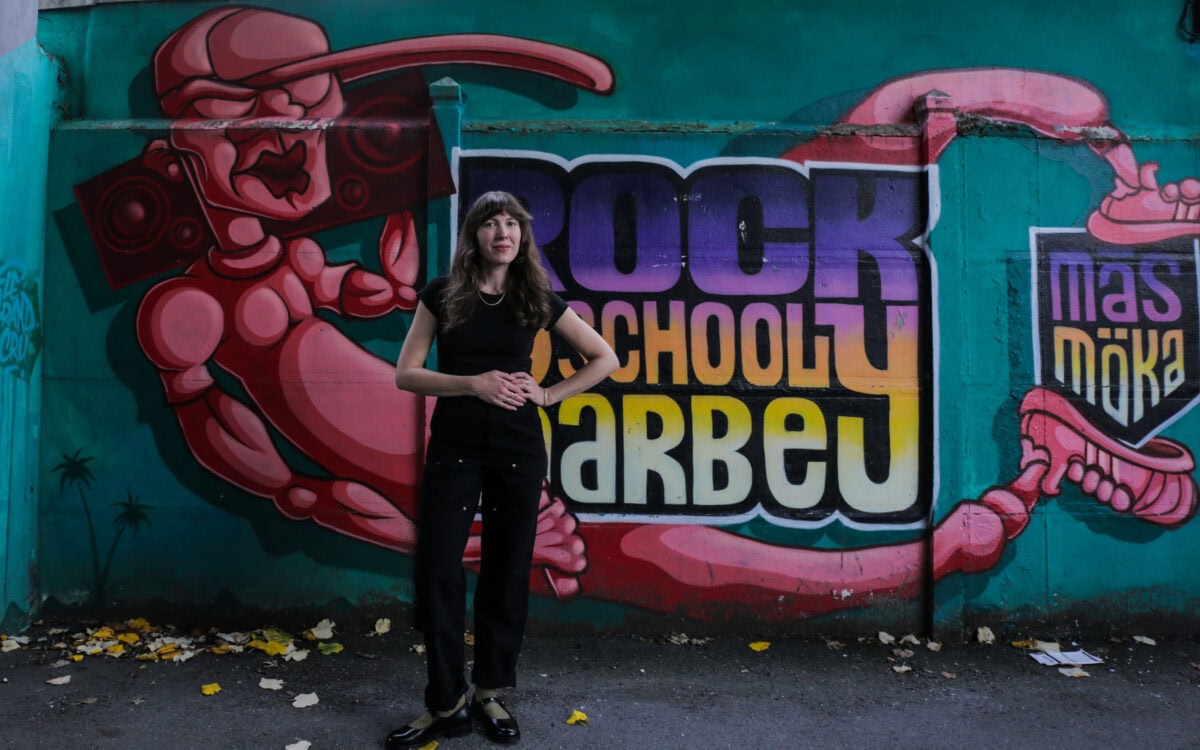
« Parfois, il faut s’éloigner de sa vie pour la voir clairement. C’est en voyageant seule que j’ai compris ce que je traversais et que j’ai pu écrire ces chansons. » Alela Diane.
La Face B : Bonjour Alela. Comment vas-tu aujourd’hui ? Tu es de retour en tournée à travers l’Europe — qu’est-ce que ça t’a fait de renouer avec ton public ici ?
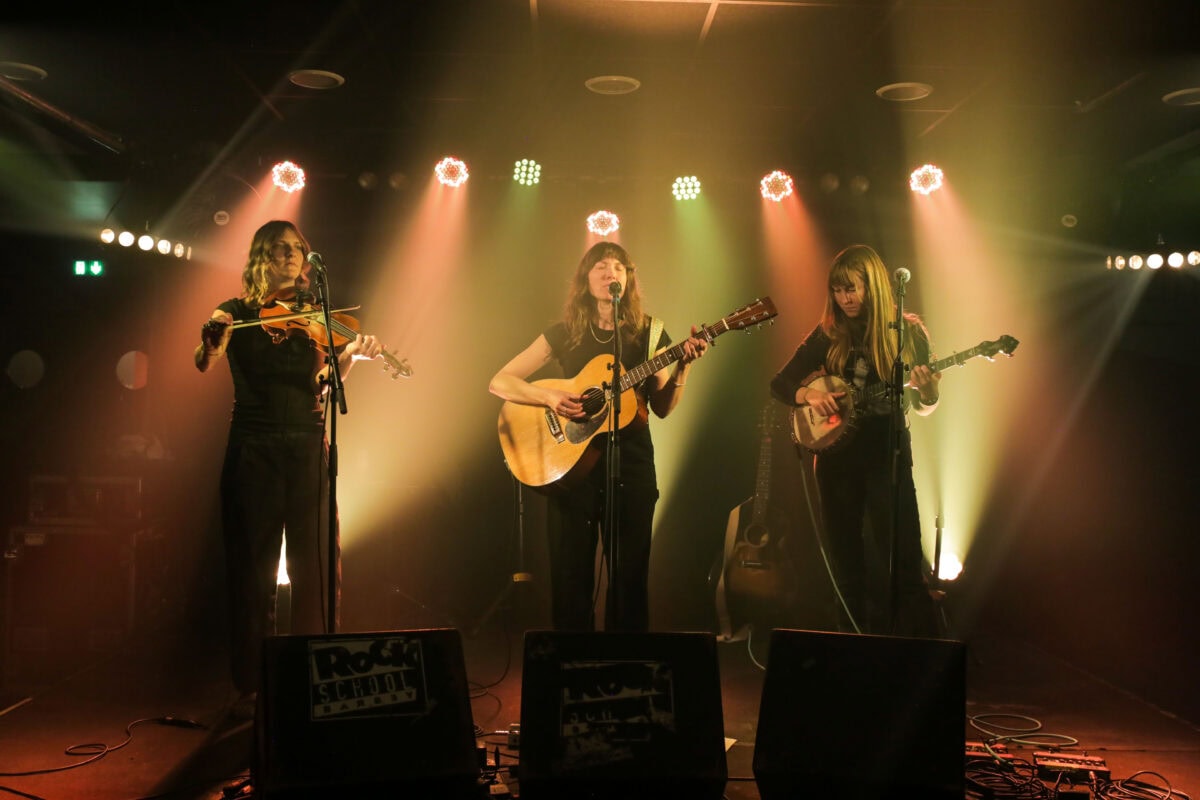
Alela Diane : Je vais plutôt bien, oui. C’était une très belle tournée — presque la longueur parfaite, deux semaines et demie. Assez long pour en profiter, mais pas au point d’avoir trop le mal du pays. Il nous reste cinq concerts en comptant celui de ce soir. Je suis en tournée avec un groupe qui s’appelle Two Runner, qui assure la première partie et joue aussi dans mon groupe. Ce sont deux filles de ma ville natale, Nevada City en Californie, donc on est vraiment des âmes sœurs. C’était une tournée très familiale — vraiment douce et joyeuse.
La Face B : La France, en particulier, a toujours eu une grande affection pour ta musique. Tu te souviens de tes premiers concerts ici ?
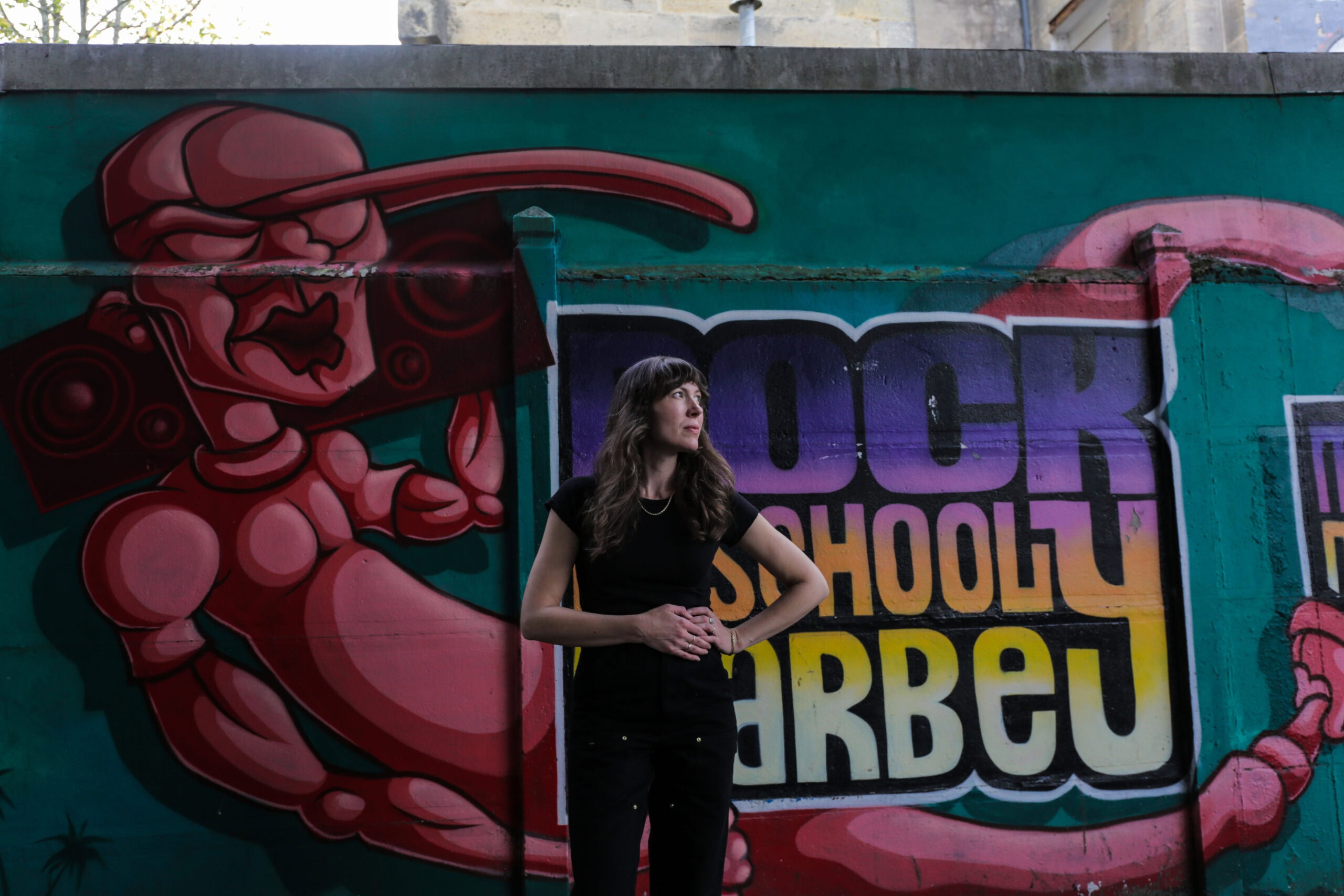
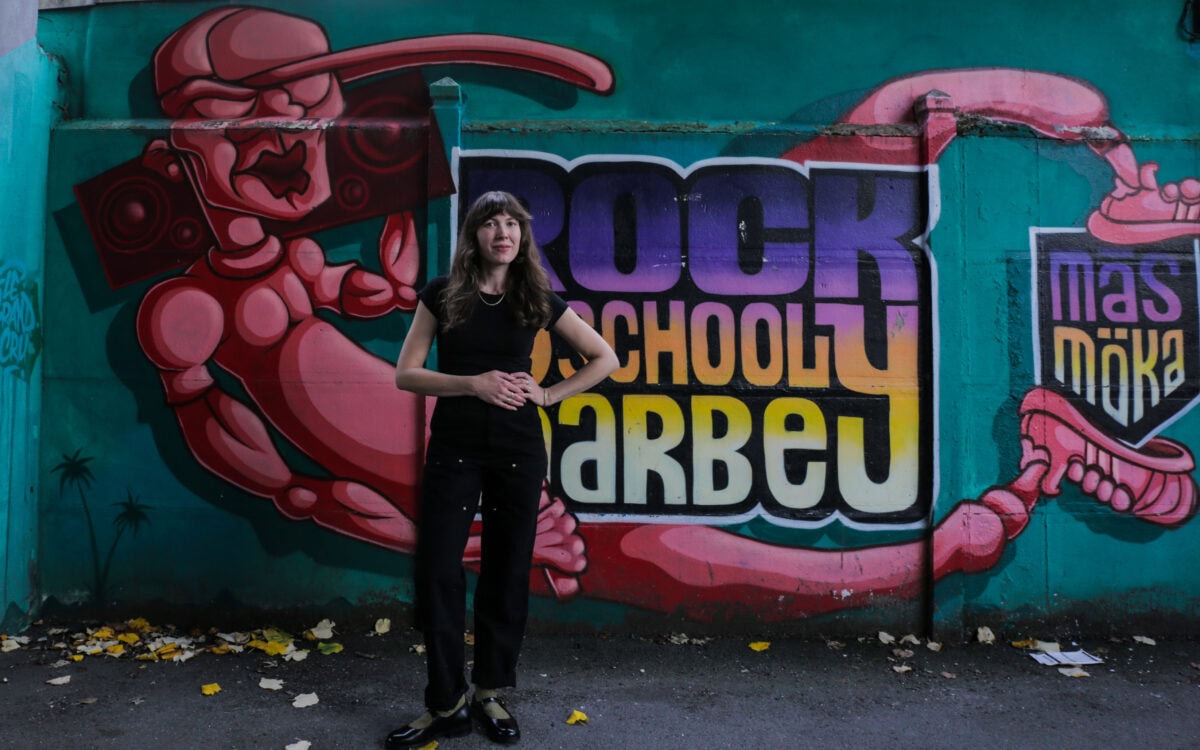
Alela Diane : Oui, vraiment. J’ai joué ici lors d’une de mes toute premières tournées. Je crois que je suis venue en 2011, et peut-être même pour la première fois en 2008 ou 2009. Je me souviens qu’il y avait un bus rouge à deux étages à la Rock School Barbey — j’y ai dîné il y a probablement quinze ans.
La Face B : The Pirate’s Gospel est devenu presque légendaire en France. C’est un album qui semble avoir trouvé une maison émotionnelle ici — on a l’impression qu’on en a tous une copie chez nous. Quand tu y repenses maintenant, quels souvenirs ça évoque pour toi ?
Alela Diane : J’ai beaucoup de gratitude pour cet album, car je pense que c’est grâce à lui que je peux encore venir ici et remplir les salles. Le label avec lequel j’étais à l’époque, Fargo, a été très important pour ça. Michel (Pampelune) a vraiment fait un super boulot avec la presse française — je faisais plein d’émissions de télé, One Shot Not, et d’autres trucs qui n’existent même plus, je crois. C’est grâce à lui qu’un vrai buzz s’est créé, et les gens ont vraiment adhéré. Je chante encore plusieurs morceaux de ce disque parce que je sais que les gens veulent les entendre — ils sont très nostalgiques de cette musique.
La Face B : Je pense qu’au-delà de la super promotion, le son de cet album était lui-même très nostalgique. Il parlait directement au cœur.
Alela Diane : Et c’est drôle — presque mystique — parce que j’ai écrit la plupart des chansons de cet album en voyageant en France comme backpackeuse, à 20 ans, pendant l’été 2004. Je suis venue seule en Europe avec ma guitare. J’ai fait Londres, Paris et Nice. En fait, J’ai écrit « Tired Feet » après avoir marché partout dans Paris — je suis allée à Notre-Dame, et la chanson parle d’être dans la cathédrale après avoir arpenté les endroits touristiques toute la journée, quand tu es épuisée.
Puis, j’ai écrit « The Rifle » d’une façon très étrange, à Nice. Beaucoup de chansons de cet album ont été écrites pendant ce voyage en France. Ensuite je suis retournée en Californie et je les ai enregistrées avec mon père cet été-là. J’avais 21 ans. L’album est sorti deux ans plus tard chez Fargo, en 2007. Donc c’était presque comme si les chansons revenaient à la maison, car je les avais écrites ici. C’était une sensation très étrange.
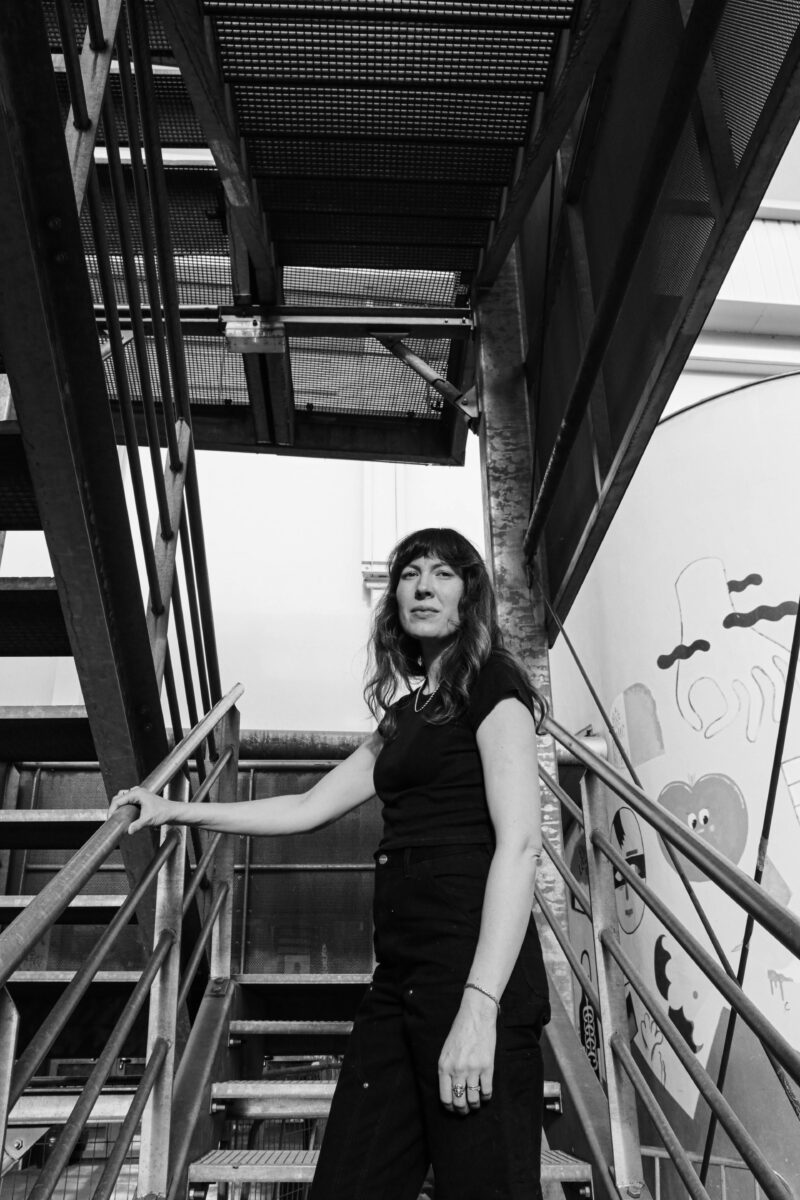
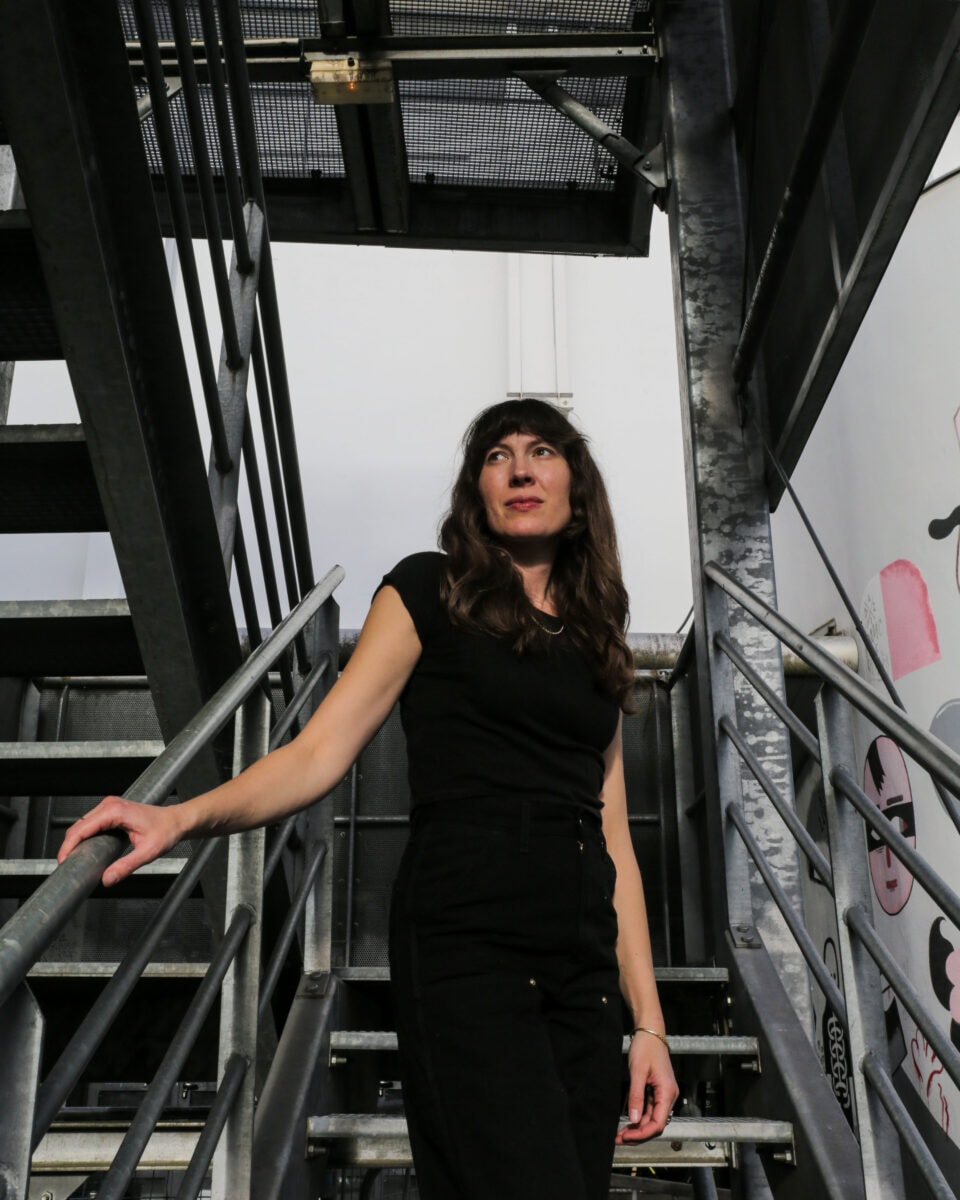
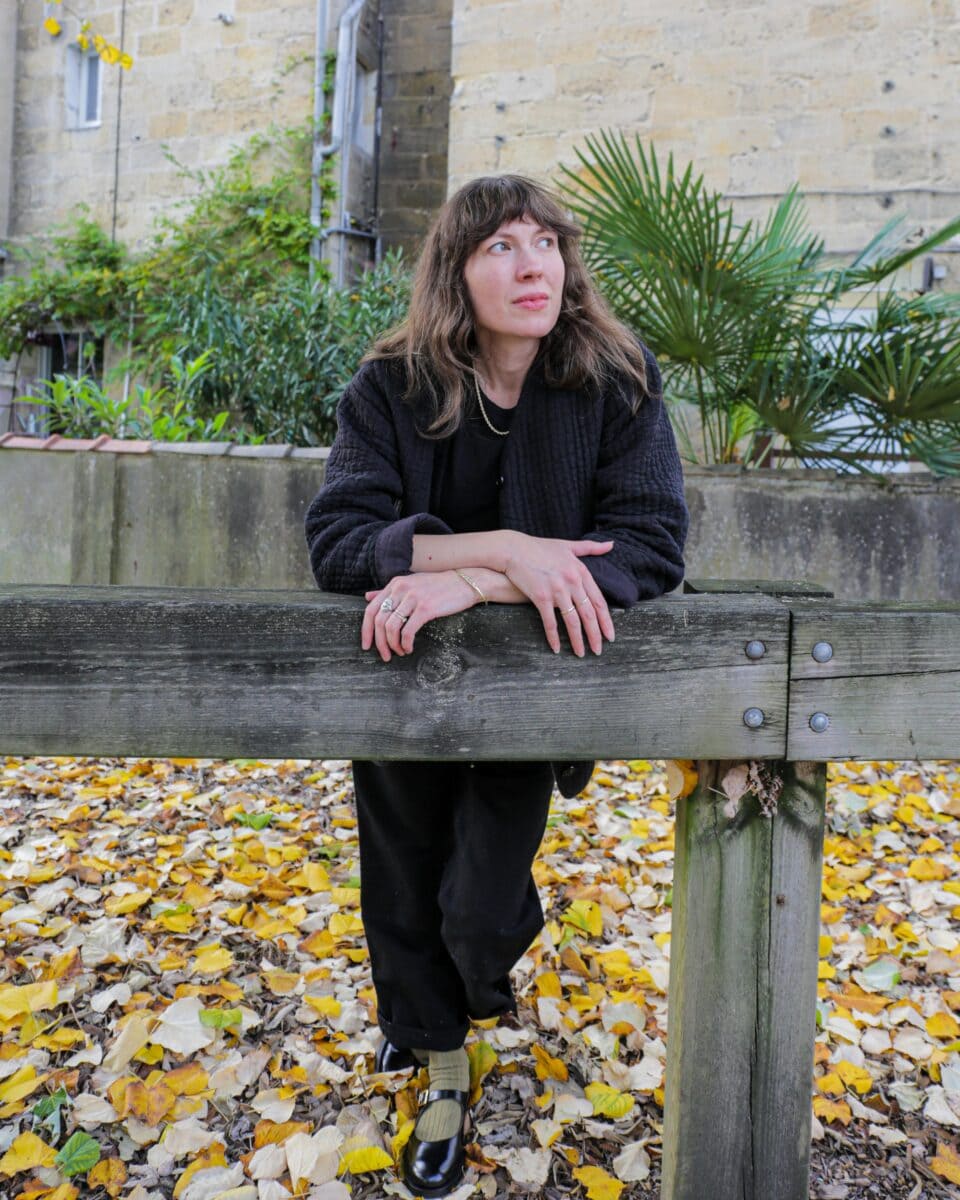
La Face B : Je n’aurais jamais imaginé. Parce que ce disque était à la base tellement introspectif et brut.
Alela Diane : Les chansons étaient très introspectives. Je crois que parfois tu dois t’éloigner de ta vie pour la voir clairement. Pour moi, ce voyage en sac à dos, jeune femme, a été un moment où je réfléchissais à ma vie en Californie — à la perte de ma maison d’enfance. Mes parents venaient de divorcer. Il y avait beaucoup de tumulte dans ma vie. Quand je suis partie seule, j’ai pu voir tout cela plus clairement et réfléchir à cette vie-là. Ce sont des histoires très personnelles. Et j’ai toujours constaté que parfois, il faut sortir de sa routine pour vraiment voir les choses et pouvoir les écrire.
La Face B : C’est peut-être pour ça que ces chansons résonnent autant chez les publics américains comme européens. Que ressens-tu en les jouant aujourd’hui ?
Alela Diane : Il y a certaines chansons que j’aime toujours chanter — « The Rifle », « Oh My Mama ». Quelques anciennes chansons sont restées avec moi, je les joue à presque tous mes concerts. Je joue « Pirate’s Gospel » en général quand je viens ici parce que je sais que les gens veulent l’entendre. Avec Two Runner, c’est amusant parce qu’on a banjo et fiddle, ce qui rend la chanson plus exubérante.
La Face B : Et si l’album The Pirate’s Gospel était une personne aujourd’hui, comment tu la décrirais ?
Alela Diane : Si l’album était une personne ? Je dirais libre, un peu sauvage, jeune, peut-être un peu naïve.
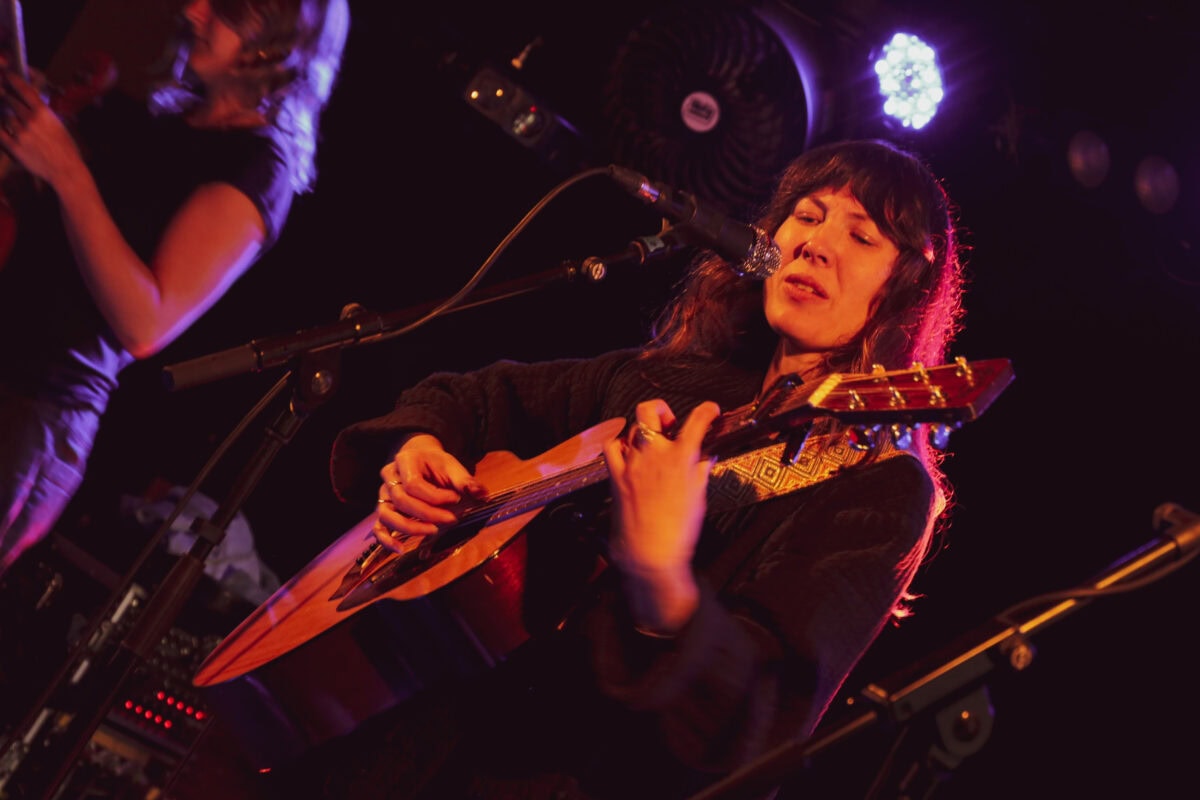
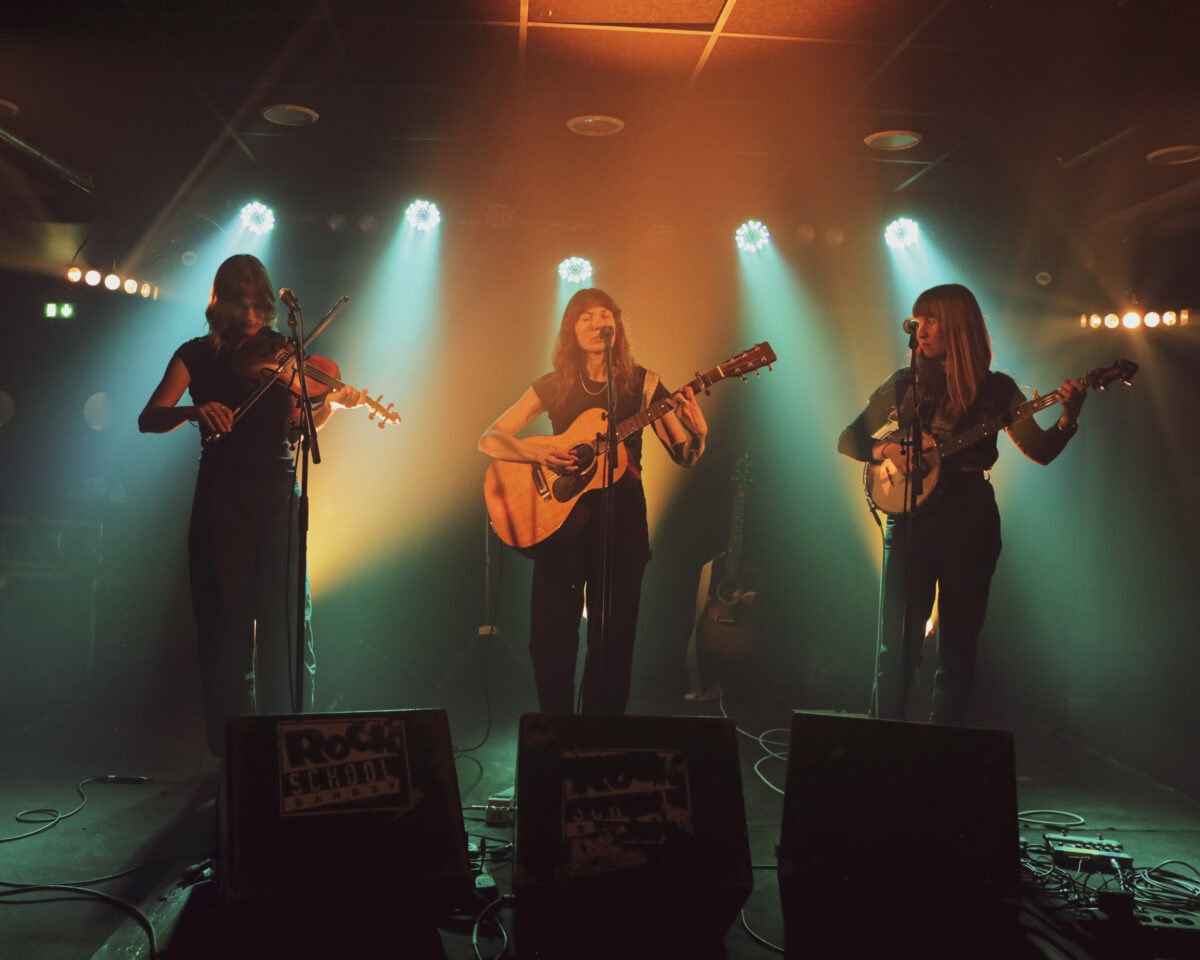

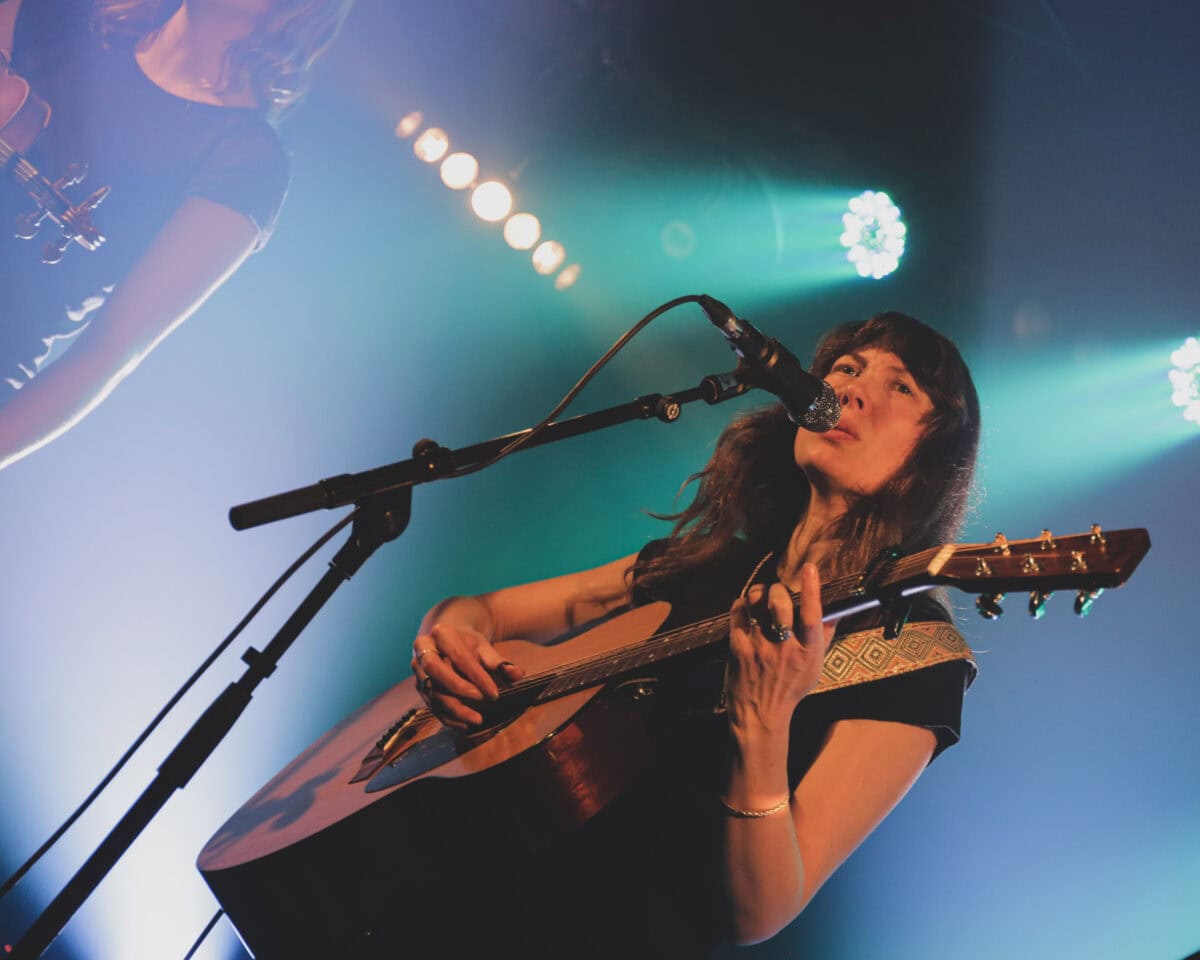
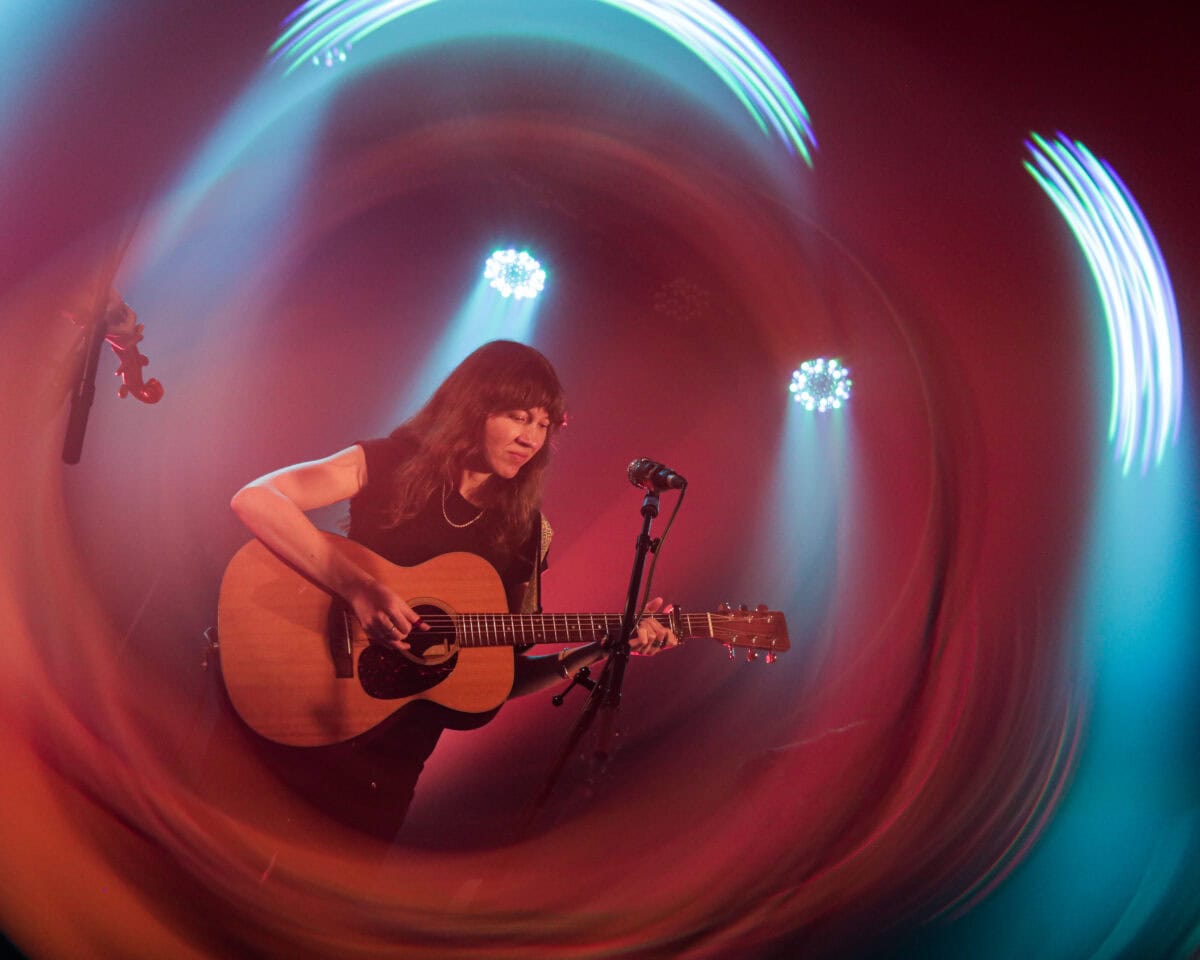

La Face B : Parlons maintenant de Looking Glass. Cet album est à la fois intime et ample, avec beaucoup de texture. Cette fois, tu sembles réfléchir à de grandes incertitudes de la vie. Qu’est-ce qui a inspiré cette double perspective ?
Alela Diane : Je pense qu’avoir des enfants a changé ma façon de voir les choses. J’ai écrit beaucoup de ces chansons pendant le COVID — on était très isolés. C’était une période vraiment bizarre, et il y a des choses assez dures. « Camellia », par exemple, parle du fait que j’ai failli mourir en accouchant, parce que j’ai eu des complications quand ma fille Oona est née. J’écris toujours sur ce que je traverse. Il y a toujours de la nostalgie, toujours de la réflexion, toujours un fil entre quelque chose du passé et ce que je vis au présent. Cet album porte des thèmes lourds, importants.
La Face B : Comparé à Cusp, qui était aussi un portrait de la maternité, Looking Glass est plus chaleureux, plus texturé. Tu l’as vécu comme un retour aux sources, musicalement ou émotionnellement ?
Alela Diane : Quand je fais des albums, en général, c’est simplement : voilà les chansons que j’ai écrites. On plonge dedans, on commence le processus, et on voit où ça nous mène, plutôt que de planifier une direction. La musique me guide vers la destination.
La Face B : Le morceau d’ouverture, « Paloma », est puissant — paisible mais aussi presque apocalyptique. Qu’est-ce qui l’a inspiré ?
Alela Diane : J’ai écrit cette chanson lors d’un voyage au Mexique avec ma famille, et il y a eu une énorme tempête. On était dans un tout petit village — les parents de mon mari ont une maison dans un pueblo qui s’appelle Troncones. Il y avait une tempête tropicale, des vagues énormes, et l’électricité a sauté. On était juste à la lisière de l’océan avec nos petites filles. Je me souviens de m’être levée très tôt et d’avoir regardé les vagues géantes, sans aucune lumière, ce qui est rare — juste la lune. C’est cette sensation qui a inspiré la chanson — ce sentiment d’impuissance, de voir à quel point l’océan et le climat dominent tout. On peut prétendre avoir des infrastructures… mais quand le courant saute, surtout au Mexique, tu te sens vraiment vulnérable.
La Face B : C’est pour ça qu’elle a à la fois de la beauté, du chaos et de la panique.
Alela Diane : Et le dernier vers parle d’une tourterelle morte dans la tempête. Je l’ai trouvée dans notre douche extérieure. Symboliquement, j’étais assise là à me sentir impuissante face à la tempête, et ce petit oiseau, lui, y avait perdu la vie. Ça m’a ramenée du côté sombre.
La Face B : On sent ce role de mémoire dans des chansons comme « Strawberry Moon » ou « Mother’s Arms ». Quel rôle joue la nostalgie dans ton écriture actuelle ?
Alela Diane : Un rôle toujours important. Il y a toujours des choses à regarder en arrière. « Strawberry Moon » est une réflexion sur des gens de ma ville natale qui ont eu des vies difficiles, qui se sont égarés. Parfois ce sont des gens que j’ai bien connus — nos chemins se côtoyaient un moment, puis ils empruntent la mauvaise route. J’ai besoin d’écrire là-dessus pour comprendre que la vie est faite aussi de ça. Donc oui, c’est souvent un peu sombre.
La Face B : Parfois, c’est comme un hommage aux personnes qu’on a connues et à notre souvenir d’elles.
Alela Diane : Oui, ou qu’on a perdu, ou qui se sont égarées.
La Face B : Sur cet album, mon morceau préféré est « Camellia ». Il me touche beaucoup. Et maintenant que je connais son histoire — car ce n’est pas évident — je m’y sens complètement liée, parce que j’ai vécu quelque chose de similaire avec ma fille.
Alela Diane : Cette chanson, quand je la chante, me donne l’impression d’être au bord du gouffre. Surtout le dernier couplet — qui décrit l’hôpital, ce moment où tu te tiens sur la ligne. Je ressens ça chaque fois que je la chante. C’est intense.
La Face B : C’est une histoire qu’on ne raconte pas d’habitude. Pour moi, quand j’ai eu mon fils, j’ai dit aux médecins : j’ai besoin de ma lueur d’espoir — sinon je lierai toujours l’accouchement à la mort. Et pour toi, parce que toi tu l’as mise dans une chanson. C’est peut-être ta lueur d’espoir.
Alela Diane : Surtout en chanson, oui.
Je pense que c’était cathartique d’écrire cette chanson et de laisser cette expérience horrible, traumatisante, exister dans la chanson. Maintenant, je peux la visiter là-bas, sans avoir à y penser tout le temps. C’est souvent ce que sont les chansons pour moi — je mets quelque chose quelque part. Je le mets dans la chanson.
La Face B : Tu utilises beaucoup la nature — vent, eau, météo, sable — comme symboles de changement ou de destruction. Ce sont des métaphores conscientes ou elles émergent naturellement ?
Alela Diane : Je pense que ça fait partie de qui je suis. Je viens de la campagne. J’ai grandi dehors — aller nager à la rivière, dans les lacs, voir la neige tomber. J’ai grandi en Californie, mais je vis à Portland depuis 20 ans, et Portland est aussi très beau.
La Face B : L’Oregon est magnifique. La Californie aussi — les vignobles, les paysages…
Alela Diane : Je viens des collines, du piémont de la Sierra Nevada. C’est un endroit vraiment magnifique.
La Face B : Quand tu écris, qu’est-ce qui vient en premier ? La mélodie, une phrase, une image ou une histoire ?
Alela Diane : Ça dépend. Parfois j’écris toutes les paroles d’un coup. Parfois quelques lignes, puis je trouve la mélodie, et je continue les mots avec la mélodie en tête. Puis je me demande : où est le refrain ? Et d’autres mots arrivent. Il n’y a pas de règle. Tu attrapes un fil et tu le suis et le déroules.
La Face B : Ton écriture équilibre abstraction et clarté. Tu laisses volontairement de l’espace à l’interprétation ?
Alela Diane : Pour moi, les chansons ont un sens précis — elles viennent de moments ou d’expériences spécifiques. Mais dans la musique, une fois que tu la mets dehors, chacun peut y projeter sa propre expérience. Ça peut signifier quelque chose de différent pour chacun.
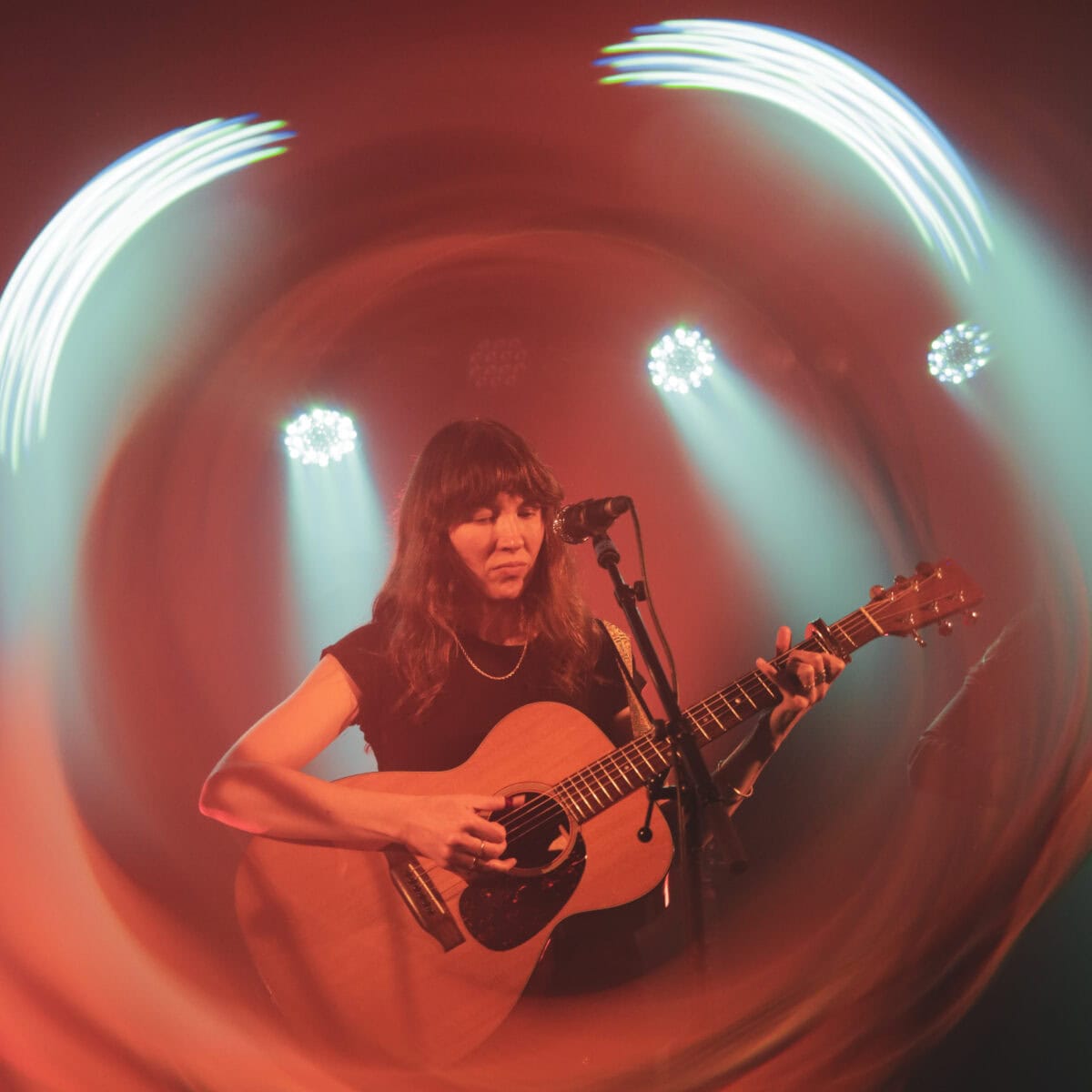
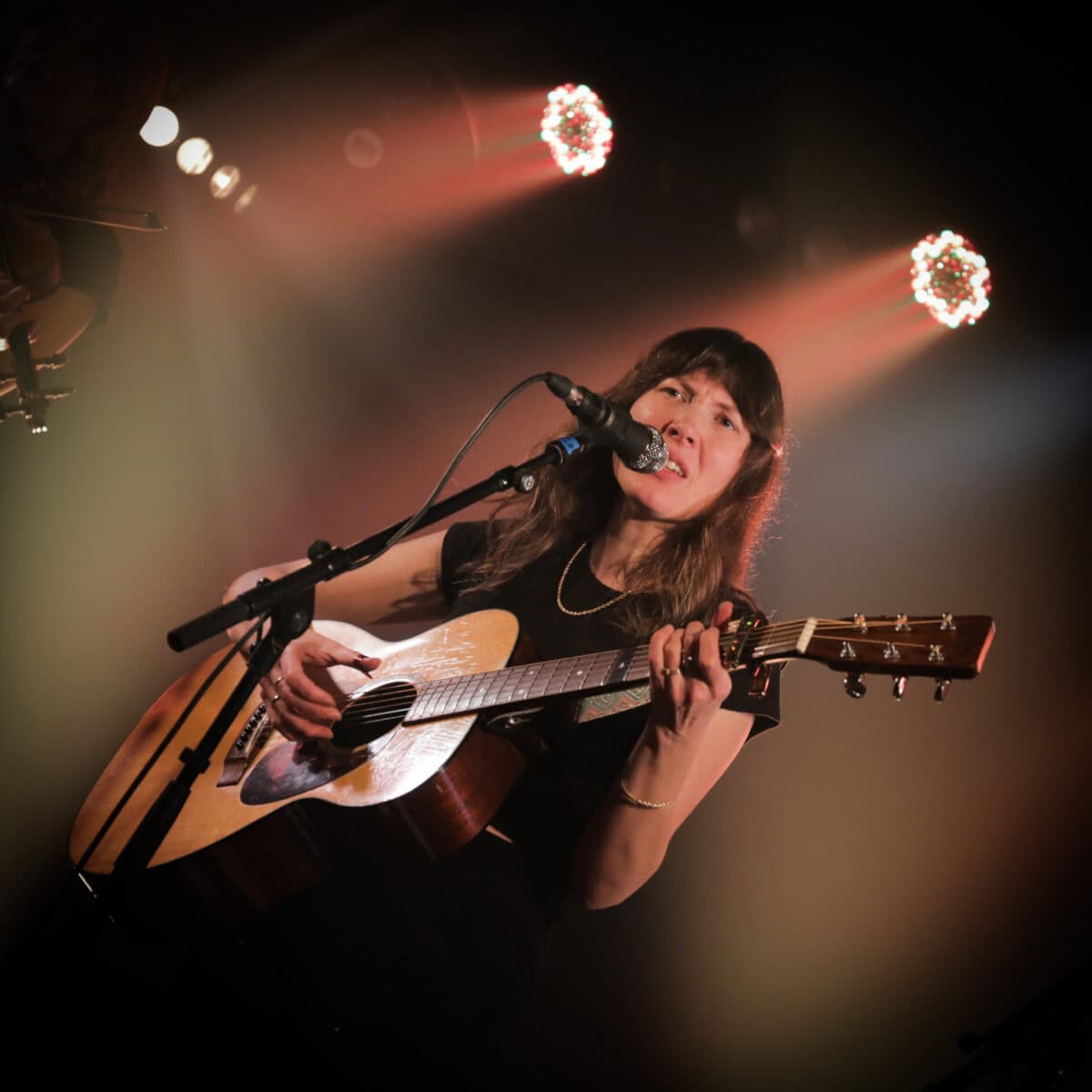
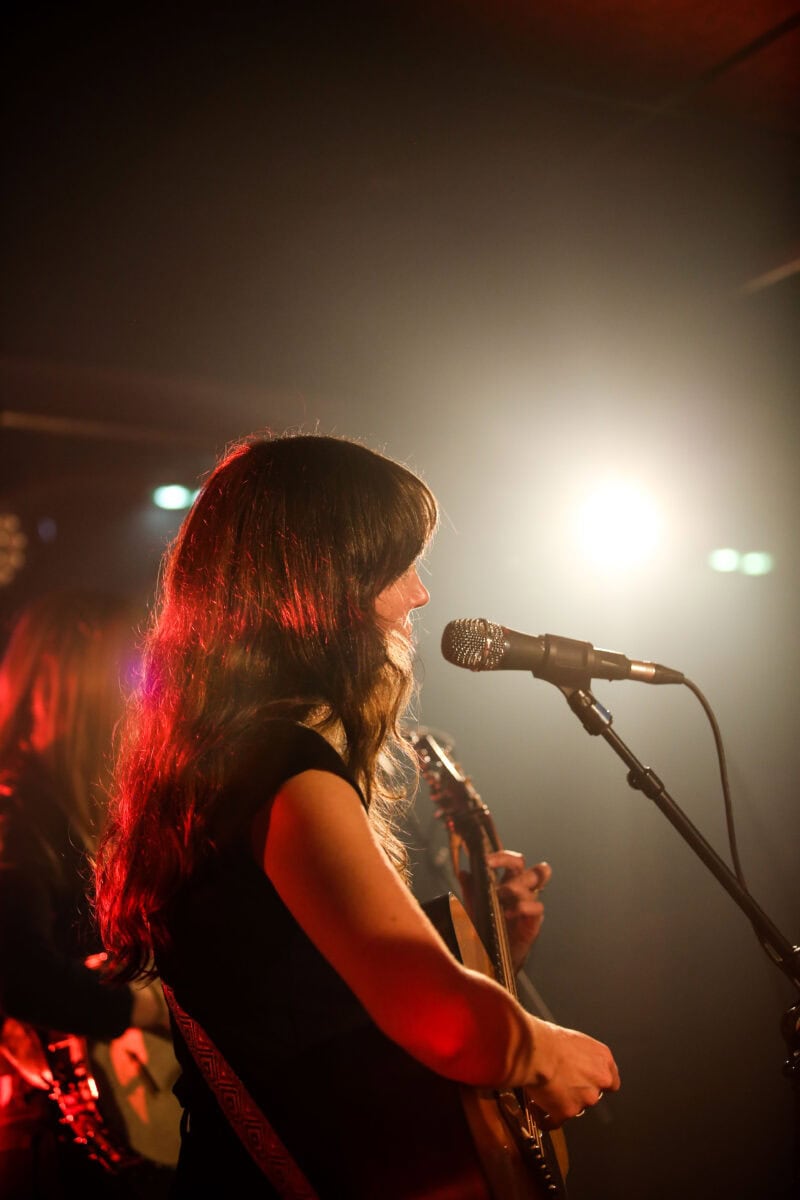
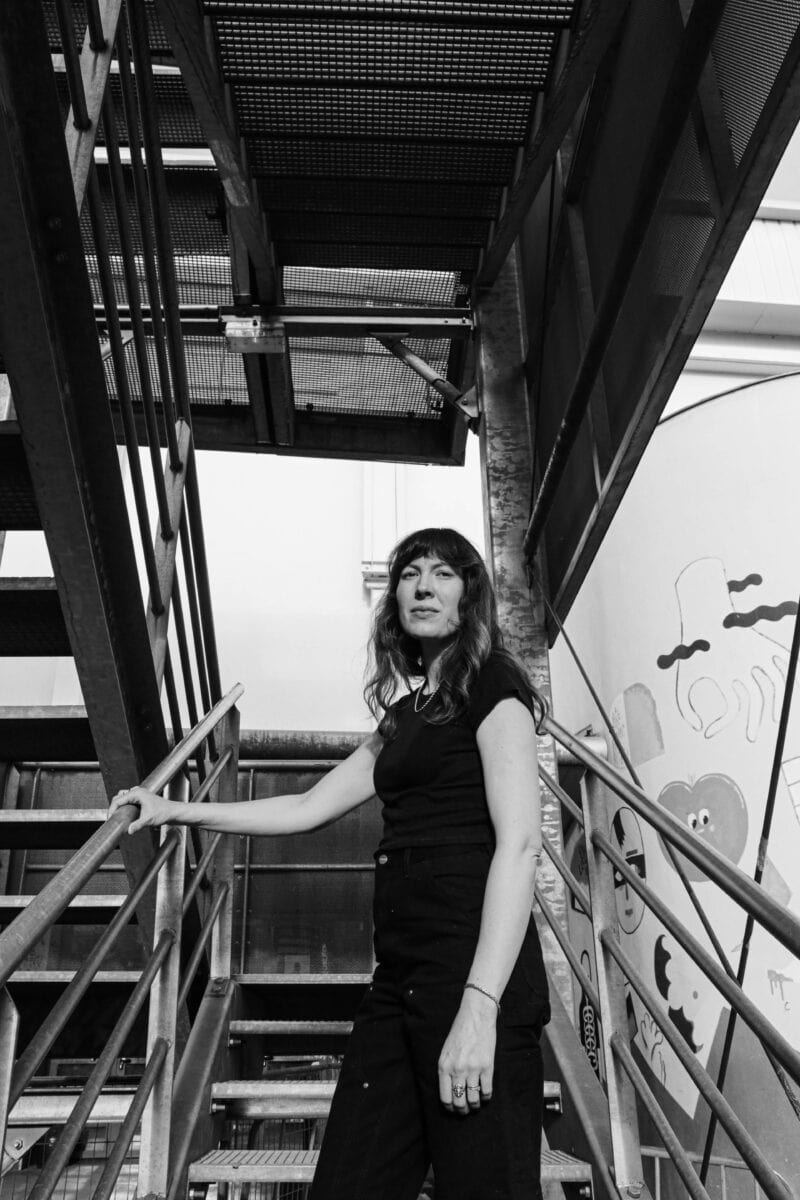
La Face B : Le son de Looking Glass est très chaleureux et riche. Comment avez-vous construit cet univers sonore ?
Alela Diane : Mon amie Heather Broderick m’a aidée pour beaucoup d’arrangements — les cordes, l’orchestration. Elle joue de la flûte et du piano, elle a été essentielle. J’ai aussi fait des démos avec des petites idées mélodiques que nous avons ensuite développées avec les cordes ou d’autres instruments. Ensuite, on est juste allées en studio — Heather avait des idées, moi aussi, on a chanté des harmonies. On s’est laissées inspirer.
La Face B : Il y a beaucoup plus de piano sur ce disque aussi.
Alela Diane : Oui, il y a plus de piano sur cet album.
La Face B : Je pense que c’est ce qui apporte cette texture globale — tu mélanges les cordes, des mélodies familières, et cette fois tu as cette couche de piano qui peut tout faire. Une chanson qui intrigue toujours les auditeurs est « The Rifle ». Tu peux nous raconter son histoire ?
Alela Diane : J’ai rêvé cette chanson. Je logeais dans une auberge dans le sud de la France, et j’ai rêvé de ma maison d’enfance. J’étais dans la cuisine, il y avait des portes françaises rouges — c’est drôle, on appelle ça comme ça en Amérique. Et dans le rêve, quelque chose venait nous chercher depuis les bois derrière la maison. C’était vraiment sur la dissolution de ma famille — mes parents venaient de divorcer, je traversais ce deuil, ils vendaient la maison. J’y retournais sans cesse dans mes rêves.
J’ai rêvé de ça, je me suis réveillée très tôt, j’avais un bloc-notes, j’ai écrit tous les mots, puis je me suis rendormie. Je me suis réveillée quelques heures plus tard, j’ai relu les mots, j’ai pris ma guitare et j’ai joué la chanson. Elle était là. C’est l’une des chansons les plus magiques que j’ai écrites — elle est arrivée si vite, mystérieusement. Complète.
La Face B : Quelle chanson de ton répertoire reste la plus personnelle pour toi aujourd’hui ?
Alela Diane : Il y en a tellement maintenant — elles sont toutes très personnelles et révélatrices. Mais « The Rifle » a toujours été spéciale, c’est sûr.
La Face B : C’est ma préférée, tous albums confondus. Après cette tournée, quelle est la suite pour toi ? Tu écris déjà de nouvelles chansons ou tu prends du temps ?
Alela Diane : Je viens juste de finir d’enregistrer un nouvel album, en fait.
La Face B : Ah voilà !
Alela Diane : Oui, il est terminé. Je l’ai enregistré dans mon grenier en août — il faisait très chaud là-haut. Je l’ai enregistré avec batterie, contrebasse, une deuxième guitare ou piano. On était quatre dans le grenier. On a joué les chansons en live, ce que je n’avais jamais fait. Les voix sont live aussi. Normalement tu fais un clic, tu enregistres la guitare, puis tu chantes, puis tu ajoutes les cordes, etc. Là, on s’est juste assis et on a joué comme en concert.
La Face B : Tu as un titre déjà ?
Alela Diane : Il s’appelle Galloping. Il y a une chanson du même nom, et c’est devenu le titre de l’album. Il y a moins de piano dessus — un peu, mais moins. D’une certaine manière, c’est comme un autre successeur à To Be Still. C’est plus dans cet univers. Il y a du banjo, du violon. Mais c’est moins arrangé. On a enregistré les chansons en live, puis trois jours d’overdubs — quelques guitares, cordes, violon, chœurs. Mais l’ossature du disque, c’est cette performance en direct. J’en suis très heureuse.
La Face B : C’est super — spontané.
Alela Diane : Je crois que j’en avais besoin… Aujourd’hui la musique est devenue tellement parfaite, parce qu’on peut tout rendre parfait. Avec l’IA, tout devient uniforme, générique. Ce que je recherche maintenant, c’est de l’authentique, de l’organique — quelque chose d’humain. Je pense qu’on a réussi ça sur cet album. Il y a des moments où ma voix est un peu brute, imparfaite. Mais je suis contente. Le son est vrai, authentique. Je suis très excitée.
La Face B : Le dernier album était en 2020.
Alela Diane : Oui. On prévoit de le sortir au printemps — fin mai ou début juin au plus tard.
La Face B : Si tu n’écrivais pas pour toi, tu raconterais d’autres histoires ? Tu composerais pour d’autres, ou pour la télé, le cinéma ?
Alela Diane : Je ne l’ai pas vraiment fait. Non, j’ai juste écrit pour moi. Mais je serais ouverte à ce qu’on utilise mes chansons pour le cinéma ou la télévision.
La Face B : Parce que ta musique est très cinématographique — elle a cette intemporalité. Ça collerait complètement.
Alela Diane : Merci.
La Face B : Un livre ou une série que tu as lu ou vu récemment et qui t’a inspirée ?
Alela Diane : J’ai l’impression de lire beaucoup moins que ce que j’aimerais. On ne regarde pas beaucoup la télé. J’ai vu White Lotus, que j’ai adoré, mais je ne dirais pas que ça m’a inspirée musicalement — c’était juste une très bonne série. Je crois que je suis coupable d’autre chose : tout est très distrayant en ce moment. Nos téléphones sont distrayants, les infos aussi. J’aimerais revenir à un rythme où je lis davantage.
La Face B : Et bienvenue dans le club de la maternité aussi.
Alela Diane : Eh bien oui, ça aussi. Quand je rentre, c’est : préparer les lunch boxes, amener les enfants à l’école.
La Face B : C’était un plaisir et un honneur de te parler à nouveau.
Alela Diane : Oui, ravie de te revoir. Merci beaucoup.
Toujours plus d’interviews et de photos de concerts dans La Face B
De plus, suivez Alela Diane sur Spotify, en live ou sur Instagram
Enfin, retrouvez les articles d‘Alexia Arrizabalaga-Burns dans La Face B
Version en Anglais
La Face B: Hello Alela. How are you today? You’ve been touring across Europe again—how has it felt to reconnect with your audience here?
Alela Diane: I’m doing pretty well, yeah. It’s been a really nice tour—kind of the perfect length at two and a half weeks. Enough time to enjoy it, but not so long that you’re really missing home too badly. We’ve got five more shows including tonight. I’m out here with an opening act called Two Runner, and they’re playing in my band as well. They’re two women from my hometown, Nevada City, California, so we’re very much kindred spirits. It’s been like a family tour—really sweet and fun.
La Face B: France in particular has always had a deep affection for your music. Do you remember your first shows here?
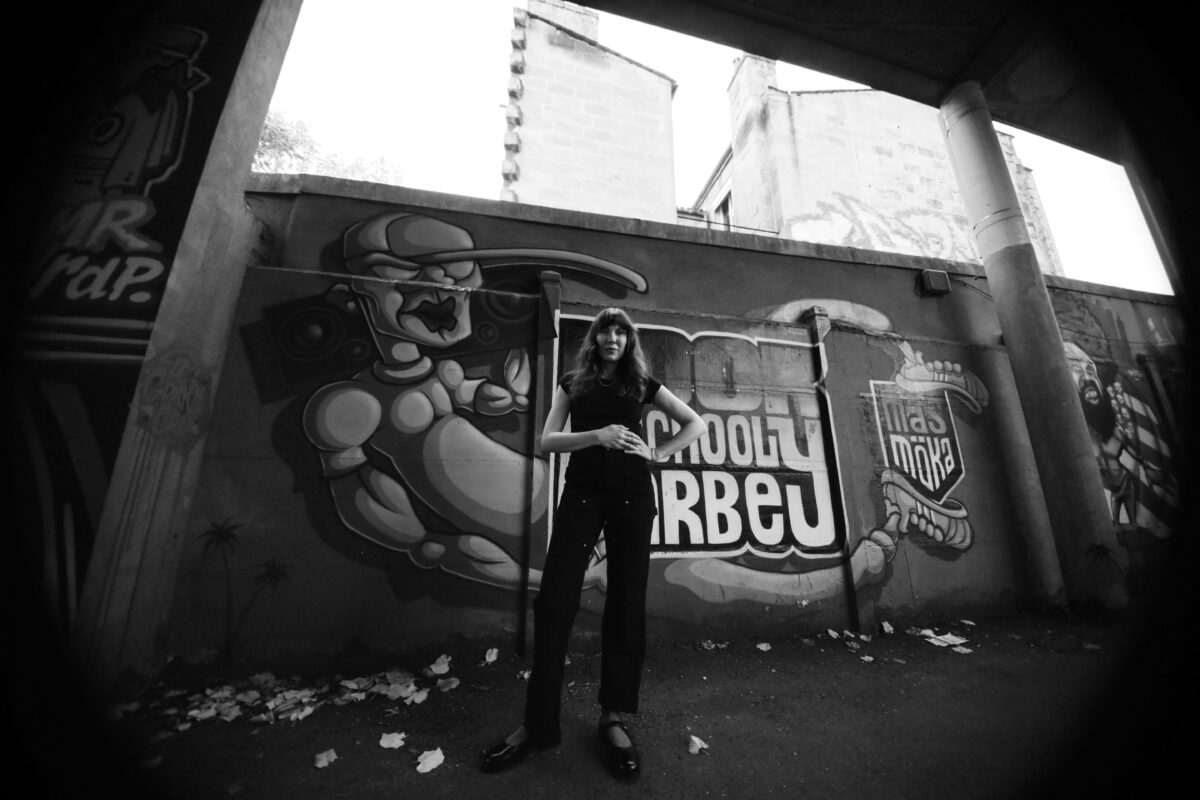
Alela Diane: I do, actually. I played here on one of my very earliest tours. However, I think I was here in 2011, and maybe even for the first time in 2008 or 2009. But, I remember they used to have a double-decker red bus at Rock School Barbey—I had dinner on it about 15 years ago probably.
La Face B: Pirate’s Gospel has become almost legendary in France. It’s an album that seems to have found a lasting emotional home here—it feels like we all have a copy in our house. When you look back on it now, what memories does it bring up?
Alela Diane: I have a lot of gratitude for that album, because I think it’s the reason why I’m able to still come over here and have people show up to my concerts. The record label I was on back then, Fargo, was really important in that. Michel did a really good job with the press in France—I was doing a lot of French TV shows, One Shot Not, all of this stuff that I don’t even think exists anymore. I think he was to credit for generating that buzz, and people really caught on to it. I still sing a handful of those songs because I know that’s what people want to hear—they’re very nostalgic for that music.
La Face B: I think regardless of the promotional work, the sound of this album was just so nostalgic. It spoke to people directly in the heart.
Alela Diane: Interestingly—and this gets a little bit mystical—I wrote most of the songs on that album when I was traveling around France as a backpacker at age 20, in the summer of 2004. I came to Europe by myself with my guitar. Then, I went to London, Paris, and Nice. I wrote « Tired Feet » after walking all around Paris—I went to Notre Dame, and the song was about being in the cathedral after walking around touristy places all day when you’re tired.
In a really bizarre way, I wrote « The Rifle » in Nice. I wrote a lot of the songs on that album while traveling in France. Then I went back to California and recorded them with my dad that summer. I was 21 years old. A couple of years later, the album was released by Fargo in 2007. So it was almost like the songs returned home, because I wrote many of them here. That was a really strange thing that happened.
La Face B: I didn’t suspect that. Because that record was originally such a personal reflection.
Alela Diane: The songs were very reflective. I think sometimes you have to go very far away from your life to see it clearly. For me, that backpacking trip as a young woman was a time of reflecting on my life in California—reflecting on the loss of my childhood home. My parents had gotten divorced. There was a lot of turmoil in my life. When I went traveling alone, I was able to see more clearly and reflect on that life. So they are very personal stories. I’ve found that sometimes you have to step outside of your routine to see things clearly and write about them.
La Face B: Maybe that’s why they resonate so widely with both American and European audiences. How do those early songs feel to perform now?
Alela Diane: There are certain songs I still really enjoy performing— »The Rifle, » « Oh My Mama. » Some old songs have stayed with me and I still perform them at most concerts. I perform « Pirate’s Gospel » usually when I come over here because I know people want to hear it. With Two Runner, it’s fun to play because we’ve got banjo and fiddle, which makes the song more exuberant.
La Face B: And if the Pirate’s Gospel album were a person today, how would you describe her?
Alela Diane: If the album was a person? I think free-spirited, a bit wild, young, perhaps a bit naïve.
La Face B: Now let’s talk about Looking Glass. This album feels both intimate and expansive, with a lot of texture. This time, you’re reflecting on larger life uncertainties. What inspired that dual perspective?
Alela Diane: I think having children has impacted my perspective. I wrote a lot of those songs during COVID—we were very isolated. It was a very weird time, and there’s some hard stuff. « Camellia, » for instance, I wrote about almost dying in childbirth because I had complications when my daughter Oona was born. I tend to just write about what I’m going through. There’s always nostalgia, always reflection, always kind of hearkening back to something or attaching a thread to something that happened a long time ago to what I’m currently experiencing. That album has some heavy, big themes for sure.
La Face B: Compared to Cusp, which was also a portrait of motherhood, Looking Glass is musically warmer and more textured. Did you see it as a kind of homecoming musically or emotionally?
Alela Diane: When I make albums, it’s usually just—okay, these are the songs I’ve written. We sort of dive in and start going through that process and see where it leads us, rather than planning to do it this way or that way. The music tends to lead me to that destination.
La Face B: The opener, « Paloma, » is striking—quite peaceful but also quite apocalyptic. What sparked that song?
Alela Diane: I wrote that song when I was traveling in Mexico with my family and there was a big thunderstorm. We were in a very small village—my husband’s parents have a house in this little pueblo called Troncones.
There was a tropical storm, the waves were really wild, and the electricity went out. We were right there on the edge of the ocean with our little girls. I remember getting up very early in the morning and sitting on the edge watching the giant waves with no lights, which is so rare—just the light of the moon. That’s what inspired the song—in a moment like that, the powerlessness you feel, and how the ocean and weather are very much in charge. We can pretend we have all these infrastructures, but when the power goes out, especially in Mexico, you feel pretty vulnerable.
La Face B: That’s why it has a sense of beauty and chaos and panic simultaneously.
Alela Diane: And the last verse talks about a morning dove that died in the storm. I found this bird in our outdoor shower. So symbolically, I was sitting there feeling powerless to this storm, and then there was this bird who did lose its life in it. It kind of connected back to me going to the dark side.
La Face B: There’s a sense of memory running through songs like « Strawberry Moon » and « Mother’s Arms. » What role does nostalgia play in your current songwriting process?
Alela Diane: It still plays a big role. There’s always things to look back on and reflect on. « Strawberry Moon » was definitely a reflection about people I’ve known from my hometown who have struggled and whose lives didn’t go so well. Often it’s people I’ve known really well—for a while our paths are right here together, and then they go down the wrong path. In order to understand that life is like that, sometimes I do write about it. So it’s always a bit dark.
La Face B: Sometimes it’s like an homage to people we used to know.
Alela Diane: Yeah, or that we’ve lost and that have been led astray.

La Face B: On this album, my favorite track is « Camellia. » It really resonates. And now knowing what it’s about—because it’s not obvious—I feel completely connected, because I had a similar experience with my daughter.
Alela Diane: That song, very much when I sing it, feels like I’m on the edge. Especially that last verse—describing the hospital setting of teetering on the line. I feel that when I sing the song. It’s quite intense.
La Face B: It’s a story you don’t normally tell or talk about.
Alela Diane: Especially in song, yeah.
La Face B: For me, when I had my son, I told the doctors, I need my silver lining—I will always link childbirth to death. And sometimes it’s good because now you’ve done it as a song. Maybe it is your silver lining.
Alela Diane: I think it was cathartic to write the song and just let that horrible, scary, traumatizing experience live in the song. Now I can go visit it there, but I’m not having to think about it all the time. That’s often what songs are for me—I put it somewhere. I put it in the song.
La Face B: You use a lot of nature—wind, water, weather, sand—as symbols of change or destruction. Are these metaphors conscious or do they just emerge?
Alela Diane: I think it’s just part of who I am. I’m from the countryside. I grew up very much out on the land—going to swim in a river, swimming in lakes, having it snow. I grew up in California, but I’ve lived in Portland for 20 years, and Portland is also very beautiful.
La Face B: Oregon is beautiful. California is a beautiful place—all the vineyards, so many different landscapes.
Alela Diane: I’m from the hills, the foothills of the Sierra Nevada. It’s a really beautiful place.
La Face B: When you write, what usually comes first? Melody, a lyric, an image, or a story?
Alela Diane: It depends. Sometimes I’ll sit and write all the lyrics. Other times I’ll write a couple of lines, find a melody, and then continue writing the words once I have that melody in my head. Then maybe I’m like, oh, where’s the chorus melody? And some other words will come. There’s no one way. You catch the thread and follow it wherever it takes you.
La Face B: Your writing balances abstract and very direct clarity. Do you deliberately leave space for interpretation?
Alela Diane: The songs mean one thing to me—they come out of specific moments or experiences. But the thing about music is you put it out there and everyone can associate a different experience. It might mean something different to everybody.
La Face B: The sound of Looking Glass is beautifully warm and layered. How did you build that sonic world?
Alela Diane: My friend Heather Broderick helped me with a lot of the arrangements—the strings and orchestration. She plays flute and some piano, so she was a big part of it. I also demoed that record and came up with little melodic ideas that we then illustrated with strings or other things. We just went into the studio—Heather had some ideas, I had ideas, we sang harmonies. You just keep getting creative.
La Face B: You have a lot more piano on this record as well.
Alela Diane: There is more piano on this album, yeah.
La Face B: I think that’s what brings the overall texture—you’re mixing strings and melodies that we know, and this time you also have that layer of piano that can do anything. One song that’s always intrigued listeners is « The Rifle. » Could you tell us the story behind it?
Alela Diane: I dreamt that song. I was staying at a hostel in the south of France and had a dream about my childhood home. I was in the kitchen, and there was a set of red French doors—which is funny, that’s what we call them in America. It was a dream about something coming to get us from the woods behind the house. It was really about the dissolution of my family—my parents had just gotten divorced, I was processing that loss, they were selling the house. I went back to that house so many times in recurring dreams.
But, I dreamt about it, woke up very early, and had a pad of paper. I just wrote down all those words, then fell back asleep. I woke up a couple of hours later, saw the words, picked up my guitar, and just played the song. The song was there.
La Face B: I love that.
Alela Diane: It’s one of the most magical songs I’ve written—it arrived so quickly, so mysteriously. Fully fledged.
La Face B: Which song from your repertoire still feels the most personal or revealing to you today?
Alela Diane: There are so many songs at this point—they’re all very personal and revealing. But I think « The Rifle » has always been a special song, for sure.
La Face B: That’s my favorite across all the albums. After this tour, what’s next for you? Are you already sketching new songs, or taking time to let things breathe?
Alela Diane: I just finished recording a new album, actually.
La Face B: There you go!
Alela Diane: Yeah, it’s done. I recorded it in my attic in August—it was a bit hot up there. I recorded it with drums, stand-up bass, and second guitar or piano. There were four of us in the attic. We just played the songs live, which I haven’t done before. We recorded it live—the vocals are live. Oftentimes you do a click track, track the guitar, then sing, then add strings, then piano—it’s all built in layers. But this record, we just sat in a room and played music together. Like a live show.
La Face B: Do you have a name, or haven’t you figured it out yet?
Alela Diane: It’s called Galloping. There’s a song called « Galloping, » and that’s the album title. There’s less piano on it—a little bit, but fewer piano songs. I would say in some ways it feels like a different follow-up to To Be Still. It’s more in that kind of world again. There’s banjo on it, there’s violin. But it’s less arranged. We recorded the songs live, and then we did three days of overdubs where we added other guitars, some strings, violin, backing vocals. But the bones of the record were that live performance. I’m really happy with how it came out.
La Face B: That’s good—spontaneous.
Alela Diane: I think I’ve been craving… Music lately has gotten so perfect because everyone can make it perfect. But now with AI music and everything, it’s all getting really samey and generic. What I’m craving in music is realness and something organic—something that feels human. I think we accomplished that with this album. There are moments where my voice is a little rough, a little imperfect. But I was happy with how it sounds. It sounds real. I’m very excited.
La Face B: The last album was in 2020.
Alela Diane: Yeah. We’re planning on releasing it in the spring—hopefully late May, early June at the latest.
La Face B: If you weren’t writing for yourself, would you tell other stories? Do you compose for other people, or write for TV or cinema?
Alela Diane: I haven’t done that very much. No, I’ve just done my own writing. I would be open to anyone who wants to use my songs in cinema and TV to make that happen.
La Face B: Because your music is very cinematic—it has this quality of intemporality. It would really suit cinema or TV.
Alela Diane: Thank you.
La Face B: Anything you’ve read or watched recently that inspired you?
Alela Diane: I feel like I’ve been reading much less than I would like to read. We don’t watch much TV. I did watch White Lotus, which was pretty great, but I wouldn’t say it inspired me in my music—it was more like, that was a really good show. I think I’m also guilty of… it’s very distracting right now. Our phones are very distracting, the news is very distracting. I would like to get back to a place where I’m sitting and reading more.
La Face B: And welcome to motherhood as well.
Alela Diane: Well, yeah, that as well. When I go home, it’s like, okay, I’m making lunches, I’m taking the kids to school.
La Face B: Well, it was a pleasure and an honor to talk to you again.
Alela Diane: Yes, nice to see you. Thank you very much.