
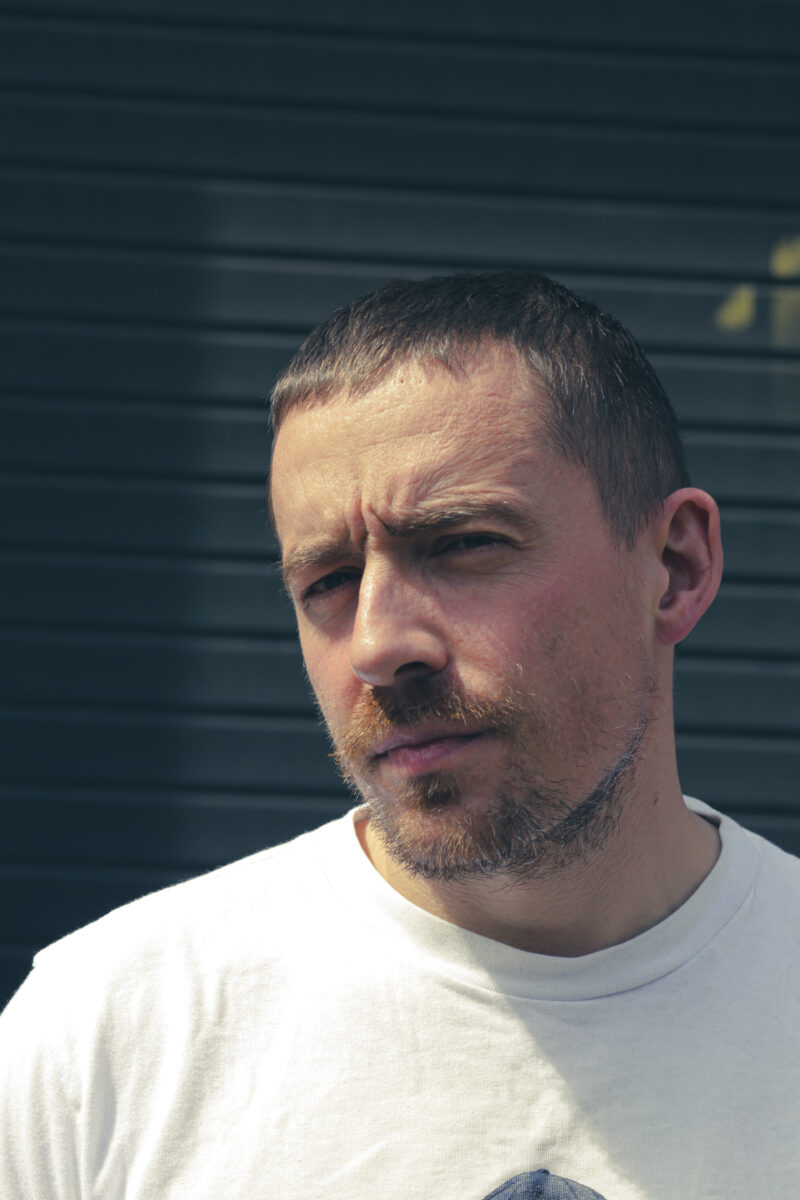
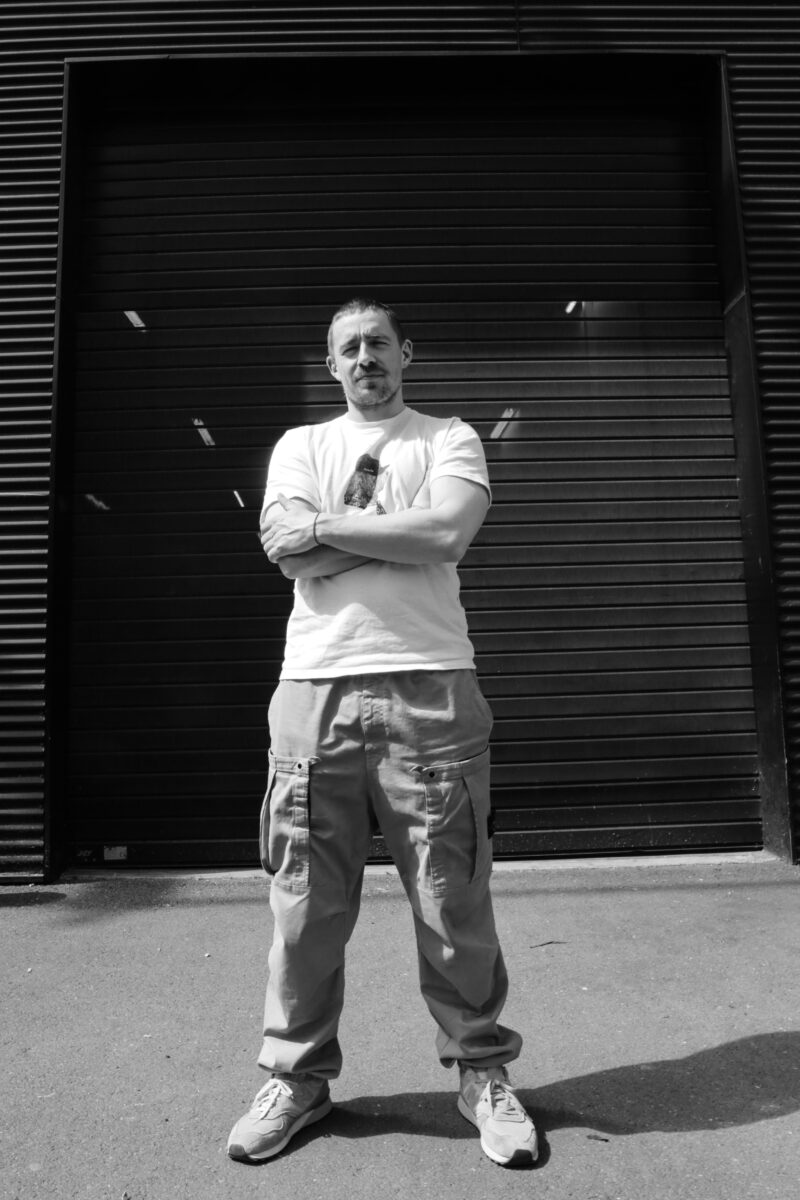
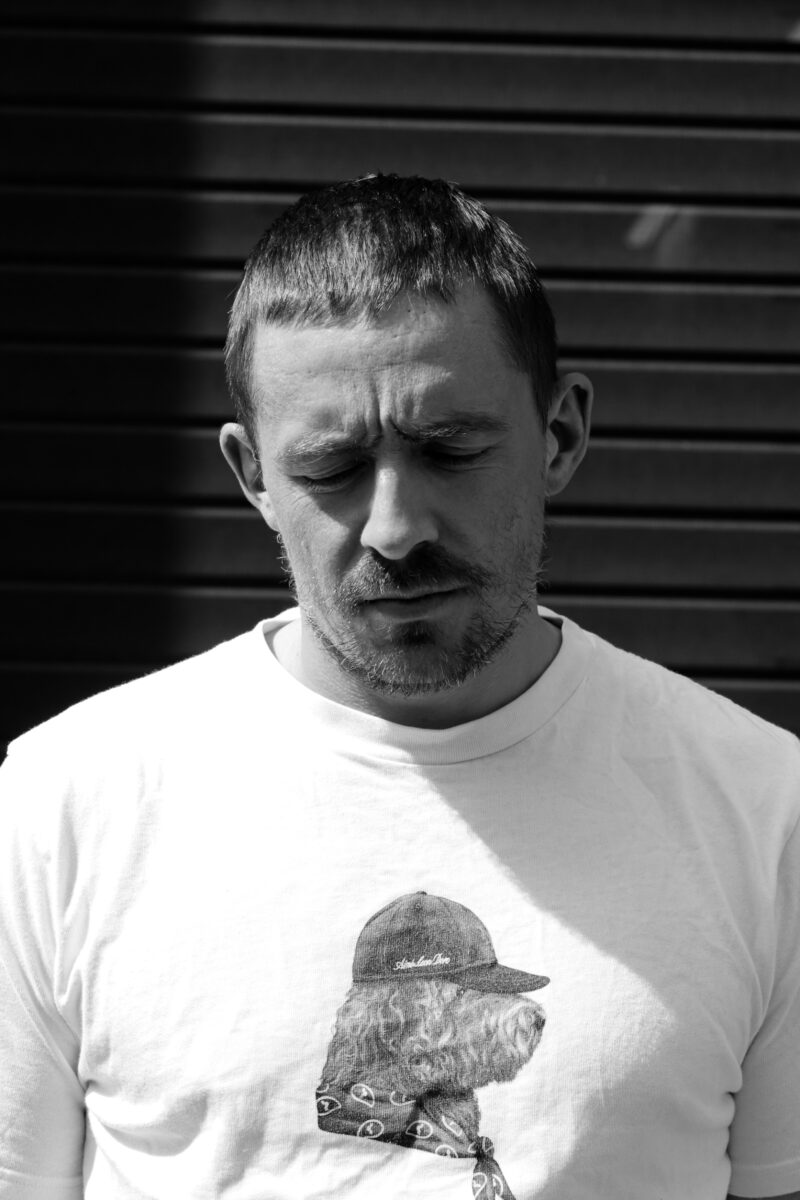
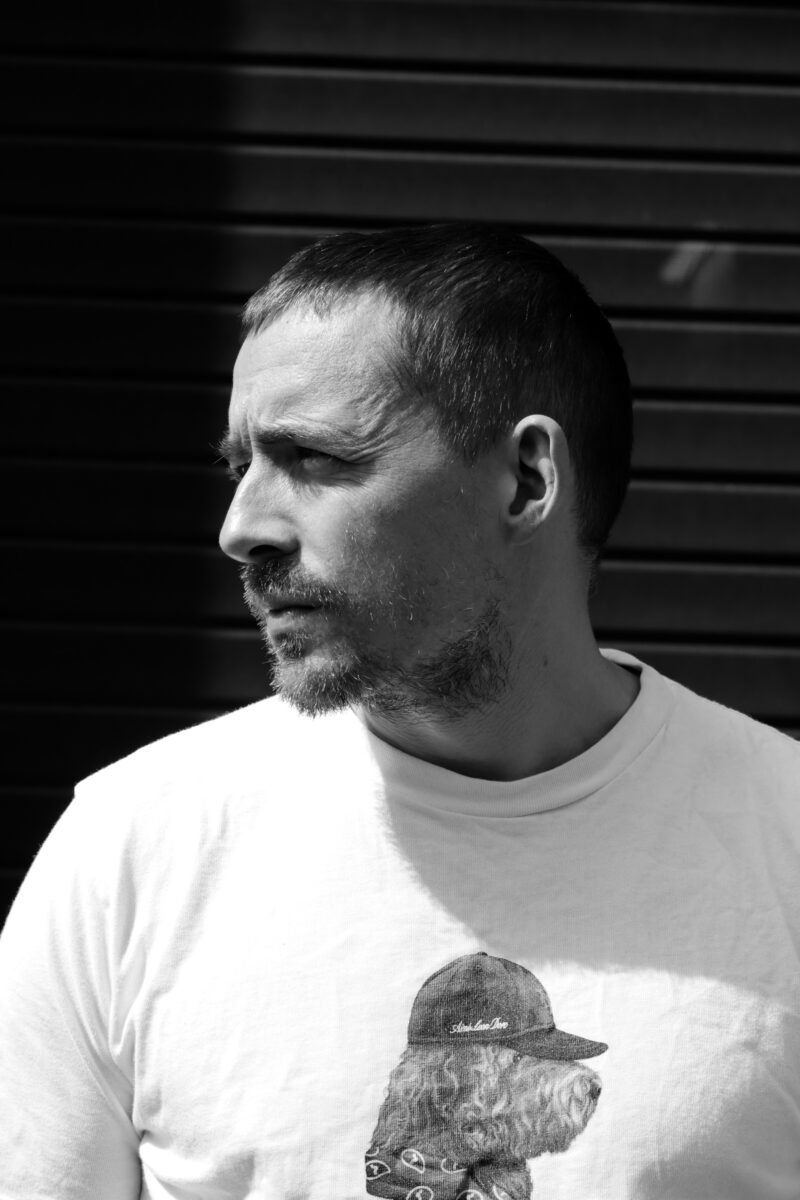
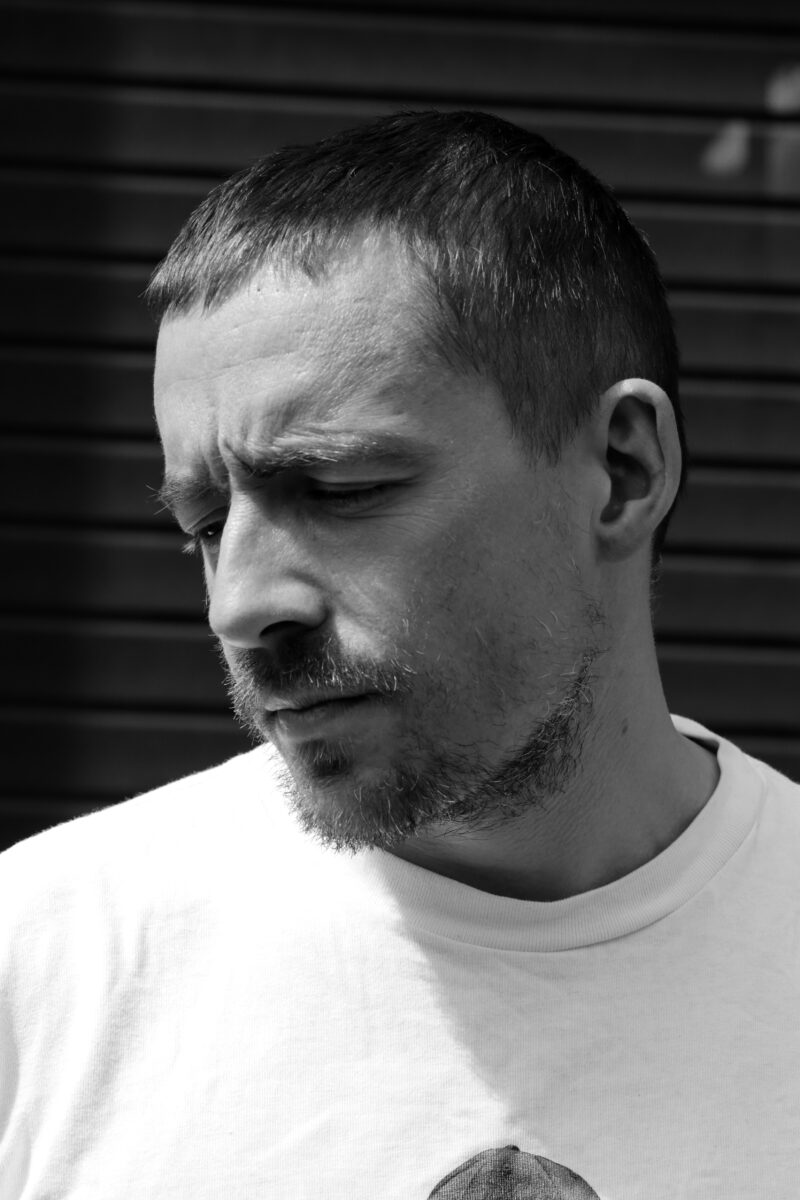
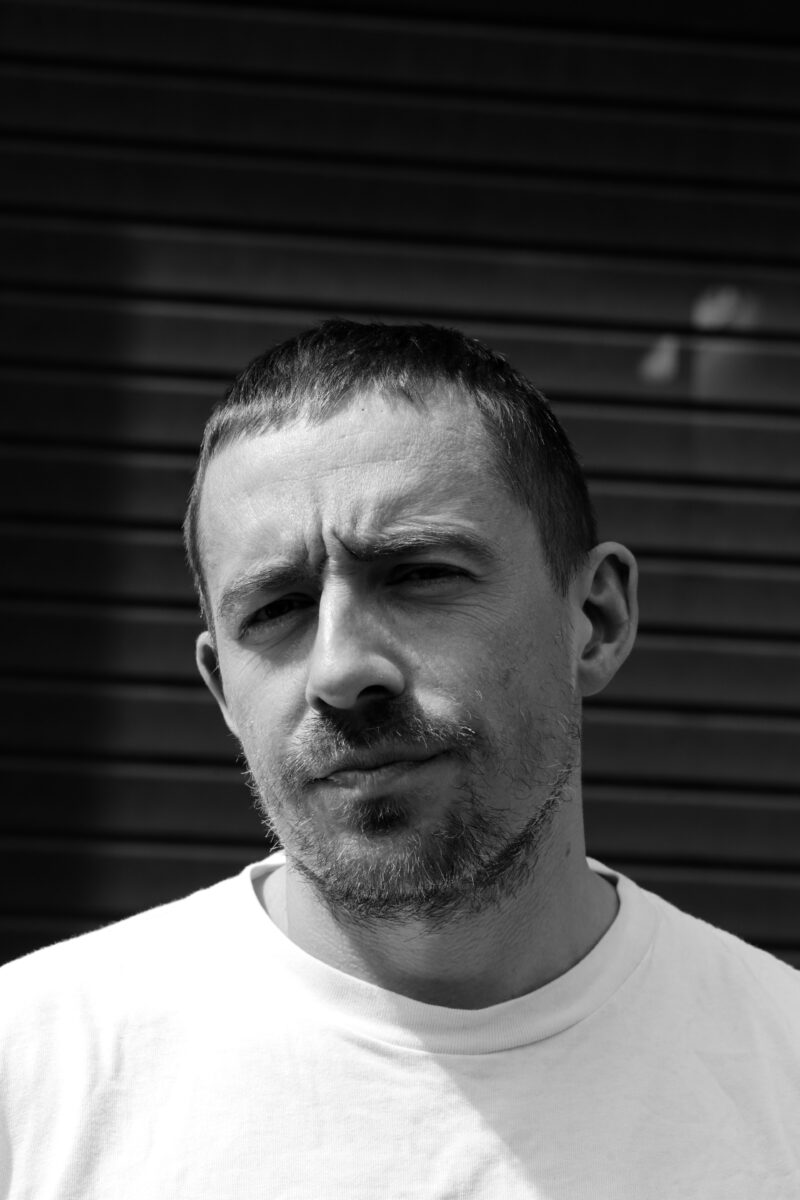
La Face B a rencontré Dermot Kennedy à la Plaine Saint-Denis, dans les studios de Taratata, à l’occasion de l’enregistrement de l’émission et alors qu’il s’apprête à ouvrir un nouveau chapitre avec The Weight of the Woods. Entre deux prises, nous avons partagé un moment privilégié avec un artiste d’une grande spontanéité, venu parler de son nouvel album, de ses racines irlandaises, de l’écriture et de cette envie constante d’avancer sans jamais perdre de vue ce qui l’a construit.
À travers Funeral, premier extrait lumineux et habité, Dermot Kennedy semble avoir trouvé un nouvel équilibre : celui d’un artiste plus libre, plus instinctif et apaisé. Derrière les contrastes qui façonnent sa musique, il évoque avec sincérité son rapport à l’Irlande, à la scène, aux livres, mais aussi son besoin de préserver une certaine simplicité malgré le succès mondial. Une interview a l’image de Dermot Kennedy : sincère, chaleureuse et spontanée, et guidée avant tout par l’émotion.
Retrouvez également le travail d‘Alexia Arrizabalaga-Burns (sous le pseudo Troubleshooteur) sur son site et sur Instagram
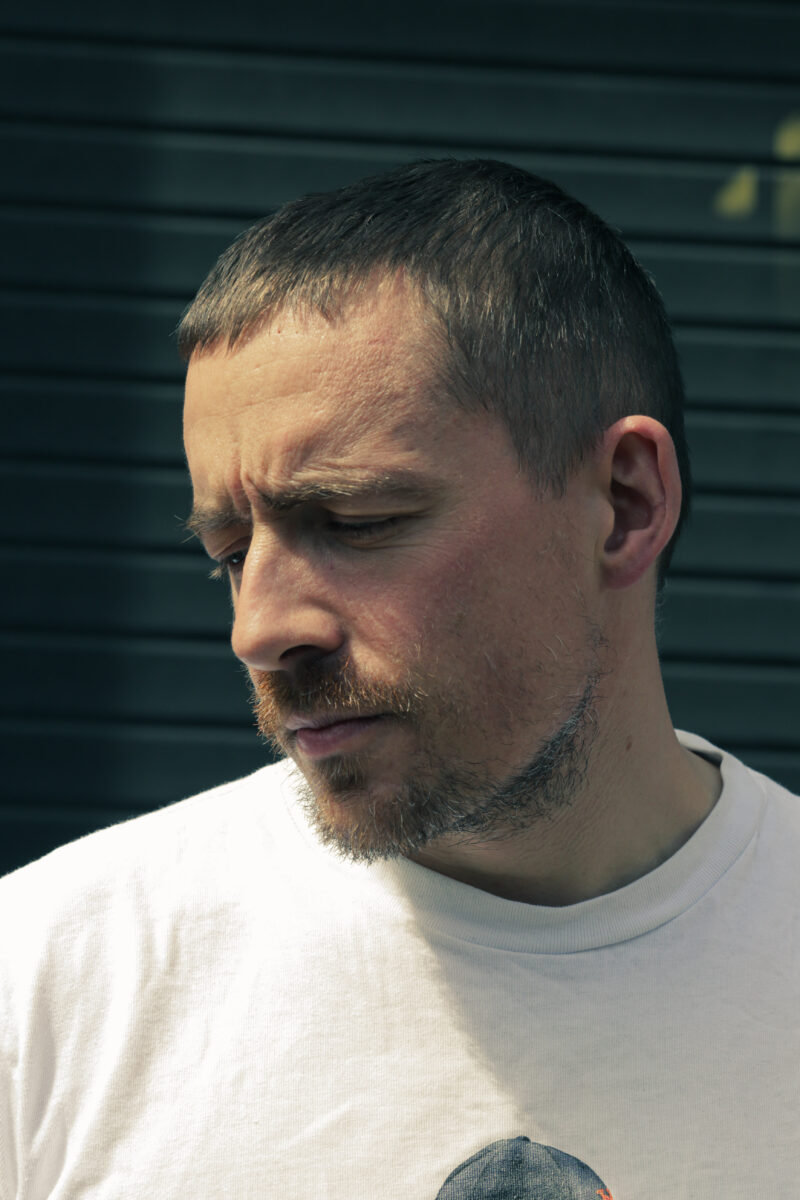
« Avec The Weight of the Woods, Je n’ai pas l’impression de revenir à mes racines. J’ai plutôt l’impression de célébrer l’endroit d’où je viens. » Dermot Kennedy
La Face B : Bonjour Dermot, ravie de te rencontrer. Bienvenue à Paris. Tu es aussi ici pour enregistrer Taratata. Je ne sais pas si tu connais bien l’émission, mais pour les artistes anglophones, tu verras qu’il y a beaucoup de liberté créative et qu’ils aiment vraiment la musique. L’émission est connue pour ses performances live très brutes, très instinctives. Qu’est-ce que ce genre de cadre fait ressortir chez toi en tant qu’artiste ?
Dermot Kennedy : Oui, on apprécie vraiment ça. Quand tu fais autant d’interviews et autant de promo partout, tu apprécies le fait de pouvoir réellement jouer de la musique correctement. Pour moi, quelque chose d’important, c’est que je reprends « To Love Somebody » des Bee Gees, et la raison pour laquelle je le fais, c’est parce que j’ai vu Ray LaMontagne et Damien Rice la jouer sur Taratata il y a des années. Donc oui, c’est agréable d’être dans une pièce à vraiment jouer de la musique au lieu de… enfin, la plupart des interviews consistent à—
La Face B : Répondre à des questions.
Dermot Kennedy : Rires… Exactement. Ça peut être difficile. Mais bon, là ça va parce qu’on discute simplement. Mais c’est agréable d’avoir le droit de jouer la musique comme on le souhaite.
La Face B : Oui, et aussi de permettre aux gens de découvrir tes nouveaux morceaux en live.
Dermot Kennedy : Complètement. Complètement.
La Face B : Quel morceau joues-tu aujourd’hui ? Et pourquoi est-ce que ça t’a semblé être la bonne introduction à ce nouveau chapitre ?
Dermot Kennedy : On joue « Funeral » aujourd’hui. C’est le premier single de mon nouvel album, et ça ressemble à quelque chose dont je n’avais pas forcément encore parlé auparavant. J’écris beaucoup sur le passé — les bonnes et mauvaises choses qui sont arrivées, les souvenirs positifs ou négatifs — mais cette chanson parle uniquement d’avancer et de laisser tout ça derrière soi. Donc oui, je suis enthousiaste. J’avais simplement envie de jouer cette chanson aux gens.
La Face B : Bonne transition, puisque « Funeral » a été présenté comme le “hottest record” sur BBC Radio 1. Pourquoi avoir choisi ce morceau pour ouvrir l’histoire de The Weight of the Woods ?
Dermot Kennedy : Il a quelque chose de triomphant. On pensait en fait que l’album était déjà terminé, puis je suis retourné une dernière fois à Nashville et je me suis dit : « Je vais réessayer une fois encore. Je vais écrire quelques chansons de plus et voir ce qui se passe. » Et c’est une bonne position parce qu’il n’y a aucune pression. Tu n’essaies pas de cocher des cases ou de trouver un certain type de morceau. Tu fais simplement de la musique pour le plaisir. Je pense que c’est de là qu’est né « Funeral ».
Il semblait direct et puissant. Et honnêtement, je n’avais pas sorti de musique depuis un moment, donc je ne voulais pas que ça soit trop triste. Je voulais que ça ressemble à une célébration triomphante. Ça paraissait être la bonne première chanson.
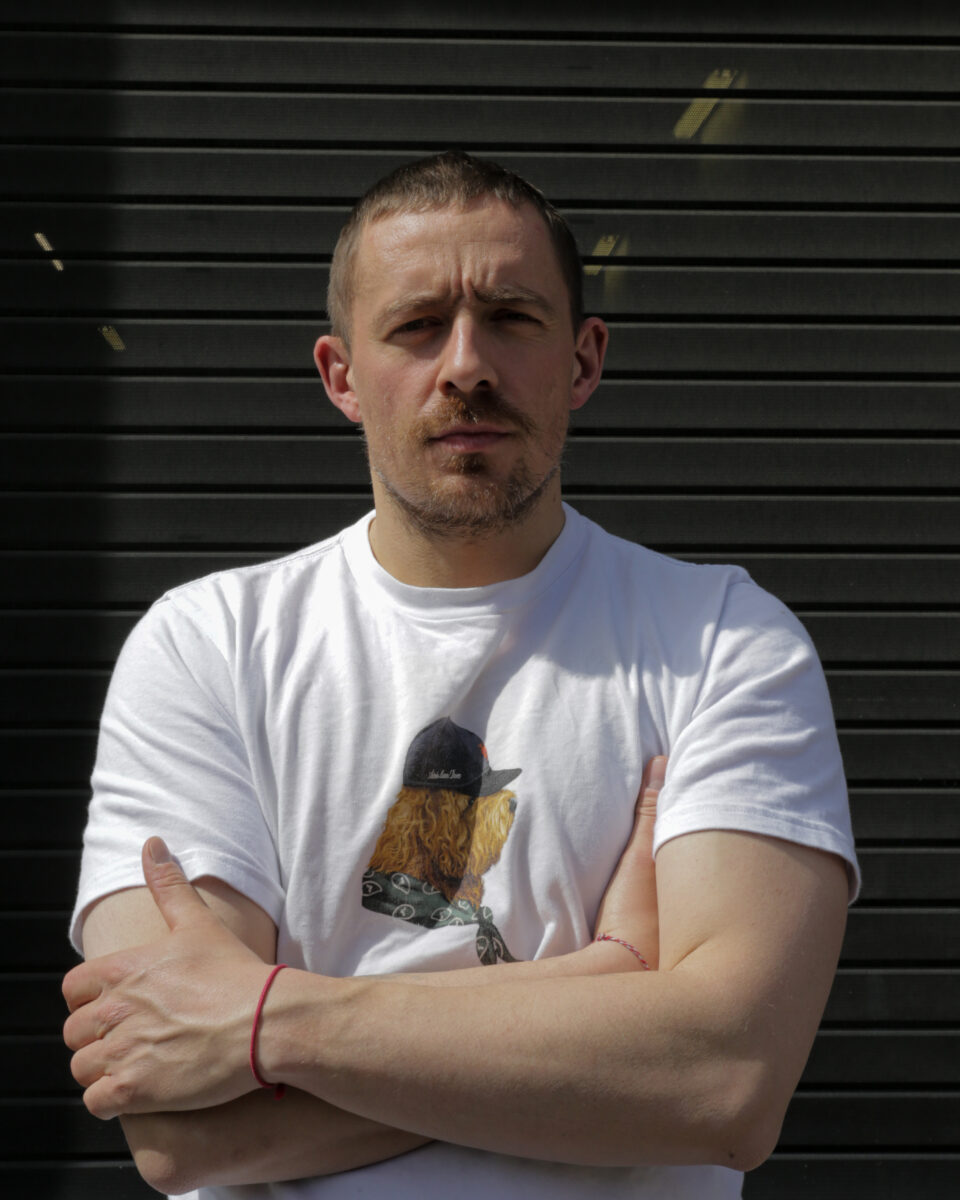
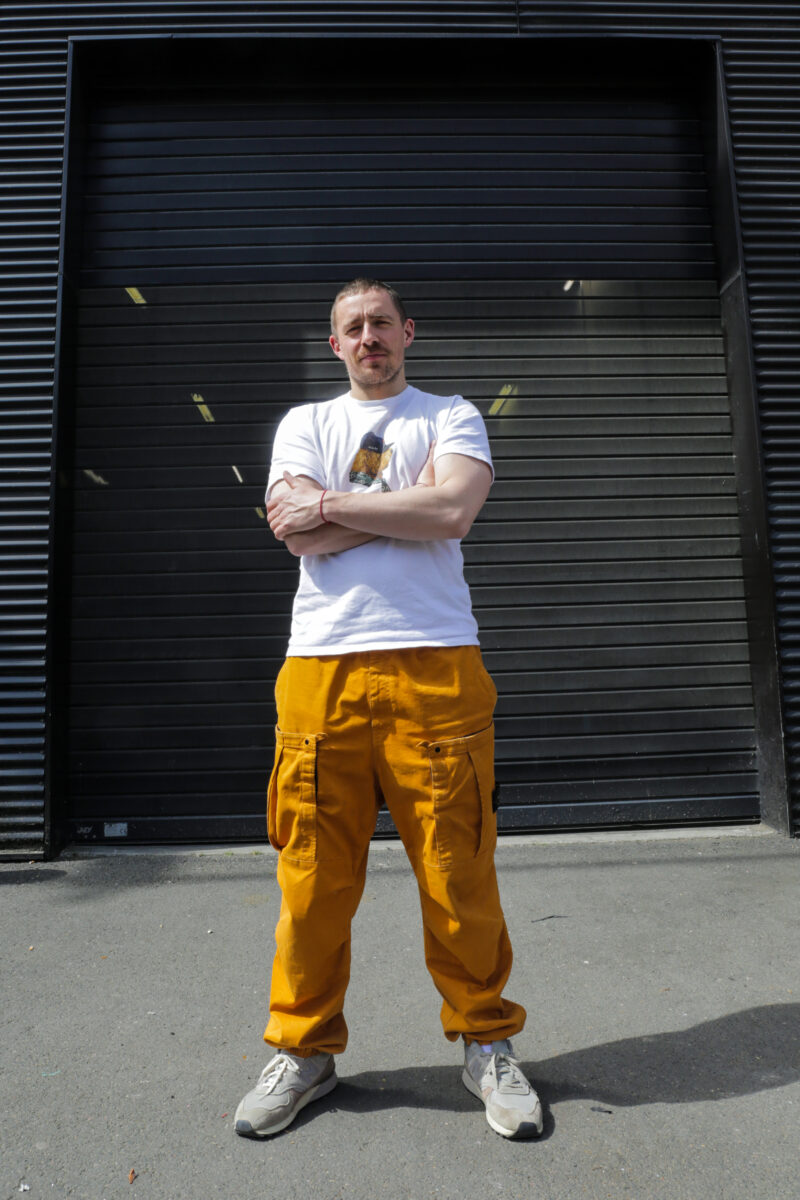
La Face B : La chanson joue avec l’idée d’enterrer le passé et d’avancer plutôt que simplement faire son deuil. À quel point ce thème du renouveau est-il important dans ta vie en ce moment ?
Dermot Kennedy : Très important. Je pense que ça l’a toujours été pour moi. Une chose dans laquelle je suis probablement bon, c’est de constamment faire le point avec moi-même. En termes de renouveau, c’est génial d’être aujourd’hui dans une situation où j’ai un nouvel album, une nouvelle tournée et où je suis prêt à repartir de zéro. Mais je me sens aussi très chanceux d’être dans cette position — d’avoir déjà eu deux albums et deux campagnes, et que les gens aient encore envie d’écouter ce disque. Ça compte énormément pour moi.
La Face B : Musicalement aussi, « Funeral » capture vraiment ta signature, ton ADN. Il y a ce côté clair-obscur, beaucoup de contrastes, cette montée lente puis cette explosion. Ça oscille entre fragilité et puissance.
Dermot Kennedy : Je pense aussi. Et c’était une chanson très facile à chanter parce que parfois, quand tu interprètes un morceau, tu essaies de transmettre le sens dans ta manière de le chanter. Avec celle-ci, pour une raison ou une autre, ça semblait très naturel. Dans le ton de ma voix et dans la manière dont je la chantais, c’était facile de porter ce sens.
La Face B : Mais à quel point était-ce intentionnel pendant la production ?
Dermot Kennedy : Pas tant que ça. Ça arrive naturellement quand je le fais. Je me suis levé pour la chanter et je me suis dit : « Ah cool, je sais exactement ce que ça me fait ressentir. » Je pense qu’instinctivement, on sait assez vite si une chanson fonctionne. Si tu te lèves pour la chanter et que tu y crois immédiatement, c’est généralement bon signe.
La Face B : Dans le clip réalisé par Charlie Sarsfield, tu t’effaces pour laisser Charlie Rowe porter l’émotion. Pourquoi était-ce important pour toi de ne pas être au centre de cette histoire ?
Dermot Kennedy : Je pense que j’en suis à un stade de ma carrière où je sais ce dans quoi je suis bon et ce dans quoi je le suis moins. Je sais que je suis bon pour créer une narration et la mettre en musique, mais je préfère toujours laisser quelqu’un d’autre jouer le rôle.
La Face B : Et comment avez-vous choisi Charlie Rowe ?
Dermot Kennedy : On l’a simplement contacté parce que j’aime beaucoup ce qu’il fait. Visuellement, je trouvais qu’il collait parfaitement au clip. Et il était adorable aussi — vraiment très cool. Je pense toujours que c’est important de ne pas compliquer la vie des gens quand on travaille ensemble, et lui était partant pour tout. C’était super.
La Face B : J’ai adore le clip – j’en avais fait une revue a sa sortie. Tu as décrit la forêt derrière chez toi comme un refuge pour ton imagination.
Dermot Kennedy : Complètement.
La Face B : Que représente cet endroit pour toi créativement ?
Dermot Kennedy : C’est presque la source pour moi. Quand j’étais plus jeune, je trouvais très facile de m’y perdre, et c’est là que mon imagination s’est construite. Ces chansons sont nées de ce sentiment-là. Même aujourd’hui, quand j’y retourne, c’est presque comme si j’essayais de retrouver cette sensation. Je dois dire qu’à trente ans passés, ce n’est plus aussi facile que quand j’étais enfant. À l’époque, il était très facile de se sentir inspiré.
La Face B : Surtout avec une forêt. J’ai grandi au Pays basque, entre montagne et océan, et c’est incroyable de grandir entouré d’une telle nature.
Dermot Kennedy : Oui, exactement. Et au même moment, je lisais tous ces livres et je me disais : « J’ai l’impression de vivre à l’intérieur de ces histoires. » Il était très facile de ressentir ma propre vie comme un récit. En vieillissant, tu dois protéger cette sensation, ou peut-être travailler un peu plus pour la retrouver. Mais ça restera toujours important pour moi.
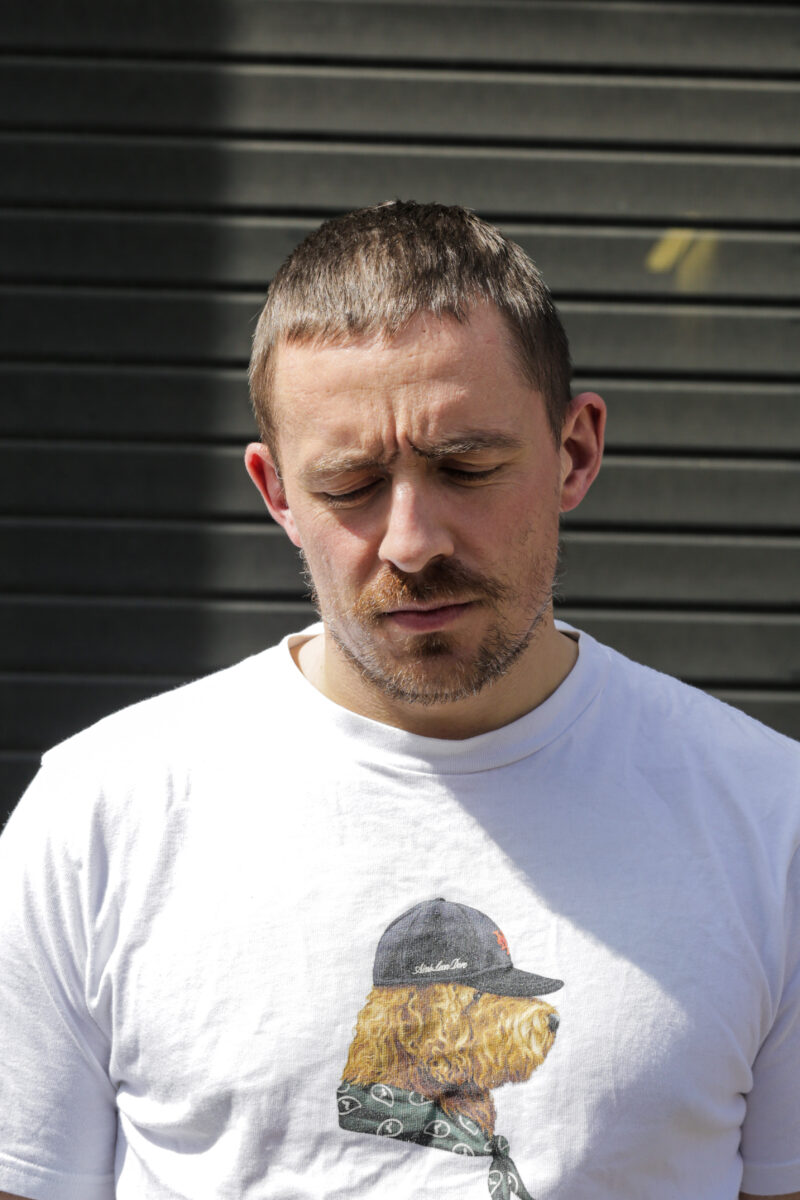
La Face B : Tu mentionnais Nashville tout à l’heure. Cet album a été conçu entre l’Irlande et Nashville. Comment ces deux endroits ont-ils influencé le son et la narration du disque ?
Dermot Kennedy : En termes de sonorités, ça paraît très irlandais. J’ai fait l’album avec Gabe Simon, et avant qu’on commence, il a voyagé en Irlande avec sa famille pour collecter des instruments traditionnels dans différentes régions du pays. On entend ces instruments tout au long du disque, et je pense qu’ils lui donnent une vraie identité irlandaise musicalement.
Quant à Nashville, je dirais que l’influence vient surtout de la culture de l’écriture là-bas. Gabe et certains des collaborateurs que j’y ai rencontrés sont des conteurs incroyables. Il y a une chanson sur l’album qui s’appelle « Endless ». Je l’avais écrite d’une certaine manière, puis Gabe m’a aidé à façonner l’histoire. Mon instinct d’auteur est souvent de laisser les choses telles qu’elles sont si elles sonnent bien, mais parfois ça rend le récit un peu flou. Gabe est très doué pour réorganiser les choses subtilement afin de rendre l’histoire plus directe. Donc Nashville a clairement influencé le côté songwriting.
La Face B : Il y a aussi quelque chose de très intime et artisanal dans ce disque. Avec les instruments irlandais et la narration, as-tu ressenti le besoin de renouer avec tes racines ?
Dermot Kennedy : Plutôt de les célébrer, en réalité. Parfois les gens disent : « Il revient à ses racines », mais je ne suis pas totalement d’accord avec ça. Je pense plutôt que je prends tout ce que j’ai appris au fil du temps pour faire la meilleure musique que j’ai faite jusqu’ici. Ça ressemble davantage à une célébration de mes origines. Quand ta carrière avance, tu réalises que tu n’as pas besoin de t’intégrer à la scène de Nashville, de Los Angeles, Londres ou New York. L’endroit d’où tu viens suffit. Cette identité suffit, et je pense que les gens peuvent s’y reconnaître.
La Face B : Musicalement, tu as vraiment ton propre ADN. On reconnaît immédiatement une de tes chansons.
Dermot Kennedy : C’est gentil. J’espère.
La Face B : Il y a toujours ces énormes contrastes, vocalement et dynamiquement, dans tes morceaux.
Dermot Kennedy : Oui, clairement au niveau des dynamiques. Les artistes que j’aimais en grandissant avaient toujours cette capacité à rendre une chanson minuscule et intime, puis soudain immense. J’adore ça.
La Face B : Parlons du contexte plus large de cet album. Depuis la fin des années 2010, tu es passé de Dublin à un succès mondial. Quand tu regardes Without Fear, devenu l’un des albums les plus vendus de l’histoire irlandaise, qu’est-ce qui te semble le plus différent chez toi aujourd’hui ?
Dermot Kennedy : Pas grand-chose, honnêtement. J’ai essayé de rester le même humainement. Ma carrière, en revanche, a énormément changé. Pendant longtemps, c’était : « La prochaine tournée doit être plus grande, les prochaines salles doivent être plus grandes. » Maintenant, j’essaie surtout de comprendre quelle est ma manière préférée de vivre une carrière musicale.
La tournée de la fin d’année dernière se faisait dans des salles plus petites — mille ou deux mille places — ce qui est petit pour moi maintenant, mais j’ai adoré ça. Donc je me demande : la prochaine fois, est-ce que je ne devrais pas simplement faire cinq ou dix dates dans des petites salles ? Parce qu’il y a une ambiance tellement belle dans ces lieux. Mais en même temps, quand tu joues dans un stade devant 50 000 personnes qui ressentent toutes la même chose, c’est incroyablement spécial aussi. Donc j’aime les deux.
La Face B : Peut-être que tu fais davantage confiance à tes instincts aujourd’hui aussi.
Dermot Kennedy : Clairement. Je me fais plus confiance créativement. Avec le temps, tu réalises que personne ne saura mieux que toi ce dont tu as besoin.
La Face B : Avec Sonder, tu explorais de nouvelles textures et perspectives. Comment cet album a-t-il influencé celui-ci ?
Dermot Kennedy : Je pense que Sonder était un bel endroit depuis lequel revenir. Je ne veux pas dire que c’est un retour en arrière, mais The Weight of the Woods ressemble à un point d’équilibre entre Without Fear et Sonder. Des chansons comme « Homeward » avaient ces magnifiques textures synthétiques, et jouer ces morceaux en tournée aux côtés des anciens titres semblait très naturel. Donc cet album ressemble à un bel équilibre entre ces deux mondes.
La Face B : Sur The Weight of the Woods, ta voix paraît plus exposée, plus centrale.
Dermot Kennedy : Complètement.
La Face B : Était-ce un choix conscient ?
Dermot Kennedy : Oui, mais on ne voulait pas non plus tout polir excessivement. Il y a des erreurs sur le disque, des moments où dans un autre état d’esprit j’aurais probablement refait une prise, mais ce n’est pas grave. On essayait de capturer une performance, pas la perfection. On voulait saisir l’émotion avant tout.
La Face B : Si tu devais décrire The Weight of the Woods avec tes propres mots ?
Dermot Kennedy : Je dirais que c’est un artiste qui a enfin trouvé ses appuis, qui se fait confiance, et qui veut toujours apporter de l’espoir aux gens — mais qui a peut-être trouvé aujourd’hui la meilleure manière de le faire.
La Face B : Y a-t-il des morceaux de l’album que tu as particulièrement hâte — ou peur — de jouer en live ?
Dermot Kennedy : Toujours un peu peur. On ne sait jamais vraiment comment les chansons vont être reçues. Mais j’adore jouer le morceau-titre, « The Weight of the Woods ». C’est la quatorzième chanson de l’album, et je prends énormément de plaisir à la jouer.
La Face B : Tu parlais de livres tout à l’heure. Des auteurs qui t’inspirent récemment ?
Dermot Kennedy : Percival Everett. Il a un livre qui s’appelle Walk Me to the Distance que j’ai adoré. Et son livre James est magnifique aussi. Honnêtement, je n’ai pas eu beaucoup de temps pour lire récemment, donc ça faisait du bien de vraiment me replonger dans un livre. Et maintenant je lis l’autobiographie de Zlatan Ibrahimović.
La Face B : C’est drôle parce que récemment, je me suis remis à lire des auteurs irlandais contemporains. En ce moment je lis My Coney Island Baby de Bill O’Callaghan. C’est un des livres recommandés par des gens comme Cillian Murphy ou Jessie Buckley.
Dermot Kennedy : Claire Keegan aussi — elle est incroyable.
La Face B : Merci pour la reco! Une chanson comme « Power Over Me » a tout changé pour toi. C’est encore aujourd’hui ton plus gros morceau sur Spotify, et de loin.
Dermot Kennedy : Sérieusement ?
La Face B : Plus de 523 millions de streams. Pourquoi penses-tu qu’elle a autant touché les gens à travers le monde ?
Dermot Kennedy : Je ne sais pas. Pendant longtemps, je ne voulais même pas sortir une chanson comme ça. Mon rêve, c’était que le public connaisse chaque chanson, parce que je détestais aller à des concerts où les gens ne connaissaient que les singles. Donc je sortais plutôt de longues chansons très écrites. Puis finalement, je me suis senti prêt avec « Power Over Me », et elle a fait exactement ce qu’une chanson comme celle-là est censée faire : toucher énormément de monde. Mais j’étais fier d’avoir déjà cette base de morceaux plus lyriques derrière.
La Face B : Et une fois qu’une chanson est sortie, elle appartient à tout le monde. Quelqu’un en Argentine peut s’y connecter de la même manière que quelqu’un en France.
Dermot Kennedy : Complètement. Quand tu entres dans l’industrie musicale, tu te dis : « Je veux faire ce genre de musique », avec plein de règles dans ta tête sur ce qu’elle devrait ou ne devrait pas être. Puis tu sors une chanson comme « Power Over Me », et comme c’est ton premier vrai single radio, tu es nerveux. Mais quand elle touche autant de gens, ça t’apprend quelque chose. C’est une sensation magnifique quand une chanson résonne aussi largement.
La Face B : Un artiste irlandais qui continue de t’inspirer ?
Dermot Kennedy : Paul Brady, clairement. Il est là depuis toujours — il doit avoir plus de 70 ans maintenant — mais sa musique est revenue très fort dans mon esprit récemment.
La Face B : Pendant le Covid, on avait l’impression que beaucoup de jeunes artistes irlandais — musiciens, acteurs, écrivains — se soutenaient publiquement. Paul Mescal parlait souvent de toi.
Dermot Kennedy : Oui, ça arrive vraiment. L’Irlande est petite, donc le cercle est petit, et je pense qu’on tient sincèrement les uns aux autres.
La Face B : Qu’est-ce que ça signifie aujourd’hui pour toi d’être irlandais en tant qu’artiste qui voyage dans le monde entier ?
Dermot Kennedy : Je pense que c’est ça la clé — en tant qu’artiste, pas juste en tant qu’Irlandais. On est incroyablement fiers de notre histoire artistique et de notre héritage culturel. J’en ai un peu marre d’entendre qu’on “punch above our weight” (on joue dans la cour des grands), mais c’est vrai. On est ce minuscule point dans l’océan, et pourtant il y a toujours des artistes irlandais incroyables qui accomplissent des choses immenses.
La Face B : Jessie Buckley par exemple. Rory McIlroy qui gagne le Masters…
Dermot Kennedy : Exactement. Cillian Murphy, Jessie Buckley, Rory McIlroy… c’est fou. Je suis très fier d’être irlandais. Et partout où je vais dans le monde, j’ai l’impression que les Irlandais sont généralement bien accueillis, et c’est quelque chose de très beau.
La Face B : Tu seras de retour à Paris très bientôt, le 18 mai à l’Olympia. À quoi le public peut-il s’attendre avec ces nouveaux concerts ?
Dermot Kennedy : Je suis très heureux parce que j’ai toujours voulu jouer dans cette salle. Le live prend une forme vraiment magnifique. On sera huit sur scène, et avec toutes les dynamiques et les montées dans la musique, ça paraît très libre. Honnêtement, c’est la première fois que je me sens aussi libre sur scène, et du coup c’est probablement la tournée qui m’excite le plus.
La Face B : L’Olympia est une salle tellement mythique à Paris.
Dermot Kennedy : Oui, j’attendais ça depuis longtemps.
La Face B : Dernière question : après cet album et cette tournée, qu’est-ce qui t’enthousiasme ensuite créativement ?
Dermot Kennedy : J’aimerais un jour faire un album — sans me presser — mais un album totalement personnel. Douze chansons écrites au piano chez moi, sans demander l’avis de personne sur les paroles ni consulter qui que ce soit. Juste le faire exactement comme j’en ai envie.
La Face B : Je pourrais vraiment t’imaginer faire des bandes originales aussi.
Dermot Kennedy : Oh, j’adorerais ça.
La Face B : Pour le cinéma ou les séries. Je regardais House of Guinness et, comme Normal People, ils utilisent vraiment des artistes irlandais pour créer des univers musicaux cohérents. Je pourrais totalement imaginer ta musique là-dedans.
Dermot Kennedy : J’adorerais vraiment. Honnêtement, c’est une de mes choses préférées. Parfois mes chansons se retrouvent dans des montages sportifs pour la Ligue des Champions ou ce genre de trucs, et je me dis : « C’est le meilleur sentiment du monde. »
La Face B : Merci beaucoup pour ton temps.
Dermot Kennedy : Merci à toi. Très bonne discussion.
Toujours plus d’interviews et de photos de concerts dans La Face B
De plus, suivez Dermot Kennedy sur Spotify, en live ou sur Instagram
Enfin, retrouvez les articles d‘Alexia Arrizabalaga-Burns dans La Face B
Version en Anglais
La Face B: Hello Dermot, very pleased to meet you. Welcome to Paris. You’re here as well to record Taratata. I don’t know if you know much about the show itself, but for English-speaking artists, you’ll see you have a lot of creative freedom there, and they really love music. It’s known for its raw live performances, very instinctive. What does that kind of setting bring out in you as an artist?
Dermot Kennedy: Yeah, you just appreciate it. I think when you’re doing so many interviews and so much promo everywhere, you really appreciate getting to actually play music properly. For me, a big thing is that I do a cover of the Bee Gees’ “To Love Somebody,” and the reason I do it is because I saw Ray LaMontagne and Damien Rice play it on Taratata years ago. So yeah, it’s just nice to be in a room actually playing music instead of sort of… most interviews are kind of—
La Face B: Answering questions.
Dermot Kennedy: Yeah, exactly. It can be difficult. No, but it’s all good because this is just talking. But it’s nice to be allowed to play music the way you want to.
La Face B: Yeah, and also for people to discover your newest tracks live.
Dermot Kennedy: Totally. Totally.
La Face B: What song are you performing today? And why did it feel like the right introduction to this new chapter?
Dermot Kennedy: We’re playing “Funeral” today. It’s the lead single off my newest album, and it feels like something I haven’t necessarily written about before. I write so much about the past — good and bad things that happened, positive and negative memories — but this song is purely about moving forward and leaving that stuff behind. So yeah, I’m excited. I just wanted to play that song for people.
La Face B: Good segue, because “Funeral” was introduced as the hottest record on BBC Radio 1. Why did you choose it to open the story of The Weight of the Woods?
Dermot Kennedy: It feels triumphant. We actually thought the album was done already, and then I went back to Nashville one more time and said, “I’ll try one more time. I’ll write a couple more songs and see what happens.” That’s a nice position to be in because there’s no pressure. You’re not trying to tick a box or find a certain type of song. You’re just making music for fun. I think that’s where “Funeral” came from. It felt direct and powerful. And to be honest, I hadn’t released music in a while, so I didn’t want it to feel too sad. I wanted it to feel like a triumphant celebration. It just felt like the right first song.
La Face B: The song plays with the idea of burying the past and moving forward rather than simply mourning. How important is that theme of renewal in your life at the moment?
Dermot Kennedy: Very important. I think it’s always important for me. One thing I’m probably good at is constantly checking in with myself. In terms of renewal, it’s lovely to be in a position now with a new album and a new tour and be ready to go all over again. But I also feel very lucky to be in that position — to have had two albums and two campaigns already, and for people to still care enough to listen to this album. That means a lot to me.
La Face B: Musically as well, “Funeral” really captures your signature, your DNA. There’s this chiaroscuro feeling, lots of contrast, the slow build and then the rise. It moves between fragility and power.
Dermot Kennedy: I think so. And it was a very easy song to sing because sometimes when you sing a song, you’re trying to capture the meaning in the way you perform it. With this one, for whatever reason, it felt very easy. In the tone of my voice and in the way I sang it, it felt natural to carry the meaning.
La Face B: But how intentional was that during production?
Dermot Kennedy: Not very. It just happens when I’m doing it. I stood up to sing it and thought, “Oh cool, I know how this feels.” I think instinctively it’s quite easy to tell if a song feels right. If you stand up and sing it and immediately believe it, that’s usually a good sign.
La Face B: In the music video, directed by Charlie Sarsfield, you step away and let Charlie Rowe carry the emotion. Why was it important for you not to be at the centre of that story?
Dermot Kennedy: I think I’m just at a point in my career where I know what I’m good at and what I’m not good at. I know I’m good at creating the narrative and putting it into the music, but I’d always rather have someone else do the acting.
La Face B: And how did you choose Charlie Rowe?
Dermot Kennedy: We just reached out to him because I’m a fan. From a visual point of view, I thought he really suited the video. And he was lovely too — a really good sport. I always think it’s important not to make people’s lives difficult when you’re working together, and he was completely up for everything. It was cool.
La Face B: I wrote a revie of the music video when It came out. You described the forest behind your home as a refuge for your imagination.
Dermot Kennedy: Definitely.
La Face B: What does that place mean to you creatively?
Dermot Kennedy: It’s almost like the source for me. When I was younger, I found it very easy to get lost in there, and that’s where my imagination was forming. Those songs started coming out of that feeling. Even now, when I go back there, it’s almost like I’m trying to reclaim that feeling. I have to say, in my thirties, I don’t find it as easy as when I was a kid. Back then, it was very easy to feel inspired.
La Face B: Especially with a forest. I grew up in the Basque Country — near the mountains and the sea — and it’s brilliant to grow up surrounded by nature like that.
Dermot Kennedy: Yeah, exactly. And at the same time I was reading all these books and thinking, “Oh man, I feel like I live inside these books.” It felt very easy for my life to feel like a story. As you get older, you kind of have to protect that feeling, or maybe work a bit harder to get there. But it’ll always be important to me.
La Face B: You mentioned Nashville earlier. This album was made between Ireland and Nashville. How did those two places influence the sound and storytelling of the record?
Dermot Kennedy: In terms of sound, it feels very Irish. I made the album with Gabe Simon, and before we started he travelled around Ireland with his family collecting instruments from different parts of the country. You can hear those instruments throughout the record, and I think they give it a real Irish identity musically.
As for Nashville, I’d say the influence came through the songwriting culture there. Gabe and some of the collaborators I met there are incredibly skilled storytellers. There’s a song on the album called “Endless.” I’d written it one way, and then Gabe helped shape the story. My instinct as a writer is often just to leave things alone if they feel good, but sometimes that means the narrative becomes a bit loose. Gabe is very good at carefully rearranging things so the story becomes more direct. So Nashville definitely influenced the songwriting side of it.
La Face B: There’s something very homegrown and intimate about this record too. With the Irish instruments and the storytelling, did you feel a need to reconnect with your roots?
Dermot Kennedy: More to celebrate them, really. Sometimes people say, “Oh, he’s returning to his roots,” and I don’t fully agree with that. I think I’m taking everything I’ve learned along the way and making the best music I’ve made yet. It feels more like a celebration of where I’m from. As your career goes on, you realise you don’t have to fit into the Nashville community or LA or London or New York. Where you’re from is enough. That identity is enough, and I think people relate to that.
La Face B: Musically, you really have your own DNA. You instantly know when it’s one of your songs.
Dermot Kennedy: That’s nice. I hope so.
La Face B: There are always these huge contrasts, vocally and dynamically, in your songs.
Dermot Kennedy: Yeah, dynamically for sure. The artists I loved growing up always had that ability to make a song feel tiny and intimate, and then suddenly huge. I love that.
La Face B: Let’s talk about the wider context of this album. Since the late 2010s, you’ve gone from Dublin to global success. When you look back at Without Fear, which became one of the best-selling albums in Irish history, what feels most different about who you are today?
Dermot Kennedy: Not a lot, honestly. I’ve tried to stay the same as a person. My career has changed a lot, though. For a long time it was all about, “The next tour has to be bigger, the next venues have to be bigger.” Now I’m trying to figure out what my favourite version of having a career in music actually is.
The tour we did late last year was in smaller venues — one or two thousand capacity — which for me is small now, but I really loved it. So I wonder, next time, should I just do five or ten nights in smaller venues? Because there’s such a beautiful feeling in those rooms. But at the same time, when you play a stadium with 50,000 people all feeling the same thing, that’s incredibly special too. So I love both.
La Face B: Maybe you trust your instincts more now as well.
Dermot Kennedy: Definitely. I trust myself more creatively. Over time, you realise nobody is going to know what you need better than you do.
La Face B: With Sonder, you explored different textures and perspectives. How did that album shape this new one?
Dermot Kennedy: I think Sonder was a lovely place to come back from. I don’t mean this as a backward step, but The Weight of the Woods feels like a landing point between Without Fear and Sonder. Songs like “Homeward” had those beautiful synth textures, and touring those songs alongside the older material felt really natural. So this album feels like a nice balance between those worlds.
La Face B: On The Weight of the Woods, your voice feels more exposed and central.
Dermot Kennedy: Definitely.
La Face B: Was that a conscious decision?
Dermot Kennedy: Yeah, but also we didn’t want to polish everything too much. There are mistakes on the record, moments where in another mindset I probably would have sung it again, but it’s okay. We were trying to capture a performance, not perfection. We wanted to capture the feeling more than anything.
La Face B: If you had to describe The Weight of the Woods in your own words?
Dermot Kennedy: I’d say it’s an artist who’s finally found his feet, trusts himself, and still wants to bring hope to people — but maybe has found the best way to frame that now.
La Face B: Are there songs on the album you’re especially excited — or nervous — to play live?
Dermot Kennedy: Always nervous. You never really know how songs are going to be received. One I’ve been loving is the title track, “The Weight of the Woods.” It’s the fourteenth song on the album, and I’ve really enjoyed playing it.
La Face B: You mentioned books earlier. Any writers inspiring you lately?
Dermot Kennedy: Percival Everett. He has a book called Walk Me to the Distance, and I loved that. And his book James is beautiful too. Honestly, I just haven’t had much time to read lately, so it was nice to really focus on a book again. And now I’m reading Zlatan Ibrahimović’s autobiography.
La Face B: It’s funny because lately I’ve started reading contemporary Irish writers again. Right now I’m reading Bill O’Callaghan’s My Coney Island Baby. It’s one of those books recommended by people like Cillian Murphy and Jessie Buckley.
Dermot Kennedy: Claire Keegan as well — she’s amazing.
La Face B: Thanks! I’ll check her out. A song like “Power Over Me” changed everything for you. It’s still your biggest song on Spotify by far.
Dermot Kennedy: Is it really?
La Face B: More than 523 million streams. Why do you think it connected so deeply with people around the world?
Dermot Kennedy: I don’t know. For a long time I actually didn’t want to release a song like that. My dream was always to have audiences know every song, because I hated going to shows where people only knew the singles. So I kept releasing these long lyrical songs instead. Then eventually I got comfortable with “Power Over Me,” and it did exactly what a song like that is supposed to do — it reached a lot of people. But I was proud that I already had that foundation of more lyrical songs underneath it.
La Face B: And once a song is released, it belongs to everyone. Someone in Argentina can connect to it the same way someone in France does.
Dermot Kennedy: Totally. You go into music thinking, “I want to make this kind of music,” with all these rules in your head about what it should or shouldn’t be. Then you release a song like “Power Over Me,” and because it’s your first single and your first real radio song, you’re nervous about it. But when it reaches that many people, it teaches you something. It’s a lovely feeling when a song connects that widely.
La Face B: One Irish artist who still inspires you?
Dermot Kennedy: Paul Brady, definitely. He’s been around forever — I think he might even be in his seventies now — but his music has really been back at the front of my mind lately.
La Face B: During COVID, it felt like a lot of young Irish artists — musicians, actors, writers — were all supporting each other publicly. Paul Mescal talked about you quite a bit.
Dermot Kennedy: Yeah, that definitely happens. Ireland’s small, so the circle is small, and I think we all genuinely care about each other.
La Face B: What does being Irish mean to you today as an artist travelling around the world?
Dermot Kennedy: I think that’s the key — as an artist, not just as an Irish person. We’re incredibly proud of our artistic history and cultural heritage. I’m kind of sick of hearing people say we “punch above our weight,” but we really do. We’re this tiny little dot in the ocean, and somehow there are always amazing Irish artists doing incredible things.
La Face B: Jessie Buckley, for example. Rory McIlroy winning the Masters…
Dermot Kennedy: Exactly. Jessie Buckley, Rory McIlroy — it’s crazy. I’m very proud to be from Ireland. And wherever I go in the world, I feel like Irish people are usually received warmly, which is a lovely thing.
La Face B: You’ll be back in Paris very soon, on May 18th at the Olympia. What can people expect from these new live shows?
Dermot Kennedy: I’m excited because I’ve always wanted to play that venue. The live show is taking shape in a really beautiful way. There’ll be eight of us on stage, and with all the dynamics and builds in the music, it just feels very free. Honestly, it’s the freest I’ve ever felt on stage, and because of that, it’s probably the most excited I’ve ever been going into a tour.
La Face B: The Olympia is such an iconic venue in Paris.
Dermot Kennedy: Yeah, I’ve been waiting for that one.
La Face B: Last question: after this album and this tour, what excites you creatively next?
Dermot Kennedy: I’d love to make an album someday — no rush — but just an album that’s entirely me. Twelve songs written at the piano at home, without asking anyone about lyrics or consulting anybody. Just doing it exactly the way I want.
La Face B: I could really see you doing soundtracks as well.
Dermot Kennedy: Oh, I’d love that.
La Face B: For TV or film. I was watching House of Guinness, and like Normal People, they really use Irish artists to create cohesive musical worlds. I could completely imagine your music there.
Dermot Kennedy: I’d absolutely love that. Honestly, it’s one of my favourite things. Sometimes my songs end up in those sports montages for the Champions League and things like that, and I’m like, “This is the best.”
La Face B: Thank you very much for your time.
Dermot Kennedy: Thank you. Good chat.