
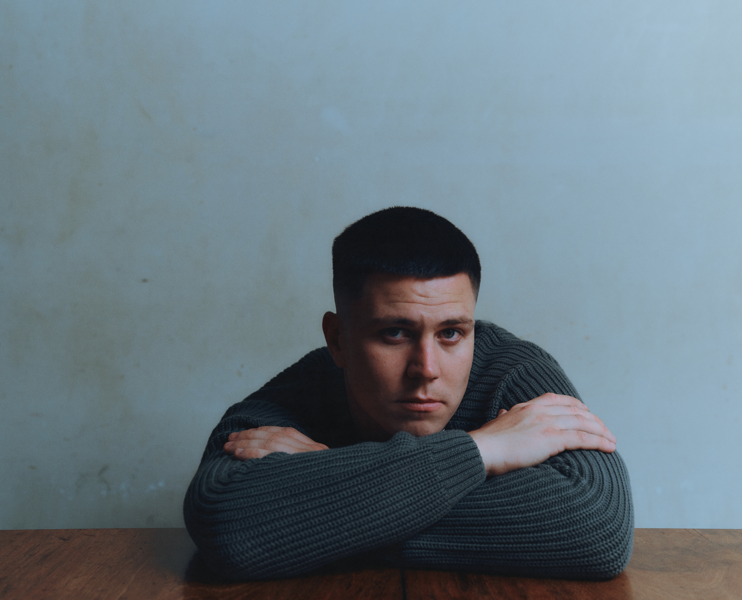
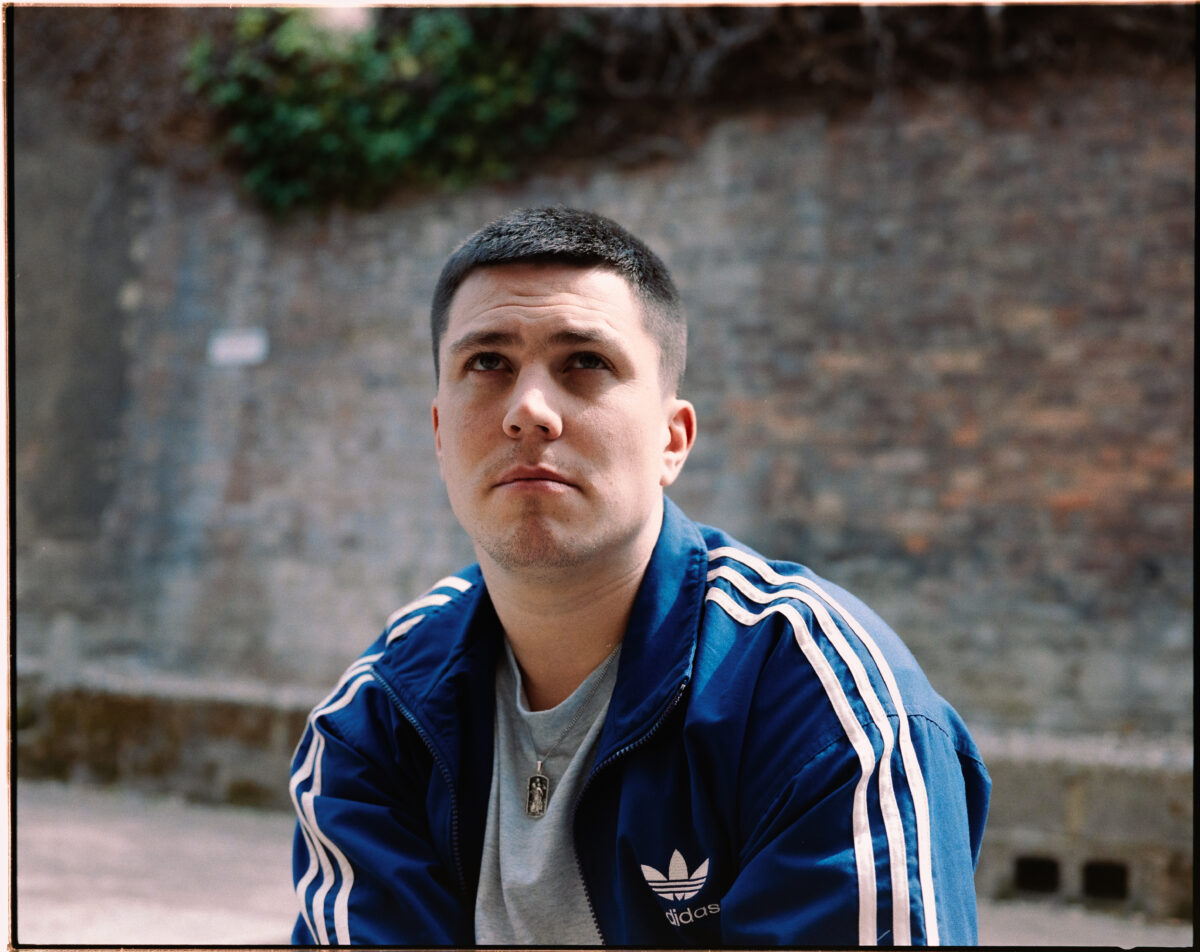
La Face B a rencontré Aaron Rowe au cœur de Paris, à l’occasion de sa tournée promo européenne. Une discussion à son image : calme, drôle et profondément chaleureuse. Entre anecdotes de tournée avec Lewis Capaldi ou Ed Sheeran, le musicien irlandais revient avec sincérité sur un parcours aussi fulgurant qu’improbable. Nourri de poésie, de musique traditionnelle et profondément ancré dans Dublin, Aaron Rowe parle de ses chansons comme on partage des souvenirs entre amis, avec beaucoup d’autodérision et une vraie tendresse pour les gens et les lieux qui l’ont façonné.
Au fil de la conversation, il évoque son dernier single Please Don’t Hate Me, ses envies pour la suite et cette manière très instinctive qu’il a d’écrire des chansons. Entre réflexions sur le live, désir de cinéma, poésie de Charles Bukowski et héritage de James Joyce, Aaron Rowe dévoile un univers sensible et profondément humain, où l’humour n’est jamais très loin de la mélancolie.
Retrouvez également le travail d‘Alexia Arrizabalaga-Burns (sous le pseudo Troubleshooteur) sur son site et sur Instagram
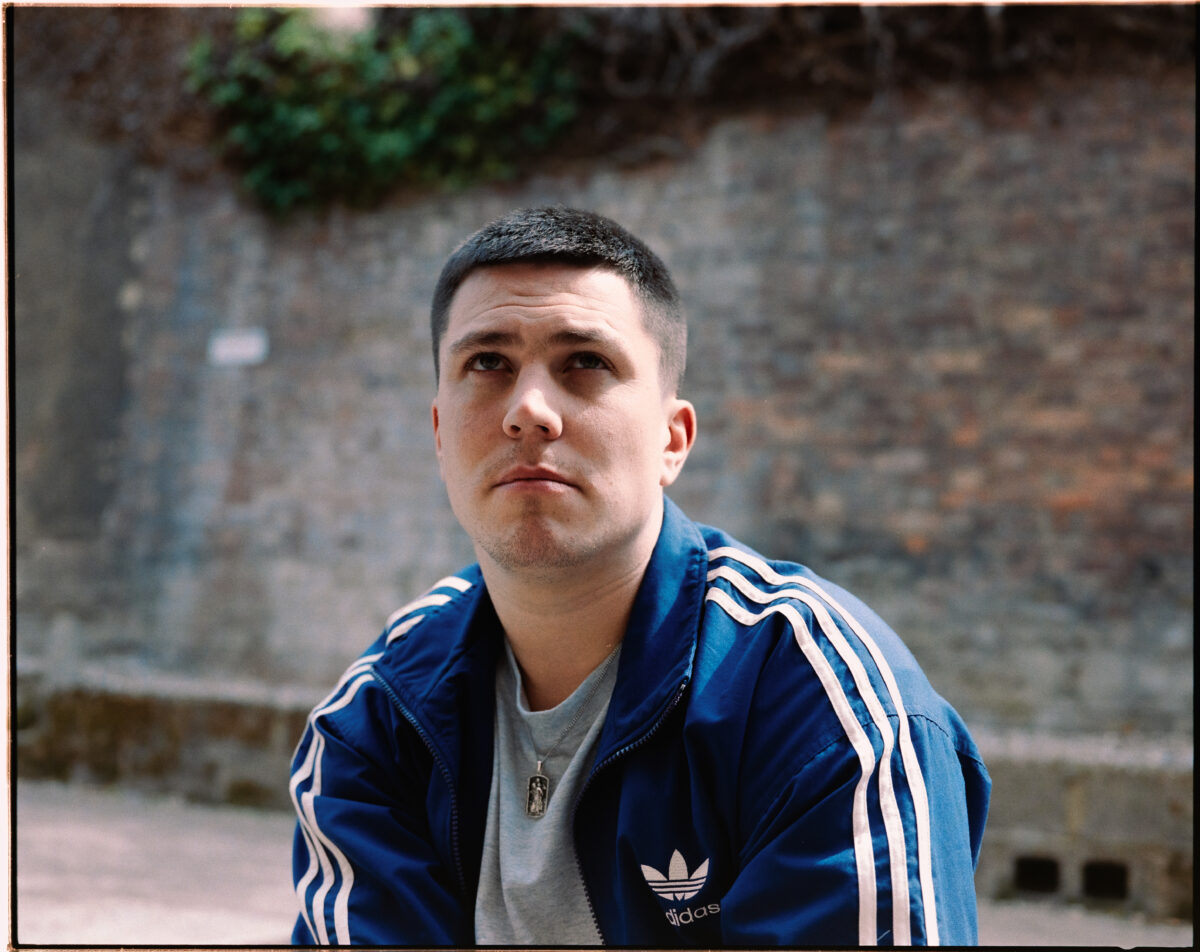
« Ça faisait longtemps que j’avais l’idée d’une chanson sur l’endroit d’où je viens. Mais je pense qu’être loin de l’Irlande m’a permis de prendre du recul et de vraiment la voir. J’ai pu en avoir une vision plus claire en la regardant de loin. » Aaron Rowe sur « Hey Ma« .
La Face B : Salut Aaron, allons droit au but. Tu es passé des pubs de Dublin aux grandes scènes d’Arénas avec Lewis Capaldi, et maintenant tu assures la première partie d’Ed Sheeran. Quand tu prends un peu de recul, comment tu expliques ce parcours ?
Aaron Rowe : C’est une question vraiment difficile parce que, encore aujourd’hui, je ne sais pas vraiment ce que je ressens — ni même ce que je suis censé ressentir. Je suis juste reconnaissant. Ça a été une surprise totale pour moi et le sentiment dominant, c’est vraiment la gratitude. Mais oui, ça n’a toujours pas vraiment de sens.
J’ai commencé la guitare vers 16 ans. Et moins de deux ou trois mois après avoir commencé, j’ai entendu “A Team” à la radio. Donc Ed a toujours été là, d’une certaine façon. Depuis que je fais de la musique, il a eu une influence sur moi. Pouvoir aujourd’hui l’appeler un ami et partir en tournée avec lui, c’est complètement fou.
La Face B : Tu as dû bien rigoler aussi en tournée avec Lewis Capaldi.
Aaron Rowe : Oui, Lewis et moi on est vraiment potes.
La Face B : Il est hilarant. Tu dois énormément apprendre en route, mais aussi beaucoup rire.
Aaron Rowe : Oui, c’est un mec super drôle. On a exactement le même humour. Clairement, énormément rire. C’est même comme ça qu’on s’est rencontrés. Tout le monde sait qui est Lewis évidemment, mais il n’avait jamais vraiment écouté mes chansons. On s’est juste bien entendus, on allait boire quelques pintes ensemble. C’était aussi simple que ça. Et maintenant, nous voilà deux ans plus tard.
La Face B : Tu disais avoir commencé la guitare à 16 ans, mais comment la musique est-elle entrée dans ta vie au départ ? À quel moment c’est passé de quelque chose de privé à quelque chose que tu voulais partager ?
Aaron Rowe : Presque immédiatement. J’ai toujours aimé chanter et écrire quand j’étais plus jeune, mais j’étais très complexé. Puis quand j’ai finalement commencé la guitare vers 16 ans, en à peine un an c’était devenu mon métier à plein temps. C’est le seul boulot que j’ai vraiment eu de ma vie.
La Face B : Tu as grandi à Dublin, une ville avec un héritage musical très fort. Il y a vraiment quelque chose dans l’eau là-bas. À quel point ça a façonné ton identité artistique ?
Aaron Rowe : Totalement. Quand j’étais plus jeune, je ne réalisais pas à quel point ça allait m’influencer plus tard. En jouant dans tous ces pubs et en faisant tous ces concerts, tu passais devant des fenêtres et tu entendais des gars jouer de la musique traditionnelle. Je ne pouvais qu’admirer ça.
Quand j’ai commencé à intégrer cette musique dans ma propre vie, ça m’a vraiment ouvert les yeux. Quand tu es jeune et que tu écoutes des vieux disques venant de chez toi, tu peux parfois avoir un peu honte parce que tu n’arrives pas encore à dépasser la production. Mais quand j’ai commencé à réduire ces chansons à simplement des accords et des paroles, j’ai vraiment compris leur force. La musique irlandaise occupe une place énorme dans mon cœur et elle influence tout ce que je fais.
La Face B : Quelle part de Dublin vit encore dans ta musique aujourd’hui ?
Aaron Rowe : Je pense : la totalité. Être Irlandais — et surtout être de Dublin — a toujours été une énorme partie de mon identité. Parler irlandais, ce que peu de gens font encore en Irlande, jouer au football gaélique, être entouré de gens issus du même milieu… tout ça a joué un rôle immense dans tout ce que je fais.
La Face B : Je suis Basque, donc je comprends totalement. Quand je dis à des Irlandais que je suis Basque, ils savent tout de suite où c’est.
Aaron Rowe : Oh magnifique ! Oui, absolument.
La Face B : Et ils ont toujours un grand sourire.
Aaron Rowe : Oui, à 100 %.
La Face B : L’interview prend maintenant un tournant.
Aaron Rowe : Oui, totalement.
La Face B : Parlons maintenant de “Please Don’t Hate Me”, ton nouveau single. Comment tu le décrirais avec tes propres mots ? Ou quelle est l’histoire derrière ce morceau ?
Aaron Rowe : Les gens sont toujours un peu déçus par l’histoire derrière cette chanson parce que beaucoup pensent qu’elle parle de ma relation amoureuse. D’une certaine manière, oui, mais c’est plus universel que ça.
La vérité, c’est que je rentrais de Glastonbury avec une sacrée gueule de bois et mes managers me disaient : “Tu dois aller au studio.” Ils m’avaient booké avec deux gars qui sont en fait de très bons amis à moi.
Mais dans ma tête je me disais : Quel est l’intérêt que j’y aille aujourd’hui ? Je suis en gueule de bois, j’ai presque pas dormi, parce que je reviens d’un week-end de festival assez intense et maintenant on m’envoie en studio. En fait, je crois que j’ai raccroché le téléphone assez sèchement. Je suis entré dans le studio et j’ai dit aux deux gars : “Je suis vraiment un connard, mec.” Et c’est de là qu’est née la chanson.
Évidemment, ça ne pouvait me mener qu’à un seul couplet. Donc après ça, j’ai commencé à penser à toutes les autres fois dans ma vie où j’avais été un connard. C’est là qu’est venu le deuxième couplet — en puisant dans ma relation et dans d’autres moments de ma vie. Écrire cette chanson m’a vraiment fait du bien.
La Face B : Maintenant, c’est posé sur le papier.
Aaron Rowe : Oui, clairement. Une bonne part d’humilité que je me suis servie moi-même.
La Face B : Parfois, une gueule de bois et un week-end à Glastonbury suffisent. Cette chanson va au-delà du simple morceau de rupture — elle est universelle. Mais elle est aussi intime et très exposée, parce qu’il faut reconnaître certaines choses sur soi-même. C’était une direction consciente ?
Aaron Rowe : Le premier couplet est arrivé immédiatement. Ensuite on tournait autour de plusieurs idées et le deuxième couplet est sorti en quelques secondes. Ça a juste jailli. On l’a enregistré et toute la chanson s’est faite très vite — probablement en moins de deux heures. Et elle n’a quasiment pas changé entre le moment où elle a été écrite et celui où elle a été enregistrée.
La Face B : Parlons de “Hey Ma”. Tu peux nous raconter l’histoire derrière cette chanson ?
Aaron Rowe : Oui. Partir vivre à Londres, c’était la première fois que je m’éloignais vraiment de l’Irlande, de ma famille, de mes amis, de ma relation — de tout ce que je connaissais. Je me souviens être assis dans cet appartement et ma mère m’a envoyé un message pour me demander comment ça allait. Pendant ce temps-là, ça faisait probablement deux ou trois jours que je pourrissais sur place à scroller sans fin, entouré de boîtes à pizza. Et moi je répondais : “Oui, tout va super. Tout est génial.”
La Face B : Qui n’a jamais fait ça ?
Aaron Rowe : Exactement. Ça faisait longtemps que j’avais l’idée d’une chanson sur l’endroit d’où je viens. Mais je pense qu’être loin de l’Irlande m’a permis de prendre du recul et de vraiment la voir. J’ai pu en avoir une vision plus claire en la regardant de loin.
La Face B : Comment décrirais tu ta musique à quelqu’un qui te découvres ?
Aaron Rowe : Elle est honnête. Très Dublin aussi. Je raconte des histoires — pas toujours les miennes, même si parfois oui. J’ai envie de représenter les gens qui viennent du même endroit que moi. James Joyce disait : « Dans le particulier se trouve l’univers tout entier. » Je pense qu’en écrivant sur des choses très spécifiques, des gens vivant à l’autre bout du monde peuvent quand même s’y reconnaître, parce que chacun possède sa propre version de cette expérience-là.
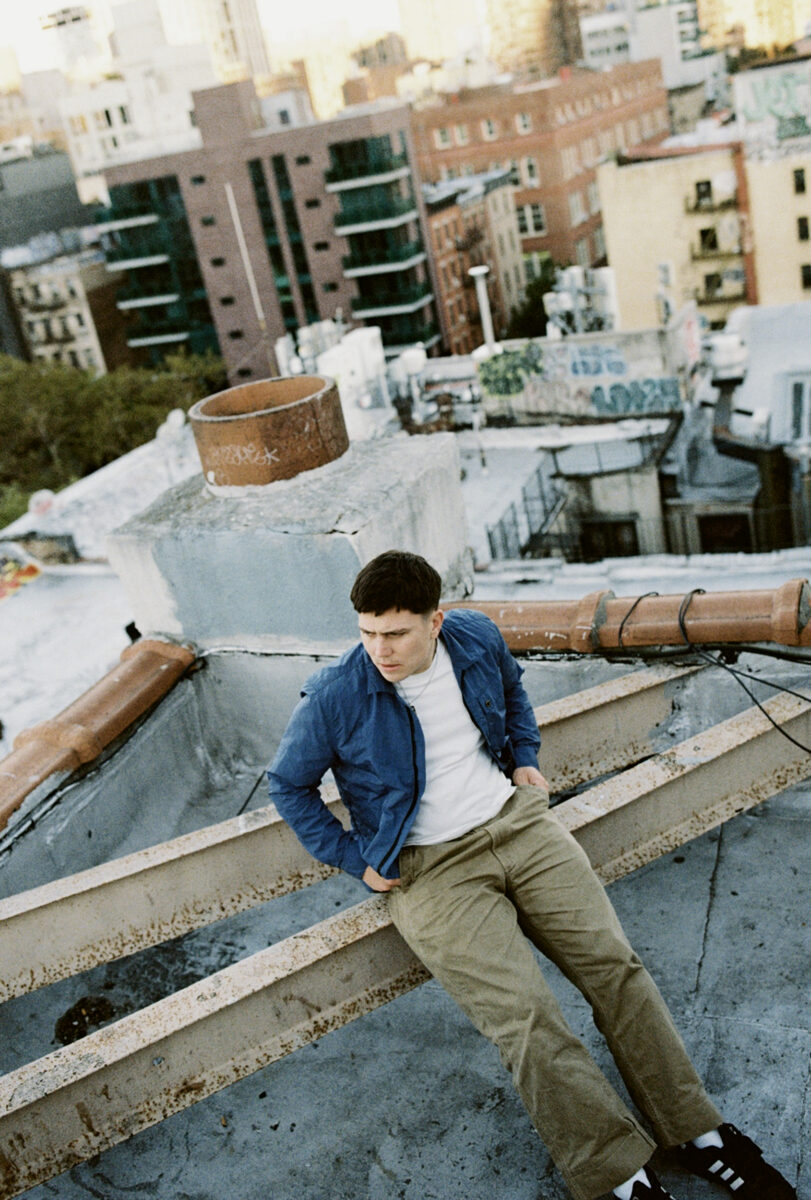
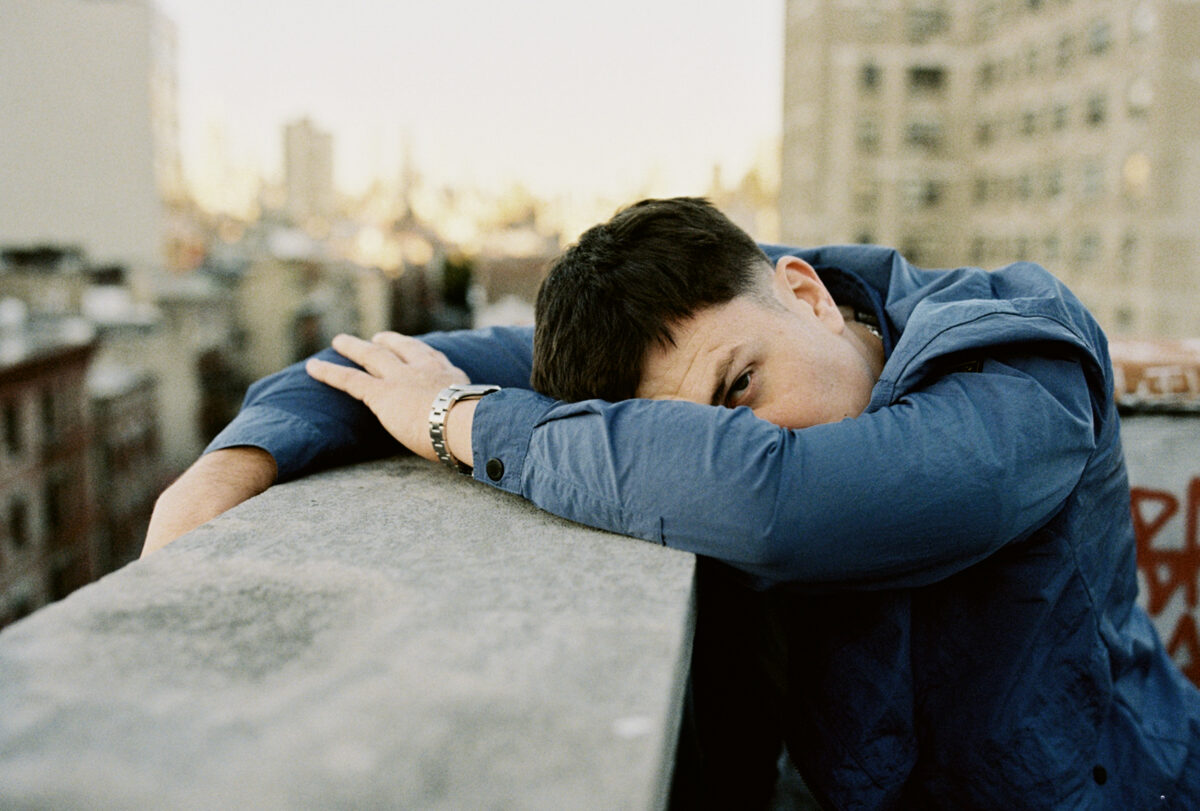
La Face B : Parlons du live. Qu’est-ce que jouer dans les pubs t’a appris par rapport aux premières parties dans les arénas ? Ce sont des expériences très différentes.
Aaron Rowe : J’ai appris la majorité de ce que je sais sur la scène grâce aux pubs. Maintenant que je fais des concerts plus grands, j’ai parfois des flashbacks selon le type de public. Quand je fais mes propres concerts, j’arrive généralement assez tard sur scène et les gens sont déjà chauffés à bloc. Tu montes et tu leur donnes tout.
Mais les premières parties, c’est différent. Parfois il est 17h15, il y a plein de sièges vides et les gens ne sont pas encore là pour la musique. Ça me rappelle les concerts du midi dans les pubs, quand les gens venaient surtout manger un burger et qu’il fallait les conquérir petit à petit. Tu ne pouvais pas arriver en mode “all guns blazing”. Il fallait laisser les gens venir à toi et les séduire avec ton charme.
La Face B : Les premières parties sont fascinantes parce qu’il y a un énorme pouvoir de découverte. Je dis toujours que j’ai découvert Foo Fighters quand ils ouvraient pour Oasis.
Aaron Rowe : Waouh. Sérieux ?
La Face B : Et je pense aussi qu’on apprend le professionnalisme différemment. Tous les artistes à qui je parle — que ce soit Frank Turner ou d’autres — disent qu’on apprend énormément des artistes qu’on accompagne.
Aaron Rowe : Oui, totalement. Apprendre à ralentir, c’est énorme. Quand tu es plus jeune, tu peux arriver sur scène et tout donner immédiatement, mais avec le temps tu réalises qu’il faut laisser respirer les choses. Tu n’as pas toujours besoin de parler ou de t’assurer toutes les deux secondes que tout le monde passe un bon moment. Parfois, simplement être là et ralentir, c’est la meilleure chose à faire.
La Face B : Au début, tu étais beaucoup dans des formats acoustiques, probablement parce que c’est comme ça que tu jouais en live. Mais aujourd’hui avec des morceaux comme “Hey Ma”, “Please Don’t Hate Me” ou même “Exodus”, on sent que ton son s’ouvre davantage.
Aaron Rowe : Clairement. J’expérimente beaucoup plus de sons. J’adore plein de styles différents. Je joue avec des guitares électriques, du piano, des synthés… Et j’ai aussi l’impression qu’il me reste encore beaucoup à explorer dans la musique irlandaise — il y a encore quelques pierres à retourner de ce côté-là. Mais j’ai toujours aimé toutes sortes de musiques, donc à l’avenir j’ai envie de tout faire.
La Face B : Quelle chanson tu préfères jouer sur scène en ce moment ?
Aaron Rowe : Il y a une chanson inédite qui s’appelle “Forever Now” que j’adore jouer. Je l’ai faite à Nashville. C’est assez country et très légère. Ça met vraiment les gens dans l’ambiance.
La Face B : Ce qui contraste beaucoup avec “Please Don’t Hate Me”. Cette chanson est très intense émotionnellement et dans l’interpretation.
Aaron Rowe : Je pense que le contraste est important parce que ça donne du sens aux chansons plus sérieuses. Si toutes les chansons sont tristes et lentes les unes après les autres, tout finit par se ressembler. Mais l’inverse est vrai aussi : si tout est énergique tout le temps, ça ne veut plus rien dire sans des morceaux plus calmes pour casser le rythme.
La Face B : Je trouve d’ailleurs ta musique très cinématographique. En France, il y a un vrai amour pour les groupes irlandais — Fontaines D.C. par exemple — et je trouve que la musique irlandaise fonctionne merveilleusement bien dans les séries actuelles. Des shows comme House of Guinness, Normal People ont mis en avant seulement des artistes irlandais dans leur bande-son. Ta musique pourrait parfaitement trouver sa place dans cet univers-là.
Aaron Rowe : Oui, j’adorerais ça. Honnêtement, je dis souvent que j’aimerais aussi faire un peu d’acting. J’ai toujours admiré le cinéma et les acteurs en général.
La Face B : Dans quel type de films tu te verrais ?
Aaron Rowe : Je suis un gros geek. J’ai toujours adoré les films historiques, la science-fiction… Franchement, j’aimerais tout essayer. Je pense que j’aimerais beaucoup entrer dans un rôle et jouer à partir d’un script.
La Face B : Tu pourrais déjà explorer ça à travers tes clips.
Aaron Rowe : C’est vrai, mais je ne sais pas trop ce que je ressentirais à jouer dans mes propres clips. Je préférerais que quelqu’un d’autre joue le rôle pendant que moi j’écris le brief et le concept de la vidéo.
La Face B : J’ai récemment interviewé Holly Humberstone et elle racontait à quel point elle s’était impliquée visuellement dans son dernier projet — des moodboards, des références Pinterest, toutes ces idées qu’elle voulait traduire visuellement.
Aaron Rowe : Holly est géniale. J’ai écrit une chanson avec elle l’an dernier. Elle est brillante.
La Face B : Comme toi, elle a aussi tourné avec Sam Fender.
Aaron Rowe : Oui, trop cool. Sam Fender — énorme fan. C’est un super ami aussi. Un mec adorable.
La Face B : Alors, quelle est la suite pour toi ?
Aaron Rowe : Je suis actuellement en tournée promo à Paris aujourd’hui, Bruxelles demain, Amsterdam après-demain. Ensuite je rentre, je répète avec le groupe pendant quelques jours et on lance la tournée live complète. J’écris aussi beaucoup plus. Je pars vivre aux États-Unis en juin pendant cinq mois — principalement à Nashville, un peu à Los Angeles. J’aime aussi bouger, donc peut-être un peu New York également.
Et ensuite je vais tourner avec Ed Sheeran quasiment tous les week-ends. Donc oui, ça va être assez intense. Je suis occupé jusqu’à la fin de l’année, en gros.
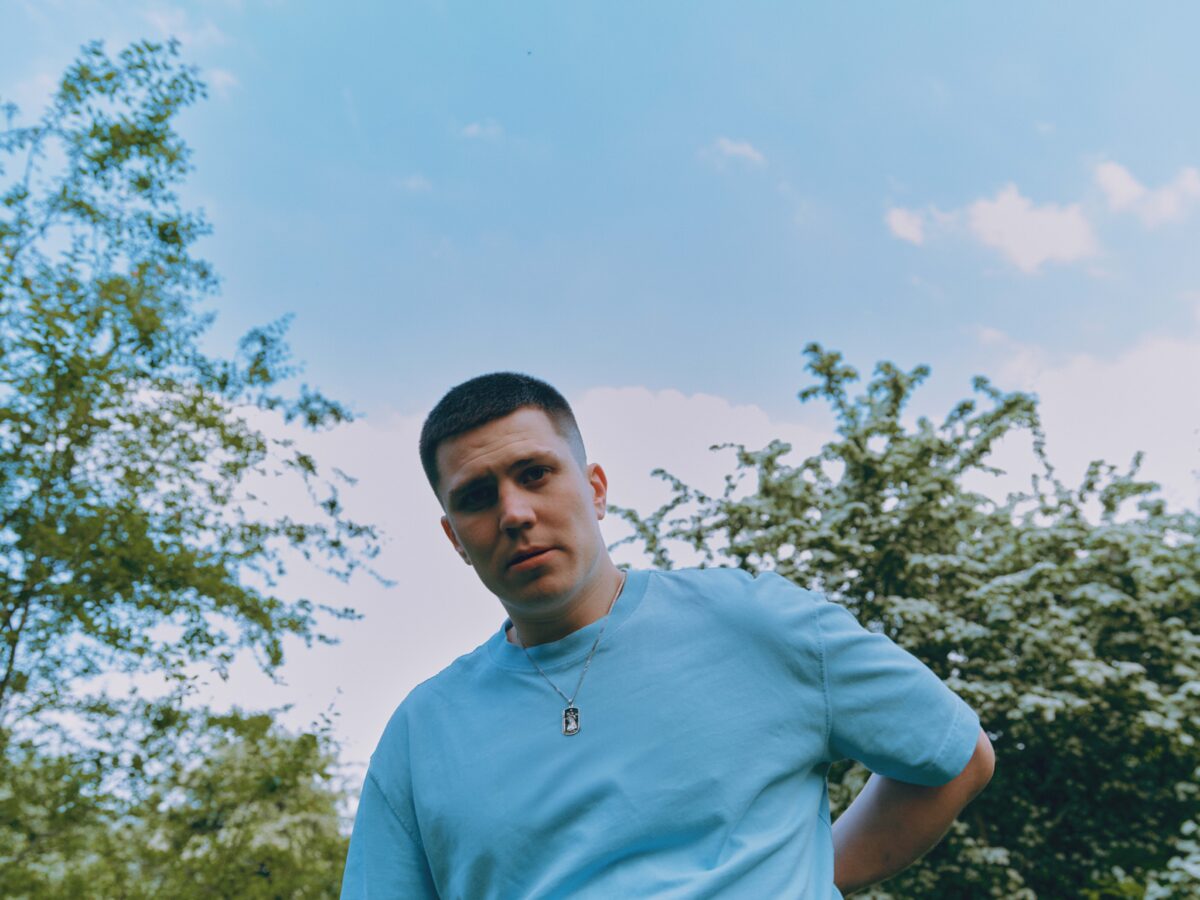
La Face B : Avant de terminer : y a-t-il quelque chose que tu as lu, regardé ou écouté récemment qui t’a inspiré ?
Aaron Rowe : J’essaie de me plonger dans James Joyce en ce moment. Avec ce foutu TDAH, c’est putain de difficile de rester concentré plus d’une ou deux pages — je me retrouve à relire la même page encore et encore. Mais j’ai lu ce petit poème de Charles Bukowski la semaine dernière et ça a fini en chanson. Ça s’appelle Freedom or Loneliness :
« Et quand personne ne te réveille le matin
et quand personne ne t’attend le soir
et quand tu peux faire tout ce que tu veux —
comment appelles-tu ça ?
La liberté ou la solitude ? »
J’ai trouvé ça magnifique.
La Face B : C’est une question incroyablement belle.
Aaron Rowe : J’en ai écrit une chanson. Bukowski est un type sombre.
La Face B : C’est drôle parce qu’hier j’ai acheté trois livres et ils étaient tous écrits par des auteurs irlandais sans même l’avoir prévu. J’ai acheté The Queen of Dirt Island de Donal Ryan et My Coney Island Baby de Billy O’Callaghan et Close to Home de Michael Magee.
Aaron Rowe : Je peux prendre une photo des titres ?
La Face B : Bien sûr. Maintenant on échange des livres et des poèmes — c’est génial. Aaron, merci beaucoup.
Aaron Rowe : Merci à toi.
La Face B : C’était un plaisir de te rencontrer.
Aaron Rowe : Ravi de t’avoir rencontrée aussi. Merci.
Toujours plus d’interviews et de photos de concerts dans La Face B
De plus, suivez Aaron Rowe sur Spotify, en live ou sur Instagram
Enfin, retrouvez les articles d‘Alexia Arrizabalaga-Burns dans La Face B
On vous laisse avec Aaron Rowe en live avec Ed Sheeran
Version en Anglais
La Face B: Hello Aaron, let’s start straight to it. You’ve gone from the Dublin pub circuit to arena stages with Lewis Capaldi, and now you’re touring with Ed Sheeran. When you take a step back, how do you make sense of that journey?
Aaron Rowe: It’s a really difficult question because, still to this day, I’m not really sure exactly how I feel — or what way I should feel about it. I’m just grateful. It was a total surprise to me and the overwhelming feeling has really just been gratitude. But yeah, it still doesn’t really make any sense.
I started playing guitar when I was about 16. Less than two or three months into me playing, I heard “A Team” on the radio. So Ed has always kind of been there. As long as I’ve been a musician, he’s had an influence on me. To be able to call him a friend and to be on tour with him is pretty mad.
La Face B: You must have had a laugh as well touring with Lewis Capaldi.
Aaron Rowe: Yeah, me and Lewis are good mates.
La Face B: He’s very funny.
Aaron Rowe: Yeah, he’s a funny guy. Me and Lewis have the same kind of sense of humour.
La Face B: You must learn a lot along the way, but you must laugh a lot too.
Aaron Rowe: Definitely a lot of laughs. That’s actually how we met. Everyone obviously knows who Lewis is, but he’d never really heard my songs or anything. We just had a buzz together and would go for a few pints. That was it. And here we are now, two years later.
La Face B: You said you started guitar at 16, but how did music first come into your life? When did it shift from something private into something you wanted to share with people?
Aaron Rowe: Pretty much straight away. I was always keen on singing and writing when I was younger, but I was very insecure. Then when I eventually started playing guitar at 16 or so, within about a year it became my full-time job. That’s what I’ve always done for work — I’ve never really had another job.
La Face B: You grew up in Dublin, a city with such a strong musical heritage. There really is something in the water there. How much has that shaped your artistry?
Aaron Rowe: Totally. I didn’t realise when I was younger how heavily it was going to influence me as I got older. Doing the rounds in those pubs and playing all those gigs, you’d pass by windows and hear lads with traditional backgrounds playing. I couldn’t help but admire them.
When I started introducing some of that music into my own life, it really opened my eyes. Sometimes when you’re younger and you hear older records from where you’re from, you cringe a little because you can’t fully see beyond the production. But once I started stripping those songs back to just chords and lyrics, I really understood them. Irish music has such a big place in my heart and it affects everything I do as a musician.
La Face B: How much of Dublin still lives inside your music today?
Aaron Rowe: I think all of it. Being Irish — and being from Dublin in particular — has always been a huge part of my identity. Speaking the Irish language, which not a lot of people do in Ireland, playing Gaelic football, being surrounded by people from that background… it’s all played a huge role in everything I do.
La Face B: I’m Basque, so I totally get it. When I say I’m Basque to Irish people, they immediately know where it is.
Aaron Rowe: Oh beautiful! Yeah, absolutely.
La Face B: And they always have a big smile.
Aaron Rowe: Yeah, 100%.
La Face B: The interview is now getting to a turning point.
Aaron Rowe: Yeah, totally.
La Face B: Now we’re going to talk about “Please Don’t Hate Me”, the new single. Can you describe it in your own words? Or tell us the story behind it?
Aaron Rowe: Everyone’s always really disappointed by the story because a lot of people think it’s about my relationship. In a way it is, but it’s more universal than that. The truth is, I was coming home from Glastonbury, a bit hungover, and my managers were like, “You’ve got to go into the studio.” They’d booked me in with two lads who are actually good friends of mine.
But I was thinking: What’s the point in me going there today? I’m hungover, I barely slept, I’ve just come back from a heavy festival weekend, and now you’re sending me into the studio. I think I hung up the phone pretty abruptly. I walked in and said to the two lads, “I’m a prick, man.” And that’s where the song came from.
Obviously that was only going to get me one verse deep, so then I had to think about all the other times in my life that I’d been a prick. That’s where the second verse came from — drawing on my relationship and other moments in my life. It was definitely good for me to write that song.
La Face B: It’s on paper now.
Aaron Rowe: Yeah, definitely. A bit of humble pie that I served myself.
La Face B: Sometimes a hangover and a trip to Glastonbury are all we need. The song is more than just a breakup song — it’s universal. But it’s also intimate and exposed because, as you said, there’s a lot of admitting things about yourself. Was that a conscious direction?
Aaron Rowe: The first verse just came straight away. Then we were dancing around a few different ideas and the second verse happened within seconds. It just fell out. We recorded it and the whole song came together really fast — probably in less than two hours. And it didn’t really change much between the moment it was written and the moment it was recorded.
La Face B: Let’s talk about “Hey Ma”. Can you tell us the story behind that song?
Aaron Rowe: Yeah. Moving over to London was the first time I’d really stepped away from Ireland, from my family, my friends, my relationship — everything I knew. I remember sitting in this apartment and my ma texted me asking how I was getting on. Meanwhile I’d probably been rotting away in there for two or three days, doomscrolling, sitting surrounded by pizza boxes. And I’m texting back: “Yeah, doing great. Everything’s great.”
La Face B: Who hasn’t done that?
Aaron Rowe: Exactly. I’d had the idea for a song about where I came from for a long time. But I think being away from Ireland allowed me to zoom out and see it properly. I could form a clearer picture by looking at it from afar.
La Face B: How would you describe your music to people who’ve never heard you before?
Aaron Rowe: It’s honest. It’s quite Dublin. I tell stories — not always my own story, although sometimes they are. I want to represent the people who come from the same place I do.
James Joyce once said: “In the particular contains the entire universe.” I think when you write about things that are very specific, people from completely different places can still connect to them because everyone has their own version of whatever that thing is.
La Face B: Let’s talk about the live experience. What did playing pubs teach you compared to supporting artists in arenas? They’re very different experiences.
Aaron Rowe: I learned the majority of what I know about playing live from pub gigs.
Now that I’m doing bigger shows, I get flashbacks depending on the kind of crowd. If I’m doing my own headline show, I’m usually on late enough that everyone’s already geared up and ready. You go out there and give them everything.
But support slots can be different. Sometimes it’s quarter past five in the afternoon, there are loads of empty seats and not many people are there for the music yet. It reminds me of lunchtime pub slots when people were just out for a burger and you had to slowly win them over. You couldn’t go out all guns blazing. You had to let people come to you and win them over with charm.
La Face B: Supporting artists is such an interesting exercise because there’s so much power in discovery. I always say I discovered Foo Fighters when they supported Oasis.
Aaron Rowe: Wow. There you go. Really?
La Face B: And I think you learn professionalism in a different way too. Every artist I speak to — whether it’s Frank Turner or someone else — says you learn so much from the artist you support.
Aaron Rowe: Yeah, totally. Learning to slow down is a huge thing. When you’re younger you can go out there and give absolutely everything, but eventually you realise you need to leave space. You don’t always need to be talking or making sure everyone’s having a good time every second. Sometimes just being there and slowing down is the best thing you can do.
La Face B: You leaned heavily into acoustic formats in the beginning, probably because that’s how you performed live. But now with songs like “Hey Ma”, “Please Don’t Hate Me” or even “Draw the Line”, it feels like you’re opening the sound up more.
Aaron Rowe: Definitely. I’ve been playing around with different sounds. I’m a big fan of loads of genres. There’ve been electric guitars, piano stuff, synth ideas… I still feel like I’ve got more to give with Irish music too — there are still a few stones left to turn over there. But I’ve always loved all kinds of music, so in the future I want to do it all.
La Face B: Which song do you love playing live the most right now?
Aaron Rowe: There’s an unreleased song called “Forever Now” that I’ve loved playing. I did it in Nashville. It’s kind of country and very light-hearted. It gets people buzzing.
La Face B: Which contrasts a lot with “Please Don’t Hate Me”. That song feels very intense and emotional.
Aaron Rowe: I think the contrast is important because it makes the serious songs mean something. If every song is sad and slow one after another, it all starts sounding the same. But the same goes the other way — if it’s all high energy all the time, it means nothing without the quieter songs to break it up.
La Face B: I actually find your music quite cinematic. France has such a love for Irish bands — Fontaines D.C. for example — and I always think Irish music works brilliantly in television dramas. Shows like Normal People were so careful about showcasing Irish artists in their soundtrack. Your music feels like it would fit perfectly in that world.
Aaron Rowe: Yeah, I’d love that. Honestly, I keep saying I’d love to do some acting as well. I’ve always admired film and actors in general.
La Face B: What kind of films do you see yourself in?
Aaron Rowe: I’m a big geek. I’ve always loved period dramas, sci-fi… honestly I’d love to do anything. I think I’d enjoy stepping into a role and playing to a script.
La Face B: You could already explore some of that through your music videos.
Aaron Rowe: That’s true, but I don’t know how I feel about acting in my own thing. I’d rather have someone else play the role while I write the brief for the video.
La Face B: I interviewed Holly Humberstone recently and she was saying how involved she became visually with her latest project — moodboards, Pinterest references, all those ideas she wanted translated visually.
Aaron Rowe: Holly’s great. I actually wrote a song with Holly last year. She’s brilliant.
La Face B: She toured with Sam Fender as well.
Aaron Rowe: Yeah, really cool. Sam Fender — big fan. Great friend. He’s a lovely guy.
La Face B: So what’s next for you?
Aaron Rowe: I’m on my own headline tour at the moment. I’m in Paris today, Brussels tomorrow, Amsterdam the day after that. Then I go home, rehearse with the band and start the full tour. I’m writing a lot more too. I’m moving to America in June for five months — mostly Nashville, a little bit of LA. I like moving around, so maybe a bit of New York too. And then I’ll be touring with Ed Sheeran every weekend more or less. So yeah, it’s going to be pretty full-on. I’m basically busy until the end of the year.
La Face B: Before we finish — is there anything you’ve watched, read or listened to recently that’s inspired you?
Aaron Rowe: I’ve been trying to get into James Joyce recently. With the whole ADHD thing it’s fucking hard to focus on more than one or two pages — I find myself rereading the same page over and over.
But I read this short poem by Charles Bukowski last week and ended up writing a song about it. It’s called Freedom or Loneliness:
“And when nobody wakes you up in the morning
and when nobody waits for you at night
and when you can do whatever you want —
what do you call it?
Freedom or loneliness?”
I thought that was lovely.
La Face B: It’s such a beautiful question.
Aaron Rowe: I wrote a song about it. He’s a dark guy, Bukowski.
La Face B: It’s funny because yesterday I bought three books and they were all by Irish authors without even planning it. I bought The Queen of Dirt Island by Donal Ryan and My Coney Island Baby by Bill O’ Callaghan and Close to Home by Michael Magee.
Aaron Rowe: Can I take a picture of those titles?
La Face B: Of course. We’re swapping books and poems now — that’s brilliant. Aaron, thank you very much.
Aaron Rowe: Thank you so much.
La Face B: It’s been lovely meeting you.
Aaron Rowe: Great to meet you too. Thanks.