
Interviews
Retrouvailles avec Asaf Avidan
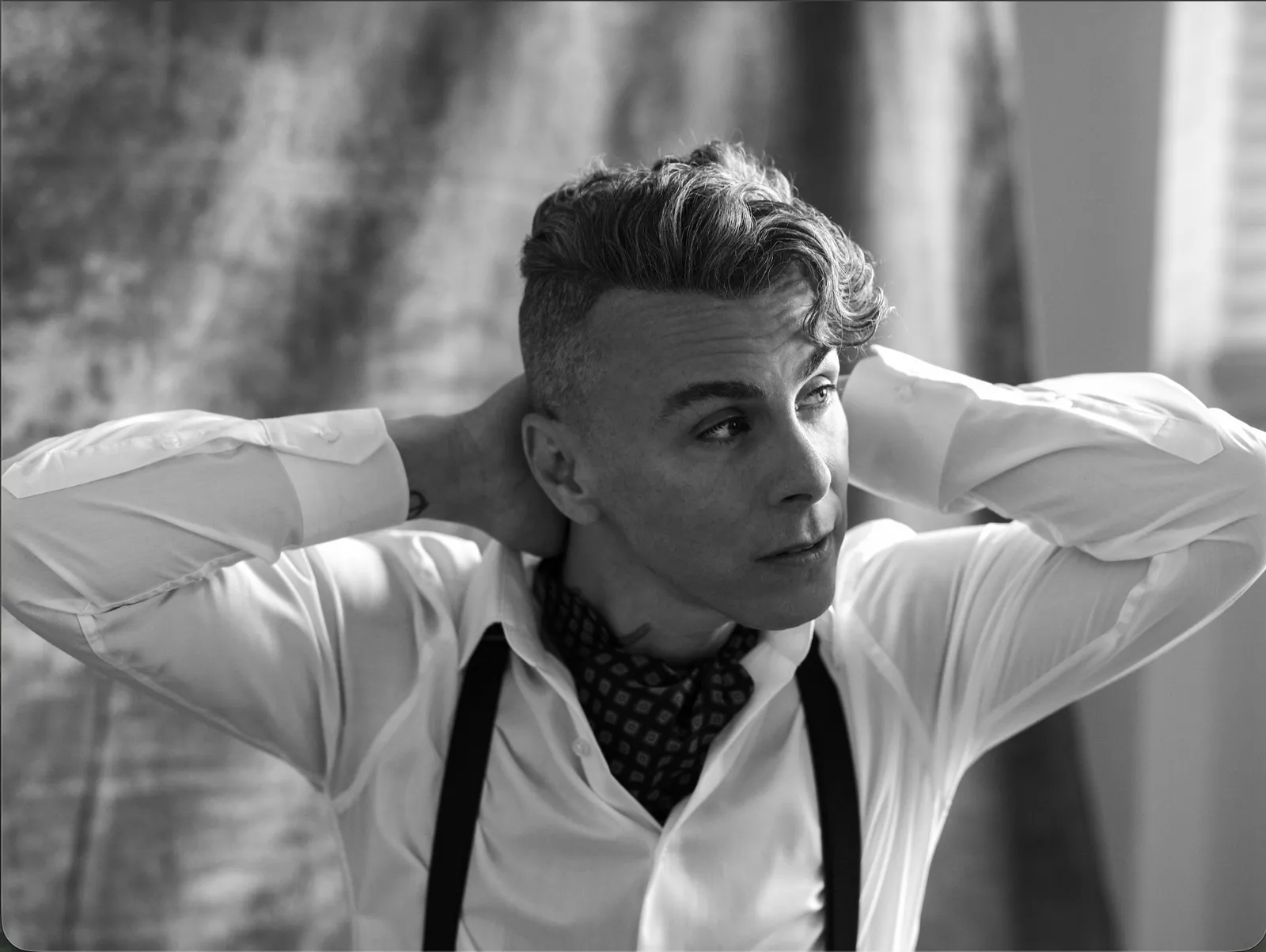
Nous avons eu le plaisir de retrouver Asaf Avidan à Paris pour une nouvelle conversation, à l'occasion de la sortie de Lost Ballads Part One, attendu le 13 novembre. Un projet singulier, né en parallèle d'Unfurl, qui nous invite à découvrir une autre facette de l'artiste, entre retour aux sources, intimité et exploration musicale. L'occasion d'échanger avec lui sur ces chansons emplies de poésie, sur son rapport à l'écriture, à la création et à cette identité artistique qui ne cesse d'évoluer. De ses inspirations musicales et littéraires à ses prochaines retrouvailles avec l'Orchestre Lamoureux, Asaf Avidan se livre avec la sincérité et la sensibilité qu'on lui connaît.
« Lorsque je me suis lancé dans l'aventure folle de l'écriture de Unfurl, j'étais conscient à quel point ce projet s'éloignait de ma zone de confort en tant qu'artiste. Alors, comme pour m'accorder la liberté d'explorer ce labyrinthe, j'ai entrepris un second projet en parallèle. Lost Ballads était mon fil d'Ariane… une fenêtre ouverte sur quelque chose de familier. »
Retrouvez notre interview d'Asaf Avidan pour la sortie de Unfurl - https://danstafaceb.com/rencontre-avec-asaf-avidan
La Face B : Hello Asaf, quel plaisir de te revoir !
Asaf Avidan : Quel plaisir de te revoir aussi ! À Paris, et avec du soleil en plus ! Ça fait combien de temps qu'on ne s'est pas vus ?
La Face B : Depuis la sortie d'Unfurl. Nous avions eu une longue conversation autour de l'album.
J'aimerais aujourd'hui parler de Lost Ballads Part One, ton nouveau projet qui sort le 13 novembre. On est ravis de le découvrir, d'autant que son titre laisse présager une deuxième partie ! Tu as écrit ces chansons parallèlement à ton travail sur Unfurl, que tu as décrit comme une aventure qui t'avait emmené très loin de ta zone de confort. Lost Ballads, à l'inverse, semble renouer avec un fil plus familier de ton univers. Revenir à ces chansons était-ce une manière de retrouver tes repères, de te reconnecter à quelque chose que tu poursuivais pendant que tu explorais de nouveaux territoires artistiques ?
Asaf Avidan : C'était même plus profond que ça. Unfurl, c'était le labyrinthe. C'était moi qui m'aventurais dans une exploration de l'abîme, sans savoir ce qui allait en ressortir. Comme je l'ai écrit dans le communiqué de presse, ce projet m'a vraiment fait sortir de ma zone de confort.
Il y avait de la musique orchestrale et cinématographique, alors que je ne suis pas orchestrateur, même si j'écrivais des parties pour l'orchestre. Il y avait du rap, et je ne suis certainement pas rappeur, mais je me suis soudain mis à explorer cette voie. Il y avait beaucoup de jazz et de pop des années 1950, et toutes sortes d'éléments qui me donnaient l'impression de perdre complètement mon identité, quelle que soit la signification de ce mot pour un artiste.
J'ai donc décidé de travailler sur Lost Ballads en parallèle. C'était mon chemin à travers le labyrinthe, mon fil d'Ariane, quelque chose qui me rappelait : « D'accord, voilà qui je suis. Voilà mon fonds de commerce. »
Mais ce qui est intéressant, c'est que lorsque j'écoute les deux albums à la suite, oui, ils sont esthétiquement différents, mais ils sont tous les deux moi. Ce sont différentes facettes de ma personnalité. Ce qui avait commencé comme un filet de sécurité pour Unfurl est devenu un véritable projet à part entière, un album qui, à mon sens, mérite de sortir. Au moment où je l'ai enregistré, je ne savais même pas si j'allais le publier. C'était vraiment une manière de me protéger.
Aujourd'hui, en le réécoutant, et tu as raison, il y aura bien une deuxième partie dans quelques mois. Je suis heureux de sortir ces chansons et fier de ce qu'elles sont, à leur manière. Elles sont très différentes d'Unfurl. Elles ne cherchent pas à provoquer une nouvelle révolution dans ma manière d'être artiste, mais elles sont intimes et sincères. Et je crois que c'est tout ce dont une bonne chanson a besoin.
La Face B : Tu as régulièrement collaboré avec Tom Cohen au fil des années. Comment se construit votre dialogue musical sur Lost Ballads ? Arrives-tu généralement avec une chanson déjà complètement définie dans ton esprit ou lui laisses-tu la liberté d'imaginer les arrangements et d'emmener la musique vers des territoires inattendus ?
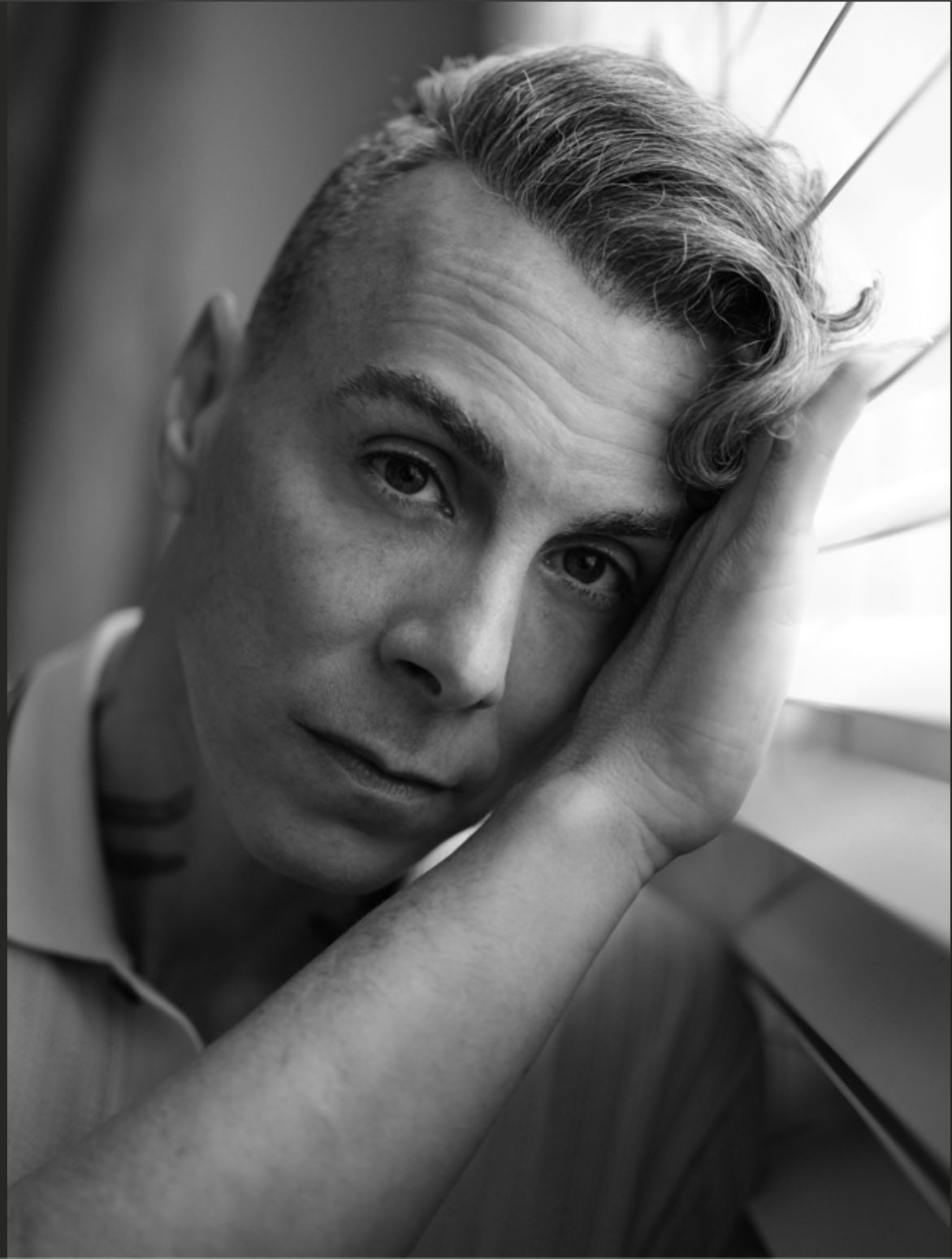
Asaf Avidan : Tom Cohen... Je l'ai rencontré lors d'un concert que nous avons donné ensemble. En réalité, nous ne travaillons pas ensemble depuis si longtemps, même si j'ai l'impression que cela fait des années. Je l'ai rencontré grâce à son magnifique orchestre, qui rassemble des musiciens juifs et des Arabes musulmans. C'est un très beau projet collectif qui s'appelle East and West Jerusalem Orchestra. J'aimais énormément ce qu'il faisait, alors je suis allé jouer avec eux.
Je suis vraiment tombé sous le charme de Tom parce que, même si son domaine de prédilection est de mêler les musiques orientales et occidentales, c'est avant tout un explorateur. Comme moi, il ne s'intéresse pas vraiment aux genres musicaux. Ce qui compte pour lui, c'est la musique. Peu importe d'où elle vient. Nous avons donc eu une véritable connexion artistique et nous avons ensuite réalisé Unfurl ensemble.
Puis je lui ai dit : « Écoute, j'ai un autre projet. C'est presque l'opposé d'Unfurl. C'est quelque chose de très dépouillé. » Et il m'a répondu : « D'accord, je vais écrire pour un grand orchestre. » Je lui ai dit : « Non, non, non, non, non ! Tu as droit à quatre musiciens. C'est tout ce que tu auras ! »
J'aimerais être quelqu'un qui laisse beaucoup de liberté aux autres, mais ce n'est pas vraiment le cas. Je lui en laisse une certaine, parce que je veux que son talent et sa sensibilité puissent s'exprimer dans la musique, mais j'arrive avec des choses déjà très abouties. Dans mon processus d'écriture, j'enregistre beaucoup d'éléments pour mes maquettes. L'arrangement fait déjà largement partie de la composition elle-même.
Il a donc son mot à dire. Sinon, il ne ferait pas ce travail ! Mais j'apprends à lâcher davantage prise sur les arrangements. Quand j'écoute Lost Ballads, j'entends clairement des éléments qui appartiennent à Tom. Il n'est pas seulement chef d'orchestre et compositeur, il joue aussi de la mandoline. On entend d'ailleurs une mandoline dans Prelude to Diaspora, et c'est lui qui en joue sur l'album. Je crois que notre relation devient de plus en plus étroite.
La Face B : Il y a quelque chose de très organique dans ces arrangements, avec des sonorités presque tangibles. On retrouve également des influences jazz qui traversent les morceaux. Quelles influences musicales ont façonné ce projet ? Et dans quelle mesure le regard de Tom Cohen a-t-il changé ta manière d'entendre et de comprendre ta propre musique ?
Asaf Avidan : Oh, c'est une bonne question ! Je crois qu'il y a quelque chose qui relève d'un retour aux fondamentaux sur cet album. On peut y entendre Leonard Cohen, Nina Simone, un peu de Billie Holiday. Si je devais identifier les principales influences de l'EP Lost Ballads, je dirais les chanteurs et les auteurs-compositeurs. Ce sont les références qui me viennent à l'esprit.
Qu'est-ce que cela dit de moi ? Que je suis prêt à me laisser déployer, à me laisser aller, mais seulement jusqu'à un certain point. Il y a une partie de moi qui reste attachée à une certaine idée de moi-même, à quelque chose que je conserve depuis des années.
Je ne dis pas cela pour me juger, même si ça peut donner cette impression. Je pense que c'est tout à fait légitime. L'idée d'une identité fixe, d'un moi immuable, est fictive. Je crois que nous nous accrochons à une structure qui nous est imposée, quelque chose qui n'est pas nécessairement réel. Mais je pense aussi que c'est profondément humain.
C'est très humain d'avoir besoin d'une forme. Et je crois que cet album revient à dire : « D'accord, voilà une partie de ma forme, quelque chose que je ne suis pas prêt à abandonner extérieurement. »
Alors oui, lorsque je reviens aux fondamentaux, ce sont toujours Cohen et Dylan, Nina Simone et Billie Holiday. Des artistes de cette trempe, des chanteurs et auteurs-compositeurs d'il y a cinquante ou soixante ans.
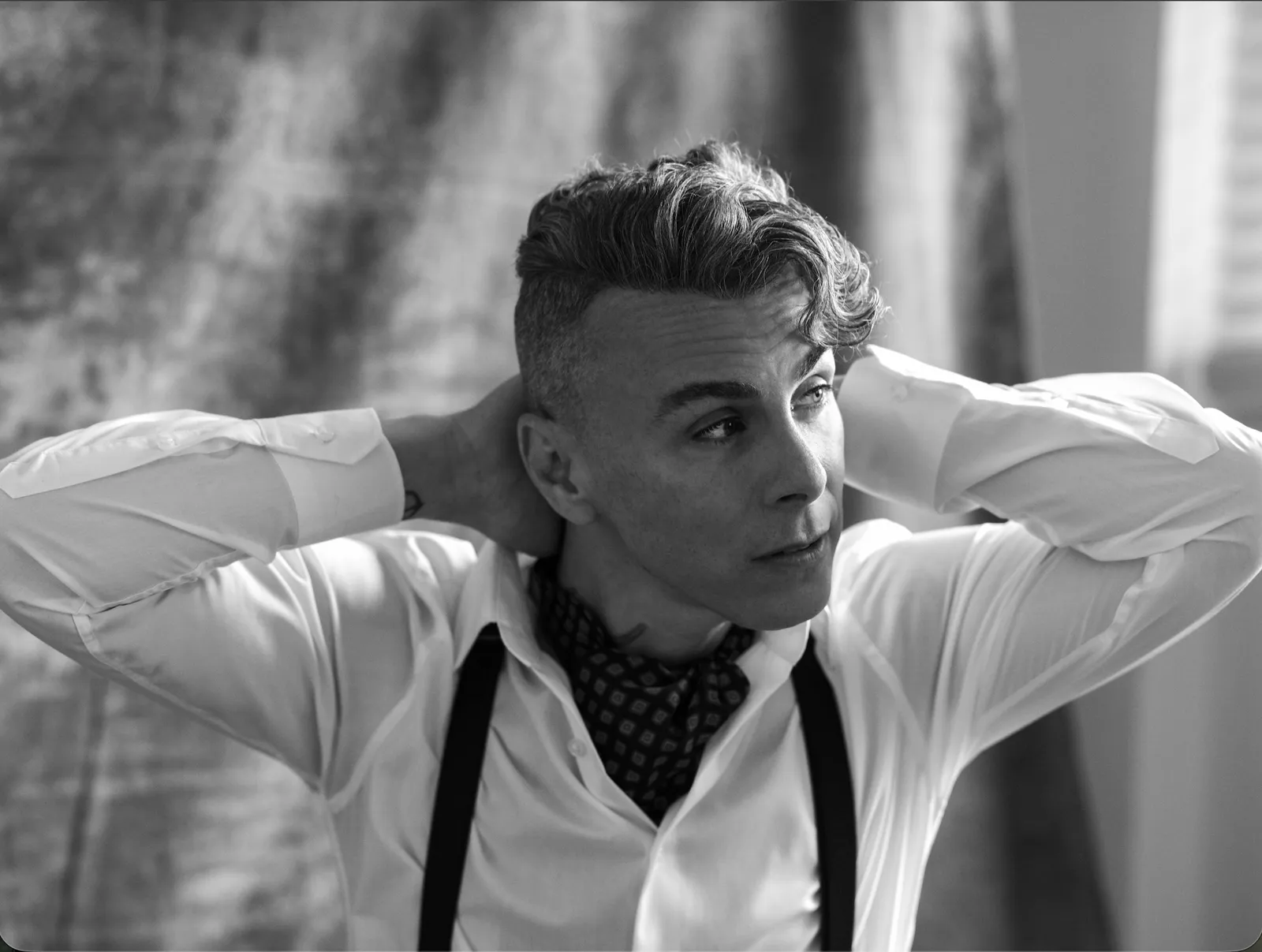
La Face B : J'aimerais parler de Summer Rain. Il y a une véritable douleur dans ta voix. Tu sembles habiter chaque émotion, et le clip la rend presque palpable dès les premières notes. Le morceau gagne progressivement en intensité, les couches sonores s'accumulent, mais il reste profondément intime. Il possède aussi quelque chose d'universel et de familier dans ton univers musical. La chanson est-elle venue naturellement lorsque tu l'as écrite ou est-ce un morceau auquel tu as dû revenir des années plus tard ? Et que représente-t-elle pour toi aujourd'hui ?
Asaf Avidan : Tout le principe de Lost Ballads, c'est qu'il s'agit de chansons qui ont survécu à mon processus d'écriture. Mon processus d'écriture est assez violent. Je tue les chansons avant même qu'elles soient nées. Mon travail d'édition est plutôt brutal : soit elles sont bonnes immédiatement, soit elles sont éliminées.
Je ne fais pas partie de ces artistes qui arrivent en studio avec trente chansons, choisissent les dix meilleures et en font un album. J'arrive avec peut-être onze chansons. Il y en a toujours une que j'ai écrite et que j'ai laissée vivre parce que je sentais qu'elle avait une raison d'exister, mais qui, pour une raison ou une autre, n'a pas été retenue. Peut-être qu'elle ne correspondait pas esthétiquement à l'album, ou qu'elle se situait, sur le plan thématique, quelque part entre le projet précédent et le suivant. Elle ne parlait pas vraiment des mêmes choses.
Il y a toute une recherche qui précède la naissance d'un album. Parfois, on peut entendre des chansons qui appartiennent à cette recherche, mais pas à l'album lui-même.
Au fil des années, j'ai accumulé quelques-unes de ces chansons. Pas énormément, mais suffisamment pour remplir une sorte de petit placard métaphorique, quelque part au fond de ma tête. En général, je les oublie. Mais ces chansons voulaient vraiment être entendues. Elles ne me laissaient pas tranquille. Elles continuaient à pleurer dans un coin de ma tête comme des petits chiots abandonnés, jusqu'à ce qu'elles me poussent à revenir vers elles.
Avec Lost Ballads, je ne voulais pas simplement réenregistrer des chansons que j'avais écrites dix ans auparavant. Je voulais les réexaminer, les explorer à nouveau. Sinon, ce serait du réchauffé. J'ai repris tout ce corpus de chansons qui n'avaient jamais vu le jour et je me suis demandé lesquelles je pouvais encore chanter aujourd'hui, lesquelles étaient capables de me faire ressentir quelque chose de sincère dans le présent.
Summer Rain fait partie des chansons qui n'ont nécessité aucune réécriture. Il n'y a pas eu de nouveau refrain, pas un seul nouveau mot. C'est une chanson très modeste, presque naïve. Elle est sans prétention. C'est une petite chanson qui a précisément vocation à rester petite. C'est simplement moi qui pleure une forme de fragilité qui pouvait parler à la personne dont il était question : cette attirance, cette fragilité familière, cette impression de reconnaître sa propre vulnérabilité chez l'autre. Mais il y avait toujours cette conscience que cette fragilité allait aussi, de manière presque fataliste, conduire à la destruction.
La Face B : Dans le clip, tu sembles presque épuisé, comme si tu sortais d'une dispute ou peut-être d'un mariage. Ta cravate est défaite, ta chemise ouverte, et tu portes sur tes épaules tout le poids de cette relation que tu décris si bien. Il y a aussi ce pont au piano, avec quelque chose de très Piazzolla, entre tango et jazz. Ton corps commence à bouger et tu sembles entrer dans ta propre bulle de douleur, ou dans ce que tu traverses à cet instant.
Puisque tu as coréalisé le clip, comment as-tu abordé la traduction de cette tension émotionnelle en mouvement physique ? Et voyais-tu cette vidéo comme une manière de raconter l'histoire de la chanson, de révéler quelque chose que les paroles ne pouvaient pas vraiment exprimer ?
Asaf Avidan : Lorsque j'ai approché mes deux partenaires pour leur dire que je voulais réaliser quelques vidéos pour ce projet, je leur ai dit que je voulais faire la chose la plus simple au monde. Je voulais quelque chose d'extrêmement vulnérable. Je voulais que cela ressemble à la manière dont je suis lorsque je me retrouve seul sur scène.
Puis j'y ai réfléchi, et c'était presque une décision consciente de faire quelque chose de très différent de notre approche pour Unfurl. Ces clips étaient de grandes productions, conçues pour donner l'impression de voir un personnage, un acteur interprétant un rôle dans le décor d'un film des années 1950. Mais je crois que ces deux approches me ressemblent. Tout cela, c'est moi. Ce sont simplement différentes versions de moi-même. Tout dépend de ce que je pense que la musique réclame pour que je puisse servir la chanson au mieux.
Pour servir cette chanson en particulier, qui est un moment tellement fragile et intime, je voulais une vidéo fragile, intime et sans prétention. Presque ce que l'on appelle un visualiseur dans l'industrie. Nous n'essayons pas de construire une histoire, nous voulons simplement montrer la dimension brute de la chanson.
Lorsque je monte sur scène chaque soir pendant la tournée Unfurl, et même avant cela, je porte un costume complet. Je suis cet acteur des années 1950. J'ai tout un salon, avec mon petit bar. Je ne sais pas si tu as déjà vu le spectacle, mais petit à petit, j'ai chaud. La veste devient trop encombrante, alors je la pose sur un portant. Je desserre ma cravate, j'ouvre quelques boutons, et peut-être que je finis par enlever ma chemise...
J'ai expliqué à mes partenaires que je voulais retrouver l'homme qui apparaît à la fin du spectacle. Celui qui est épuisé, fatigué, mais qui continue de pleurer de tout son cœur parce qu'il reste encore des choses à extraire de cette serviette, déjà complètement imbibée de larmes et de sueur.
C'est cet homme que je voulais dans cette vidéo.
Et lorsque les prochains visualiseurs sortiront pour les autres chansons, tu verras que ce ne sera pas toujours la même personne. Le décor restera identique, mais il y aura différentes incarnations de cette fragilité.
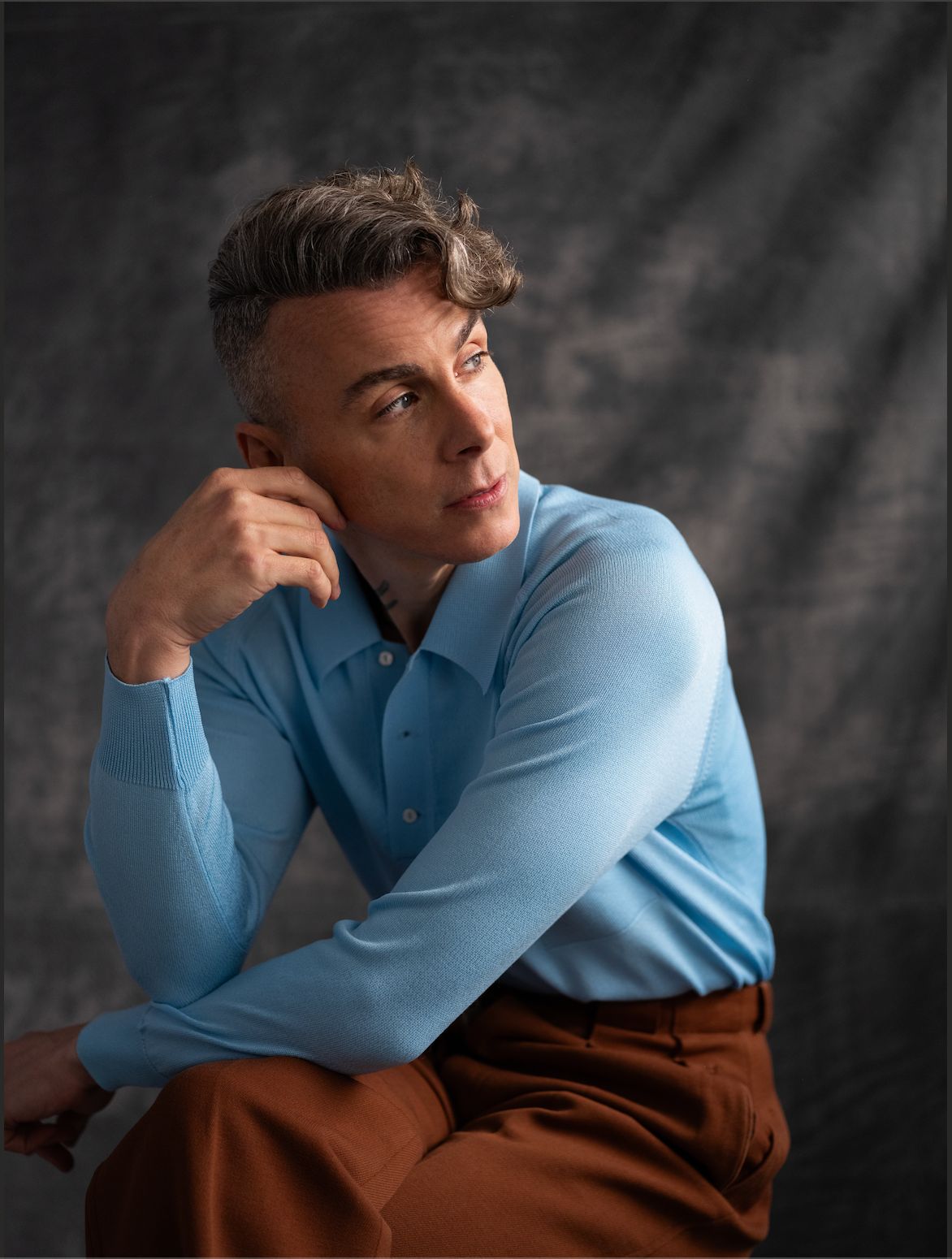
La Face B : J'aimerais parler de Prelude to Diaspora. C'est une chanson qui me touche particulièrement parce que je suis moi aussi issue de la diaspora. Elle m'évoque la douleur de devoir partir, d'être arraché à un lieu, à une histoire ou à une identité. Dans un monde marqué par les génocides, les guerres et les déplacements forcés de populations, je pense notamment à la Palestine, au Soudan, à la République démocratique du Congo et au Liban. Vois-tu cette chanson comme un reflet de notre époque ou est-elle née d'une réflexion plus personnelle et universelle sur l'exil ?
Asaf Avidan : Je dirais plutôt la deuxième option. Mais cela ne signifie pas que tout ce qui se passe dans le monde m'est invisible ou que cela n'a aucun rapport avec cette chanson.
Tout d'abord, en tant que descendant de Juifs, même si je ne pratique pas le judaïsme, je suis issu de cette tradition. Pour nous, la diaspora renvoie à un moment et à un lieu très précis, il y a 2 000 ans, lors du siège de Jérusalem par les Romains. C'est de cela que parle la chanson. J'ai lu un récit historique incroyablement détaillé de ce siège, et la violence grotesque ainsi que le désespoir qui y étaient décrits m'ont profondément bouleversé. Je n'arrêtais pas de repenser à ces images viscérales.
Mais, bien sûr, la chanson ne parle pas réellement de cet événement historique. Ces images sont devenues des métaphores d'une diaspora personnelle.
La chanson s'intitule Prelude to Diaspora. Elle parle de ce moment de rupture, de fracture. Quand on connaît l'histoire de cet événement, on comprend qu'il a conduit un peuple à vivre pendant 2 000 ans sans terre où habiter. Mais il ne s'agit pas nécessairement de ce peuple. Cela pourrait être n'importe qui.
Je pense qu'il y a quelque chose d'universel dans le fait de traverser un moment où l'on est déjà capable de se projeter dans l'avenir et de comprendre ce qui nous attend. Ce n'est pas si éloigné de l'idée de « One Day, Baby, We'll Be Old », et de cette réflexion sur l'histoire que nous aurions pu raconter. C'est cette sensation que le présent me révèle quelque chose de l'avenir, quelque chose qui va me briser le cœur. Qui va me faire pleurer. Qui va me briser le cœur à travers plusieurs générations métaphoriques de moi-même.
Au bout du compte, c'est une métaphore de ma relation amoureuse. Mais je ne crois pas qu'une chanson ne parle jamais que d'une seule chose.
Et c'est justement ce qui est magnifique. J'en parle beaucoup sur scène : nous vivons dans un monde qui utilise un langage extrêmement binaire. Des uns et des zéros. Nous et eux. Le bien et le mal. Les gens regardent la réalité de cette manière, pas seulement sur le plan politique et social, mais aussi à travers les mots qu'ils emploient, leurs philosophies et leurs idéologies.
Je pense que la beauté de l'art réside précisément dans le fait qu'il n'est jamais noir ou blanc. Il est interprétable. Et je ne veux pas seulement dire que chacun peut y comprendre quelque chose et trouver sa propre interprétation. Nous changeons. Une chanson qui nous a touchés il y a deux jours peut avoir une signification complètement différente aujourd'hui parce que nous sommes devenus quelqu'un d'autre. Elle grandit avec nous et devient ce dont nous avons besoin à un moment donné.
Et moi aussi, en tant qu'artiste, j'y découvre des choses différentes. Je trouve cela magnifique. Alors, si tu me demandes de quoi parle cette chanson et que tu me proposes les options A, B, C ou D, je te répondrai oui à chacune d'entre elles. C'est vrai. Tu as raison.
La Face B : Tes textes se situent souvent quelque part entre l'écriture de chansons et la poésie. Tu crées des images très fortes tout en laissant une grande place à l'interprétation. Es-tu un grand lecteur ? Quels écrivains, poètes et livres ont influencé ta manière d'écrire ? Et la littérature nourrit-elle directement ton travail de compositeur ?
Asaf Avidan : Waouh ! Je ne sais pas vraiment ce que signifie être un grand lecteur. J'imagine qu'il existe toute une échelle de personnes qui lisent plus ou moins que les autres. En tout cas, je lis. Et je lis des choses très variées : de la poésie, de l'histoire, de la fantasy, de la mythologie, de l'anthropologie. Je lis notamment des auteurs qui explorent ces sujets, dont nous avions déjà parlé à propos d'Unfurl : Jung, Joseph Campbell, des penseurs qui s'intéressent à la mythologie et à la psychologie.
Donc oui, je lis pas mal de choses. Mais je dois dire que, lorsque je pense à la poésie qui me touche réellement et qui influence directement mon travail, ce ne sont pas nécessairement les poètes que je lis. Ce sont souvent les auteurs-compositeurs. Moi, je les appelle des poètes. Je crois que c'est bien comme ça qu'on les appelle ! L'un d'eux a même remporté le prix Nobel de littérature : Dylan.
Anne Carson est une autre de mes grandes favorites. Elle s'intéresse elle aussi énormément à des choses qui me passionnent, notamment la poésie grecque. Et Leonard Cohen est partout. On le retrouve à travers tout l'album. Pendant des années, j'ai dit que Dylan et Cohen étaient mes deux piliers en matière d'écriture de chansons.
Mais avec le temps, je trouve de plus en plus de grâce chez Leonard Cohen. Je pense toujours que Dylan est probablement le plus grand auteur. Pas seulement à mes yeux, évidemment. C'est une montagne colossale que personne ne peut vraiment atteindre.
Mais chez Leonard Cohen, ce n'est pas seulement son écriture qui me touche. C'est toute son essence : sa manière de donner des interviews, de se comporter, sa quête personnelle. Le fait d'être parti vivre sur l'île d'Hydra, puis de devenir moine pendant sept ans, de traverser la dépression et l'alcoolisme, avant de revenir à ses racines familiales et à sa tradition vers la fin de sa vie... Tout cela me touche d'une manière particulière. Et sa poésie aussi, même si elle est très différente de la mienne.
Je pense qu'il est beaucoup plus humain que moi ! Il parle de relations amoureuses, de sexualité. C'est un poète plus ancré dans les années 1960, plus viscéral, plus terrestre. Moi, j'écris sur... disons que je suis beaucoup plus mélodramatique que lui !
Mais ce sont ces artistes qui me touchent vraiment lorsque j'écris. Et bien sûr, un livre d'histoire peut lui aussi finir par trouver sa place dans une chanson comme Prelude to Diaspora.
Between These Hands est née après que j'ai vu Roma, d'Alfonso Cuarón. Elle a même été écrite pour Alfonso Cuarón, parce que le film n'a pas de bande originale. Il avait organisé une projection en avant-première pour des artistes qu'il appréciait et leur avait demandé d'écrire des chansons inspirées du film. Finalement, n'importe quoi peut trouver son chemin jusque dans ma musique.
Je lis aussi des ouvrages scientifiques sur l'hypothalamus et le cerveau, et cela finit par se retrouver dans une chanson comme Ode to My Thalamus. Tout est poésie.
La Face B : Les 18 et 19 novembre, tu présenteras Unfurl avec l'Orchestre Lamoureux à la Seine Musicale. À l'approche de ces concerts, qu'est-ce qui t'enthousiasme le plus ? As-tu été surpris par la manière dont le public s'est approprié Unfurl sur scène et par les réactions suscitées par ces concerts ?
Asaf Avidan : Oui et non. J'ai été surpris parce qu'Unfurl est un projet tellement complexe, tellement singulier et théâtral que, comme nous le disions tout à l'heure, Lost Ballads était une manière de me protéger. Je savais que c'était risqué pour moi. Je pensais que j'allais peut-être perdre tout mon public, mais les gens ont accueilli ce projet avec tellement de chaleur.
Si je ne suis pas surpris, c'est parce que je pense sincèrement que c'est mon meilleur spectacle à ce jour. Cela fait vingt ans que je fais ce métier. J'aime énormément de moments dans ma carrière, mais ce spectacle est d'une précision incroyable. Il est tellement proche de ce que j'avais imaginé. Et c'est quelque chose que l'on obtient rarement en tant qu'artiste.
Surtout lorsqu'on est un artiste comme moi. Je ne suis pas un artiste pop. Je n'ai pas les budgets dont dispose le monde de la pop. Je suis un artiste alternatif, alors je dois constamment faire des compromis, encore et encore, particulièrement pour les concerts. Faire venir des bus, des équipes, prévoir la restauration, la sécurité... Tout cela coûte énormément d'argent.
Je suis donc absolument ravi de pouvoir présenter ce projet à la Seine Musicale dans une version aussi proche que possible de ce que j'avais imaginé, avec l'orchestre au complet.
J'ai aussi un peu peur, parce que j'ai déjà fait quelque chose de similaire par le passé. Nous avions donné environ cinq concerts avec un orchestre. Le défi n'est pas de monter un grand spectacle. Le véritable défi, c'est de faire en sorte que le spectacle ne prenne pas la place de l'intimité et de l'authenticité que l'on cherche à transmettre.
Mais je crois que nous y arrivons bien. Et je pense que Tom sera un excellent chef d'orchestre. Il fait un travail formidable parce qu'il est profondément musicien. Ce n'est pas comme si je jouais avec un ordinateur. Ce n'est pas une pièce de théâtre. Souvent, lorsque l'on travaille avec un orchestre, les musiciens ont leur partition et doivent s'y tenir. Impossible de vraiment improviser ou de donner une couleur jazz aux choses.
Mais Tom est tellement tourné vers la musique, et il a travaillé sur toutes sortes de collaborations avec des artistes alternatifs, pas seulement avec des orchestres. Il sait intégrer en temps réel des idées jazzy ou des moments d'improvisation dans le spectacle, même avec l'orchestre. Et ça, c'est vraiment génial.
J'ai hâte. Je prends énormément de plaisir sur cette tournée. Et je sais déjà qu'en 2027, je vais la laisser derrière moi pour commencer à travailler sur un nouveau spectacle en solo. Alors je commence déjà à éprouver une certaine nostalgie.
La Face B : Merci beaucoup. Et une dernière question : comment vont les animaux ?
Asaf Avidan : Tout d'abord, parlons de Different Pulses Sanctuary. C'est très important. Suivez-nous, soutenez-nous, faites un don. Même si vous ne faites pas de don, le simple fait de nous suivre et de regarder les animaux peut peut-être un jour changer votre décision au moment de choisir ce que vous mettez dans votre assiette. Et c'est déjà beaucoup. Les petits choix comptent. Ils s'accumulent.
Nous avons accueilli de nouveaux animaux. Nous avons maintenant des moutons et des vaches.
Je donnais justement une autre interview et on m'a demandé quels étaient les moments de bonheur que j'avais vécus pendant mes concerts. J'ai répondu que, même si cela peut sembler un peu idiot, c'est pourtant très vrai : les moments de bonheur les plus purs que j'ai accumulés ces dernières années, ces instants de présence absolue et de joie, je les ai vécus pour la plupart auprès des animaux.
La Face B : Eh bien, merci beaucoup Asaf !
Asaf Avidan : Merci à vous ! Merci beaucoup et passez une très belle journée !
Toujours plus d’interviews et de photos de concerts dans La Face B
De plus, suivez Asaf Avidan sur Spotify, en live ou sur Instagram
Si vous souhaitez parrainer un animal ou faire un don au Sanctuaire Different Pulses - C'est par ici
Enfin, retrouvez les articles d‘Alexia Arrizabalaga-Burns dans La Face B et de Sarah F
Version en Anglais
La Face B : Hello Asaf, lovely to see you again.
Asaf Avidan : Lovely to see you too. In Paris, and it's sunny.When was the last time we met?
La Face B : When Unfurl was coming out. We had an in-depth interview about the record.
I would like to ask you some questions about Lost Ballads. Your new project, Lost Ballads Part One, is coming out the 13th of November, and we're excited because the title suggests there might be a second part to come. You've written the songs alongside your work on Unfurl, and you've described Unfurl as taking you far outside your comfort zone.Then, Lost Ballads felt more like a familiar thread running through your works. Was returning to the songs a way of finding your bearings again, and reconnecting with something you were pursuing while you were exploring new artistic territory?
Asaf Avidan : It was even deeper than that. Unfurl was the labyrinth. Unfurl was me going into a place that I really stepped into an exploration of the abyss without knowing what will come out of it. And it was, as I said in the press release, it was really out of my comfort zone.
There was cinematic orchestrated music, which I'm not an orchestrator, but I was writing parts for it. There was rap that I'm certainly no rapper, and suddenly I was investigating that.There was a lot of 50s jazz and pop, and all these kinds of elements that I felt that I'm really losing my identity, whatever that means as an artist. And so I decided to do Lost Ballads simultaneously. That was in the labyrinth. That was my string of Ariadne back to remind myself, okay, this is who I am. This is my bread and butter. But what's interesting is that when I hear the two albums back to back, yes, they're aesthetically different, but they're still, they're all me. They're all facets of myself. And as a project that I did, Lost Ballads, which was just like a safety net for Unfurl, it became a serious project in and of itself that I feel deserves the right to come out. So I didn't even know if I will release it when I recorded it. It was really just for my protection.
And now listening to it, and you are right, there is going to be in some months part two, and I'm releasing these songs and I'm proud of them in their way. They're very different than Unfurl. They're not trying to be a new revolution for who I am as an artist, but they are intimate and honest, which I think is the only necessity that I feel for a good song.
La Face B : Thank you very much. And you collaborated with Tom Cohen regularly over the years. How does your musical dialogue unfold on Lost Ballads? Do you usually come to him with a song that's already fully formed in your mind? Or do you give him the freedom to imagine the arrangements and take the music somewhere unexpected?
Asaf Avidan : Tom Cohen, I mean, I met him in a show we did. It's not so many years that we worked together. It feels like that. But I met him in a show because he has this beautiful orchestra that has Jewish and Muslim Arabs, and it's like a communal, beautiful project that he has called East and West Jerusalem Orchestra. And I really love the project. So I went to do a show with them.
And I really fell in love with Tom because even though his bread and butter is combining Eastern and Western music, he's an investigator. Just like me, genres are not important for him. Music is important. It doesn't matter where you get it from. And so we really fell in love artistically. And we did Unfurl together.
And then I told him, listen, I have this other project. It's almost the opposite of Unfurl. It's very small. And he's like, okay, I'll write big orchestra. And I said, no, no, no, no, no. You get four musicians. That's all you can get. And I don't, I mean, I wish I would be a person that gives a lot of freedom. I give some freedom because I do want his talent and his taste.But I come very baked. In my songwriting process, I already record a lot of elements for my demos. The songwriting process for me has a lot to do with the arrangement already in it.
So he gets his say. Otherwise he wouldn't be doing this. But I'm learning to let go more of the arrangements. There's certainly when I hear, especially Lost Ballads, I can certainly hear elements of Tom inside. And even he's not just a conductor and a composer, he's also a mandolin player. And there's a mandolin in Prelude to Diaspora, which you hear him even play on the album. So yeah, so I think our relationship is becoming more and more close.
La Face B : There's something very organic about the arrangements. With sounds that almost feel tangible. There are also jazz influences running through the tracks. What musical influences shaped this project? And to what extent has Tom Cohen’s perspective changed the way you hear and understand your own music?
Asaf Avidan : Ooh, that's a good question. I think there is a bit going back to basics with this album. So, I mean, you can hear Leonard Cohen in here. You can hear Nina Simone Billie Holiday-ish kind of influences. I think singers, songwriters, I think those are, if I need to think about the Lost Ballads EP, those are the main influences. What does it say about me?
It says that I'm a bit, that I'm willing to let myself unfurl, but to a certain degree. There is a part of me that is still attached to a sense of self that I'm holding on to from years ago. And I don't say that, I say that it sounds like I'm judging myself, but I think it's justifiable. I think the identity of self, and this is something we probably talked about when we talked about unfurl, is fictitious. I think we hold on to a structure which is imposed, which is not real. But I think that it's human.
It's very human to need to have a form. And I think this is me saying, okay, this is part of my form that I'm not willing to externally let go of. And so yeah, my back to basics is always Cohen and Dylan and Nina Simone and Billie Holiday. And yeah, like artists of that sort, singers, songwriters from 50, 60 years ago.
La Face B : I'm gonna talk about Summer Rain. Summer Rain, there's a sense of pain in your voice. So going back to basics, you live every single emotion. And with the music video, we see the emotion as well, from the very, very first notes. While the song gradually builds in intensity and layers in sound, butit feels very intimate, yet universal and familiar with your musical universe. Did the song come naturally to you when you first wrote it? Or was it one you had to return years later? And what does it say to you?
Asaf Avidan : So the whole idea of Lost Ballads, these are songs that, my writing process is very violent. I kill songs before they're born. My editing process is Or, they're good straight away, or it's killed.
But, so I'm not like one of those artists that comes with 30 songs to the recording session. And let's choose the 10 best ones and make an album. I come with maybe 11 songs. Sothere's always one song that I wrote and I let them live because I felt that they had some justification. But for whatever reason, they didn't make the cut to the album because aesthetically, it didn't fit. Or thematically, I felt that it's on the border between the last project and this project, and it's not really talking about the same things. There's a search before you reach the album. And sometimes you can see songs that were the search, but not the album itself.
And so through the years, I've accumulated a number, not many, but a number of these songs in like a metaphorical corner cabinet in the back of my head. And I usually forget them. But these songs really wanted to be heard. They didn't leave me alone. They kept on crying in the back of my head like a lost puppy. And they really made me go back to them.
Summer Rain specifically, there are songs that I felt when I came back to them because I didn't want to just release, re-record a song that I wrote 10 years ago. I wanted to reinvestigate them. Otherwise, it's old news. So I really took this body of work, these songs that never saw light, and I found which ones I can sing today that make me feel, that make me really feel something honest of the moment. Summer Rain was one of the songs that didn't go any rewriting. There wasn't a new chorus. There wasn't a new word. It's a very small song, small in its naivety. it's very unpretentious. It's a small song that's intended to be small. It's just me crying about a brokenness that was relatable to the person, that it was the sense of attraction, that brokenness, that familiarity of fragility. But it was always known that that brokenness is what's going to also fatalistically lead to destruction.
La Face B : Because you are exhausted on the music video, but how did you balance, just revisiting that years after, how did you find the balance between preserving the vulnerability of the original song and allowing the arrangements, and the Assaf, maybe 10 years later, cohabit?
Asaf Avidan : I think the secret is not to care what it was about 10 years ago. You know, I wrote the song because I needed to write the song at the moment. It was about something specific, but that's a million light years away, you know? Like, anyway, when you reinterpret a song, and I reinterpret them not just when I record, like a project like this, but every day live on the stage, if I don't find myself, and myself is who I am at this present, not who I was 10 hours ago or 10 years ago, then there's no reason for me to do this. There's easier jobs I can do than this. The only reason I do it is to investigate a nowness. And Summer Rain, what you hear, the Summer Rain that you hear on this album is the Summer Rain of me as I am now, or a year ago when I recorded it. So there's no trick to getting to the past. The trick is to getting it into the present.
La Face B : if we move to the music video, you appear almost exhausted, after a fight or a like a wedding, like your tie is unfolded, your shirt is open, and you're carrying the weight of the relationship that you described on your shoulder so well. And there's also the piano bridge, very Piazzolla, like tango jazz. And your body begins to move as well. You're starting to be in your own bubble of pain or whatever you're going through. As you co-directed the video, how did you approach translating the song's emotional tension into a physical movement?
And did you see that music video telling the story of the song and revealing something that the lyrics couldn't really reveal?
Asaf Avidan : When I first came to my two partners and told them, listen, I want to make some videos for this project, I told them I want it to be the most simple thing in the world. I want it to be super vulnerable. I want it to look like how I look when I'm alone on the stage.
And then I thought about it, and it was a very, it was almost consciously being very different than how we approached Unfurl, which was these big videos that were to look like a character, an actor that's portraying a character in a 50s film set. And it's just really, I mean, I think they're both me orthey're all me. They're just different versions of myself. It's just what the music, I feel I need to serve the song.
And so in order to serve the song, a very fragile, intimate moment, I wanted a very fragile, intimate, unpretentious video, almost like what we call a visualiser in the industry. Like we're not trying to create a story. We're just trying to show the rawness of the song. And there is a, when I go on the stage every night with the Unfurl tour, or even before that, I wear a full suit. I am that 50s actor. I have this whole salon with my little bar. And I don't know if you've ever seen the show, but slowly I get hot. I, you know, the jacket is too hot. So I put it on a rack and I open the tie and I open some buttons and then maybe I take off the shirt and like it's, and I told my partners in this, I told them that guy, the guy at the end of the show, where he's exhausted and tired, but he's still crying his heart out because there's still things that you need to wring out of this towel that's drenched with tears and sweat.
That's who I want on this video. And you'll see as the next visualisers come out for the next songs, it's not always the same. It's the same scenery, but there's a bit of different personifications of that fragility.
La Face B : I would like to talk about Prelude to Diaspora because it's a song that really impacts me because I'm a child of diaspora also. It makes me think about the pain of being forced to leave, of being torn away from a place, a history or an identity. And in a world marked by genocide and wars and forced displacement, I think about Palestine, Sudan, Democratic Republic of Congo, Lebanon. Do you see this song as a reflection of our times or did it emerge from a more personal and universal meditation on exile?
Asaf Avidan : The latter, I would say. But that's not to say that everything that's going on in the world is invisible to me or that it has nothing to do with that. I think, first of all, for being a descendant of Jews, I'm not a practicing Jew, but I do come from that tradition. And for us, the diaspora is a specific time and place, 2000 years ago when the Roman siege of Jerusalem, which is the story in the song, it's specifically, I read this insanely detailed historical account of the siege of Jerusalem by the Romans. And there is grotesque violence and desperation that touched me heavily. And I kept on thinking about these visceral images. And then of course, it has nothing to do with that. These are just ideas of metaphors about a personal diaspora.
The song is called the Prelude to the Diaspora. This moment of breakage and knowing anything about history of that specific event, it led to 2000 years of a people without a home. Now it doesn't have to, it can be anybody. And I think the universality of feeling a moment that you know, you can put yourself in the future, it's not very far away from the idea of one day, baby, we'll be old and think about the story that we could have told. An idea of the now telling me something about the future, which is going to break my heart. It's gonnamake me cry. It's gonna break my heart for metaphorical generations within myself. It is at the end of the day, it's a metaphor about my relationship. But I don't think a song is never one thing.
And that's a beautiful thing about it. I talk a lot about it in my shows that we're living in a world that has a very binary language, ones and zeros, us and them, good and bad. And people look at reality, not just politically and socially like that, they look at, you can see the way they use words and philosophies and ideologies.
And I think the beautiful thing about art is that it's great. It's never black and white. It's translatable. And it's translatable, not just in the sense that you can understand something about it and find something. You changed and the song that touched you two days ago, now you're a different person and it can mean something different. It grows with you to what you need it to be. And also me as the artist, I find different things in it. I think that's a beautiful thing about it. So if you ask me what the song about and you give me A, B, C, D, I tell you, yes. It's true. It really is true. Yeah, you're right.
La Face B : Your lyrics often feel as though they exist somewhere between songwriting and poetry. You create striking images while leaving plenty of room for interpretation. Are you an avid reader? And which writers, poets and books have influenced the way you write and does literature directly shape your work as a composer?
Asaf Avidan : Wow. I don't know what an avid reader is because there's a spectrum of people who, I guess I read more than some people and less than others.
I do read. But I read a very varied, varied genres. I read anything from poetry to history to fantasy and mythology and anthropology. People who talk about this, we talk about it on Unfurl, about Jung and Joseph Campbell, people who talk about mythology and psychology.
So I read a lot. But I have to say, if I need to think about poetry that touches me, that directly influences my work, it wouldn't really be a lot of the poets I read. It would be a lot of the singer-songwriters. I mean, I call them poets. I think they're called poets. One of them won the Literature Nobel Prize, like Dylan. Anne Carson. I'm a huge fan because she's also a huge fan of the material that I love, which is Greek poetry. Leonard Cohen is huge. I mean, he's found all through the album. Through the years, I always said that Dylan and Cohen were my two pillars of songwriting.
But through the years, I find more grace in Leonard Cohen. I still think Dylan is like the number one writer of, I mean, and not just me, but you know. He's like a, there's like a huge, colossal mountain that nobody can achieve.
But Leonard Cohen, not just his writing, his whole essence, the way he interviews, the way he carried himself, his search, you know, going to live in Hydra, then going to become a monk for seven years, dealing with depression and alcoholism, going back to his family roots and tradition at the end of his life. All these things, I don't know, he touches me in a way, and his poetry touches me. Although it's very different than mine.
I think he's way more human than me. He talks about relationship and sex, and he's more from the 60s, kind of more visceral, earthly poets. I write about, you know, I'm way more melodramatic than him. But I don't know, that's the people who really touch me when I write. But, you know, like I read a history book and it finds its way to Perdue to Diaspora.
I read, I saw, Between These Hands was written after I watched Roma by Alfonso Cuaron.
It was written for Alfonso Cuaron because the movie doesn't have a soundtrack. He gave artists that he liked a pre-screening of the movie and asked them to write songs inspired by it. So everything can find its way.
You know, I read scientific books about the hypothalamus and the brain, and it finds its way into, you know, a song called Ode To My Thalamus. Everything is poetry.
La Face B : On November 18th and 19th, you'll be performing Unfurled with the Orchestre Lamoureux à la scène musicale. As you prepare for this concert, what are you the most excited about to start with? Have you been surprised by the way listeners have connected with Unfurled live and how they reacted to the shows?
Asaf Avidan : Yes and no. I have been, I have, again, I'm doing it. I have been surprised because it's such a complex project, Unfurl, and it's so out there and it's so theatrical that, as we said, you know, Lost Ballads was a way, I knew it was dangerous for me and I thought I would lose my entire audience base, but they've been embracing it so much. The reason I'm not surprised is because I really think it's my best show yet. I've been doing this for 20 years.
I love a lot of moments of my career, but this is so precise. It's so close to what I imagined and it's so seldom that you get that as an artist, especially an artist in the, you know, I'm not a pop artist. I don't have the funds that the pop world has. I'm an alternative artist, so I always need to make compromise after compromise after compromise, especially in the live performances, which, you know, they cost a lot of money to bring buses and people and catering and security. So what I feel about the Seine Musicale, I am thrilled to be able to bring the project as close to my imagination as I can, you know, with the entire orchestra.
I'm also a bit scared because I did this in the past. We did like five shows with the orchestra. The challenge is not to hold this big spectacle. The challenge is how do you not let the spectacle take over the place of intimacy and the realness that you want to present, which is the challenge. But I think we do it well. And I think Tom will conduct as well. He's doing a great job because he's very musical. It's not like I'm playing with a computer. It's not a play. No, really, because a lot of the times you have an orchestra, they have the notes. You can't jazz it, you know, they have their- But Tom is such a musically orientated person and he's been doing all kinds of collaborations with alternative musicians, not just orchestras, that he knows how to, in real time, incorporate like jazzy ideas or improvisation into the show with the orchestra, which is very cool. I'm looking forward to it. And I'm enjoying this tour so much. And I already know that in 2027, I'm leaving this to do a solo show, a new solo show. So I'm already starting to be sentimental about it.
La Face B : Thank you very much. And last question, how are the animals.
Asaf Avidan : First of all, let's talk about Different Pauses Sanctuary.
It's very important. Follow us, be with us. Make a donation. Even if you don't make a donation, if you just follow and look at the animals, and maybe it will change your decision about your plate one day of the week, and it's already a lot. Little choices matter, they accumulate. Yeah, we have new animals. We have the sheep and we have the cows.
I just had an interview and they talked to me about the moments of happiness in the concert, and I said, it's silly or not silly, it's real, that the true moments of happiness that I accumulate through the last years, most of them have been like the pure essence of presentness and joy, have come with moments with the animals.
La Face B : Well, thank you very much, Asaf.
Asaf Avidan : Thank you, guys. Thank you very much, have a nice day!